Choosing where to stay in Friuli Venezia Giulia is less about finding a single central point than choosing the region you actually want to experience. A hotel that is perfect for walking around Trieste can be inconvenient for a week of hiking in the Julian Alps. A beach apartment in Grado makes summer evenings simple, yet its location is not ideal for repeated rail journeys to Udine. The strongest approach is to match accommodation to transport, the pace of your holiday and the activities you will do most days. This guide compares the main bases, their trade-offs and the common booking mistakes to avoid.
On this page
- The quick answer for a first visit
- Trieste historic center: best for a cultural weekend
- Trieste near the station: useful for car-free itineraries
- Barcola and the Trieste coast: swimming and sea views
- Udine historic center: the best all-round inland base
- Gorizia: border history and vineyard country
- Grado: the natural choice for a family beach holiday
- Lignano Sabbiadoro: larger seaside resort infrastructure
- Aquileia and Palmanova: quieter heritage stays
- Tarvisio and the Julian Alps: nature-first accommodation
- Carnia and the Friulian Dolomites: for slower mountain days
- Pordenone: convenient for the western region
- How to choose a base without a car
- Hotel, apartment or agriturismo?
- Sample combinations for three, five and seven nights
At a glance
| Base | Best reason to stay |
|---|---|
| Trieste | Coast and city culture |
| Udine | Inland museums and rail day trips |
| Grado | Sand beaches and families |
| Gorizia | Border city and Collio hills |
| Tarvisio | Julian Alps |
The quick answer for a first visit
Choose central Trieste for an atmospheric city break, cafés, museums and the waterfront. Choose Udine if you want an inland cultural base with practical railway links to Friulian towns. Choose Grado for a beach-focused family holiday and access to Aquileia. Gorizia works for the border story and the Collio wine country; Tarvisio is appropriate for the Fusine Lakes and Julian Alps; Pordenone is worth considering for the region’s western end. Travelers moving through several parts of Friuli Venezia Giulia will usually be happier with two accommodation bases than with a single hotel and daily long-distance returns.
Planning more than Where to Stay in Friuli Venezia Giulia? The Friuli Venezia Giulia travel guide compares the main areas and helps you put this stop into a manageable route.
Before booking, look at the actual journey between your accommodation and the specific attraction. A property advertised as ‘near Trieste’ may be along a coastal road rather than within easy walking distance of the city. Likewise, a mountain guesthouse may sit in a side valley with limited transport.

Trieste historic center: best for a cultural weekend
Staying around Piazza Unità d’Italia, Canal Grande or the central streets puts many of Trieste’s headline attractions within reach on foot. You can return to the room between museum visits, enjoy dinner without arranging a drive and wander the illuminated seafront in the evening. That convenience usually comes with higher rates for desirable dates and the possibility of street noise. Older buildings can have small elevators, narrow staircases or rooms without strong soundproofing, so inspect the property details rather than relying on photographs of the facade.
The area suits couples, solo travelers and anyone who values a compact urban itinerary. It can also work for families, provided the chosen street is quiet and the room layout matches the group. Drivers should confirm whether parking is on-site, at a nearby garage or subject to restricted traffic rules. Do not assume that a parking symbol in a listing means a free space outside the door.
Trieste near the station: useful for car-free itineraries
Hotels and apartments around Trieste Centrale can be convenient when arriving by train, departing early or planning excursions. The station area is less romantic than the waterfront’s most photogenic streets but can reduce luggage transfers, especially for seniors or families. Walking times vary by exact address, and busy-road noise is worth checking. Look at a map of the route to the station rather than measuring a straight-line distance. A small property near a bus stop may be more useful than one with a prettier description but a difficult uphill approach.
This area makes particular sense for one or two nights before continuing to Udine or the airport. It is less attractive if most evenings will be spent in the farther old-town lanes and you dislike repeated walks back. Compare the trade-off between convenience and atmosphere honestly; a slightly longer walk can be perfectly acceptable for an energetic city traveler and tiring for someone with heavy luggage.
Barcola and the Trieste coast: swimming and sea views
Barcola offers access to Trieste’s everyday seaside culture, where locals use bathing terraces and waterfront spaces rather than a long sandy beach. Accommodations with coastal views can make for relaxing mornings, and Miramare lies farther along the shoreline. The limitation is practical: restaurants, parking and bus connections differ by section, and visits to the historic centre require more planning than from a central address. Check whether the property has direct access to the sea or simply a distant view across the road.
For a summer stay focused on swimming and the city together, this can be an appealing compromise. For toddlers who need sand and sheltered play, however, Grado may be the more straightforward choice. Also remember that the coast’s bathing facilities can be seasonal and that the Bora wind changes the feel of exposed waterfront areas. A stunning sea-view balcony is not a substitute for workable transport.
Udine historic center: the best all-round inland base
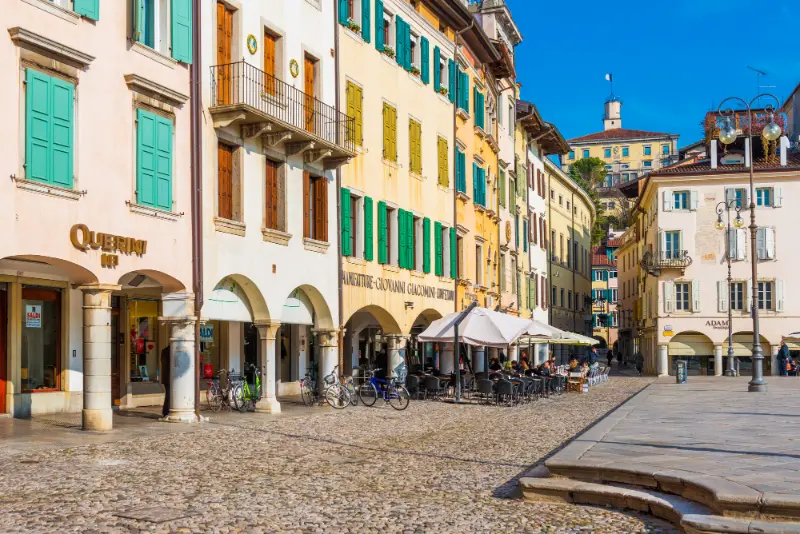
Around Piazza Libertà and Piazza Matteotti, Udine offers walkable squares, bookshops, restaurants and an evening scene with a distinctly Friulian rhythm. The city’s museums and Tiepolo-related sites are nearby, and you can dedicate unstructured time to the center without filling every hour. This is a strong choice for travelers who prefer smaller cities and want to explore Cividale del Friuli or other inland towns by public transport. Check the walk from the railway station to your accommodation, especially if arriving with luggage in summer heat.
Udine is also useful for food-focused travelers. Staying within the centre makes a relaxed dinner or osteria stop easy, while a hotel on the outskirts may offer parking and larger rooms. Neither option is automatically better. If you will drive to vineyards, a property with clear parking arrangements may save effort; if you want to avoid a car, prioritize the station-to-center connection.
Gorizia: border history and vineyard country
Gorizia is a rewarding base for travelers interested in the Italian–Slovenian border, the nearby city of Nova Gorica and the Collio hills. Staying centrally keeps the castle district, historic streets and parts of the cross-border story accessible. The surrounding countryside is attractive for wine-focused trips, but many estates require a car or arranged transfer. A listing described as ‘Gorizia area’ might actually be among the hills, a good choice for quiet evenings but a poor choice for a car-free museum visit.
If you plan to cross into Slovenia, check the current connections and exact location of your accommodation relative to the border. A car can make vineyard travel easier, but do not drive after drinking. Another sensible arrangement is sleeping in the city and booking a tasting with transport. This base is less suitable for those seeking classic Adriatic beach days every morning.
Grado: the natural choice for a family beach holiday
Grado has sandy beaches, a compact historic center and a lagoon landscape that sets it apart from the rest of the coast. A stay near your preferred beach entrance simplifies mornings with children, beach gear or mobility constraints. The old-town area is charming in the evenings and useful for restaurants, but the nearest suitable swimming area may still require a walk. Check whether accommodation includes access to beach facilities; umbrellas and loungers can be an additional expense and availability can tighten in peak periods.
Summer is the main season for resort demand. Outside that period, the town is quieter and some seasonal services close or reduce hours. Grado suits visitors who want slower days with optional day trips to Aquileia or Palmanova. It is less convenient as a base for frequent train excursions because the town is not directly served by the main railway network; road or bus transfers remain part of the plan.
Lignano Sabbiadoro: larger seaside resort infrastructure
Lignano Sabbiadoro has a different resort personality from Grado, with extensive beach areas and many accommodation choices geared toward summer holidays. Families seeking beach clubs, organized facilities, entertainment and a full week near the sand may prefer its scale. Location still matters: neighborhoods differ in atmosphere, walking distances and access to services. Check the exact section of beach, parking, any shared pool rules and whether the apartment includes essentials such as linens or end-of-stay cleaning.
For travelers visiting outside peak summer, ask which restaurants and attractions are operating. Do not assume an advertised amusement or water attraction is open throughout spring and fall. Lignano is not a particularly efficient base for a cultural rail itinerary, so treat it as a coast-first decision rather than an all-purpose center for the region.
Aquileia and Palmanova: quieter heritage stays
Sleeping near Aquileia can appeal to visitors who enjoy archaeology and a calm atmosphere after day-trippers depart. The basilica, excavated Roman sites and surrounding countryside reward a measured visit, while Grado is not far away by road. Accommodation options are more scattered than in a major city, and evening dining may require planning. In Palmanova, staying within or near the fortified town offers a distinctive setting for walks around the geometric streets and ramparts.
These places work best for travelers with a car or a clearly verified public-transport itinerary. A rural farmhouse can look wonderfully peaceful but be impractical without transport. Check restaurant opening days, parking, and whether the property offers breakfast or other meals. Heritage-rich does not automatically mean convenient for every type of trip.
Tarvisio and the Julian Alps: nature-first accommodation
For the Fusine Lakes, mountain walks and a northern Alpine holiday, Tarvisio and nearby villages make more sense than daily commuting from Trieste. Choose a location according to the trailheads, ski areas or cycling routes you actually intend to use. The difference between a valley town, roadside guesthouse and mountain lodging can be substantial in winter weather. A room described as close to the mountains may still require a car to reach suitable trail starts.
Mountain accommodation is also more seasonal than urban lodging. Check heating, access in snow, parking arrangements and restaurant availability outside the busiest periods. Families may value an apartment with kitchen facilities and gear storage; walkers may prefer easy access to trail information and a substantial breakfast. In all cases, verify actual walking conditions before planning an outing with children or inexperienced hikers.
Carnia and the Friulian Dolomites: for slower mountain days
The smaller communities of Carnia and the Friulian Dolomites offer a more secluded stay with traditional villages and dramatic landscapes. This choice is especially attractive for repeat visitors or travelers specifically seeking hiking and rural culture. It is not ideal for squeezing the coast and major cities into daily trips. Roads can be winding, and the available accommodation may sit far from restaurants or public transport. A rental car is often the realistic choice, though you should confirm road conditions and winter equipment requirements for the dates of travel.
When comparing lodging, prioritize practical needs: how far to food shopping, where you can park, whether trails begin nearby, and what happens if the weather prevents a planned hike. A beautiful balcony is a bonus; a workable plan for rainy days and meals is more important for a longer remote stay.
Pordenone: convenient for the western region
Pordenone is worth considering if arriving from Venice or visiting nearby Spilimbergo, Sacile and the western foothills. Its historic center has enough atmosphere for pleasant evenings, while the station makes it useful for rail journeys. The city often works well as a one- or two-night stop in a longer northern Italy trip. It is less efficient for repeated trips to Trieste’s seafront, which is in the eastern part of Friuli Venezia Giulia. Drivers should check which lodging options lie in pedestrian zones and whether parking is included.
Pordenone is a good example of why ‘central to the region’ can be a misleading phrase. A base should be central to your actual days, not to the outline on a map. If western Friuli and nearby Veneto are your priority, staying here can save time even if the most famous regional attractions are farther east.
How to choose a base without a car
Rail-focused travel works best from Trieste, Udine, Gorizia and Pordenone. Cividale is reachable on the Udine–Cividale line, while places like Grado need an additional road connection. Booking a farmhouse or hillside apartment solely because it appears close to a railway station on the map can be a mistake; check the full route and the last return service. For two adults with light luggage, a twenty-minute walk may be easy. With a stroller, mobility equipment or heavy suitcases, the same transfer can be stressful.
Plan any late arrivals carefully. A property may offer self-check-in yet still be difficult to reach after the final bus. When in doubt, choose an accommodation location that supports your most frequent movement and arrange occasional excursions from there.
Hotel, apartment or agriturismo?
A city hotel can reduce housekeeping work and make short stays simple, whereas an apartment offers space, laundry and a kitchen for longer visits with children. Agriturismi and countryside stays can provide peace and proximity to agricultural landscapes, but they often involve driving. Some beach apartments have minimum stays in the busiest weeks. Check whether final cleaning, heating, tourist tax, beach services or parking are included in the total cost rather than relying on a headline nightly rate.
Read the cancellation deadline and understand whether a payment is refundable. For peak summer in Grado and Lignano, book a location that matches your priorities before chasing a tiny price difference. For city weekends, compare access to transit and stairs as carefully as the room amenities.
Sample combinations for three, five and seven nights
Three nights in Trieste are ideal for the city, Miramare and one carefully chosen excursion. With five nights, split between Trieste and Udine for a good mix of maritime culture and Friulian inland sites. Seven nights could mean three in Trieste, two in Udine and two in Grado, though moving hotels that often is less suitable for travelers who prefer to unpack once. A mountain-focused week may be better with all nights around Tarvisio or split between Tarvisio and Carnia.
The perfect base is the one that makes your morning and evening straightforward. Compare realistic travel times, consider the needs of the least mobile person in your group and leave room to enjoy your accommodation instead of treating it merely as a place to sleep.
Related My Italy Experience guides
- Friuli Venezia Giulia Travel Guide: Trieste, Historic Towns, Coast and Mountains
- Trieste Travel Guide: What to See, Where to Stay and How to Explore the City
- Udine Travel Guide: Piazza Libertà, Tiepolo Art, Food and Day Trips
- Grado Travel Guide: Beaches, Old Town, Lagoon Trips and Family Tips
Frequently asked questions
What is the best place to stay without a car?
Trieste and Udine are excellent bases because of rail and local bus links. Gorizia and Pordenone also work well for the sites in their respective areas.
Where should families stay for beaches?
Grado and Lignano Sabbiadoro are established sandy-beach bases with organized services. Compare the specific beach entrance, apartment conditions and the amount of walking with equipment.
Is one hotel enough for a week?
It can be, but two bases usually reduce repeated travel if you plan both Trieste and the Friulian interior or northern mountains. Choose location according to your highest-priority activities.
Map and visitor information
Official planning sources
Check the actual location, parking or train links, beach arrangements and cancellation rules before choosing your base.
Last updated: October 17, 2026