My Italy Experience

Category: Road Trips & Regions

Slow road trips and regional itineraries through the countryside, hill towns and lesser-known places of Italy.

  • Lombardy in Winter: Milan, Ski Resorts, Spas and Quiet Lakes

    Lombardy in Winter: Milan, Ski Resorts, Spas and Quiet Lakes

    A winter trip to Lombardy can be a city break, a skiing holiday, a mountain retreat or a combination of several of them. The region is large enough that one forecast does not describe conditions everywhere. Milan's cold streets and galleries are very different from snowy slopes near Livigno or Bormio, while a lakeside town can be quiet and atmospheric but have fewer boat services than in summer. This guide helps you decide which winter version of Lombardy fits your interests, with practical advice on choosing accommodation, understanding seasonal transport and avoiding assumptions about snow or opening dates.

    Is Lombardy worth visiting between December and March?

    Yes, for the right reasons. Major cities remain active throughout winter, and museums, historic squares and restaurant culture give travelers alternatives to outdoor sightseeing. Alpine destinations cater to winter sports and mountain experiences, though snow conditions and operating dates vary from season to season. Some lake communities become much quieter, which appeals to visitors who enjoy calm waterfronts, but many seasonal attractions, gardens and boat departures run limited hours. A winter itinerary should be deliberately different from a summer one rather than a summer checklist performed in heavier clothing.

    To connect Lombardy in Winter with the rest of the destination, our Milan Travel Guide offers a broader overview of what to see and how to get around.

    Think about daylight as well as temperature. Museum-rich city days can begin late and continue indoors; a mountain outing needs to be planned around earlier darkness, weather and safe return transport. A week combining Milan with three or four nights in one mountain base is usually more sensible than trying several ski resorts in a row. The whole point is to experience the contrast between city and Alps without spending the holiday in transit.

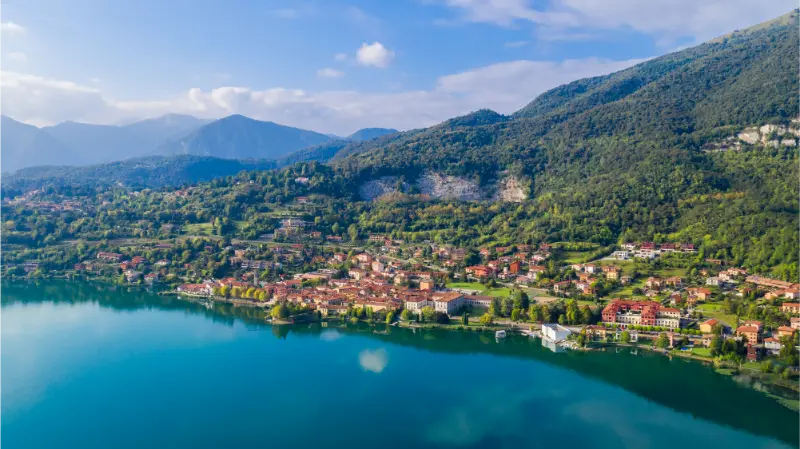
    Lodi Lombardy Italy

    Milan in December: lights, museums and restaurants

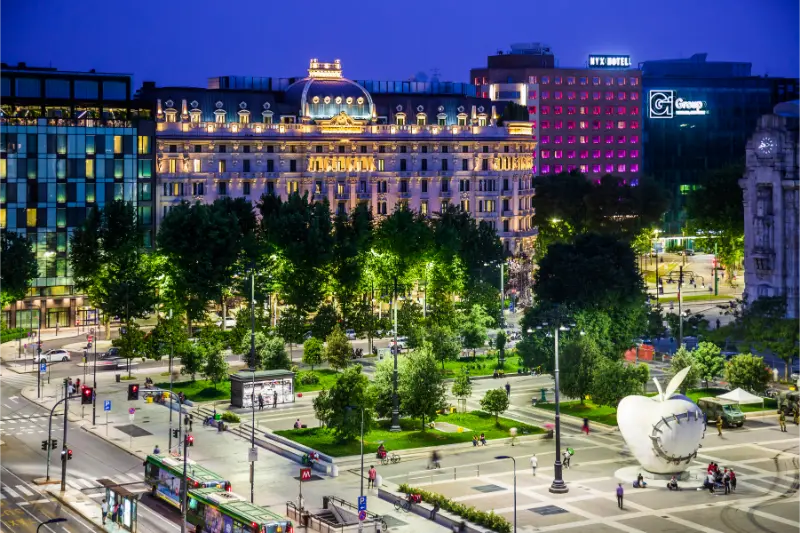
    Milan's historic center is lively in the holiday period, with seasonal decorations, shops and festive events. Exact markets and public programs change yearly, so use current city announcements rather than assuming a previous event returns in the same location. The Duomo, Galleria and central streets are especially atmospheric in the evening, but popular shopping areas can be crowded. A calm day can include one booked museum, a neighborhood walk and an early dinner instead of a long series of outdoor stops.

    The museum options are a major winter strength. Consider the Brera art district, Sforza Castle museums or the National Museum of Science and Technology depending on your interests. If you want to see the Last Supper, look for official reservations well in advance and plan around the confirmed ticket. Train access means Milan can also support a day trip to Bergamo or another historic city when conditions are suitable. Bring warm layers and comfortable shoes for wet paving; fashionable urban streets can be slippery after rain.

    Bergamo, Brescia and Cremona for short winter breaks

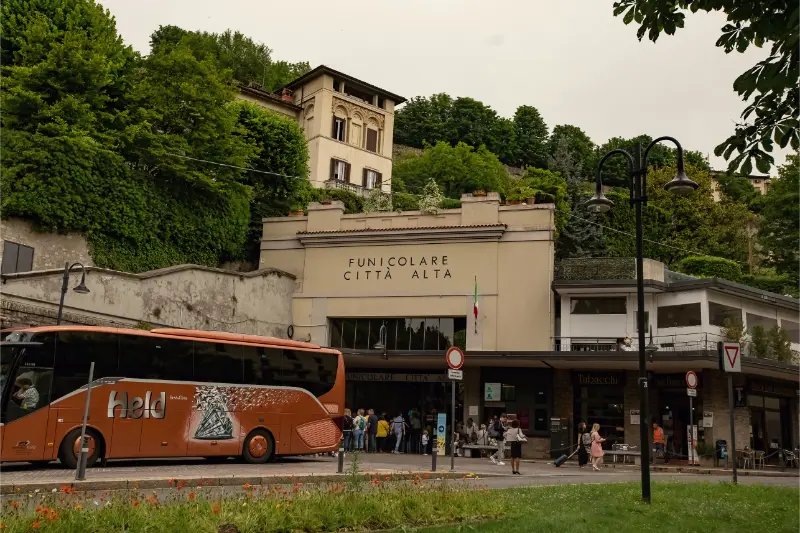
    Bergamo's Città Alta is beautiful in clear winter light, and its historic lanes feel different from the summer crowds. The funicular can make access easier, although the upper streets remain cobbled and sometimes steep. Brescia offers substantial indoor cultural options around Santa Giulia and the Roman heritage areas, while Cremona's violin-making collections, cathedral square and food traditions work well in cold weather. These cities are not dependent on snow to feel rewarding.

    Plan a museum and a walk for each day, rather than committing to a full outdoor program. Rain and shorter daylight may make a palace or gallery more appealing than a distant viewpoint. Check official holiday closing days, particularly around Christmas and New Year, when normal weekly patterns may change. Staying overnight gives you time for a comfortable meal and a walk through illuminated streets without racing for the last train back to Milan.

    Bormio: a mountain town with thermal traditions

    Bormio is attractive because it offers more than skiing. The historic center provides an appealing base for cafés, restaurants and a mountain-town atmosphere, while its thermal facilities can be a major part of the holiday. Different establishments have different entry arrangements and minimum ages, so verify the exact venue rather than assuming all Bormio spas suit families. Some offer more conventional public swimming and wellness options, while others focus on adult relaxation.

    For skiers, accommodation should be selected with the lift or ski-bus connection in mind. For nonskiers, choose a location with pleasant walking and easy transport rather than paying extra for proximity to slopes you will not use. Road conditions and winter equipment requirements matter for driving, particularly if approaching through mountain valleys. The famous Stelvio Pass road is subject to seasonal closure; never build a December sightseeing day around driving an Alpine pass because it looks open in a summer photograph.

    Livigno: a resort built around winter activities

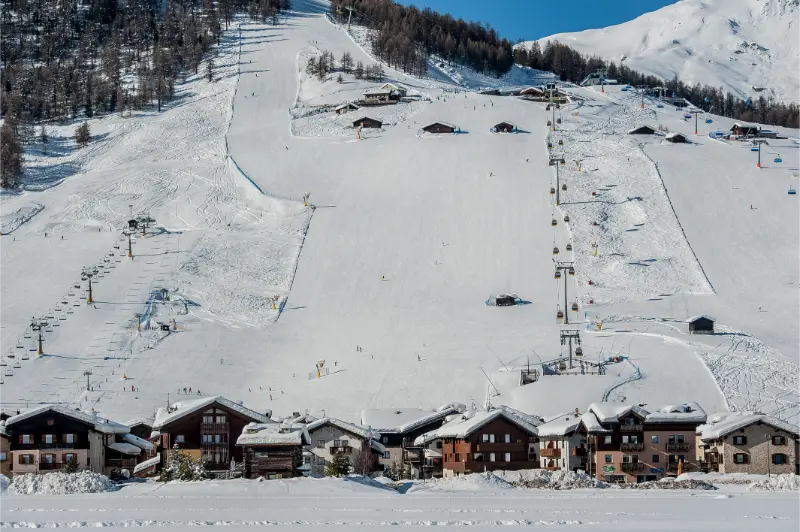
    Livigno is one of Lombardy's best-known winter destinations, with mountain scenery and a resort structure that can support a multi-night stay. Because it is not connected by a direct conventional passenger train, transfers by road are part of reaching it. Investigate the route from the airport or rail gateway, travel time and winter driving requirements before booking cheap flights that leave an awkward final connection. A resort stay is generally more satisfying when you remain long enough to justify the journey.

    Skiers should check which areas and lifts are operating on their actual dates. Non-skiers should ask about winter walks, spa options, local services and other activities available in that period; a list from the previous winter may no longer be accurate. Families need to distinguish beginner slopes, children's lessons and childcare arrangements rather than treating a resort label as a promise of suitable facilities for every age. Altitude, cold and changing weather require sensible clothing even for a short town excursion.

    Madesimo and Valchiavenna: a different Alpine base

    Madesimo provides another option for travelers seeking skiing or a mountain village stay. It sits in the upper Valchiavenna area, which changes character markedly from the lower town of Chiavenna. Reaching it involves road travel beyond the main transport hubs, and the condition of mountain roads matters in winter. Compare the accommodation's actual access to lifts and services, especially when traveling with children or carrying ski equipment. The phrase 'close to the slopes' may still describe a steep walk.

    Chiavenna can be an appealing lower-valley complement, known for its historic center and crotti food culture. A day here is also a weather-resilient option if high mountain activities become impractical. Do not plan an Alpine resort transfer on the same afternoon as a major museum ticket in Milan unless you have left a generous margin. Mountain weather is unpredictable, and a slower pace is part of a safer winter itinerary.

    Valtellina for travelers who do not ski

    The Alpine scenery is worth visiting even if you have no interest in downhill skiing. Tirano, Sondrio and smaller valley towns provide historical streets, food traditions and access to scenic surroundings at lower elevations. A Bernina rail trip from Tirano can be particularly striking in winter, but the international route requires checking ticket type, reservations, travel documents and the return timetable. A branded panoramic train and a regular regional train may serve different needs.

    Winter walking should stay within marked, suitable routes, with local advice on ice and avalanche exposure. Do not assume that a trail described as easy in summer remains safe in January. For most nonskiers, a valley-floor base with restaurants and cultural alternatives will provide more flexibility than an isolated lodging beside an advanced ski area. A warming meal of pizzoccheri or other regional dishes can be an enjoyable focus for the day without needing a demanding outdoor expedition.

    Lake Como in winter: atmosphere rather than a summer cruise

    Winter on Lake Como can be quiet and beautiful, especially in larger towns with year-round services. Como has a cathedral, historic streets and a waterfront that remain appealing during a short city-and-lake break. Varenna and other central-lake villages are more seasonal, so hotel and restaurant choice may narrow. Ferries can still run, but schedules are different from summer, and the weather can affect operations. Before reserving a lakeside hotel, check how you will reach it and return in the evening.

    Villa gardens and seasonal attractions may be closed or partly accessible. A good winter Lake Como day should be built around a town walk, a meal and perhaps one confirmed visit, with a boat as an option rather than an unquestioned requirement. Take warm layers for the waterfront and comfortable shoes for wet or slippery lanes. If you want broad garden access and frequent crossings, spring or summer may be the better season; winter rewards a different expectation.

    Lake Garda and Lake Iseo outside the main season

    Lake Garda's Lombardy shore has towns such as Desenzano, Sirmione and Salò that retain an attractive setting in winter. But a holiday planned around beach swimming, long ferry circuits and outdoor resort facilities will probably be disappointing. Instead, choose historic streets, cafés, thermal experiences where available and easy waterfront walks. Desenzano's rail access can be useful for a short break, while Sirmione's pedestrian center is appealing when less crowded, subject to the weather.

    Lake Iseo offers still another winter mood, with smaller towns and the possibility of a calm visit to Iseo or a museum-focused extension toward Brescia. Island ferry arrangements and restaurant hours should be checked closely. Do not select remote accommodation without confirming that shops and dining remain open. Winter lake travel can be restful precisely because there is less to do, but travelers should embrace that quieter pace instead of expecting summer services.

    Christmas, New Year and winter events

    Seasonal markets, concerts and special exhibitions can enrich a winter trip, yet they are also the information most likely to change from one year to the next. Verify dates on official municipal or event organizer websites, particularly when traveling around Christmas Eve, Christmas Day, New Year's Eve and Epiphany. Transport may use holiday timetables, museums may have special closures and popular restaurants often require advance booking.

    Ski-resort peak weeks can bring higher room prices and busy roads, while cities may see price swings around trade fairs and major events unrelated to tourism. Compare the full trip cost, including airport transfers and equipment rental. A city hotel may be better value during one week but expensive during another; there is no reliable universal winter price ranking. Flexible travel dates can make a substantial difference.

    How to combine city and ski time

    A practical seven-day route might use two nights in Milan, then four in Bormio or another well-chosen winter base, followed by a final night near the airport or departure station. This reduces the risk of a long mountain-to-flight transfer on the last morning. Choose one resort and enjoy its facilities instead of packing up to sample several distant ski areas. If you prefer a trip without skiing, four nights in Milan with excursions to Bergamo or Brescia and two nights in a year-round Lake Como town can be more relaxing.

    Travel by train can work well for the city portion and parts of Valtellina, but resort transfer buses or a rental vehicle may be needed for the final segment. Compare timetables before deciding which airport to use. In winter, road conditions, storms and transport disruption should be treated as possibilities worth planning around rather than exceptional inconveniences that can be ignored. Keep the final travel day conservative.

    Winter clothing, safety and accessibility

    The clothing required in Milan is different from what you need at altitude. In the city, warm waterproof layers and shoes with reliable grip are practical; in the mountains, suitable outerwear, gloves and footwear are essential. A ski jacket does not make someone prepared for every off-piste or mountain excursion. Avoid avalanche-exposed routes without the appropriate expertise and local information, and never assume that a cable car or mountain restaurant will open in poor weather.

    Travelers with reduced mobility should verify snow-clearing, lift access and the route from transport to accommodation. Strollers can become difficult on icy slopes and older cobblestones. For families, ask ski schools about minimum ages and lesson arrangements before booking the resort, and investigate indoor alternatives when weather prevents outdoor activities. An adaptable holiday is safer and more pleasant than a rigid series of pre-paid outdoor plans.

    Practical budget and booking choices

    When comparing winter resorts, include transport from the closest rail gateway or airport, ski passes, equipment rental, lessons and meals. A cheaper hotel far from lifts may require costly daily transfers. Nonskiers should not pay automatically for a ski-in/ski-out location. Thermal tickets and premium spa areas can be separate expenses, with age restrictions that affect family plans. Reserve the scarce component first, such as lessons or a popular wellness appointment, then fit the hotel around it.

    For winter city breaks, museum reservations, holiday opening times and restaurant bookings matter more than ski logistics. For lakes, ferry schedules and seasonal closures take priority. Read current cancellation rules in case adverse weather forces a change. A thoughtful winter budget includes room for a taxi, a different museum or an extra warm meal when the original plan stops being practical.

    Choosing the best winter version of Lombardy

    Choose Milan, Bergamo, Brescia or Cremona when culture, food and flexible indoor activities are the priority. Choose Bormio or Livigno when you want several days in an Alpine resort, and consider Tirano or Sondrio for a mountain atmosphere with rail connections and local life. Choose a year-round Lake Como or Lake Garda town if your idea of a holiday is quiet walks and waterfront meals rather than summer attractions. Lombardy is particularly rewarding in winter when the itinerary fits the season instead of fighting it. Confirm current operating dates, stay adaptable and leave enough time to enjoy wherever the weather takes you.

    At a glance

    Travel focusPractical choice
    City winter breakMilan, Bergamo, Brescia or Cremona
    Ski-focused stayBormio, Livigno or Madesimo
    Nonskier mountain stayTirano or Sondrio with planned outings
    Quiet lake breakYear-round town and seasonal ferry checks

    Explore related guides

    Map and official travel resources

    Compare places to stay

    Frequently asked questions

    Is Lake Como worth visiting in winter?

    Yes for quiet towns and atmospheric walks, but many boats, gardens and hotels run reduced seasonal services.

    Can you drive the Stelvio Pass in winter?

    The high pass is subject to seasonal closures. Check official road conditions and never assume winter access.

    What is the best winter base in Lombardy?

    It depends on your priorities: Milan for culture, Bormio or Livigno for mountain activities and a year-round lake town for a quieter stay.

    Last updated: October 17, 2026

  • UNESCO Sites in Lombardy: Heritage Highlights and Visit Itinerary

    UNESCO Sites in Lombardy: Heritage Highlights and Visit Itinerary

    Lombardy's UNESCO heritage spans an unusually broad range of historical periods. Prehistoric engravings in Valle Camonica, a Renaissance masterpiece in Milan, the industrial village of Crespi d'Adda and the urban landscapes of Mantua and Bergamo are all protected for different reasons. The region also participates in cross-border and multi-site inscriptions that cannot be understood from one pin on a map. This guide explains the main World Heritage choices, how to group them into realistic journeys and what to check before visiting places that remain active communities, churches or archaeological landscapes.

    Understand the UNESCO labels before planning

    A UNESCO World Heritage inscription does not necessarily refer to one building with a ticket office. Some are serial sites made up of several components, sometimes spread across countries. The Sacri Monti of Piedmont and Lombardy are one such inscription, and the prehistoric pile-dwelling sites around the Alps form another. Likewise, the Rhaetian Railway extends across a dramatic Alpine landscape and into Switzerland. It is worth reading what is actually inscribed so you can visit a representative part rather than trying to 'complete' a site in a way that makes little geographical sense.

    You can pair UNESCO Sites in Lombardy with other places in Lombardy; the Lombardy travel guide gives an overview of realistic connections and where to stay.

    Heritage listings also differ from intangible cultural traditions and UNESCO biosphere reserves. Cremona's violin-making craftsmanship is recognized as intangible heritage, while its museum is a valuable way to understand that living tradition. Visitors should avoid counting these under the same heading as World Heritage properties. For planning, the practical question is what you can observe respectfully: a monument, a working craft, a landscape or a living town.

    Lodi Lombardy Italy

    Milan: Santa Maria delle Grazie and the Last Supper

    Leonardo da Vinci's Last Supper is one of the region's most sought-after cultural experiences. The mural is associated with the Dominican complex of Santa Maria delle Grazie in Milan, and its conservation requirements mean visits are controlled. Booking through official channels is essential, and the timing of ticket releases may determine the day of your visit. Do not arrange a whole nonrefundable holiday around a promise of entrance from a source that does not clearly guarantee it.

    The visit is not simply about recognizing a familiar image. Understanding the painting's place within the refectory and the history of preservation adds depth. The church and its surroundings also deserve attention, subject to religious services and opening rules. Plan another Milan activity nearby, but keep enough margin to reach the museum at the required check-in time. A second museum or a quiet neighborhood walk is a better companion than a complex cross-city sprint.

    Valle Camonica: Italy's first World Heritage inscription

    Valle Camonica's rock engravings became Italy's first UNESCO World Heritage listing in 1979. The decorated rocks extend through a wide valley, and archaeological parks provide different perspectives on prehistoric and historic imagery. Capo di Ponte is a strong focus for a first encounter, with several cultural sites in the surrounding area. The engravings are not always instantly legible; lighting, angle and interpretive information influence what visitors notice. A guide or carefully read panels can help reveal stories beyond the most recognizable symbols.

    Plan according to the specific park rather than simply entering 'UNESCO rock art' into a navigation app. Some pathways have stones, steps or exposed surfaces; accessibility and opening days differ. A full day in the area is often more meaningful than a hurried detour on the way to a ski resort. Pair the visit with a smaller town, museum or quiet meal to understand that the valley is a contemporary community as well as an archaeological landscape.

    Mantua and Sabbioneta: Renaissance urban thinking

    Mantua and Sabbioneta form a joint World Heritage inscription associated with Renaissance urban and architectural ideas. In Mantua, Gonzaga court culture is visible in the extensive Palazzo Ducale complex and the remarkable Palazzo Te, though not every important space is necessarily included in one ticket. The historic city also works beautifully on foot, with squares, churches and lakeside edges offering a sense of context around the monuments. Allow at least a full day, and preferably an overnight, if art history is a principal interest.

    Sabbioneta is much smaller and makes an excellent companion to Mantua, but it requires separate travel planning. It is not simply another neighborhood of the city. The ideal experience includes time to understand the planned-town design and its principal buildings, using current opening information for museums and interiors. A traveler relying on public transport should verify the practical connection and return service before buying timed-entry tickets. Combining both destinations in one exhausting half-day loses the very qualities that make the inscription significant.

    Bergamo's Venetian defensive walls

    Bergamo's Venetian walls form part of the transnational inscription for Venetian defense works between the sixteenth and seventeenth centuries. The fortifications surround Città Alta and offer striking views, but their importance also lies in the history of territorial control and military engineering. The easiest way to appreciate them is to combine a walk along accessible sections with time in the upper town's streets and squares. Stop at a viewpoint and consider how the walls separate and connect the historic settlement with the lower city.

    The paths involve uneven paving and gradients, so accessible routes should be identified in advance. Bergamo can be visited by train from Milan and reached locally by bus or funicular. An overnight stay allows quieter morning or evening walks, which often give a deeper sense of the place than a crowded mid-afternoon visit. Remember that the city is alive around the heritage site; residential streets deserve the same respect as the monumental perimeter.

    Crespi d'Adda: a living industrial landscape

    Crespi d'Adda is a preserved industrial settlement recognized for its historic relationship between factory, workers' housing and social organization. The site tells a story about industrialization, labor and a planned community rather than royal patronage or religious pilgrimage. Visitors should approach it as a place where people still live, not an abandoned open-air set. The most informative option may be an official guided visit that explains the layout, factory history and preservation issues.

    Access to interiors can vary and private homes are not attractions to enter or photograph intrusively. Check authorized tour arrangements and where visitors should park. Crespi pairs geographically with a stay in the Bergamo or Milan area, although the last connection can be less straightforward without a car. For families with older children, the contrast between workers' homes and a famous palace can prompt interesting discussions about whose histories are usually commemorated.

    The Sacri Monti: Varese and Ossuccio

    The Sacri Monti of Piedmont and Lombardy are ensembles of chapels built within designed devotional landscapes. In Lombardy, the Sacro Monte of Varese is reached along a historic route of chapels toward the sanctuary above the city. The Sacro Monte of Ossuccio overlooks Lake Como and combines religious architecture with a distinctive lakeside setting. These are places of worship as well as cultural heritage, so respectful conduct and appropriate dress matter, particularly near services.

    A chapel route is not necessarily a short, level museum visit. Gradients, steps and outdoor walking are central to the experience. If you are accompanying a person with limited mobility, investigate alternative access to the sanctuary and which parts of the route are practical. Allow a half-day or more rather than racing through chapel after chapel. The spiritual and landscape dimensions become clearer when the walk is approached at a deliberate pace.

    The Rhaetian Railway in the Albula/Bernina landscapes

    The Rhaetian Railway's Albula and Bernina landscapes represent an extraordinary engineering and mountain journey. The route reaches Tirano in Lombardy and continues into Switzerland, so a heritage-focused trip crosses an international border. The Bernina Express is a well-known branded service, but regular regional trains may follow the same heritage corridor with different fare and reservation rules. Compare actual timetables, seat arrangements and stops instead of assuming the name of the train describes the whole heritage experience.

    A full-day rail outing is best planned from Tirano or with a carefully calculated arrival from elsewhere in Valtellina. Travelers departing Milan need to account for the long journey to the starting point and the return time. Bring valid travel documents and check whether your ticket permits stopovers. The landscapes deserve attention from the window, but do not overload the day with distant attractions after the crossing. The railway is the main experience, not only a means to arrive somewhere else.

    Prehistoric pile dwellings and the quieter archaeological record

    The prehistoric pile dwellings around the Alps form a serial UNESCO World Heritage inscription spread across countries and regions. Lombardy includes components associated with lake and wetland environments, but many archaeological traces are not presented as conventional open-air monuments. In some cases, museums explain the evidence more effectively than visiting a landscape where little is visible to an untrained observer. Sites and collections around Lake Garda and the Varese area can help place these ancient settlements in context.

    Before traveling, confirm what the visitor can actually see, whether a museum is open and if an archaeological area has restricted access. Do not advertise every listed component as a freely walkable attraction. These places are valuable precisely because they expand the regional narrative beyond the medieval and Renaissance periods, revealing how communities used lakeshores long before modern tourism.

    Monte San Giorgio and the geological story

    Monte San Giorgio is recognized for its exceptional fossil record and geological significance and extends across the Switzerland–Italy border, including part of the Varese area. It offers a very different heritage experience from paintings and churches. Visitors interested in fossils and ancient environments can investigate museum collections and authorized routes that interpret the landscape. Physical access to sites may be limited for conservation or research reasons; do not assume that fossil-collecting is permitted.

    A geological trip needs more preparation than a conventional art museum day. Choose the museum or official guided activity that matches your interest and mobility. A walk may be rewarding for scenery, but the underlying science is often clearer with interpretation. For families, an age-appropriate museum stop can make the landscape more understandable than an unstructured hike in search of fossils.

    The Lombard sites in the early medieval inscription

    The serial inscription 'Longobards in Italy: Places of the Power' includes elements from the period of Lombard influence, and Brescia's San Salvatore–Santa Giulia complex is an important Lombard-related component. The broader museum setting provides context for the transformation from antiquity into the early Middle Ages. The attraction is particularly rich for travelers who enjoy objects and architecture in a single coherent historic environment.

    Check which parts of the complex are included in the available ticket and whether temporary closures affect specific sections. Brescia also has notable Roman archaeology nearby, making it possible to spend a whole day following the city's historical layers without long transfers. This is an effective choice for a visitor who wants depth in one place rather than a new town every few hours.

    Cremona's violin making: living heritage

    The traditional violin craftsmanship of Cremona is recognized as UNESCO intangible cultural heritage, which differs from a World Heritage site inscription. The Museo del Violino offers an introduction through instruments, makers and collections, while authorized demonstrations or workshops can illuminate the skills that are still practiced. Visitors should not assume every artisan can accommodate walk-in tours; working workshops have schedules and conservation needs.

    A Cremona visit can combine the museum with the cathedral square and local cuisine. Special performances or auditions may be separately ticketed. If your interest is specifically the craft, choose an experience that explains construction and acoustics rather than only displaying beautiful objects. This contrast between tangible buildings and living skills enriches a wider heritage-focused trip through Lombardy.

    A six-day UNESCO-focused itinerary

    One sensible route starts with two days in Milan, including the Last Supper and other city museums. Continue to Bergamo for the Venetian walls and, with arranged transport or a guide, Crespi d'Adda. Spend another day in Brescia exploring the Roman and Lombard heritage, then take a separate day for a selected Valle Camonica rock-art park. End in Mantua, staying overnight if you also plan Sabbioneta. This is already a full itinerary, and it is more coherent than adding the Bernina railway at the far end without extra days.

    For a second heritage-focused trip, combine Varese and Monte San Giorgio, Lake Como's Sacro Monte of Ossuccio, Cremona's violin-making culture and Tirano's rail heritage. These require careful transport planning and are best split across several bases. Use the official regional heritage inventory as a starting point and the individual managing institution for current visitor details. A UNESCO label is an invitation to learn, not a reason to skip the practical checks that make a visit worthwhile.

    Respecting heritage and making reservations

    Plan timed attractions first, including the Last Supper and any guided-only sites. Verify museum closing days, accessibility, photography rules and whether a church is open for worship rather than tourism. At archaeological landscapes, remain on marked routes and never remove material. In living settlements, respect homes and everyday life. Take a little time to understand why each site was inscribed; a thoughtful hour with interpretation can reveal more than a rushed visit to several labels on a map.

    At a glance

    Travel focusPractical choice
    Art and architectureMilan and Mantua
    Industrial and military heritageCrespi d’Adda and Bergamo walls
    Prehistory and geologyValle Camonica and Monte San Giorgio
    Sacred landscapesVarese and Ossuccio Sacri Monti

    Explore related guides

    Map and official travel resources

    Compare places to stay

    Frequently asked questions

    How many UNESCO World Heritage sites are in Lombardy?

    The official regional inventory lists ten World Heritage inscriptions, including serial and cross-border properties.

    Is Cremona violin making a World Heritage site?

    It is recognized as UNESCO intangible cultural heritage, which is a different classification.

    Can you visit the rock art in one short stop?

    A selected archaeological park is possible, but the wider Valle Camonica inscription covers multiple areas.

    Last updated: October 17, 2026
  • What to Eat in Lombardy: Food, Wine Regions and Local Experiences

    What to Eat in Lombardy: Food, Wine Regions and Local Experiences

    Lombardy is not defined by one culinary style. Milan's golden risotto, Bergamo's stuffed pasta, Mantua's sweet-and-savory combinations and Valtellina's Alpine cheeses reflect very different landscapes and traditions. The region also produces important wines, from the sparkling bottles of Franciacorta to the hillside reds of Valtellina and Oltrepò Pavese. A good food trip is less about a list of famous dishes than understanding where to try them, how meals fit into travel days and when a farm, winery or artisan visit needs to be arranged in advance.

    Milan: saffron risotto and more than a fashionable dining scene

    Risotto alla milanese is one of the region's emblematic dishes. The saffron gives it its color and distinctive flavor, but the texture matters just as much: a well-made risotto is creamy while the individual grains retain their character. Ossobuco is a traditional accompaniment, though restaurants vary in how they serve the pairing. Cotoletta alla milanese is another classic, and you may encounter both versions cooked on the bone and modern variations. What matters is understanding what you are ordering rather than assuming every enormous breaded cutlet follows the same tradition.

    For travel beyond What to Eat in Lombardy, consult our Lombardy travel guide; it explains how to choose a base and link nearby destinations.

    Milan also has neighborhood bakeries, old cafés, contemporary restaurants and a strong aperitivo culture. Aperitivo is not synonymous with an unlimited dinner buffet; the offering changes by venue, and it can be wiser to enjoy a small drink and snack before a separate meal. Panettone remains connected with the city, particularly around the winter holidays, but good bakeries sell it in other contexts too. Food-focused travelers should choose one historic café, one traditional trattoria and one contemporary dining experience rather than attempting to prove the city's diversity in a single evening.

    Lodi Lombardy Italy

    Bergamo: casoncelli, polenta and Alpine influence

    Bergamo's casoncelli are filled pasta, commonly served with butter, sage and other savory elements, though recipes vary. Polenta is another defining ingredient, appearing beside braised dishes, cheese and local specialties. The hills and valleys around the city contribute cheeses and cured meats that give menus a strong sense of place. Ordering a traditional dish in Città Alta can be memorable, but the quality of the experience also depends on atmosphere and the time you allow for the meal.

    A Bergamo food day might start with a bakery stop in the lower town, continue with the historic center and finish with a relaxed dinner after walking the Venetian walls. Be aware that portions of rich dishes can be substantial, particularly when combined with several courses. Travelers curious about local specialties should ask what is seasonal and whether the kitchen prepares a particular recipe in-house. A modestly priced trattoria with a focused menu can offer a better introduction than a restaurant selling every Italian regional specialty at once.

    Brescia, Lake Iseo and Franciacorta

    Brescian cuisine includes casoncelli in local forms, polenta and dishes such as spiedo, traditionally associated with specific preparation methods and occasions. The province stretches from plains to lakes and mountains, so food traditions shift as you travel. Around Lake Iseo, freshwater fish appears on menus, but visitors should not assume it is always sourced locally; ask when that detail matters. A lakeside lunch pairs well with a gentle village walk, provided you do not schedule a ferry departure during the middle of the meal.

    Franciacorta's vineyards are close enough to add a wine-focused outing to a Lake Iseo or Brescia trip. The area is especially associated with traditional-method sparkling wine. Booking a cellar tour allows you to understand production and styles more fully than tasting a glass in a city bar. Tours vary in length, language and whether they include vineyard walks, so ask before paying. If drinking, arrange a driver, local transfer or accommodation near the producer; the countryside is not designed for spontaneous walking between multiple wineries.

    Cremona: marubini, mostarda and torrone

    Cremona is famous for violin making, but its food is equally distinctive. Marubini are small filled pasta shapes associated with local festive and family traditions. Mostarda, made with fruit and mustard essence, can surprise visitors who expect a simple jam. It often accompanies savory dishes, cheeses or meats, and the balance between sweetness and pungency is part of its identity. Torrone is another Cremonese specialty, especially visible in local shops and seasonal events.

    Spend time in the historic center and compare artisan food shops rather than buying the first souvenir package near the square. Labels and ingredients matter, particularly for travelers with allergies. A cooking class may be interesting, but verify whether it actually teaches a local dish rather than a generic Italian menu. Cremona is small enough to combine a culinary focus with the cathedral complex or the Museo del Violino without turning the day into a race across town.

    Mantua: pumpkin tortelli and Renaissance tastes

    Mantua's tortelli di zucca highlight a distinctive balance between sweet and savory, with pumpkin complemented by ingredients that may include amaretti and mostarda. This is not the same dish as the pumpkin ravioli served elsewhere, and local preparations vary by restaurant and season. Risotto alla pilota is another strong regional identity, while sbrisolona is a crumbly dessert associated with Mantua and the surrounding area. These dishes connect the city to its agricultural setting as much as to its Renaissance history.

    A pleasant Mantua itinerary can center on one palace in the morning and a proper lunch afterward. The historic streets encourage unhurried wandering, and restaurants do not need to be selected solely for their proximity to a museum entrance. If you have dietary restrictions, ask about the ingredients in filled pasta and desserts; apparently vegetarian dishes may contain cheese produced with animal rennet or other unexpected additions. Rather than ordering an elaborate tasting menu out of obligation, choose the dishes you are actually curious to experience.

    Valtellina: pizzoccheri, sciatt and bresaola

    The mountain valleys of northern Lombardy have a different culinary vocabulary. Pizzoccheri, associated especially with Teglio and Valtellina, bring buckwheat pasta together with vegetables, potatoes, cheese and butter. Sciatt are crisp buckwheat-based fritters with a melted cheese center, often served as a starter. Bresaola, a cured beef specialty, is frequently associated with the valley. These foods feel particularly appropriate after a cool-weather walk, but their richness deserves attention when arranging an active afternoon afterward.

    Small mountain restaurants may follow seasonal calendars or have limited opening days. Booking ahead can be sensible, especially when staying in villages outside the largest resorts. Ask about local cheeses and how the dish is made, but avoid assuming that every restaurant offering pizzoccheri has the same recipe. A meal in Teglio, Tirano or a Valtellina village can be as rewarding as a famous viewpoint when the pace allows you to appreciate it.

    Valtellina wine: vineyards on difficult slopes

    Valtellina's vineyards grow on steep terraces supported by dry-stone walls. Winegrowing here is labor-intensive, and the landscape itself helps explain why the bottles have a distinctive identity. The principal grape is Nebbiolo, locally called Chiavennasca. Names you may encounter include Valtellina Superiore and Sforzato di Valtellina, a style made using a grape-drying process. A tasting is more meaningful when you understand the distinction between a wine style, a vineyard area and an individual producer.

    Organize visits with wineries in advance. A family-run cellar may not keep tourist hours, and harvest is a working period rather than a guarantee of drop-in tastings. Some vineyard paths are steep and not suitable for everyone. Visitors who want to drink wine should not drive themselves from estate to estate; a stay near Sondrio, a planned transfer or a guided experience is a much safer choice. Take time to enjoy the terraced scenery without entering working plots unless invited.

    Oltrepò Pavese: a wine region south of the Po

    Oltrepò Pavese is often overlooked by travelers who know Lombardy only through Milan and the northern lakes. South of Pavia, its hills support a wine culture distinct from Franciacorta and Valtellina. Producers work with different grapes and styles, including Pinot Nero and other local traditions. It is an appealing region for visitors who enjoy village roads, rural landscapes and conversations about how geology and farming affect wine.

    The area is less straightforward to explore by public transport than a central city. Choose a clear route and prearrange winery appointments. A weekend based in a small town can be more enjoyable than driving from Milan for multiple tastings and returning late. A wine trip should include food and responsible transport planning as integral parts of the experience. If you prefer not to drink, the countryside and food traditions can still justify a visit without forcing a formal cellar tasting.

    Cheese, cured meats and the mountain table

    Lombardy's cheeses tell the story of pastures, valleys and local dairy traditions. Gorgonzola is internationally known, but alpine cheeses such as Bitto and Casera are closely associated with the mountain economy. Their flavor, texture and use in cooking vary, and the names on restaurant menus may refer to specific production traditions. When buying cheese to take home, check storage requirements and any restrictions relevant to your onward journey. A well-informed cheese shop is a useful stop for understanding what belongs to a particular valley.

    Cured meats are equally varied, from Valtellina's bresaola to specialties of the plains and hills. Travelers should look for clear labeling and ask about ingredients rather than assuming that every cured meat in a tourist display is locally produced. Food markets can be excellent for snacks and small discoveries, but they are also working places where shopping etiquette matters. Make room for residents, avoid blocking stalls for photographs and purchase something when asking a vendor for extensive advice.

    Eating around the lakes without choosing a tourist trap

    Lakefront dining can be delightful, particularly when the view and the meal both justify the price. But a waterfront location does not guarantee an authentic regional menu or a relaxed experience. Compare a few restaurants away from the busiest promenade, look for seasonal ingredients and read current menus rather than relying on outdated claims of being the 'best'. A family with children may value a shorter waiting time and accessible seating more than a prestigious dining room with a rigid service schedule.

    Reservations are especially helpful in high season and on weekend evenings. On Lake Como, consider the last ferry before booking dinner in a town across the water. On Lake Garda, driving along the shore after a late meal can take longer than expected. In quieter Lake Iseo towns, restaurants may have weekly closing days. The practical choice is often the restaurant that fits your transport, energy and interests, not the one with the most dramatic social-media image.

    Food tours, cooking lessons and producer visits

    A good food experience explains place, history and technique, not only supplies samples. In Milan, a guided food walk can link local specialties with neighborhood history. In Cremona, a focused workshop or food producer visit may make more sense than a generic city tasting. In Franciacorta, cellar tours differ in whether they include vineyard access, production explanations or a seated tasting. Decide what you want to learn and check the language, duration, meeting point and cancellation policy.

    For hands-on cooking activities, read the actual class menu and whether children can participate. Some classes are designed for adults or use shared preparation equipment that may be unsuitable for allergy-sensitive guests. Ask questions before booking instead of expecting adjustments on arrival. A worthwhile experience leaves room for conversation and proper tasting; squeezing one into a thirty-minute gap between museum tickets defeats much of its purpose.

    A four-day food itinerary through Lombardy

    A rewarding food-focused route could start in Milan with risotto, a local bakery and an evening in a traditional restaurant. Continue to Bergamo for casoncelli and regional cheeses, then spend a day between Brescia and Franciacorta with an advance-booked winery visit. End on Lake Iseo for freshwater fish or a leisurely lunch in a waterfront town. The itinerary is compact enough to avoid constant long transfers and varied enough to show how food traditions shift across short distances.

    A second route can combine Cremona and Mantua before moving toward Valtellina for Alpine dishes and mountain wine. That option needs more days and better transport planning, especially if the goal is visiting producers. Do not treat wine tastings as stops that can be added casually to a driving schedule. Build the route around meals, responsible transport and the days when the establishments you hope to visit are open.

    Practical dining advice

    Meal times, closing days and booking customs vary by town and season. Many restaurants offer lunch and dinner during set hours rather than continuous service. A place open in summer may reduce its schedule in winter. When visiting on a holiday or during a major festival, reserve early and confirm that the menu offered matches the experience you want. Dietary requirements should be communicated clearly, particularly with cheese-rich Alpine dishes, stuffed pasta and desserts that can contain nuts.

    A Lombardy food trip is most memorable when you connect meals to landscapes: pasta in Bergamo after walking the upper town, wine in Franciacorta near the vineyards, or pizzoccheri after an excursion in Valtellina. Enjoy the local cuisine without making every day a demanding culinary marathon. One thoughtful meal, a good market and time to talk with people who make the food can reveal more than a long list of dishes sampled in haste.

    At a glance

    Travel focusPractical choice
    MilanSaffron risotto and cotoletta
    BergamoCasoncelli and polenta
    Mantua and CremonaPumpkin tortelli, marubini, mostarda
    ValtellinaPizzoccheri, sciatt and Nebbiolo-based wines

    Explore related guides

    Map and official travel resources

    Compare places to stay

    Frequently asked questions

    What food is Lombardy famous for?

    Regional specialties include risotto alla milanese, casoncelli, pizzoccheri, tortelli di zucca, bresaola and torrone.

    Where should wine lovers go?

    Consider Franciacorta, Valtellina or Oltrepò Pavese, each with distinctive styles and geography.

    Do wineries require reservations?

    Often yes, particularly small producers. Arrange transportation that does not involve driving after tasting.

    Last updated: October 17, 2026

  • Lombardy with Kids: Family-Friendly Cities, Lakes and Mountain Days

    Lombardy with Kids: Family-Friendly Cities, Lakes and Mountain Days

    Lombardy can work very well for a family vacation because the region offers short city excursions, train journeys, easy lakefront walks, museums and outdoor activities. But 'family friendly' is not a single standard. A waterfront promenade suitable for a toddler is different from an Alpine path that a confident ten-year-old might enjoy; a large museum can fascinate one child and exhaust another. This guide focuses on choosing realistic experiences, using transport sensibly and allowing enough downtime to make the journey pleasant for both adults and children.

    Start with a smaller daily plan

    A family holiday usually improves when each day has one main activity and a backup, rather than three nonnegotiable bookings. In Milan, a science museum plus a nearby park may fill the day; on Lake Como, a boat ride and one village walk can be plenty. The same principle applies to mountain resorts: a cable-car ascent, if operating, does not need to be followed by a long exposed hike. Children notice food, play spaces, unusual transport and changes in landscape as much as famous monuments. Give those small experiences room to happen.

    Planning more than Lombardy with Kids? The Lombardy travel guide compares the main areas and helps you put this stop into a manageable route.

    Build the itinerary around your youngest traveler's stamina. A child who enjoys walking in a flat park may still struggle with cobbled hills, summer heat and long lines for ferries. Look at total time on feet rather than just the distance between attractions. When possible, stay two or three nights in one place so the family can return to familiar accommodation without unpacking repeatedly. A flexible afternoon after a travel day often prevents a difficult evening.

    Lodi Lombardy Italy

    Milan's museums and green spaces

    Milan offers some of the strongest wet-weather options in the region. The National Museum of Science and Technology has collections that can appeal to different ages, but large galleries are easier to enjoy when you choose a specific section rather than attempting to see everything. Parco Sempione provides green space near the Sforza Castle area, while other urban parks offer opportunities to pause between city visits. A walk through the Galleria and around the Duomo can be exciting for children who enjoy architecture and busy public spaces, but timed rooftop experiences may involve stairs or access limitations.

    Reserve scarce attractions only if the children are old enough to appreciate the visit and tolerate its rules. Leonardo's Last Supper has controlled viewing conditions; it may be an adult priority rather than a relaxed family afternoon. Restaurants near major sights vary widely in waiting times and atmosphere. A lunch reservation or a simple bakery plan can be more valuable than adding a distant landmark. Choose a base near public transit, and check whether the metro station you need has convenient lift access for a stroller.

    Bergamo: a funicular and an old town to explore

    Bergamo offers a memorable change from Milan. Reaching Città Alta by funicular can itself feel like an attraction, and the historic squares and walls are interesting without requiring a long museum visit. Older children may enjoy the idea of a fortified city high above the modern town. Younger children will benefit from an outing that includes an outdoor break and time to eat. The upper town's cobbled lanes and slopes can be awkward with small-wheeled strollers, so investigate the route you plan to walk.

    Try not to do every viewpoint in one day. The upper town rewards leisurely discovery, and tired children may enjoy a gelato and a short scenic walk more than another church interior. If traveling from Milan, leave margin for the train and the transfer to the funicular. Families staying overnight can explore early in the morning and return to the hotel for a rest, an advantage often overlooked when comparing the cost of a day trip with an additional room night.

    Lake Como: boats without the exhausting village marathon

    A ferry crossing on Lake Como offers beautiful views and a simple sense of adventure. Choose one or two villages rather than attempting Como, Varenna, Bellagio and Menaggio in the same afternoon. Como town and Varenna can be reached by rail, but they sit on different approaches; check the correct station and onward ferry. Bellagio has no conventional railway station, so its boat or road connection must be considered when staying there. Young children usually enjoy spending time by the water as much as moving constantly between piers.

    Some historic village streets are steep, and many scenic viewpoints involve steps. A baby carrier may be more practical than a stroller on certain routes, while a flat promenade can be a better choice for young children. Check whether the chosen boat route runs on your travel date and when the last return departs. Bring sun protection for exposed decks and layers for breezes, even on warm days. If weather causes a cancellation, a nearby town walk or museum is a better response than frantic improvisation.

    Lake Garda: choose the right shore and beach

    The Lombardy shore of Lake Garda includes Desenzano, Sirmione, Salò and Gardone Riviera, among other towns. Desenzano can be convenient by train and offers a lively town setting. Sirmione has a castle and memorable peninsula but can be especially busy during high-season afternoons. Salò is attractive for waterfront walking. Families interested in longer swimming holidays should assess each specific beach, shore surface and access point; Lake Garda is not one uninterrupted stretch of soft sand.

    Swimming requires normal water safety precautions. Depth may change quickly, the shore may be rocky or pebbly, and designated bathing zones matter. Look for supervised areas where appropriate and check local conditions rather than relying on photographs. Do not assume a rental advertised as being on Lake Garda is easy to reach from the train or that a lakeside road has a safe stroller path. A short stay is better centered on one part of the lake instead of repeated transfers around the entire shoreline.

    Lake Iseo: Monte Isola and simpler outings

    Lake Iseo can be a particularly manageable destination for families who enjoy quieter places. Iseo town has a waterfront and serves as a practical base for outings, while a ferry to Monte Isola introduces the novelty of island life. The island's villages are appealing, though routes into its interior can become steep. Choose a walk appropriate to the family rather than automatically following the most ambitious published circuit. The eastern rail corridor allows some excursions without a car, an advantage when parents do not want to drive after a full day out.

    The Torbiere del Sebino wetlands can be interesting for children who like birds and nature, provided everyone respects the protected-area rules and remains on permitted paths. Bring water, sunscreen and suitable footwear; nature reserves are not playgrounds and shade may be limited. A shorter observation walk can be more rewarding than a long march. Combine the outing with an easy meal in town rather than a winery-focused afternoon that may not hold young children's interest.

    Mountain vacations with young travelers

    Valtellina, Bormio, Livigno and other mountain areas offer outdoor adventures, but the word 'easy' is often relative. Check the trail's elevation gain, surface, exposure and approximate walking time, along with the family's recent experience. A stroller-friendly town walk is not equivalent to a gravel route through high pasture. Cable cars can broaden access to scenery, but they may not operate between seasons and an arrival station can still lead directly to rough alpine terrain.

    Altitude and changeable weather also matter. Carry layers, water and sun protection even when the valley is warm. Do not plan a long mountain walk after a tiring car transfer. For very young children, pick an accommodation base with shops, restaurants and lower-altitude walks. Older children may enjoy a guided nature activity or cycling route, but only after checking the operator's age limits, safety equipment and difficulty level. Mountain scenery is enjoyable without turning every day into a test of endurance.

    A family-focused approach to museums

    Brescia, Cremona, Mantua and Monza all offer cultural visits that can be adapted to children. In Brescia, the Roman remains and Santa Giulia complex provide opportunities to connect objects with stories; in Cremona, musical instruments and the Torrazzo may capture attention differently from a large painting gallery. Mantua's palaces are splendid but extensive, so it may be wiser to choose one. Monza's Royal Villa area and park allow a combination of indoor and outdoor time.

    Check museum-specific family tickets, activity programs and accessibility rather than assuming all attractions offer similar discounts. Some performances or demonstrations have fixed times and require separate booking. Children's engagement is often improved by preparing one simple question in advance: what did people use this object for, who lived in this palace or how does an instrument make sound? Small conversations work better than asking a tired child to absorb every panel.

    Animals, farms and nature: plan ethically

    Agricultural landscapes, nature reserves and mountain parks can make a wonderful alternative to another city museum. Seek legitimate educational farm experiences or guided wildlife activities run with appropriate welfare and conservation standards. Protected habitats are places to observe, not touch or feed animals. Watch from marked trails, keep noise down where requested and explain the rules to children before setting out. This helps make nature interesting without turning it into a forced encounter.

    Look at the exact activity duration and facilities: access to toilets, availability of drinking water, whether the experience continues in rain and the minimum age. In rural areas, a short-looking detour may involve long road journeys. The most successful outing often combines one educational stop with a village lunch or easy walk rather than stacking multiple animal-themed attractions on the same day.

    Family accommodation: more than just a cot

    Choose lodging with the practical basics that matter to your group. A lift, enough floor space for luggage, refrigeration, reliable air conditioning in summer or heating in winter may matter more than decorative furnishings. Ask whether the quoted occupancy actually includes the child's age and whether an extra bed is suitable. In lake villages, investigate the climb from the pier and whether the building has stairs. In mountain resorts, compare the distance to transport, grocery shops and simple restaurants before being seduced by a remote view.

    An apartment may be useful for breakfasts and laundry, while a hotel can simplify late arrivals and daily cleaning. Neither is automatically better. Read the cancellation policy, especially if weather is central to the trip, and compare the full cost with local taxes and parking. When moving between bases, keeping packing manageable is a family travel skill worth more than one extra attraction on the itinerary.

    Public transport with children

    Trains and funiculars can become part of the holiday rather than simply transfers. Lombardy has regional rail and urban public transport that work well for many city and lake itineraries. The regional 'Io viaggio in famiglia' initiative provides concessions under defined conditions; check the current official rules for the child's age, accompanying adult and transport operator. On boats, fares, stroller arrangements and deck access can differ. Never assume one region-wide pass applies automatically to every tourist service.

    Allow extra time at stations and piers, especially with a stroller or car seat. If a connection is tight, choose the following one rather than running through an unfamiliar interchange. Children may need snacks and toilets at inconvenient moments. Saving a little schedule margin makes travel more comfortable for everyone. For a trip with many small children, three bases across ten days are usually more realistic than changing hotels every night.

    A seven-day family itinerary

    One workable structure is three nights in Milan, two near Lake Como and two in Bergamo or at Lake Iseo. Spend the Milan days mixing one major museum with parks and gentle neighborhood walks. At the lake, prioritize a single boat outing and one day based in town, leaving space for changes in weather. Finish with a smaller historic place where walks are short and evening routines are easier. A mountain-oriented family might substitute Valtellina for the final two nights, provided the transfer and the weather suit the children's age.

    Avoid promising a 'perfect' schedule. Keep one flexible day with no advance-paid activity, especially if the trip includes water or mountains. For older children, involve them in choosing between two sensible options. For younger ones, build the day around naps, early dinner and plenty of open space. The most valuable souvenir from a family visit to Lombardy may be the memory of a funicular, a ferry or a leisurely lakeside lunch rather than the number of museums entered.

    Final advice for a low-stress family trip

    Before leaving, check transport and attraction opening dates, safety rules for bathing, accessibility of the hotel approach and realistic weather for both lowland and mountain portions. Pack appropriate footwear and layers, and save offline copies of tickets and accommodation details. Start with shorter outings and extend them only when the day is going well. Lombardy has enough variety that you never need to force the family through a long, unsuitable excursion simply because it was on the original plan.

    At a glance

    Travel focusPractical choice
    Young childrenOne main outing and easy town walks
    Rainy dayMilan science museums or city museums
    Lake excursionOne ferry crossing and a waterfront base
    Mountain dayVerified gentle trails and seasonal lift access

    Explore related guides

    Map and official travel resources

    Compare places to stay

    Frequently asked questions

    Which Lombardy lake is easiest with children?

    Como town, Desenzano and Iseo can be practical for services and transport, but inspect the exact lodging and beach.

    Is Bergamo suitable with a stroller?

    Parts are manageable, yet upper-town cobbles and hills require a planned route.

    Can kids ride free on regional transport?

    Some family concessions exist under specific conditions; check the current official rules for age and operator.

    Last updated: October 17, 2026

  • Best Lakes in Lombardy: Como, Garda, Iseo and Maggiore Compared

    Best Lakes in Lombardy: Como, Garda, Iseo and Maggiore Compared

    Lake Como, Lake Garda, Lake Iseo and Lake Maggiore may appear beside one another on an itinerary map, yet a holiday at one can feel quite different from a holiday at another. The surrounding mountains, the shape of the shore, the scale of the towns and the transport network all influence how you spend your days. This comparison focuses on the parts of these lakes connected with Lombardy, along with a few smaller waters that suit travelers looking beyond the obvious destinations. Choose a lake for what you want to do, not only for its best-known photograph.

    Lake Como: villas, steep shores and ferry-linked villages

    Lake Como is the classic choice for elegant villas and dramatic views. The mountains fall sharply toward the water, and its two southern branches create a coastline that is less straightforward to navigate than many visitors expect. Como town has rail connections, lively streets and a handsome cathedral; it is convenient for a short trip or visitors who want city services. Varenna offers a picturesque village with a station on the eastern shore and boats toward the central-lake towns. Bellagio and Menaggio are popular places to stay but require more thought about transfers.

    To see where Best Lakes in Lombardy fits into a wider Lombardy itinerary, use our Lombardy travel guide for transport, bases and possible neighbouring stops.

    The central lake is the most tempting area for a first-time boat excursion. A well-planned day might include Varenna and Bellagio, or Menaggio and a villa garden. Trying to reach all three towns plus two paid attractions in one afternoon is rarely satisfying. Ferry services change by season, and fast boats may have a different fare from ordinary services. Historic lanes are often steep, so visitors with limited mobility should consider the exact route from the pier to the hotel. Come for dramatic scenery and cultural gardens; be prepared for crowds and higher prices in famous villages.

    Lodi Lombardy Italy

    Lake Garda: larger scale and a more resort-oriented holiday

    Lake Garda offers longer waterfronts, varied beaches, historical towns and a broad range of vacation accommodation. Lombardy includes the western shore and part of the south; the eastern shore is in Veneto, while the northern tip reaches Trentino. For travelers arriving by rail, Desenzano is a practical southern gateway. Sirmione has a memorable peninsula and castle, but it can become crowded and access for vehicles is controlled in parts of the center. Salò offers a pleasant promenade, while Gardone Riviera introduces gardens and the Vittoriale complex. Limone and Tremosine bring dramatic northern scenery with more challenging road logistics.

    Garda is not one compact resort. Its long shoreline and winding roads mean that a hotel on one side may not be a sensible base for visiting the opposite end each day. Public boats can be useful but sailings depend on season and route. If traveling with children and looking for a beach-focused stay, investigate the particular shore surface and supervised bathing facilities rather than assuming all waterfront sections have sandy, gently shelving beaches. Garda suits visitors wanting variety, sunshine and a longer holiday with a mix of town time, cultural excursions and relaxation.

    Lake Iseo: smaller-scale villages and nearby vineyards

    Lake Iseo is a strong choice for travelers who value calm surroundings and manageable day trips. Iseo town provides a useful base, with its waterfront, nearby wetlands and access to the eastern rail corridor. Monte Isola is one of its defining experiences: reach it by boat, explore village lanes and decide whether you want a gentle shoreline walk or a more strenuous route uphill. The island's internal terrain makes the difference important. Lovere, Pisogne and Sarnico offer alternative town experiences around the lake.

    Another advantage is the proximity of Franciacorta. A winery visit and a lake day can fit naturally into the same holiday, especially if you stay in the area for several nights. Vineyards may be inconvenient without a car or arranged transfer, however, and tastings often need reservations. The Torbiere del Sebino wetlands introduce protected habitat and birdlife close to the southern shore. Iseo is not simply a less expensive version of Como; it has a more intimate scale and lends itself to an easy combination of nature, food and small historic towns.

    Lake Maggiore: grand scenery and multiple regional shores

    Lake Maggiore is shared by Lombardy, Piedmont and Switzerland, so the region shown on a tourist map matters. Lombardy's side includes Angera, Laveno and Luino, while the famous Borromean islands lie off the Piedmontese shore. A trip can combine lake crossings, smaller town visits and cultural stops such as Santa Caterina del Sasso. Laveno serves as a gateway to ferry connections; Angera offers historic interest and lakeside views. The atmosphere is generally broader and less concentrated than the central section of Lake Como.

    The public navigation network includes services that carry passengers and selected vehicle ferries, but the itinerary needs to be designed around the exact crossing. Reaching an island or town in another region may be easy in summer and less direct in late autumn. If you are staying around Varese, the Lombardy shore makes a practical lake outing without having to base your whole holiday at a resort. For a longer stay, compare the attractions and transport on both sides before reserving accommodation.

    The smaller lakes: Idro, Varese and the quieter alternatives

    Lake Idro, in the province of Brescia, offers a more rugged and less internationally famous setting. It is attractive for travelers interested in outdoor activities and a slower rhythm, but public connections may be less convenient than at Lake Como or Lake Iseo. Lake Varese provides a different landscape with cycling and waterside nature close to a provincial city. It should be planned as a regional excursion rather than mistaken for a miniature mountain resort. Around these waters, the protected areas and permitted activities vary, so check local rules before planning swimming or water sports.

    Smaller lakes reward longer stays only when they match your interests. A couple who wants museum visits and elegant restaurants may be happier with Lake Como. Travelers bringing bicycles or looking for natural surroundings could prefer a less famous lake, provided they have realistic transport. Do not choose an isolated rural property just because the view looks peaceful; verify grocery shops, restaurants and how to get around without repeatedly driving through narrow roads.

    Which lake is easiest without a car?

    For a first car-free visit, Como town and Varenna have obvious advantages because railway access can be combined with lake boats. Lake Iseo can also work well using the eastern rail line and ferries to Monte Isola. On Garda, rail arrival is relatively straightforward at the southern end, but moving along the long western shore requires careful bus or boat planning. On Maggiore, the ideal route depends on which shore and cross-lake services you intend to use. Transport operators do not share one universal timetable or ticket system.

    Check the departure pier as carefully as the arrival town. 'Boat to Bellagio' and 'boat to the other side of Lake Garda' are not enough information to plan a day. Compare travel time, frequency, fare and final return. In high season, allow for queues at ticket offices. In shoulder seasons, do not assume the summer ferry pattern continues. A lake that is easier for your exact travel dates may be a better choice than the most famous one.

    Which lake works best for families?

    A family trip often goes better when the base has an easy promenade, food shops, parks and attractions that do not require long transfers. Desenzano on Garda, Como town and Iseo are worth considering for these reasons, although each has different accommodation choices and water access. A stroller changes the appeal of some beautiful hilltop lodging. In Bellagio or Varenna, assess the steps from the pier; in Sirmione, be aware of pedestrian crowds during busy periods.

    Choose only one substantial excursion each day. A short boat ride, a simple playground stop and an unhurried lunch may make a much better day than chasing five villages. Ask whether a beach is supervised and suitable for the children's swimming ability, and whether the shore is pebbly or rocky. Lake water can remain cold even in warm weather. Never treat an attractive photo of swimmers as proof that a spot is safe or designated for bathing.

    Swimming, beaches and water sports

    Not every waterside stretch is a swimming beach, and local restrictions differ by municipality and protected area. Parts of Garda offer managed beaches and resort facilities, while other lakes have specific lidos or access points. Lake Iseo has designated bathing areas, but the presence of a footpath along the shore does not authorize swimming everywhere. Check local water-quality information and safety signage. Water depth can increase quickly, boats may operate close to shore, and weather can change suddenly.

    If kayaking, sailing or paddleboarding is the main priority, select the lake and base around a reputable operator with equipment, safety briefings and routes suitable for your experience. Wind conditions are different on narrow mountain-edged lakes and wider basins. For casual visitors, a public boat trip is often the simplest way to enjoy the water without assuming unnecessary risks. The best lake holiday is the one where your favorite activity is realistically available rather than merely advertised in a broad tourism brochure.

    Gardens, history and culture around the water

    Lake Como stands out for gardens and historic villas, but Garda has the castle and archaeological attractions of Sirmione and the extraordinary setting of the Vittoriale at Gardone Riviera. Lake Iseo offers connections to Franciacorta's wine culture and the Roman heritage of nearby Brescia. Lake Maggiore links Lombardy towns with spiritual and artistic sites around Varese and the opposite Piedmont shore. This variety is an argument for spending at least two nights instead of photographing a lake from a single bus stop.

    Museum and garden seasons rarely align perfectly with boat seasons. Look up the individual property's timetable and whether access requires a separate reservation. A place can appear open on a tourism listing yet have only gardens available on the intended day. If two attractions are on opposite shores, plan the transfer before buying nonrefundable tickets. One important visit plus time on the waterfront is usually a better choice than trying to complete a grand circuit.

    When to visit the lakes

    Late spring and early autumn often provide comfortable walking temperatures and good conditions for town exploration, but gardens, ferries and water activities have different schedules. Summer brings the liveliest atmosphere and often the fullest tourist services, together with higher hotel demand and crowded roads. Winter can be atmospheric in larger towns, yet many boats and attractions operate reduced timetables. Shorter days make overambitious itineraries less sensible. The best season depends on whether you are traveling for outdoor swimming, botanical gardens, photography or a quiet city-and-lake escape.

    Weather also shapes the view and safety conditions. A cloudy day may be fine for museum visits, but strong wind can affect sailings. Mountain-edged lakes can feel cool in the evening even after a sunny afternoon. Pack layers and plan at least one weather-independent activity in the area. A three-night stay provides a useful margin for shifting a boat day if conditions are poor.

    Where to stay and how long you need

    For a weekend, choose one lake town with good transport and explore nearby areas. For four or five nights, use two or three excursions from one base rather than moving hotels constantly. Como or Varenna works for Lake Como, Iseo for Lake Iseo, Desenzano or Salò for parts of Garda, and Laveno or an area with good transport for Lombardy's Lake Maggiore shore. Travelers who want a truly quiet stay can consider smaller villages, but should calculate the final mile to restaurants and ferries.

    Price is not the only variable. Check whether the hotel has a lift, access from the road, seasonal heating or cooling and usable parking. A room described as lakefront may face a busy road between the property and the water. An apartment high on the slope could require taxis each evening. Choose the shore and transport first, then decide how much you want to spend on the view.

    A simple decision guide

    Choose **Lake Como** for dramatic scenery, villa gardens and romantic villages; **Lake Garda** for longer resort stays, varied towns and family facilities; **Lake Iseo** for an intimate lake-and-wine itinerary; **Lake Maggiore** for multi-shore exploration and a mix of historic towns and gardens. Consider Lake Idro or Lake Varese when outdoor activities or regional discovery matter more than famous resorts. Whichever you choose, verify the actual operating schedule of ferries and attractions and allow time simply to sit beside the water. That is often the part of a lake holiday people value most afterward.

    At a glance

    Travel focusPractical choice
    Lake ComoDramatic villages and villa gardens
    Lake GardaLonger resort stays and varied towns
    Lake IseoQuieter villages, Monte Isola and vineyards
    Lake MaggioreRegional shore-crossing and gardens

    Explore related guides

    Map and official travel resources

    Compare places to stay

    Frequently asked questions

    Which is better, Lake Como or Lake Garda?

    Como suits dramatic scenery and village ferries; Garda suits longer resort holidays with more varied shores.

    Is Lake Iseo worth visiting?

    Yes, particularly for smaller-scale lake life, Monte Isola and proximity to Franciacorta vineyards.

    Do ferries run all year?

    Some services operate beyond summer, but frequency and routes change significantly. Check the exact date and pier.

    Last updated: October 17, 2026

  • Lombardy Without a Car: Trains, Ferries and Realistic Routes

    Lombardy Without a Car: Trains, Ferries and Realistic Routes

    Traveling through Lombardy without driving can be surprisingly practical. The region has a dense railway network linking Milan with many important cities and lake gateways, while local buses, funiculars and public boats reach places beyond stations. The difficulty lies in the last part of the journey: a beautiful village may be visible from the train window yet require a limited bus service or an infrequent ferry. This guide explains where a car-free holiday works well, where it becomes complicated and how to build journeys that do not depend on one perfect connection.

    Choose your base around the right station

    Milan has several major stations, including Centrale, Porta Garibaldi and Cadorna, serving different routes. Check the station shown on each itinerary before reserving a hotel. A journey that looks like a direct train from Milan could involve crossing the city first if you sleep near the wrong terminal. A metro ride is not difficult in itself, but becomes less comfortable with luggage, a stroller or a close connection. For a short city trip, location near useful transit is often worth a modest nightly premium.

    Extend a visit to Lombardy Without a Car with the suggestions in our Lombardy travel guide, which covers regional transport and where to base yourself.

    Beyond Milan, Como, Bergamo, Brescia, Pavia, Cremona, Lecco, Monza and Mantua are strong candidates for rail-oriented trips. A rail stop does not always place you beside the main historic center, so check the walking route and the bus option. Hotel descriptions such as 'near the station' can also conceal underpasses or steep approaches. When changing bases, favor fewer moves and longer stays; carrying bags every second day can consume the time you hoped to save by leaving the car behind.

    Lodi Lombardy Italy

    How to understand Lombardy's trains

    Trenord operates the regional network and publishes route information, schedules and service notices. Some trains are frequent and designed for commuting; others serve smaller valleys at longer intervals. Do not assume an online mapping result represents a daily service, especially on weekends or during engineering works. Check the precise travel date, platform information and whether a connection requires leaving one station and reaching another. Apps are useful for planning, but on the day of travel the operator's current notice should settle any disagreement.

    Regional trains are a particularly good fit for journeys between Milan and Bergamo, Brescia, Como, Lecco and many towns in the plains. Longer-distance or cross-border travel may involve different operators or fares. Keep the ticket valid for your exact route and time conditions, and understand any validation requirements of the product you have purchased. A ticket to a town is not automatically a ticket for a city metro, mountain lift or tourist boat. Budget each stage separately before comparing travel passes.

    The integrated regional pass: useful but not universal

    The 'Io viaggio ovunque in Lombardia' ticket is designed for travel on qualifying local public transport across the region and is sold for several consecutive-day durations. It can offer value to visitors who plan many eligible journeys, particularly if they combine urban transit and regional trains. However, coverage has rules and exceptions. Do not assume a scenic tourist cruise, international train, premium service or every lake boat will be included just because it runs within the region. The correct comparison is with the tickets for the exact route you intend to take.

    Before purchasing a pass, write down the planned journey for each day and calculate an ordinary ticket alternative. A day spent walking in Milan may use little transport, while one involving rail, local buses and a funicular might benefit more. Some public services are covered only within the applicable regional fare area. Confirm child-travel concessions using current official rules and do not confuse family initiatives with unconditional free travel on every operator.

    Milan without a car is usually easier

    Milan is made for combining walking, metro, trams and buses. The historic center, Brera, the castle area and Porta Nuova are linked well enough that a rental car brings few advantages. Instead, group sights by neighborhood. A morning around the Duomo and Brera followed by an afternoon near the castle is more pleasant than crossing the whole city between bookings. Check step-free station access if needed, because an accessible system does not mean every entrance is equally convenient.

    Airport travel requires a separate decision. Malpensa, Linate and Bergamo Orio al Serio have different connections to the city, and the cheapest air ticket can become less attractive after a long transfer. For flights early in the morning, review the earliest service rather than assuming a normal daytime frequency. A central hotel is not necessarily the best final night if your departure is from a distant airport. Plan the transfer before committing to a nonrefundable room.

    Lake Como: combine rail and boats intelligently

    The eastern shore of Lake Como has rail access to towns including Varenna, while Como town is reached by other rail corridors. Bellagio and Menaggio are served by lake transport rather than conventional trains. The most straightforward car-free plan usually involves choosing a lakeside base with a rail station or dependable ferry connection, then making a modest number of crossings. Trying to visit a series of distant villages in one day can become exhausting as boats slow and services thin outside summer.

    Navigazione Laghi publishes schedules and fares for regular services, including central-lake ferry connections. Read the names of the piers carefully and check whether you need a passenger boat or a separate fast-service ticket. Some crossings take longer than expected, and bad weather can cause cancellations. Keep a note of the last practical sailing and an alternative route to the hotel. If traveling with luggage, check the steps between pier and accommodation; the scenic lakeside hill is more demanding with a suitcase than it looks in a photograph.

    Lake Iseo: excellent for a focused rail holiday

    The Iseo area has a different set of transport advantages. A railway follows the eastern side through towns including Iseo and Sulzano, making a straightforward combination with Brescia possible. From lakeside departure points, boats connect to Monte Isola. The island is a rewarding car-free outing precisely because the visit centers on walking, villages and short boat trips rather than trying to park in several places. Nevertheless, its rising interior and some steep village streets require thought if you have limited mobility.

    Lovere and parts of the western or northern shore may need bus or boat arrangements depending on your starting point. Check the last return carefully, especially outside summer. The Franciacorta wine district lies close to the southern lake but individual wineries may be awkward without a car. For tastings, arrange a driver or an organized service rather than assuming a winery is a comfortable walk from the nearest station.

    Lake Garda: pick a side and avoid long circuits

    Desenzano offers a useful rail gateway on the Lombard shore, while Sirmione, Salò, Gardone, Limone and other towns depend on buses or boats for some connections. Lake Garda is much larger than many first-time visitors anticipate. A single trip around the shore can take most of a day during busy traffic periods, even in a vehicle. Without a car, choose one section of the lake for a short stay rather than setting daily targets at opposite ends.

    Public boat services can be scenic and useful, but not every town is linked as frequently in every season. Train travel works well for arriving at the southern end, followed by planned local travel. The eastern shore is in Veneto, and the northern tip in Trentino; crossing those regional boundaries may affect which integrated tickets are valid. A route should be built around actual operators and departure points, not just the lake's single name on a map.

    Bergamo, Brescia, Mantua and Cremona by rail

    Bergamo is a natural choice for a day trip or overnight from Milan. From the station, the historic upper town involves local public transport, funicular or an uphill walk. The funicular is part of the experience but not a reason to underestimate gradients in the older streets. Brescia's museum district and Roman remains can be explored by combining walking with urban transport; staying near the rail station or metro simplifies an early departure toward the lake.

    Mantua and Cremona are rewarding examples of rail-based slow travel. In both, choose a central hotel and walk around the historic core rather than hiring a vehicle for only a day or two. Check museum closure days before buying tickets or booking a special event. If visiting Mantua and Palazzo Te, allow enough time between its two principal palace complexes. If visiting Cremona for music, verify performance or instrument-audition schedules separately from regular museum opening hours.

    The Alpine valleys require extra planning

    Valtellina's main rail corridor reaches Sondrio and Tirano, and connections are useful for travelers whose activities remain near towns or recognized transit routes. Tirano is the starting point for the Bernina line into Switzerland, which has its own fares and reservation considerations. A day crossing the border is possible with planning but can be long from Milan. It becomes more relaxed with at least one overnight near the line.

    Bormio, Livigno and many trailheads are beyond the ordinary rail network. Buses may operate, but their frequency and final departure times can constrain a trip. For remote mountain accommodation, taxis or a short rental-car period might make sense. Do not assume a mountain lift is operating because a summer tourist website advertises it; shoulder seasons can involve maintenance. A car-free Alpine trip succeeds by choosing a valley base with reachable activities, rather than treating every pass and summit as a spontaneous afternoon detour.

    Wheelchairs, strollers and reduced mobility

    Public transportation can make Lombardy accessible in ways that self-driving cannot, but individual stations, platforms and boats must be checked for the trip you are taking. A station marked accessible may still require advance assistance or have a particular entrance. Boats can be affected by water levels, pier configuration and vessel type. Historic upper towns often have uneven stone streets. Contact the operator and accommodation directly where step-free access is essential.

    For parents with small children, plan around stroller-friendly promenades and no more than one complicated transfer at a time. A lake day that combines a short train ride and one ferry crossing can be wonderful, while an itinerary involving buses, steep stairs and luggage may exhaust the whole family. Older visitors may prefer an overnight in the destination rather than a late return to Milan. Less moving around often means more time enjoying the place.

    When a short car rental makes sense

    Traveling car-free does not have to be a rigid rule for every moment of a holiday. One or two rural days in Franciacorta, Oltrepò Pavese or a dispersed mountain area might justify renting a car locally after the city portion of the journey. Compare the total cost of the rental, fuel, parking and insurance with local tours or transfers. An organized tasting excursion may be cheaper and safer than driving between producers, particularly if everyone hopes to sample wine.

    Avoid picking up a car before several nights in Milan; you may simply pay to store it. If collecting in a different town, verify the opening hours of the rental desk and the possibility of returning outside business hours. Mountain driving deserves extra care in winter, with road conditions and equipment rules that vary by route. When public transport cannot realistically support the activity, choose a transparent compromise rather than inventing an effortless connection.

    A realistic week by train and boat

    For an easy seven-day trip, stay three nights in Milan, two nights in Varenna or Como and two nights in Bergamo or Brescia. This gives you a city introduction, a lake experience and a second historic place without requiring long cross-region travel. Another good option is Milan for two nights, Brescia for two and Lake Iseo for three. That route offers Roman heritage, vineyards and Monte Isola while keeping most transfers compact.

    Build each day's transport plan backward from the final train or boat. Mark the last comfortable departure before you start sightseeing. Save the operator's current timetable and consider an earlier return in case of delay. A car-free visit to Lombardy is not about proving how many connections you can make; it is about choosing places where public transport actually supports the holiday you want.

    At a glance

    Travel focusPractical choice
    Milan and larger citiesRegional trains plus city transport
    Central Lake ComoTrain to a suitable shore, then ferries
    Lake IseoEastern railway plus island boats
    Alpine townsRail corridors plus planned bus transfers

    Explore related guides

    Map and official travel resources

    Compare places to stay

    Frequently asked questions

    Can you explore Lombardy without renting a car?

    Yes for major cities and selected lake areas. Remote vineyards, trailheads and resort access often take more planning.

    Does one regional pass cover all tourist boats?

    No. Check each operator and the exact service against current integrated-ticket rules.

    Is Lake Como accessible by rail?

    Como town and Varenna have useful rail access, but other villages such as Bellagio need an onward boat or road connection.

    Last updated: October 17, 2026

  • Best Things to Do in Lombardy: 20 Experiences Worth Planning Around

    Best Things to Do in Lombardy: 20 Experiences Worth Planning Around

    There is no single checklist that captures Lombardy. The region stretches from Milan's great collections to quiet lake islands, from Roman foundations in Brescia to prehistoric carvings in Valle Camonica, and from flat agricultural country to Alpine valleys. The most satisfying way to explore is to choose a few experiences that belong together geographically and leave time to enjoy them. The twenty ideas below are not a ranking: they are starting points for building a trip with a purpose, realistic transfers and a mix of famous landmarks and places that repay curiosity.

    1. See Milan's Duomo and understand its setting

    Milan Cathedral is an extraordinary feat of Gothic architecture, but its setting matters too. The broad square, nearby Galleria and layers of city streets introduce Lombardy's most cosmopolitan destination. A rooftop visit can be a highlight when weather and access conditions cooperate; it is not simply a substitute for looking at the church interior. Decide whether you want the archaeological area, cathedral and terraces before choosing the appropriate ticket. Dress expectations and entry procedures should be checked on the cathedral's official site, particularly during religious services.

    For a broader Lombardy itinerary, see the Lombardy travel guide before deciding which destinations to combine with Best Things to Do in Lombardy.

    Instead of scheduling all central Milan's attractions on the same afternoon, explore the surrounding streets at an unhurried pace. Walk toward Brera for art and cafés or to the Sforza Castle precinct for museums and park space. Milan's greatest advantage is the breadth of alternatives if a booked museum closes unexpectedly or the weather turns. It is also an excellent place to begin a journey that will later become slower on a lake or in the mountains.

    Lodi Lombardy Italy

    2. Book Leonardo's Last Supper responsibly

    Seeing Leonardo da Vinci's Last Supper at Santa Maria delle Grazie is a special experience, but access is controlled and places can sell out well ahead. Check the official reservation channel and its ticket release pattern rather than relying on speculative availability shown by intermediaries. A guided visit may be worthwhile for historical context, though it should be evaluated separately from the basic entry. Plan the rest of the day around the confirmed slot rather than fixing a tight itinerary and hoping to find admission afterward.

    The surrounding district also offers churches, streets and museums that justify spending more than a few minutes in the area. Visitors who cannot secure an official reservation still have plenty of meaningful Milanese art to explore. Not seeing one painting should not turn the entire city break into a disappointment. It is the wrong place to gamble with a nonrefundable tour that has no clearly guaranteed museum entrance.

    3. Walk Bergamo's Venetian walls

    Bergamo's upper town, Città Alta, is one of the region's most memorable urban walks. Reach it by public transport or funicular, then follow its stone streets toward Piazza Vecchia, the basilica and the old defensive perimeter. The Venetian walls form part of a transnational UNESCO listing, but you do not need to study military architecture to enjoy the views over the lower city and surrounding hills. Late afternoon often brings a gentler atmosphere after day-trip groups depart.

    Do not underestimate the combination of cobbles, gradients and stairs. Travelers needing easier access should plan their arrival route rather than following the steepest walking path from the station. An overnight stay provides time for the less busy hours, while a day trip from Milan is still rewarding when you focus on the upper town rather than trying to include every museum in one visit.

    4. Explore Roman Brescia and Santa Giulia

    Brescia deserves a place on the itinerary for visitors who enjoy archaeology and collections that connect different historical periods. The Roman Capitolium and archaeological areas show the ancient city, while Santa Giulia provides a broad journey through the region's cultural layers. The historic center is compact enough to allow a day based around carefully chosen visits. Opening arrangements, combination tickets and temporary exhibitions change, so verify the official museum information before traveling.

    Allow time between museums to see the squares and streets. If you have two days, the hilltop castle and its views can add another dimension. Brescia is also well connected for onward journeys toward Lake Iseo, which makes it a natural bridge between cultural sightseeing and slower waterfront travel. It is not necessary to make Brescia a rushed detour from a Lake Garda holiday when it can anchor a satisfying city break of its own.

    5. Take a carefully planned boat trip on Lake Como

    The central lake is famous for the connection between places such as Varenna, Bellagio and Menaggio. Boats turn travel into part of the experience, but a satisfying day depends on selecting a modest number of stops. Walking around a village, having lunch and visiting a villa can absorb far more time than the crossing itself. Use the current official sailing schedule, distinguish fast services from ordinary boats and check the final departure back to your accommodation.

    The lake is beautiful even when you visit only one or two towns. Visitors with limited mobility should consider steep cobbled lanes, while families may benefit from combining one ferry ride with a lakeside promenade. Weather can disrupt sailings, and quieter shoulder-season weeks have fewer choices. Give the lake more than a single hurried afternoon if it is one of your main reasons for coming to Lombardy.

    6. Visit a Lake Como villa or garden

    Historic lakeside villas and gardens explain why the area became associated with artful landscapes and leisurely summer stays. Villa Carlotta and the gardens around central-lake villages offer different experiences, so choose the one that interests you rather than buying every possible entry ticket. Some properties allow garden-only visits at certain times, while interiors and guided sections can have separate rules. Always check their own websites for openings, conservation closures and whether advance booking is required.

    The landscape is part of the appeal, and gardens are particularly attractive during flowering seasons. However, steep paths and stairs may be significant, and lake weather can change rapidly. Pair a villa with a nearby village rather than scheduling several far-apart estates. The slower approach allows enough time to appreciate planting, architecture and views without constantly checking the next boat.

    7. Discover Lake Iseo and Monte Isola

    Lake Iseo offers a quieter perspective on Lombard lake life. Its eastern rail corridor makes some towns accessible without driving, while ferries connect Monte Isola with the surrounding shores. The island invites simple walks through villages and along waterfront stretches, although its interior rises sharply and not every route is an easy loop. Arrive with a plan for the boat back, especially if visiting outside the busiest summer period.

    Combine the island with Iseo town or the Torbiere del Sebino wetlands for a day that balances water and landscape. Birdwatching trails have their own rules and access arrangements, so pay attention to protected-area signage. The appeal is not that Iseo imitates Como at a lower price; it offers a different scale, fewer headline attractions and a rhythm that makes ordinary local details more noticeable.

    8. Taste Franciacorta sparkling wine near the vineyards

    Franciacorta is a wine district south of Lake Iseo, known for traditional-method sparkling wines. A winery visit can reveal much more than a tasting glass: vineyard exposure, cellar work and the reasoning behind different styles are part of the experience. Book directly with a producer or through a reliable local organizer and check the language, tasting duration and transport arrangements in advance.

    Wine country is not automatically easy without a car. Trains reach towns in the area, but individual estates may be some distance away. Arrange a driver, organized tour or accommodation near the winery if tastings are central to your trip. Non-drinkers can still enjoy rural scenery, food and historic villages. Avoid putting several wineries into a short morning; quality and context matter more than counting samples.

    9. Visit Mantua's two great palaces

    Mantua is shaped by the Gonzaga dynasty, and Palazzo Ducale and Palazzo Te are compelling for different reasons. The former is an extensive royal and court complex; the latter is celebrated for its striking Renaissance interiors and the dramatic Sala dei Giganti. They should not be treated as interchangeable museum stops. If both are priorities, an overnight stay or at least a very full day is preferable to a hurried train excursion.

    The city also has a calmer side: squares, food markets, churches and walks near the surrounding lakes. Its historic center works well on foot, though precise museum opening days must be checked. Families interested in art may find one palace plus an outdoor break a more successful day than visiting every room in quick succession. Mantua is especially rewarding when there is time to sit at a table after the museums close.

    10. Hear Cremona's violin-making story

    Cremona's identity is inseparable from the craft of violin making. The Museo del Violino offers a way to understand historic instruments, makers and techniques, while the city itself adds the cathedral square and Torrazzo. Instrument auditions or specialist experiences may have set calendars and separate tickets, so confirm the schedule before planning travel around them. Do not assume that every artisan workshop welcomes unannounced visitors or permits photographs.

    Cremona is manageable as a day trip, but staying overnight makes space for a concert, local meal or unhurried time in the center. It is a good destination for travelers who want a cultural focus without the overwhelming size of Milan. The region's craftsmanship extends well beyond objects in museum cases, and speaking respectfully with makers can make the history feel contemporary when a workshop visit is explicitly offered.

    11. Follow prehistoric images in Valle Camonica

    Valle Camonica's rock art is the site through which Italy entered the UNESCO World Heritage list in 1979. It is not one museum behind a single entrance: engraving areas are spread across parks and communities, each with different approaches and surfaces. Capo di Ponte is a useful focus for first-time visitors, but the correct choice of park depends on opening arrangements, desired walking difficulty and whether you want an interpreter or guided tour.

    The carvings often require patient observation, and their meaning is not always immediately obvious. Good interpretive panels or a knowledgeable guide can transform the experience. Bring appropriate walking shoes and allow time to move between areas rather than trying to visit every site in a few hours. This is an especially interesting counterpoint to Lombardy's Renaissance palaces and fashionable lakefronts.

    12. See Bergamo's lesser-known companions

    Outside the most famous upper town, Bergamo province includes valleys, small museums and industrial heritage. Crespi d'Adda, the planned industrial settlement recognized by UNESCO, tells a very different story from the Venetian walls. Its streets and buildings are not simply a decorative backdrop: they reflect a particular social and industrial vision. Access to interiors and guided visits varies, so look up official visitor arrangements and respect residential areas.

    Combining a city day with a separate excursion into the Adda landscape can reveal why Lombardy is such a layered region. Avoid assuming every UNESCO site is built for spontaneous mass tourism. The most informative visit may involve a booked tour and time to read about the people who worked and lived there, rather than a few photographs taken from a car window.

    13. Follow the Valtellina vineyard terraces

    Valtellina's terraced hillsides show how cultivation has adapted to Alpine terrain. Around Sondrio and nearby communities, dry-stone walls and steep vines are part of the landscape. The wines often use the Nebbiolo grape, known locally as Chiavennasca. A tasting can be memorable, but the most rewarding version includes an explanation of the work required on such difficult slopes. Book with producers and plan safe transport afterward.

    A wine outing also offers a reason to stop in villages otherwise passed on a mountain itinerary. Do not treat the terraces as convenient roadside parking spots; choose designated viewpoints and respect working land. A winery lunch is often more enjoyable than rushing onward to a distant pass the same afternoon. Autumn can be especially atmospheric, but harvest is also a working season, and arrangements need advance confirmation.

    14. Experience Tirano and the Bernina route

    Tirano is a Lombard town with its own historic center and sanctuary, but it is widely known as the Italian starting point of the Bernina rail route toward Switzerland. The line traverses dramatic mountain landscapes and is part of a UNESCO World Heritage railway system. The branded Bernina Express and regular regional trains have different booking and reservation arrangements, so compare them carefully rather than assuming the label determines the entire experience.

    A border-crossing day requires valid travel documents and a realistic return schedule. Those staying in Valtellina can make this a full-day focus, while people traveling from Milan should calculate the combined rail time before attempting the outing. The best part may be watching landscapes change rather than trying to attach extra sightseeing stops at the far end of the line.

    15. Enjoy the mountains around Bormio

    Bormio combines historic streets, thermal traditions and access to high mountain scenery. It is a useful base for people who want mountain days without committing to technical hiking every day. The Stelvio Pass is iconic for driving and cycling when conditions allow, but it is a high road with seasonal closures, weather risks and demanding gradients. Check road status directly before any trip and never treat a sunny valley forecast as proof of safe pass conditions.

    Thermal facilities have different admission rules and booking systems, with some experiences suitable for families and others designed for adults. Read the age restrictions and treatment requirements before promising a spa day to children. For walkers, graded valley paths and higher alpine hikes are not equivalent. A clear plan for elevation, footwear and weather makes the mountains a pleasure instead of an avoidable problem.

    16. Explore Livigno beyond skiing

    Livigno is associated with winter sports, but its mountain setting also supports summer walking, cycling and a distinct resort atmosphere. It is not served by a direct conventional passenger train, so onward road travel needs to be built into the itinerary. That makes Livigno more appropriate for a multi-night stay than a rushed addition to a rail-based Milan weekend. Accommodation location should be chosen around the activities and transport actually operating on your dates.

    In winter, check the specific opening periods of lifts and facilities rather than using the first snowfall as your guide. In summer, verify the grading of cycling trails and any shared paths. The combination of altitude, sunshine and changeable weather deserves respect in both seasons. Rest days, local food and easy scenic outings can form just as meaningful a stay as an activity-filled schedule.

    17. Discover Monza's royal and green side

    Monza offers a useful excursion from Milan without repeating a big-city experience. Its cathedral and Iron Crown heritage, Royal Villa complex and vast park create an appealing mix. The motorsport circuit sits within the broader park environment, but tours and access can change around events. Treat the park as a destination in itself, not merely the space surrounding a racing venue.

    Families may particularly appreciate the opportunity to balance indoor cultural visits with wide outdoor areas. Decide whether you want to spend more time at the villa, walking or following the circuit's history. Tickets, events and park rules are managed by different bodies and should be checked individually. Monza also makes sense as an overnight choice for particular events, though race weekends can change prices and traffic dramatically.

    18. Walk through Pavia's university streets

    Pavia's old center, churches, university heritage and riverfront make it a satisfying alternative to the region's more crowded headline destinations. The Ponte Coperto and the streets near the historic university encourage walking rather than a rushed attraction list. Nearby Certosa di Pavia is another important visit, but access arrangements and the connection from the railway station need checking in advance.

    A Pavia day works particularly well for travelers based in Milan who have already seen the main city museums. It is also appealing for an unhurried overnight, when dinner and a late-afternoon river stroll become part of the experience. Rather than forcing an art-heavy schedule, choose two cultural stops and allow time for the town's everyday rhythm. The best surprises here are often small streets and unexpected church interiors.

    19. See the western shore of Lake Maggiore

    Lombardy's Lake Maggiore towns include Laveno, Luino and Angera, each providing a different way to enjoy the water. The famous Borromean islands lie in the Piedmontese part of the lake, so understand which shore you are using when planning a day trip. The public navigation system includes cross-lake services, but boats, vehicles and fast crossings have distinct conditions and seasonal timetables.

    The western-looking views from Lombardy can be especially pleasant during a slower trip in the Varese area. Combining the lake with Santa Caterina del Sasso or the Sacro Monte of Varese creates a varied cultural and scenic route, though some attractions have stair and access constraints. Choose a manageable circuit rather than an entire-lake drive; the water makes places look nearer than the shore roads sometimes allow.

    20. Finish with Lombardy's everyday food

    No list of regional highlights is complete without sitting down for meals that connect to place. Milanese risotto is different from a plate of Valtellina pizzoccheri; Cremona's torrone is not Mantua's pumpkin tortelli; the cheeses, cured meats and wines tell stories about agriculture and geography. Look for menus that explain local specialities rather than assuming any restaurant near a landmark is automatically representative.

    Leave room for markets, bakery stops and a longer lunch on a travel day. Wine producers and food workshops should be contacted in advance if you want a structured visit. Visitors with dietary needs can enjoy much of the region, but traditional Alpine dishes frequently include cheese, butter or meat, so ask directly about ingredients. The best experiences are not necessarily the most expensive ones; they are the ones where you have time to understand what is in front of you.

    How to turn twenty ideas into one good holiday

    For five days, stay in Milan and add Bergamo or Lake Como, not both every day. For a week, combine Milan, Brescia and Lake Iseo for an easy cultural-lakes route, or Milan and central Lake Como for a more relaxed stay. Ten days can support three bases, including a mountain valley. The most rewarding itinerary is not the one with the greatest number of numbered attractions checked off, but the one that gives each chosen place enough daylight, transport time and breathing room to make an impression.

    At a glance

    Travel focusPractical choice
    Art and city cultureMilan, Brescia, Mantua, Cremona
    Lakes and gardensComo, Iseo, Garda, Maggiore
    Heritage landscapesValle Camonica, Bergamo walls, Crespi d’Adda
    Mountain sceneryValtellina, Valchiavenna, Tirano

    Explore related guides

    Map and official travel resources

    Compare places to stay

    Frequently asked questions

    What should you not miss in Lombardy?

    For a first visit, consider Milan, one lake and a second historic city such as Bergamo or Mantua; add mountains when time permits.

    Which UNESCO sites can you visit?

    Among the options are Valle Camonica rock art, the Last Supper complex, Mantua and Sabbioneta, Bergamo walls and Crespi d’Adda.

    Can you see twenty places in one week?

    No, and trying would reduce the quality of the trip. Choose a geographically coherent group of experiences.

    Last updated: October 17, 2026

  • 10 Days in Lombardy: A Practical Milan, Lakes and Mountain Itinerary

    10 Days in Lombardy: A Practical Milan, Lakes and Mountain Itinerary

    Ten days give you room to see more of Lombardy than its most photographed landmarks, but the itinerary still needs discipline. Milan can fill the opening days with culture and food, a lake stay adds a slower rhythm, and an Alpine valley changes the scenery again. The key is choosing connections that make geographical sense instead of zigzagging across northern Italy for attractions that look close on a screen. This route uses Milan, Lake Como and Valtellina as its three main bases. There are alternatives for Lake Iseo, Bergamo and Mantua if you prefer art cities or wine country over mountain hiking.

    Before you book: who this route suits

    The plan works best for travelers who can walk around cities comfortably, enjoy some time outdoors and accept two hotel changes over ten days. Most of the route can be done by regional rail and local transport, though mountain outings may need buses, taxis or a short car rental. Families can adapt it by cutting one museum and adding a park or lakeside afternoon. Someone with reduced mobility should inspect the gradient between lake piers and hotels and choose accessible stations. The itinerary is not a trekking program: the high-mountain component is deliberately flexible to account for weather and seasonal closures.

    Our Milan Travel Guide is helpful if you want to see how 10 Days in Lombardy fits beside the main local sights and neighbourhoods.

    The route assumes nine or ten nights, depending on flight timing. Arriving late in the evening is not the same as a full sightseeing day, so do not use the opening day for a scarce timed-entry reservation. Travelers who have never visited Italy may also need a gentler start after a long flight. Book the most restricted Milan attraction, such as the Last Supper, first. Then arrange hotels and only afterward commit to optional boats and mountain excursions, which may be dependent on the season.

    Lodi Lombardy Italy

    Days 1–2: settle into Milan and see its historic core

    On day one, reach the hotel using the airport transfer appropriate to your actual arrival airport; Malpensa, Linate and Bergamo Orio al Serio have different access patterns. Keep the first afternoon simple: the Duomo area, Galleria Vittorio Emanuele II and nearby streets are enough for an introduction, followed by dinner in a neighborhood you can reach comfortably. If you arrive early and have energy, consider walking toward the Sforza Castle courtyards. Avoid scheduling a distant museum right after a flight, when a late landing can spoil a tightly planned ticket.

    Day two is a fuller culture day. Reserve a Duomo rooftop slot or visit the cathedral at a quieter hour, then explore either the Brera art district or the Sforza Castle museums. Do not promise yourself both major collections and a long shopping afternoon without deciding what matters more. A relaxed evening around Brera or the Navigli can be rewarding, though weekend nightlife conditions vary. If Leonardo's Last Supper is a priority, arrange the appointment around the official availability and shift the rest of the day accordingly. Its ticket rules are more important than an idealized itinerary order.

    Day 3: Milan's other neighborhoods or a nearby escape

    Give Milan a third day rather than racing straight to the lake. Porta Nuova and Isola introduce contemporary architecture and public spaces unlike the city's older ceremonial center. Alternatively, the Leonardo da Vinci National Museum of Science and Technology offers a substantial indoor choice, particularly attractive to families. Travelers interested in fashion may prefer the Quadrilatero della Moda, but should remember that boutiques and museums have different opening patterns. Choose one neighborhood as the day's anchor and explore nearby streets on foot rather than commuting repeatedly from one edge of town to the other.

    If you have already visited Milan, day three can become a train excursion to Bergamo. The upper historic town, Venetian walls and funicular create a very different experience, and returning to a Milan hotel avoids an additional baggage move. Keep the evening light because the next day involves relocating. The choice between extra Milan time and Bergamo is personal: it is better to enjoy the option you choose than to attempt both and arrive tired at the lake.

    Day 4: train to Lake Como and learn the waterfront

    Travel to your lake base in the morning. Como town is practical if you want easier transfers, while Varenna is attractive for central-lake ferry crossings and has access by rail on the eastern shore. Check your train's destination station rather than assuming all Lake Como trains arrive at the same place. Leave luggage at the accommodation and use the rest of the day locally. In Como, explore the cathedral streets and waterfront; in Varenna, enjoy the shore and older village lanes. You do not need a boat cruise on arrival day unless timing works exceptionally well.

    If your accommodation is in Bellagio or Menaggio, factor the connecting ferry into the transfer and consider how you will handle luggage at the pier. The lake's steep geography can make a nominally short journey more demanding with bags. Plan dinner near the hotel rather than depending on the last boat to get home after sunset. A quiet arrival day gives you room to learn where the pier is, which ticket office you need and how the timetable is organized.

    Day 5: central-lake villages without overloading the day

    A full day around Varenna, Bellagio and Menaggio can be delightful, but only if you respect how boats actually operate. Select two towns as priorities and consider a third an optional bonus. In Varenna, gardens and a lakeside walk take time; Bellagio rewards wandering beyond its busiest stairway; Menaggio offers a broad promenade and a relaxed atmosphere. Villa visits require separate entry tickets, and the availability of a garden does not mean every interior is accessible. Look up official opening dates rather than assuming a summer schedule applies throughout the year.

    Use a current timetable from Navigazione Laghi and write down the last practical return to your base. Distinguish passenger services from vehicle ferries and check whether a fast boat requires a different fare. Bad weather can affect crossings. A lake day is not a failure if one sailing disappears; spending longer in one village may be the more enjoyable option. For families with a stroller, a single level waterfront outing with a boat ride is often more realistic than an ambitious hillside walk.

    Day 6: choose nature, villas or an easier lake day

    Use your third lake day for the interest that matters most. Garden lovers might focus on a well-chosen villa in the central-lake area. Walkers can look for a clearly graded, lower-elevation path near their base, making sure the route description matches their fitness and footwear. Travelers based in Como might ride to Brunate, subject to funicular service, and concentrate on viewpoints rather than a technically demanding mountain hike. The lake is beautiful from different heights, but not every scenic route is suitable for young children or visitors with limited mobility.

    This is also the first day worth leaving flexible. The mountains create local changes in weather, and a rainy day is better spent in a town, museum or long lunch than insisting on exposed viewpoints. A couple interested in photography may use the day for early morning light and quieter streets; a family may prefer swimming where permitted and supervised. Allow time to pack calmly for the next stage. The plan is supposed to feel like a holiday, not a daily transport challenge.

    Day 7: head toward Valtellina via the eastern corridor

    To reach Valtellina, the simplest rail routing depends on where you are staying. From the eastern Lake Como line, services north toward Colico and the Valtellina corridor can be convenient; from Como town, a transfer may be needed. Check your precise journey with Trenord rather than assuming a boat shortcut replaces a through rail connection. Tirano is a good base if you are considering the Bernina railway, while Sondrio is suitable for an urban foothold amid the valley's vineyard landscapes. Bormio is another option, but onward road transport changes the character of the journey.

    After checking in, plan something small: an old-town walk, a local meal featuring pizzoccheri or a gentle look at the valley setting. Do not add a major high-altitude hike immediately after a relocation. Valtellina rewards noticing its different geography, from terraced vines and stone walls to higher settlements. A short final afternoon allows time to confirm the next day's mountain activity and its weather forecast, rather than discovering too late that a lift or road will not operate.

    Day 8: mountains or the Bernina rail experience

    If staying in Tirano, a Bernina rail journey into Switzerland can be a memorable focus, but the Bernina Express brand and ordinary regional trains are not identical in reservation rules or onboard experience. Compare the relevant official ticket conditions, the route and the return connection. A full-day cross-border outing requires valid travel documents and enough margin for the return; it should not be squeezed into a morning before another major appointment. Scenic rail is wonderful when the purpose is enjoying the mountains, not merely collecting an international border crossing.

    If you prefer remaining in Lombardy, choose a valley-based walk, a local museum or an outing closer to your accommodation. Travelers in Bormio may plan a thermal experience or, when seasonal road conditions permit, a mountain pass viewpoint. High-elevation activities need realistic weather checks and appropriate equipment even on a sunny morning. The best use of this day is one meaningful excursion with time to respond if conditions change. Avoid relying on a cable car or high pass without checking that it actually operates on your travel date.

    Day 9: food, small towns and a slower Valtellina day

    After a bigger mountain outing, dedicate a day to places nearer the valley floor. In Sondrio, explore the older streets and learn about terraced winegrowing. Tirano offers a basilica and historic quarter in addition to its famous railway connection. Food-oriented travelers may look for a producer visit, but small wineries usually need advance arrangements and tastings require responsible transport. Pizzoccheri, sciatt and bresaola are part of the regional identity, and a leisurely meal can be a worthwhile activity in its own right.

    Travelers who would rather keep moving might consider an extra night in Lecco on the way south, but that would add a hotel change without necessarily improving the trip. Keeping the existing mountain base is often easier. If weather has disrupted day eight, treat day nine as a useful reserve rather than a rigidly scheduled second expedition. Packing early in the evening will make the final transfer smoother, particularly if you have an early departure on the following day.

    Day 10: return south and plan the departure honestly

    Return toward Milan with sufficient time for your flight or onward train. Valtellina services may require changes, and weekend maintenance can alter the journey. If your flight departs early, spend the previous night closer to its actual airport rather than assuming a same-day long rail transfer is risk-free. Arriving at Milan Centrale does not mean you have already reached Malpensa or Bergamo airport. Keep the final day modest: luggage storage and a last lunch are optional only after the essential transfer is secure.

    If you depart late, consider a short city walk near the station you will use. Buying gifts, visiting a nearby market or enjoying a café is less stressful than crossing Milan for one more major sight. Check airport check-in requirements, luggage rules and the timing of local services. A successful final day is one that ends the trip comfortably, not one that uses every spare minute before boarding.

    Alternative route: culture and wine instead of mountains

    Not everyone wants an Alpine component. Keep the first three days in Milan, spend days four to six on Lake Iseo with a base in Iseo or a nearby town, then divide the last three days between Brescia, Franciacorta and Bergamo. This variation reduces the geographical distance and is especially attractive to travelers who enjoy vineyards, Roman history and smaller historic centers. Monte Isola and the Torbiere wetlands offer lake experiences without the fame or pressure of Como's most visited villages.

    Another alternative replaces the mountain days with Mantua and Cremona. This favors galleries, music, Renaissance architecture and food rather than landscape. Both work well for travelers uncomfortable with steep trails or uncertain mountain weather. A regional holiday becomes more coherent when it follows personal interests; the goal is not to sample every environment on a single ticket.

    Costs, reservations and practical margins

    A budget needs to include accommodation changes, rail tickets, local boats, entrance fees and a few taxis or bus connections in less frequent service areas. Lake accommodations with direct waterfront access can command a premium, particularly in busy months. Milan prices rise around major events. Reserve essential attractions first, compare cancellation policies and allow for bad-weather alternatives. For rail travel, consider whether a regional integrated pass is actually better value than individual tickets on the specific days you will travel; premium and tourist services may have exclusions.

    Keep your itinerary available offline with actual hotel addresses and pier names. Bring comfortable shoes that handle old stone paving and, for the mountains, suitable layers. Check train engineering notices close to departure and save the final ferry timetable each evening. Ten days are enough to create a memorable picture of Lombardy, but the trip will feel richer if you allow a lake afternoon to remain an afternoon instead of converting it into a race between timetables.

    At a glance

    Travel focusPractical choice
    Days 1–3Milan culture and neighborhoods
    Days 4–6Lake Como base and selective ferry outings
    Days 7–9Valtellina: town, mountains, food
    Day 10Return south with transfer margin

    Explore related guides

    Map and official travel resources

    Compare places to stay

    Frequently asked questions

    Is ten days enough for Lombardy?

    Yes for three carefully chosen bases. It is not enough to experience every lake, city and mountain valley in depth.

    Can you follow the itinerary by train?

    Most of it, although the precise Lake Como route and Alpine activities may involve ferries, buses or a short car rental.

    What if I prefer art to mountains?

    Replace Valtellina with Mantua, Cremona, Bergamo or the Lake Iseo–Brescia corridor.

    Last updated: October 17, 2026

  • Where to Stay in Lombardy: Best Bases for Cities, Lakes and Mountains

    Where to Stay in Lombardy: Best Bases for Cities, Lakes and Mountains

    The most useful accommodation question in Lombardy is not whether a town is beautiful. Many are. It is whether that town puts you within sensible reach of what you actually want to do, particularly when ferries run less frequently than trains and mountain roads take longer than they look. Milan, Como, Bergamo, Brescia and Tirano can all be excellent bases, but they solve different travel problems. Choosing well may save more time and money than choosing the cheapest room in the region. Start with your priorities, the transport you will use and the number of nights you can genuinely spend in each area.

    Milan for first-time visitors and flexible day trips

    Milan is the safest all-round base when your plans include major museums, food, shopping and several independent excursions. The historic center puts the Duomo and cultural landmarks within walking distance, but it tends to be costly and busy. Brera offers an appealing blend of museums, cafés and evening atmosphere; it is not necessarily the quietest area. Porta Garibaldi and the modern Isola district can be practical for nightlife and rail services. Staying near Centrale works for early departures and airport transfers, although individual streets vary, so assess the exact address rather than judging a neighborhood only by its station name.

    If Where to Stay in Lombardy is part of a longer route through Lombardy, our Lombardy travel guide is a useful starting point for choosing the next stop.

    Travelers who plan to spend three full days inside Milan should choose a hotel based on transit and evening preferences. Travelers who intend to take a train each morning should give extra weight to the appropriate station. A booking advertised as a 'Milan apartment' may be beyond the city boundary or require several transit stages. Check walking time to the nearest metro or railway stop, whether the property is on a useful line and how easy the final return is after dinner. The central city can be an excellent car-free base, but bringing a rental car generally adds expense rather than freedom.

    Lodi Lombardy Italy

    Lake Como: choose the shore before the hotel

    Como town is an attractive first lake base because it has direct rail connections, a handsome waterfront and access to boats. It is particularly suitable for a short stay combining urban convenience with one or two excursions. Varenna is a different proposition: a picturesque village on the eastern railway line, convenient for central-lake crossings and romantic evenings. Bellagio has a famous setting and access to ferry connections but no railway station of its own. Menaggio can be a useful western-shore base, while Tremezzina appeals to visitors focused on villas, gardens and leisurely lake days.

    A lakeside room is not necessarily close to the lake's usable transport. Some properties sit far up steep slopes; a walking estimate on a map may conceal hundreds of steps or limited evening buses. Check the nearest pier, its exact services in your season, whether luggage must be carried uphill and where you can eat without a taxi. Visitors who want day trips by train may be happier in Como or Varenna than at an isolated resort. Visitors planning several days of garden visits may gain more by staying in the central-lake area. A breathtaking balcony does not solve the problem of a missed last ferry.

    Lake Garda: southern convenience or western scenery

    On the Lombardy side of Lake Garda, Desenzano is particularly practical for travelers arriving by rail and wanting a town with restaurants and connections. Sirmione suits people who want a photogenic peninsula, thermal experiences and a historic center, but vehicle restrictions and high-season congestion deserve attention. Salò offers a comfortable waterfront and attractive evening walks. Gardone Riviera appeals to garden and cultural interests, especially when visiting the Vittoriale. Limone and Tremosine provide striking northern scenery but require more attention to road and bus journeys.

    The idea of using one hotel for 'all of Lake Garda' is less efficient than it sounds. The lake is large, and summer traffic can transform a short-looking coastal transfer into a slow drive. Boats help for selected routes, but schedules and stops vary. If you are staying three nights and have no car, favor an accessible rail arrival or a town with clear onward transport rather than planning to cross the lake repeatedly. Families traveling with a stroller should investigate steps, slopes and walking distances to beaches instead of relying on broad 'family friendly' claims.

    Lake Iseo and Franciacorta for a quieter pace

    Iseo town is a very good middle ground: a pleasant waterfront, connections to the eastern lake railway corridor and access toward Monte Isola. Sulzano can be particularly useful for island crossings, while Lovere offers a beautiful historic setting at the northern end. Sarnico is appealing for lakeside promenades and southern-shore excursions. The Torbiere del Sebino wetlands and the Franciacorta vineyard district add variety without forcing a long relocation. For a short visit, staying in Iseo or a nearby well-connected town simplifies the combination.

    Franciacorta accommodation ranges from rural farm stays to wine-focused properties. It may be an appealing choice for a couple with a vehicle and confirmed tastings, but a countryside address is often less practical without one. Ask how to reach producers, what happens after an evening meal and whether a tasting or dinner requires advance booking. Monte Isola is an excellent overnight choice for someone who deliberately wants island calm, but check the last boat and baggage arrangements. It is a poor base for a visitor who plans early departures to unrelated cities every day.

    Bergamo and Brescia for culture and value

    Bergamo has two very distinct accommodation personalities. Città Alta offers remarkable surroundings, early mornings in historic lanes and memorable views, but cobbles, hills and restricted vehicle access can complicate arrival with luggage. Città Bassa is generally more convenient for trains, ordinary shopping and everyday services. A property near the lower town with access to a funicular or bus may be the best compromise for first-time visitors. Hotels around the airport are appropriate for early flights, not necessarily for a leisurely historic-city holiday.

    Brescia provides another useful base for museums, Roman archaeology and rail excursions. Its center is walkable, and the metro can make a hotel outside the core manageable. It is well positioned for Lake Iseo and parts of Lake Garda, though not every destination is one direct train away. Travelers dividing time between two cities may be better off staying two nights in Bergamo and two in Brescia than taking repeated trips back to Milan. Comparing room rates is sensible, but remember that moving hotels has a real cost in luggage handling and lost sightseeing time.

    Mantua, Cremona and Pavia for slower city breaks

    Mantua is best appreciated after day-trippers have gone. Its Palazzo Ducale, Palazzo Te, quiet squares and lakeside edges deserve more than a hurried stop between trains. Staying within comfortable walking distance of the center allows relaxed meals and early visits. Cremona is a rewarding overnight base for travelers interested in violin making, the cathedral complex and Lombard food traditions. Pavia combines university streets, churches and the river; it can be a gentler alternative when the goal is a small-city atmosphere rather than a famous tourist circuit.

    These towns generally offer fewer large-hotel choices than Milan. That makes it important to check reception times, parking directions and accessibility before booking a small guesthouse. In older buildings, 'first floor' may mean stairs rather than a lift, and pedestrianized centers may limit taxi access. If your visit revolves around a particular museum, check its opening day before fixing the nonrefundable room. A pleasant base works best when the main attraction is actually open during your stay.

    Valtellina: one valley, several different holidays

    Tirano is a practical base for rail-oriented travelers and anyone planning a Bernina route into Switzerland. Sondrio is useful for exploring the middle valley and vineyard culture. Bormio serves visitors interested in thermal facilities, alpine scenery and access toward the Stelvio area when roads are open. Livigno is oriented toward mountain holidays and can be reached by road rather than an ordinary direct train; it is rarely the simplest base for repeated trips to Milan. Do not select a Valtellina hotel just because it appears close to a famous pass on a map.

    Summer and winter accommodation priorities differ sharply. Skiers should evaluate lift access and ski-bus service; summer hikers need trailhead information and realistic weather alternatives. Thermal travelers should decide whether their chosen facility is included in the hotel rate or must be booked separately. In smaller communities, restaurants and public transport may be reduced in shoulder seasons. Families may benefit from staying in a village with shops and easy walks rather than at a remote mountain lodging that makes every meal a drive.

    Valchiavenna and Valle Camonica for specialist trips

    Chiavenna is a characterful center for discovering crotti, historic streets and the valleys toward Piuro and Madesimo. It can work well for road trips into the mountains, but transport beyond the main town needs advance checking. Madesimo is convenient for winter sport and high-altitude excursions when in season. In Valle Camonica, bases such as Breno, Darfo Boario Terme or Capo di Ponte serve different interests: towns, wellness, museums and archaeological parks are spread along the valley, not gathered into a single pedestrian center.

    An archaeological itinerary is particularly sensitive to opening days and site access. If your main purpose is to see prehistoric rock art, stay near the parks you have actually chosen rather than assuming all the UNESCO locations are one compact attraction. Some routes involve uneven ground and climbs, and guided access may differ between areas. A car can increase flexibility, but rail and bus combinations exist along major corridors. Always check the final connection in the direction of your hotel, especially if you plan a late afternoon museum visit.

    Without a car: prioritize stations and piers

    For a train-based trip, compare the exact door-to-door route: station to hotel, hotel to pier, pier to the main attraction and back again. Being 'near Lake Como' is not enough if the nearest train serves a different branch or a very long walk. Milan, Bergamo, Brescia, Como, Varenna, Lecco, Cremona and many other towns offer practical rail access, but not every itinerary is equally simple from them. A hotel near a station can be a genuine luxury when luggage is heavy or the trip has several moves.

    Regional passes may be worth calculating for travelers making many local trips, but the 'Io viaggio ovunque in Lombardia' pass has defined validity and exclusions. Check each service rather than assuming tourist boats, fast ferries and premium trains are all covered. Factor in connections during evenings, on Sundays and between seasons. Travelers who want lakeside tranquility and car-free convenience may need to compromise on price or stay in a slightly less famous town with better regular service.

    With a car: parking and restricted zones matter

    Driving is most useful for scattered wine districts, villages outside rail corridors, mountain accommodation and multi-stop trips where public connections would be awkward. It is least useful while sleeping in central Milan. Historic centers often have limited-traffic zones, and arriving at the hotel with a navigation app is not a guarantee that your vehicle is authorized. Ask the property for its official access instructions, a legal garage option and whether parking is reserved or merely available nearby.

    At Lake Como, coastal roads can be narrow and parking scarce. On Lake Garda, summer congestion makes daily long drives inefficient. In the Alps, seasonal road closures and winter equipment rules can change the viability of a route. A split holiday often works well: use trains for Milan and the major cities, then rent a car for a few rural or mountain days. Return it before spending extra nights in a large city; it is not worth paying for a parked vehicle you never need.

    Matching the base to your budget and travel style

    Travelers seeking museums and restaurants could choose Milan, Bergamo or Brescia. A couple wanting classic lake scenery may prefer Varenna, Bellagio or a quieter lakeside town, depending on budget and ferry links. A family seeking promenades and easy logistics may favor Desenzano, Como or Iseo. Wine enthusiasts should consider Franciacorta or the Valtellina vineyard corridor, arranging transportation around tastings. Ski travelers need to choose resort access first, while slow travelers may be happiest in Mantua or Cremona with time to explore on foot.

    Compare total holiday cost, not only nightly price. Include airport transfers, boat tickets, local taxes, parking, breakfasts and the difference between needing a taxi and being able to walk. Read recent property reviews for noise, heating or cooling and the accuracy of location claims, but treat individual accounts as experiences rather than guarantees. Check cancellation terms in case weather disrupts a mountain component. A well-chosen base is the one that reduces friction while giving you the mornings and evenings you came to Lombardy to enjoy.

    Final booking checklist

    Before confirming, look up the exact property address; calculate realistic walking routes with luggage; check the train station, ferry pier or lift you will use; confirm whether the room is accessible; and verify parking and local tax details. For summer lakes, book earlier when looking for scarce waterfront rooms. For winter resorts, check operating dates rather than assuming snow means every lift will open. Where possible, reserve the most difficult attraction first and fit accommodation around its day. It is more effective than paying for a beautiful hotel that leaves you on the wrong side of the lake every morning.

    At a glance

    Travel focusPractical choice
    Museums and city lifeMilan, Bergamo or Brescia
    Classic Lake ComoComo or Varenna for transit
    Quieter lake and vineyardsIseo or Franciacorta
    Alpine and winter tripsTirano, Bormio or Livigno by purpose

    Explore related guides

    Map and official travel resources

    Compare places to stay

    Frequently asked questions

    What is the best base for a first Lombardy trip?

    Milan offers the broadest transport and museum choices; for a lake-focused visit choose a town near the pier or station you will use.

    Is Bellagio convenient without a car?

    It can be, but it has no conventional train station, so plan ferry or road transfers and confirm the last available service.

    Is staying in Lombardy cheaper than Milan?

    Often, but total cost includes transport, parking and the time needed to reach the attractions you have chosen.

    Last updated: October 17, 2026

  • Lombardy Travel Guide: Lakes, Historic Cities and Alpine Escapes

    Lombardy Travel Guide: Lakes, Historic Cities and Alpine Escapes

    Lombardy is often introduced through Milan or Lake Como, but a trip built around only one of those places misses much of what makes the region rewarding. Renaissance courtyards in Mantua, violin-making workshops in Cremona, mountain communities in Valtellina and the smaller shores of Lake Iseo offer very different versions of northern Italy. The distances may look short on a map; the experiences are not interchangeable. This guide is about choosing a manageable portion of Lombardy, connecting places thoughtfully and recognizing when a longer stay matters more than another destination on the checklist.

    Start by choosing the kind of journey you want

    To explore local dishes and food stops in more detail, use our Lodi Travel Guide.

    For a first visit of four or five days, Milan plus one nearby city or lake is often more enjoyable than an ambitious regional circuit. Milan supplies major museums, transport links and evening choices. Bergamo, reached independently by rail, adds a compact historic hill town; Como adds waterfront time and access to boats; Pavia offers a quieter university-town contrast. A week makes a two-base trip possible. Ten days allow a more ambitious division between art cities, lakes and an Alpine valley, provided you accept that mountains introduce a slower timetable. It helps to think in clusters rather than provinces: southern Lake Como and Milan make a practical pair, while Brescia, Iseo and Franciacorta work particularly well together.

    A common planning mistake is treating a train journey to a lake as equivalent to exploring the lake itself. Reaching Como town is relatively straightforward; seeing several villages on different shores depends on boat frequency, weather and the hours you want at each stop. Similarly, a rail arrival in Tirano does not automatically make remote Valtellina trailheads easy to reach. Select one main activity for each travel day and add optional stops only if the route leaves comfortable margins.

    Lodi Lombardy Italy

    Milan: a gateway worth slowing down for

    Milan deserves more than a rushed cathedral photograph between airport and station. The Duomo and rooftop provide an introduction to the city, but the neighborhoods explain its character: Brera has galleries and narrow streets, the Sforza Castle area connects history with Parco Sempione, and the Navigli introduce a very different waterside atmosphere. Reserve time-sensitive attractions, especially Leonardo's Last Supper, as soon as official tickets are released rather than designing the day around uncertain last-minute availability. The city is large, so grouping nearby visits saves more time than choosing a hotel solely by its distance from the cathedral.

    For a first stay, the historic center is convenient but expensive; the areas near Centrale and Porta Garibaldi can simplify onward rail travel. The best neighborhood depends on your evenings as much as sightseeing. Milan also makes a strong rainy-day base because museums, covered galleries and restaurants remain options when a lake cruise is canceled. Travelers with children may prefer a less demanding combination of a museum, a park and an early dinner over an intensive monument circuit.

    Beyond Milan: Lombardy's art cities

    Bergamo's Città Alta feels almost theatrical when approached through the historic streets and Venetian walls. Arrive early or remain after the busiest day-trip hours, and make room for the funicular and an unhurried meal. Brescia is a particularly good choice for Roman history, with archaeological remains and the Santa Giulia complex. Mantua, shaped by the Gonzaga family, rewards an overnight stay if Palazzo Ducale and Palazzo Te both matter to you. Cremona is smaller but distinctive: the cathedral square, Torrazzo and the violin-making tradition can anchor a satisfying day without long transfers between attractions.

    Not every city needs two nights. Someone mainly interested in a single museum could reasonably visit Brescia from Milan, while a traveler combining Mantua's palaces, lakeside walks and relaxed dining may want a full weekend. The deciding factor should be what you plan to do after the headline monument, not the number of attractions printed on a tourist map. Monza, Pavia and Varese are additional possibilities when you have spent time in Lombardy before and want shorter, less obvious outings.

    The lakes are not one destination

    For more detail on the landscape and possible routes, see our Lake Iseo Travel Guide.

    For more detail on the landscape and possible routes, see our Mantua Travel Guide.

    Lake Como combines steep slopes, elegant villas and villages linked by ferries, but the lake is long and its transport network varies substantially by section. Como town is useful for rail connections and a short break; Varenna works well when arriving on the eastern rail line; Bellagio and Menaggio are attractive bases for central-lake boat trips. Lake Iseo is quieter in mood, with Monte Isola, the Torbiere wetlands and Franciacorta wine country close together. It suits travelers who value villages and modest-scale excursions more than a famous resort address.

    On Lake Garda, Lombardy occupies the western and southern shores, where Sirmione, Desenzano, Salò and Limone deliver different experiences. The eastern shore belongs to Veneto and the northern tip to Trentino, an important detail when planning a region-focused itinerary. The Lombardy side of Lake Maggiore is useful for Angera, Laveno and Luino; some of the most famous island attractions are across the border in Piedmont. Always check the current ferry schedule and whether the connection is a passenger boat, fast service or vehicle ferry. Public sailing frequency is highly seasonal.

    Head north when mountains matter most

    For more detail on the landscape and possible routes, see our Lake Garda Lombardy Travel Guide.

    Valtellina is one of Lombardy's most compelling mountain regions, combining vineyards, hiking landscapes, thermal facilities and a chain of towns with distinct purposes. Sondrio and Tirano work as transport bases, Bormio attracts visitors for mountain roads and wellness, and Livigno appeals to winter-sport travelers and people staying longer. The Bernina railway begins at Tirano and crosses into Switzerland: it can be part of an Alpine journey, but tickets and train types should be compared rather than assuming every departure offers the same product.

    Valchiavenna offers another mountain experience, with crotti food traditions, the Acquafraggia waterfalls and access toward Madesimo. Valle Camonica adds a profound cultural layer to Alpine scenery through its prehistoric rock-art sites. Alpine weather and road conditions are not background details: some high passes close seasonally, lifts do not necessarily run between summer and winter seasons, and mountain walks need to be chosen according to elevation, terrain and your group. A scenic viewpoint reachable by cable car should never be confused with an unprepared high-altitude hike.

    A first-time itinerary that feels realistic

    For a more detailed plan, our Monza Travel Guide develops this part of the journey step by step.

    For a more detailed plan, our Valchiavenna Travel Guide develops this part of the journey step by step.

    With seven days, try three nights in Milan, two in a lake town and two in an art city such as Bergamo or Mantua. This is a suggestion rather than a fixed rule: travelers arriving late on the first day should treat it as a settling-in evening, not a full sightseeing day. A ten-day itinerary could instead use Milan for three nights, Lake Como or Iseo for three, and Valtellina for four. That leaves room for weather changes in the mountains and means less repetitive packing.

    Rail travel is attractive for Milan, Como, Bergamo, Brescia, Cremona and many other cities. A rental car becomes more useful for winery visits, accommodation outside towns and dispersed mountain stops, but it introduces parking costs, restricted-traffic zones and the need for a designated driver after tastings. Combining rail and a short car rental for the final segment can be a better compromise than driving everywhere. If choosing this approach, collect the car after your city stay rather than paying to park it in Milan.

    Getting to Lombardy and moving around

    For a more detailed plan, our Best Things to Do in Lombardy develops this part of the journey step by step.

    Milan has several airport choices serving different routes and budgets, including Malpensa, Linate and Bergamo Orio al Serio. They are not interchangeable: compare total door-to-door transfer time, not just the flight fare. Milano Centrale, Porta Garibaldi and Cadorna serve different rail directions, so a connection shown as 'from Milan' may require crossing the city. Trenord provides regional connections, while longer-distance trains are handled by national operators. Check for timetable changes and engineering works close to departure.

    The regional 'Io viaggio ovunque in Lombardia' public transport ticket can be useful for some intensive multi-day journeys, but its coverage is not a promise of free travel on every boat or premium train. Verify its precise validity for the services you intend to use. At the lakes, independent ferry schedules matter as much as train times. If a day's plan needs the final boat, build a backup route into it. Visitors with mobility needs should check each station, pier and museum individually; an accessible central route does not guarantee an accessible old-town staircase or waterside boarding point.

    Which season should you choose?

    Spring offers gardens, city walks and increasingly lively lakefronts, though mountain snow may still limit trails. Summer brings the broadest range of outdoor activities but also greater demand for lake accommodation, popular cruises and Alpine resorts. Early autumn can work beautifully for vineyards, city breaks and lower-elevation walks, with shorter daylight and a need to confirm boat schedules. Winter shifts the emphasis toward museums, festive city streets, thermal baths and skiing; it is not the best season for travelers expecting every lakeside villa and boat route to operate as in July.

    Rather than announcing one universal best month, decide which part of the region is the priority. A traveler interested in Como gardens and villas should plan around their actual opening calendars. Someone hoping to walk through Valtellina's high pastures will have different seasonal constraints from a visitor exploring Cremona's cathedral and violin museum. Long holiday weekends and major Milan events can affect room prices even outside the traditional summer peak.

    What to eat while exploring

    To explore local dishes and food stops in more detail, use our Brescia Travel Guide.

    To explore local dishes and food stops in more detail, use our Oltrepò Pavese Travel Guide.

    Food makes the regional contrasts easy to understand. Milan is associated with risotto alla milanese and cotoletta; Bergamo with casoncelli and polenta; Cremona with marubini, torrone and mostarda; Mantua with pumpkin tortelli. In Valtellina, pizzoccheri, sciatt and bresaola belong to a more Alpine table. The vineyards are equally varied: Franciacorta is known for traditional-method sparkling wine, Oltrepò Pavese has its own winemaking identity, and terraced Valtellina produces Nebbiolo-based wines known locally as Chiavennasca.

    Do not assume every tourist-facing menu represents the locality equally well. Look for seasonal dishes and places that explain their ingredients, and leave enough time to eat rather than scheduling a restaurant between two distant timed-entry visits. Wine tastings usually require appointments, especially with smaller producers. A car can make vineyard districts easier to explore but should never be a reason to drink and drive; use organized transfers, a local driver or a stay within walking distance of the tasting.

    Costs, lodging and reservations

    Lombardy spans a very broad price range. Central Milan and famous Lake Como villages can be expensive at busy periods, while Bergamo, Brescia, Cremona or less publicized lake towns may offer better value. An apartment outside the center can save money for families but may create substantial transport expenses if every day involves multiple connections. Read accommodation descriptions carefully for stairs, parking restrictions, air conditioning in summer, heating in mountain shoulder seasons and cancellation terms.

    Book unusually scarce experiences first: the Last Supper, a special concert, certain villa visits or a popular guided activity. Then choose accommodation that supports the itinerary. For lakeside stays, proximity to a usable ferry or rail station is often worth more than a vague 'lake view' far above the shore. Avoid relying on fixed prices quoted in old travel articles; tickets, tourist taxes, parking rules and transit fares change. Keep a small budget margin for ferries, local buses, luggage storage and wet-weather alternatives.

    Families, accessibility and unhurried travel

    To explore local dishes and food stops in more detail, use our Cremona Travel Guide.

    Children usually enjoy Lombardy most when days alternate between different kinds of places. A train ride to Bergamo and a funicular excursion can be memorable without forcing a full museum itinerary. On Lake Como, one boat crossing plus a short village walk is often a better family day than trying to visit three towns. City parks, science museums and spacious lake promenades help when the weather or energy level changes. In the mountains, family-friendly marketing does not replace checking trail surface, gradient and lift access before bringing a stroller.

    Older visitors and travelers with reduced mobility should pay special attention to historic-center paving, steep lakeside lanes, funicular access and transfers between stations and docks. An attractive car-free itinerary can still involve stairs and long standing periods. Taking two nights in one base, choosing a hotel near transport and making one major booking per day can make the whole trip substantially more comfortable. The aim is not to see less of Lombardy; it is to spend more of your time actually enjoying it.

    Final planning checklist

    For a more detailed plan, our Valle Camonica Travel Guide develops this part of the journey step by step.

    Before departure, group your destinations geographically, confirm the exact station or pier names, check timed-entry booking conditions and look up weather for both the city and mountain portions of the journey. Download your hotel address and key tickets for offline access. For road trips, verify restricted-traffic zones and mountain-pass status. For lakes, check the last realistic boat back. Finally, leave at least one flexible afternoon. Lombardy rewards travelers who allow space for an unexpected church, a long meal or a quiet waterfront walk, not just those who collect its famous landmarks.

    At a glance

    Travel focusPractical choice
    Best for a first tripMilan plus Bergamo or one lake
    For lake villagesComo or Varenna, with boat connections
    For mountain daysChoose one Valtellina base
    Without a carFavor stations and verified ferry routes

    Explore related guides

    Map and official travel resources

    To explore local dishes and food stops in more detail, use our Sondrio Travel Guide.

    Compare places to stay

    Frequently asked questions

    How many days do you need in Lombardy?

    Four or five days work for Milan and one nearby area. Seven to ten days provide time for lakes and an Alpine valley without constant transfers.

    Is Lombardy only about Milan and Lake Como?

    No. Bergamo, Brescia, Mantua, Cremona, Lake Iseo and Valtellina offer quite different cultural and outdoor experiences.

    Do you need a rental car?

    Not for Milan and many rail-connected cities. A short rental can help for dispersed vineyards or mountain trailheads.

    Last updated: October 17, 2026