My Italy Experience

Category: Turin & Piedmont

In-depth travel guides to Turin and Piedmont, including museums, royal heritage, food, neighbourhoods, transport, wine regions, lakes, mountains and practical trip planning.

  • Piedmont Travel Guide: Turin, the Langhe, Alpine Valleys and Lakes

    Piedmont Travel Guide: Turin, the Langhe, Alpine Valleys and Lakes

    Piedmont is a region where the scenery keeps changing and the food often gives you a reason to stay a little longer. Turin has graceful squares, royal residences and outstanding museums. South of the city, hills fold into vineyards around Alba, Barolo and Barbaresco. To the north, Lake Maggiore and Lake Orta offer waterside villages, gardens and boat outings. Westward, the Alps rise toward mountain passes and valleys that demand a different pace from the cities. Piedmont can support an entire two-week vacation without requiring a single long-distance transfer out of the region.

    Planning to visit Turin or the Langhe alongside other parts of Italy? The Italy travel guide covers the broader route before you focus on Piedmont.

    Choosing a base in Piedmont
    BaseBest forSuggested stay
    TurinMuseums and royal architecture2–3 nights
    Alba / LangheWine country, village drives and food2–4 nights
    Lake Maggiore / OrtaBoat trips, gardens, waterfront walks2–3 nights
    Alpine valleysHiking or skiing around one base3+ nights

    The name Piemonte means ‘at the foot of the mountains’, which tells only part of the story. For travelers, the real distinction lies in how the areas are connected. Turin works very well without a car. Wine country and smaller mountain villages generally need more careful planning, sometimes a rental car or arranged driver. Lakeside towns can be reached by rail, but the most appealing walks and boat connections depend on the specific shore. This guide helps you match the landscape to the trip you actually want rather than assuming that every famous place can be visited from Turin in one day.

    Where to begin: four different ways to experience Piedmont

    The most straightforward first visit focuses on Turin with a couple of manageable excursions. This suits people who enjoy museums, cafes, architecture and evenings in a walkable center. Travelers primarily drawn by food and wine should consider the Langhe and Roero hills as a separate base, with a designated driver or organized tastings. Those seeking a quieter romantic break may prefer Lake Orta or the western shore of Lake Maggiore, where slow mornings and boat trips take priority over major museums. Mountain lovers will find substantial choices in the Val di Susa, around the Gran Paradiso area and other alpine valleys.
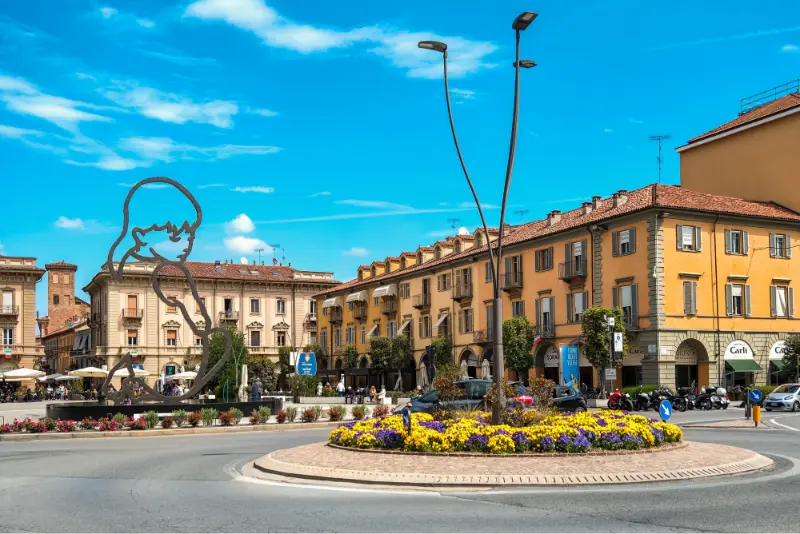
    Alba Piedmont Italy

    These plans do not require the same season or transport arrangements. A car can be a burden in central Turin but useful among vineyards; a high mountain road that is easy in summer may be impractical in winter. With only three days, choose one area and get to know it. With a week, Turin plus the Langhe or Turin plus a lake is a balanced introduction. With ten to fourteen days, a sequence linking city, hills and water becomes realistic if you spend multiple nights at each stop.

    Turin: museums, royal squares and an unexpectedly relaxed rhythm

    Turin has a formal elegance that differs from the southern Italian image of narrow streets and crowded piazzas. Broad avenues, long arcades, the Po River and carefully planned squares frame its historic center. Piazza Castello and Piazza San Carlo make useful starting points for a walking route. The Mole Antonelliana is the city’s unmistakable landmark and is associated with the National Cinema Museum, while the Egyptian Museum deserves dedicated time rather than being squeezed into the last hour of a busy day.

    Explore this part of the journey in more detail with Turin Travel Guide, Where to Stay in Turin and Venaria Reale Guide.

    Plan at least two days if you care about museums. Royal residences and the city’s Savoy history broaden the itinerary, as do neighborhoods where cafes, independent businesses and everyday life are more prominent than grand monuments. In the evening, it is worth choosing one area and staying there rather than crossing the city to complete a sightseeing list. Some museum visits and panoramic experiences involve timed admission, so verify current booking rules. Turin’s public transport and rail connections make it a logical car-free start before heading into the countryside.

    The Langhe: wine hills, villages and long lunches

    The Langhe are often reduced to vineyards and a photograph of a hilltop town. The landscape is richer than that: roads thread between cultivated slopes, farmhouses, castles, wooded areas and villages with distinct identities. Alba is one of the most useful bases, with shops and restaurants alongside a historic center. Barolo and Barbaresco are famous wine names, but their small villages deserve unhurried visits even for people who do not drink. La Morra is known for broad views over the surrounding hills, and towns such as Monforte d’Alba offer a quieter rhythm.

    Explore this part of the journey in more detail with Langhe Travel Guide, Langhe Wine Tasting Guide and Alba White Truffle Season Guide.

    Wine tastings are not always walk-in experiences. Many producers operate by appointment, and some are reached only on narrow rural roads. Book a small number of meaningful visits and allow enough time between them to enjoy the landscape and lunch. A tasting itinerary becomes unsafe if the driver drinks, so arrange a local driver or join an organized experience. Restaurants can be busy in harvest season, particularly on weekends. The region’s cuisine includes rich pasta dishes and seasonal specialties; menus may change considerably across the year. Choose a convenient countryside base rather than trying to return to Turin after an elaborate dinner.

    Roero and Monferrato: alternatives to the busiest vineyard stops

    Roero, north of Alba, offers wooded hills, villages and vineyards that can make an excellent complement to the Langhe. The textures of the landscape feel a little different, and the area is appealing for travelers who want to mix a scenic drive with small walks and local food. Monferrato stretches across another broad part of southern Piedmont and adds historic towns, rolling hills and wine country without requiring every stop to revolve around the best-known names.

    Explore this part of the journey in more detail with Roero Travel Guide and Monferrato Travel Guide.

    The challenge is deciding how much you can genuinely see. If you have one full day beyond Alba, choose a compact loop and two or three destinations, not a sequence of eight villages. Parking, lunch and time inside a historic center all take longer than a map suggests. In wet weather, some rural footpaths become slippery and vineyard roads may be less pleasant for relaxed sightseeing. Consider these regions as places to stay rather than merely photograph. A small hotel or agriturismo can provide the easiest way to experience the area after day visitors have left.

    Lake Maggiore: elegant towns and the practical side of boat travel

    Lake Maggiore stretches across regional and national boundaries; the Piedmont shore includes towns such as Stresa and Baveno, with access to lake excursions. Gardens, lakeside promenades and boats create a very different trip from Turin or the vineyards. Many visitors are drawn to the Borromean Islands, but boat services, island openings and gardens’ schedules must be checked for the specific season. A short visit can be lovely, yet it is worth allowing time for an unplanned walk or an afternoon beside the water.

    Explore this part of the journey in more detail with Lake Maggiore Piedmont Travel Guide and Stresa Travel Guide.

    Rail is useful for reaching some towns, though stations are not always next to the exact harbor or accommodation you need. For boat excursions, confirm the return service before departing and take weather disruptions seriously. Accommodation with a lake view may be expensive in peak periods; a room a few streets inland can offer better value without changing the basic experience. Lake Maggiore also works for travelers who prefer gentle activity, but steep streets and uphill lodging can be challenging for anyone with mobility concerns.

    Lake Orta: a smaller lake with an intimate atmosphere

    Lake Orta is often chosen by travelers who want a quieter waterfront and a village-focused stay. Orta San Giulio has narrow lanes, a graceful square and views toward the island of San Giulio. It is appealing as a day trip, but staying overnight allows for an easier pace and time along the lakeside without constantly watching the clock. The setting is romantic in the broad sense: stone streets, water, distant hills and small restaurants rather than dramatic resort-scale attractions.

    Explore this part of the journey in more detail with Lake Orta and Orta San Giulio Guide.

    For a car-free visit, examine the route from the nearest practical station to your actual lodging; an itinerary involving a taxi or a local bus may be necessary. Parking restrictions near the historic center also matter if you drive. Do not try to combine every part of Lake Orta and Lake Maggiore in one rushed day: they have different personalities, and each deserves a little attention. Check boat schedules and site access individually, especially outside the main visitor season.

    The Alps and Val di Susa: mountains beyond skiing

    The western Alps make Piedmont appealing to hikers, winter sports travelers and visitors interested in historic routes across the mountains. The Val di Susa is one logical area to consider, combining valley towns, mountain scenery and cultural sites. Susa itself has Roman and medieval traces, while areas farther into the valley introduce a different alpine environment. Some resorts connect to wider ski networks, but lift passes, operating dates and resort transport differ. Verify the exact base and mountain activity rather than booking under the generic idea of ‘the Piedmont Alps’.

    Explore this part of the journey in more detail with Val di Susa Travel Guide and Sacra di San Michele Guide.

    Hiking plans deserve the same care. Distance on a map does not reveal elevation gain, weather exposure or the presence of snow at altitude. Look for official route descriptions, ask locally about trail conditions and bring appropriate footwear even on a short excursion. Not all valleys have frequent public buses, particularly at weekends or between seasons. If you rely on transit, confirm the final return departure before setting out. Travelers interested in quieter mountain villages may prefer a longer stay in one valley, allowing bad-weather days to become part of the experience rather than forcing a hazardous excursion.

    Cuneo and the southern valleys: a slower circuit

    Cuneo is a practical gateway to southwestern Piedmont. The city’s arcaded streets and broad squares provide a comfortable base, while nearby valleys offer outdoor activities and village excursions. It suits travelers who like having a real town to return to at night after exploring countryside or foothills. Rather than treating Cuneo as another stop between Turin and the vineyards, consider two nights if you want to see the surrounding area.

    Explore this part of the journey in more detail with Cuneo Travel Guide and Val Maira Travel Guide.

    Public transit can work for central Cuneo, but a car often gives more freedom in rural valleys. Winter road conditions, seasonal accommodation and village opening hours should shape your plans. Some high roads may not be viable outside warmer months. Even in summer, allow driving time for narrow valley roads and frequent stops. A picnic and a short signed walk may be more rewarding than attempting to reach several distant passes. Always check local weather and current road notices for journeys beyond the main routes.

    Food and wine: what to try without overplanning meals

    Piedmont’s cuisine is closely connected to its climate, agricultural traditions and wine regions. Agnolotti, tajarin, vitello tonnato, regional cheeses and hazelnut-based sweets are among dishes or ingredients travelers will encounter. Truffles are strongly associated with certain areas and seasons, particularly around Alba, but availability and price fluctuate. A menu that promises a lavish truffle experience throughout the year deserves careful reading. Regional wines are part of the cultural story, even if you choose not to drink them.

    For the most enjoyable meals, leave time to explore local restaurants outside a packed tasting circuit. A neighborhood lunch in Turin, a village trattoria in the Langhe and a lakeside dinner offer three different settings without requiring an expensive reservation every time. If you have dietary requirements, ask directly about ingredients, because traditional fillings, sauces and desserts may contain common allergens. Market hours vary and some shops close for a midday break. Bring curiosity but not an obligation to consume every famous specialty in one weekend.

    Where to stay: match the accommodation to your route

    Turin is the simplest base for a short cultural stay or a trip using frequent trains. Staying within or near the central districts reduces the need for taxis after dinner and makes museums easier to combine. Alba is often a convenient base for the Langhe, while rural accommodation may be a better choice if you have a car and want countryside evenings. Stresa, Baveno or another lake town can anchor a water-focused visit; for Lake Orta, choose accommodation based on actual walking access to the waterfront rather than the map distance alone.

    In mountain areas, pick the valley before choosing the hotel. A property advertised as close to the Alps can still be far from the lift or trailhead you want. Look for transparent parking, heating, accessibility and meal arrangements. Rural restaurants may require a drive, which is particularly relevant after wine tastings. Travelers without cars should pay close attention to transit frequency outside large towns. Moving between a city, a lake and a vineyard area can be worthwhile, but two or three carefully selected bases are normally enough for a first visit.

    Getting around and arriving in Piedmont

    Turin has useful connections to Milan and other Italian cities by rail, and regional lines reach several towns across Piedmont. The railway is best for Turin and certain lake or city stops, while buses and arranged transfers become necessary elsewhere. Before assuming a vineyard village is accessible by public transport, check the final stretch from the nearest station, not just the first long-distance journey. Some rural routes operate infrequently and may not align with a late dinner or a winery appointment.

    A rental car is valuable for flexible exploration of the Langhe, Roero, Monferrato and remote valleys. It is less appealing for Turin’s historic core, where parking and ZTL rules complicate navigation. Rural roads are generally manageable for confident drivers, but take your time on narrow approaches and allow space for farm vehicles. In winter, understand the road requirements and carry suitable equipment where necessary. If the itinerary includes wine tastings, plan transportation before confirming appointments. The convenience of a car should never become a reason to drive after drinking.

    When to go: cities, vineyards, lakes and mountain seasons

    Spring and early fall are often appealing for a mixed Turin-and-countryside vacation. The weather can be pleasant for city walking and scenic drives, though showers are possible. Autumn is particularly associated with food and harvest traditions, and popular weekends in wine areas can be busy and expensive. Book lodging and special meals ahead if they are central to your visit. Summer is an obvious season for lakes and mountain hiking, but hot spells can make lowland sightseeing tiring during the middle of the day.

    Winter creates another Piedmont: museum days in Turin, mountain resorts for snow activities and quieter lake towns with limited boat or garden schedules. Do not assume summer excursions operate in winter. Mountain conditions change with elevation, and some trails or passes may be snow-covered long after the plains feel warm. A flexible day reserved for weather changes is especially useful if the main purpose of the trip is hiking or photography rather than indoor sights.

    One week in Piedmont: a plan with enough breathing room

    Spend the first three nights in Turin. Use two full days for the city’s museums, royal squares and neighborhoods, leaving room for slow meals. On the fourth morning, move toward Alba or another Langhe base. Give days four and five to a compact set of villages and one or two planned food or wine experiences. Resist making both days identical tasting marathons; include a scenic walk, local market or relaxed lunch. On day six, travel north toward a lake if you are comfortable with the transfer, or remain in the hills for another night.

    Explore this part of the journey in more detail with Piedmont Road Trip Guide and Piedmont Food Guide.

    Day seven can be a lakeside walk and boat trip before departure, but only if the transport schedule works and your return journey is not too long. With one week and no car, a simpler Turin-plus-Lake Maggiore route is often better than forcing the Langhe. With ten days, you can add Lake Orta or a short mountain stay. The important decision is not how many regions-within-the-region you can list, but whether you will have time to enjoy the landscapes you traveled there to see.

    Families, accessibility and a few booking priorities

    Piedmont can suit family travelers particularly well when one base is maintained for several days. Turin offers varied indoor activities if the weather changes. Lakeside walks and short boat rides may appeal to children who are less interested in long museum visits. Vineyard regions work better when you choose experiences that welcome families rather than expecting children to enjoy a full day of adult tastings. Mountain trails should be selected by actual length, terrain and ascent; a route labeled scenic is not necessarily stroller-friendly.

    Visitors requiring step-free access should verify particular museum entrances, hotels and boat boarding arrangements before travel. Historic centers can have cobbles or steep streets, and rural accommodation may have stairs despite ground-floor-looking photographs. For trustworthy updates, consult https://www.visitpiemonte.com/en, https://turismotorino.org and the official operators for trains, lakeside boats and mountain lifts. Piedmont is most memorable when the journey balances the formality of Turin with the gentler rhythms of hill villages, mountain valleys and lakes.

    Practical questions

    Do I need a car in Piedmont?

    Not for Turin and several train-accessible lakeside towns. Renting a car or arranging transfers is helpful for wineries, rural hotels and mountain villages.

    What is the best first itinerary in Piedmont?

    Three nights in Turin followed by two or three in the Langhe or at a lake offer a balanced introduction without constant moves.

    When is Piedmont best for food and wine?

    Autumn is popular for the harvest and seasonal specialties, but expect higher demand in wine areas on weekends. Spring is often pleasant for cities and scenic drives.

    Compare accommodation in Piedmont after choosing the area that suits your route.

  • Piedmont with Kids: Family-Friendly Cities, Lakes, Mountains and Easy Itineraries

    Piedmont with Kids: Family-Friendly Cities, Lakes, Mountains and Easy Itineraries

    Piedmont works especially well for families because the region offers very different days without requiring theme-park planning: interactive museums in Turin, boats and gardens on the lakes, castles and forts, easy mountain walks, panoramic trains and food experiences that children can understand immediately. The main mistake is trying to use an adult sightseeing pace. Choose one anchor activity each day and let transport, meals and outdoor breaks shape the rest.

    Quick planning overview

    Best city baseTurin for museums, parks and public transport
    Best water-based daysLake Maggiore and Lake Orta
    Best mountain approacheasy walks, lifts and family resorts rather than summit objectives
    Food advantageschocolate, gelato, hazelnuts, simple pasta and farm experiences
    Key ruleone major attraction per half-day

    Turin with children

    Turin has enough family attractions for several days; our Turin with kids guide covers the Egyptian Museum, Automobile Museum, parks and practical pacing. Large museums work better when adults choose a small number of highlights instead of reading every label.

    Use trams, buses and the metro to reduce walking fatigue, but preserve a park or café break between interiors. Chocolate and bicerin traditions can become part of the cultural experience, with age-appropriate alternatives for coffee-based drinks.

    Castles and royal residences

    Venaria Reale, Stupinigi, Masino and other residences give children a visual story of courts, hunting, gardens and architecture. Gardens are particularly useful because they allow movement after an interior visit. Avoid combining two large palaces in one day unless the children are genuinely interested.

    Check family tours or workshops on the official calendar. These programmes often change seasonally and may require booking even when normal admission does not.

    Lake Maggiore by boat

    A boat day is naturally family-friendly because transport becomes part of the attraction. Use the Borromean Islands guide to choose one or two islands rather than all possible stops. Isola Madre’s gardens and Isola Bella’s palace appeal to different attention spans.

    Alba Piedmont Italy

    Bring sun protection and a light layer for wind on the water. Keep the final ferry time visible and avoid a tight connection to a long train journey at the end of the day.

    Lake Orta at a slower pace

    Orta San Giulio is compact and works well for families who prefer a quieter lake day. The boat to Isola San Giulio is short, and the village can be explored without a long checklist. Sacro Monte adds a wooded walk for older children, but steep or cobbled surfaces can be tiring with a pushchair.

    Choose a lakeside meal early or late to avoid peak queues, and bring swim gear only if you have checked the permitted and practical bathing areas.

    Mountain days without overreaching

    Piedmont’s mountains offer family resorts, short lifts, easy paths and visitor centres. The goal should be altitude experience rather than a summit. At Sestriere, Sauze or Pragelato, select a signed easy route and turn around before children become exhausted. Weather changes faster than family pace, so start early.

    For winter, ski school can turn a family holiday into separate age-appropriate experiences. Book meeting points and equipment close together to avoid stressful mornings.

    Trains, forts and adventure activities

    The Vigezzina-Centovalli railway and other scenic transport can create a full day without much walking. Forts such as Fenestrelle are fascinating for older children, but long stair routes and guided-tour durations should be matched to attention span and fitness.

    Adventure attractions such as the Claviere Tibetan Bridge have explicit age and height rules. Never pressure a child into an exposed activity simply because they technically meet the minimum requirement.

    Food experiences families can enjoy

    Chocolate, gelato and hazelnut products are easy entry points, while the Piedmont food guide gives adults the wider regional context. Farms and cheese producers can be memorable when visits are designed for families rather than formal tastings.

    Wine-country travel with children works best when the day is not built around cellar after cellar. One adult tasting, one village walk and a farm or outdoor stop is a healthier balance.

    Where to base by age

    With toddlers, choose Turin, Stresa or another walkable base with easy food and short transfers. Primary-school children can handle two- or three-night stays in Langhe or a mountain resort if each day includes outdoor time. Teenagers may enjoy skiing, mountain biking, adventure parks and longer fort visits.

    Changing hotels every night is rarely worth it with children. Fewer bases mean less packing and more predictable sleep.

    A sample seven-day family route

    Spend three nights in Turin, with two full city days and one royal residence. Move to Lake Maggiore for two nights, using one boat day and one flexible garden or Lake Orta day. Finish with two nights in a mountain area for an easy lift-assisted walk or ski lesson depending on season.

    If wine country is a priority for the adults, substitute one lake night with two nights near Alba and keep winery visits to one well-chosen producer.

    Packing and practical health considerations

    Carry refillable water bottles, sun hats and a light waterproof layer even in summer. Mountain sun is stronger than many families expect, while lake boats can feel cool in wind. In winter, spare gloves and dry socks solve more problems than extra sightseeing plans.

    Keep medicines, snacks and a change of clothes in the day bag rather than the car boot when using boats or trains. For allergies, learn the Italian terms for the key ingredients and ask restaurants directly.

    Where to stay while using this guide

    Prioritise walkability, breakfast and family room layout over decorative style. Turin is easiest near public transport; at the lakes, being close to the ferry and promenade reduces car use; in ski resorts, proximity to ski school can save an hour of logistics each morning. Apartments help with young children but may sacrifice hotel services. Compare accommodation on Booking.com

    How to keep the plan flexible

    Every family itinerary needs a bad-weather alternative and a low-energy version. Keep one museum for a rainy lake day and one easy walk for a child who is tired of interiors. If the main activity goes exceptionally well, cancel the extra stop rather than rewarding success with another obligation.

    Useful links for planning

    Responsible travel and local context

    Teach children that vineyards, farms and mountain paths are working landscapes, not playgrounds without rules. Keep to marked paths, take rubbish away, lower noise near homes and wildlife, and use public transport or boats where practical. Family travel becomes more meaningful when children understand why a place is protected rather than simply collecting attractions.

    Final planning advice

    Piedmont with kids is easiest when variety replaces speed. Use Turin for museums, the lakes for boat days and open space, and the Alps for age-appropriate outdoor activity. One memorable anchor per half-day is enough. Fewer hotel changes, earlier meals and flexible weather plans will do more for the trip than adding another famous stop.

    Planning by age rather than by destination

    With babies and toddlers, base choice matters more than the number of attractions. Choose lift access, a supermarket, a park or promenade and accommodation where naps do not require a long transfer. Turin and Stresa are particularly easy because an adult can still do something nearby while the child rests. Preschool children usually respond best to boats, gardens, animals, short castles and hands-on museums; keep guided tours brief and avoid scheduling them at normal nap times.

    Primary-school children can handle longer museum visits when there is a clear story, such as Egyptian archaeology, cars, royal rooms or a fortress. Teenagers may prefer skiing, mountain biking, adventure bridges, shopping or food experiences where they can make choices. Give older children a role in selecting one activity or restaurant each day. Across all ages, the most successful family days alternate concentration with movement: museum then park, castle then picnic, boat then village walk. That rhythm is more important than trying to cover every famous attraction in the region.

    Planning by geographic clusters

    Piedmont rewards geographic clustering. Turin and its royal residences form one group; Langhe, Roero and Monferrato another; the northern lakes and Ossola another; the western Alpine valleys another. Put consecutive days in the same cluster and avoid crossing the region simply to add one famous stop. This reduces fuel, protects time for meals and walks, and makes the itinerary much more resilient when weather or opening hours change.

    Booking strategy

    Reserve only what has a genuine capacity or timing constraint: major museum slots, selected winery visits, popular restaurants, seasonal boats or guided mountain activities. Leave ordinary village walks and scenic drives flexible. This balance prevents the trip from becoming a chain of deadlines while still protecting the experiences that sell out first during weekends, harvest season and school holidays.

    Final pre-trip checklist

    Forty-eight hours before departure, confirm the weather, exact opening hours, transport return, parking rules and any reservation that cannot be moved. Save tickets offline and check whether a local event changes access. On the morning itself, reassess the plan rather than following it mechanically. This simple review is particularly important in Piedmont because a city museum, vineyard road, lake ferry and Alpine lift each respond to different seasonal and operational conditions.

  • Getting Around Piedmont: Trains, Cars, Buses, Ferries and Mountain Transport

    Getting Around Piedmont: Trains, Cars, Buses, Ferries and Mountain Transport

    Getting around Piedmont is easiest when you stop asking whether the region is “good by public transport” and instead match the transport mode to each landscape. Turin and the main rail corridors are straightforward without a car; Langhe villages and remote valleys are much easier with one; Lake Maggiore often works best by combining train and boat; ski resorts depend on seasonal buses, shuttles and lift networks. A mixed-mode trip is usually better than using one vehicle for everything.

    Quick planning overview

    Best without a carTurin, major rail cities, Stresa and some lake itineraries
    Where a car helps mostLanghe/Monferrato villages, Cuneo valleys and remote trailheads
    Key northern toolLake Maggiore ferries
    Key Alpine rail hubOulx for Upper Susa resorts
    Main planning rulecheck the final connection, not just the long-distance train

    Trains for Turin and major cities

    Turin is the natural public-transport anchor. Porta Susa and Porta Nuova connect the city with Milan and regional destinations. Trains are also useful for towns such as Asti, Vercelli, Novara and parts of the Cuneo network. The limitation appears after the station: a winery, castle or mountain trailhead may still require a bus or taxi.

    When comparing train journeys, look at the actual station used, not just the town name. Regional trains can be frequent on main corridors but much thinner in evenings and on Sundays.

    Turin urban transport

    Within Turin, metro, tram and bus networks reduce the need for a car. Our Turin public transport guide explains tickets and tourist planning in more detail. Walking is still important because many central attractions lie close together.

    A rental car becomes a burden in the city centre due to parking and limited-traffic zones. If your trip starts in Turin, collect the car only when leaving for rural Piedmont.

    Driving in Langhe and Monferrato

    Wine country is the clearest case for a car. Villages, wineries and viewpoints sit on a dense network of rural roads where buses do not match tourist tasting schedules. Use a compact vehicle and park outside old centres rather than forcing the car into narrow lanes.

    Alba Piedmont Italy

    The major safety issue is alcohol. A road trip and a tasting trip are not the same thing unless one person stays sober. Book a driver, taxi or walking-distance tasting when everyone wants to participate.

    Lake Maggiore by train and ferry

    Stresa, Arona and several lake towns have rail access, making a car-free trip realistic. Once at the water, ferries can be more useful than the road for island and cross-lake sightseeing. Use the Lake Maggiore guide and current Navigazione Laghi timetable.

    Boat schedules change by season. A ferry-based itinerary must be planned around the final return, not only the outbound departure. On windy or poor-weather days, keep a train-based town alternative.

    Lake Orta and smaller destinations

    Lake Orta is more compact but has fewer transport choices than the main Lake Maggiore corridor. Orta San Giulio works well on foot once you arrive, and boats connect with Isola San Giulio, but reaching the area may involve a local train station plus onward walk or taxi depending on your route.

    If combining Lake Orta with several Ossola valleys in one day, a car becomes more efficient. Otherwise, separate them into different days to avoid fragile connections.

    Buses and the last kilometre

    Regional buses are essential in mountain valleys and can make car-free travel possible, but the last departure is often the critical detail. Always check the return before setting out. Sunday, school-holiday and off-season schedules may differ from weekday patterns.

    Save the stop name and timetable offline. A bus shown on a general route planner may not run on your exact date or may stop at a valley town rather than the attraction entrance.

    Mountain resorts and Oulx

    Oulx is a key rail gateway for Sestriere, Sauze d’Oulx, Cesana, Claviere and Bardonecchia-area travel. Seasonal buses or shuttles complete the journey, while the Vialattea guide explains how lift connections change movement once you are skiing.

    In winter, road transfers can slow dramatically in snow. Staying near the lift is often worth more than having a car available every morning.

    Rental-car strategy

    Rent the smallest practical car, inspect tyres and required winter equipment, and learn the fuel type before leaving. Do not leave luggage visible at trailheads or tourist parking. Read ZTL signs rather than following navigation blindly into restricted historic centres.

    For one-way road trips, compare drop fees with the time saved. Sometimes returning the car in Turin and taking a fast train onward is simpler than driving into another major city.

    Ferries, lifts and seasonal transport

    Piedmont includes transport that is part of the experience: lake boats, mountain cableways, chairlifts and panoramic railways. These services often have the strongest seasonality. Build them only after checking the current-year timetable and weather policy.

    Never assume an old cable car still operates. For example, some mountain lift systems have had long closures or redevelopment periods. Official operator information should override old blogs and map labels.

    Where to stay while using this guide

    Choose accommodation that reduces daily transport complexity: central Turin near transit, Alba or a walkable wine town for dinner, Stresa near the station and ferry, or a mountain resort close to the lift. A well-positioned room can replace several taxi or parking costs. Compare accommodation on Booking.com

    How to keep the plan flexible

    Create a transport hierarchy for each day: primary connection, latest safe return and backup. If the ferry is cancelled, know the rail option; if a mountain bus is missed, know whether a taxi exists. This prevents a minor timetable change from breaking the entire trip.

    Useful links for planning

    Responsible travel and local context

    Public transport and walking reduce congestion in fragile lake and mountain towns. When driving, park only in designated areas and never block farm, vineyard or emergency access. Use seasonal shuttles when authorities provide them for busy trailheads, and respect pedestrian zones rather than trying to save a few minutes by car.

    Final planning advice

    The best Piedmont transport plan is mixed: train for Turin and main corridors, car for dispersed hills and valleys, boat for lake days, and local buses or lifts where they solve the final kilometre. Check exact-date timetables and final returns, then choose accommodation that reduces the number of transfers you need to make.

    Useful transport combinations for real itineraries

    A practical car-free first trip could use a fast train to Turin, regional rail to Asti or Vercelli, train to Stresa and ferries on Lake Maggiore, then return by rail. A mixed trip might keep the first three days entirely public-transport based in Turin, collect a rental car for Langhe and Monferrato, return it in Turin, and then take the train north to the lakes. That pattern prevents paying for a parked car in cities while still giving freedom where rural buses are least convenient.

    For the western Alps, train to Oulx plus a resort bus can work well if you stay in one place, whereas a car becomes more useful for combining forts, villages and trailheads across Val di Susa. In Cuneo province, rail reaches the main towns but remote valleys usually require buses with limited frequency or a car. Around Ossola, rail to Domodossola combines effectively with the Vigezzina-Centovalli line, while Val Formazza and Macugnaga require onward road transport. Build every itinerary from the hardest final segment backward rather than from the easiest mainline train.

    Tickets, apps and offline backups

    Digital tickets are convenient, but transport days should not depend on a single phone screen. Keep confirmation emails, QR codes and the exact train, bus or ferry operator saved offline. Battery drain is faster in winter cold and navigation can consume power in rural areas. Where a ticket requires validation, follow the operator’s current rules rather than assuming every digital product behaves like a paper ticket. If a journey involves separate companies, allow a realistic connection margin because a missed onward bus may have a much longer wait than a missed urban tram.

    Planning by geographic clusters

    Piedmont rewards geographic clustering. Turin and its royal residences form one group; Langhe, Roero and Monferrato another; the northern lakes and Ossola another; the western Alpine valleys another. Put consecutive days in the same cluster and avoid crossing the region simply to add one famous stop. This reduces fuel, protects time for meals and walks, and makes the itinerary much more resilient when weather or opening hours change.

    Booking strategy

    Reserve only what has a genuine capacity or timing constraint: major museum slots, selected winery visits, popular restaurants, seasonal boats or guided mountain activities. Leave ordinary village walks and scenic drives flexible. This balance prevents the trip from becoming a chain of deadlines while still protecting the experiences that sell out first during weekends, harvest season and school holidays.

  • Best Time to Visit Piedmont: Weather, Seasons, Wine Harvest, Lakes and Skiing

    Best Time to Visit Piedmont: Weather, Seasons, Wine Harvest, Lakes and Skiing

    There is no single best month for Piedmont because the region changes dramatically between Turin, vineyard hills, lakes and the Alps. Spring suits gardens and city trips, summer favours high mountain hiking, autumn brings harvest and white-truffle season, and winter is the natural choice for skiing. The right time depends on which landscape is the reason for your trip and how much crowd, heat or weather uncertainty you are willing to accept.

    Quick planning overview

    Best all-round periodsMay–June and September–October
    Best for wine and trufflesSeptember–November, with peak demand in autumn weekends
    Best for high hikingJuly–September, weather permitting
    Best for skiingroughly December–April depending on resort and snow
    Best for gardens/lakesspring through early autumn, aligned with ferry and garden seasons

    March and April: cities, early spring and variable mountains

    Turin and lower-elevation towns can be pleasant in early spring, but the mountains remain winter environments and many high hiking routes are still snow-covered. Lake gardens begin their seasonal cycles, although ferry and attraction timetables may not yet be at summer frequency.

    Easter can increase demand in cultural destinations. Pack layers and waterproof clothing because large temperature swings are normal between sunny afternoons and cold mornings.

    May and June: one of the best balanced periods

    Late spring is excellent for combining Turin, Langhe, Monferrato and the lakes. Vineyards are green, days are long and temperatures are usually more comfortable for walking than midsummer. High Alpine routes may still hold snow in May, so a multi-landscape itinerary should keep mountain plans flexible.

    June is especially useful for road trips because most seasonal services are returning while peak July–August holiday pressure has not fully arrived. Thunderstorms become a consideration, particularly in the mountains.

    July and August: mountains first, cities strategically

    High-altitude hiking, mountain biking and Alpine resorts are strongest in midsummer, with the broadest lift and hut operation. Lake towns are lively and boat services frequent, but weekends can be crowded. Turin can be hot, so plan museums in the warmest hours and city walks early or late.

    Alba Piedmont Italy

    August includes the Ferragosto holiday period, when some urban businesses close while mountain and lake destinations are extremely busy. Reserve accommodation and major activities well ahead.

    September: harvest, hiking and balanced temperatures

    September is one of the most versatile months. Vineyard areas enter harvest season, the lakes remain attractive, and early September often supports excellent mountain hiking. Days shorten, however, and high-altitude weather can change quickly later in the month.

    Wine regions become busier around harvest events. If winery visits are central, reserve in advance and understand that working producers may have limited visitor capacity during the busiest agricultural weeks.

    October and November: truffles, colour and shorter days

    Autumn is peak cultural-food season in the Langhe, especially around the events described in our white truffle guide. Vineyard colours can be spectacular, but popular weekends around Alba and Barolo need early accommodation and restaurant reservations.

    By November, mountain services reduce sharply and snow may arrive at altitude. City museums and food-focused trips remain strong, while lake gardens and ferries move toward winter schedules.

    December to February: skiing, Christmas and indoor culture

    Winter brings the ski season in areas such as Sestriere, Sauze and Bardonecchia; use the Vialattea ski guide for current 2026/27 planning. Turin is attractive for museums, cafés and Christmas atmosphere, while the wine hills become quieter outside holiday weekends.

    Snow should never be assumed at low elevation. If winter scenery is essential, stay in a mountain resort rather than booking a low hill town based on romantic expectations.

    Lake Maggiore and Lake Orta seasons

    For the lakes, align your dates with ferry timetables and seasonal gardens using the Lake Maggiore guide. Spring brings flowers, summer supports boat-heavy itineraries and early autumn often combines mild days with fewer peak-season groups.

    Winter lake trips can be peaceful but are a different product, with reduced boat schedules and some attractions closed. Build the day around towns and viewpoints rather than island hopping.

    Choosing dates by trip style

    First-time cultural travellers can favour May, June, September or October. Ski travellers should choose winter based on resort altitude and booking flexibility. Serious hikers should favour July through September and remain weather-aware. Food travellers may deliberately accept autumn crowds for truffles and harvest experiences.

    Families tied to school holidays can make July and August work by spending more time in mountains and lakes and planning Turin at a slower pace.

    Events versus ordinary travel

    Major events can be the reason to travel, but they also change hotel prices, parking and restaurant availability. Palio weekends, truffle fairs, ski races and festivals should be treated as event trips with earlier booking. If you do not care about the event, shifting by one week can improve value and reduce logistical friction.

    Always verify exact annual dates on official sites rather than relying on last year’s calendar.

    Where to stay while using this guide

    Match the accommodation style to the season: city hotels in winter and shoulder season, agriturismi during vineyard periods, lake towns when ferries and gardens are active, and mountain resorts when lifts or trails are the purpose of the trip. Booking cancellable rooms can be useful for weather-sensitive mountain plans. Compare accommodation on Booking.com

    How to keep the plan flexible

    Keep mountain days movable within the itinerary and reserve indoor city or winery activities for poor-weather alternatives. In autumn, do the opposite for truffle events: fixed tickets may determine the day, so place flexible scenic drives around them.

    Useful links for planning

    Responsible travel and local context

    Seasonal travel affects local communities differently. Respect harvest work in vineyards, avoid damaging muddy trails in spring, follow fire restrictions in dry summers and obey winter avalanche closures. Visiting outside peak periods can support local businesses, but only when services are actually open; check before expecting small mountain or lake towns to operate at August levels.

    Final planning advice

    For the widest variety with moderate conditions, late spring and early autumn are the safest all-round choices. But Piedmont is better understood by purpose: winter for skiing, summer for high mountains, autumn for wine and truffles, spring for gardens and cultural road trips. Choose the season around the landscape you most want, then build the rest of the itinerary around it.

    Booking pressure month by month

    April and May usually need advance booking mainly around Easter, long weekends and major Turin events. June becomes busier at the lakes and in mountain gateways, while July and August require the strongest accommodation planning in Alpine resorts and lake towns. September is deceptively busy because good weather overlaps with harvest activity and late-summer events. October can be one of the hardest months for last-minute rooms and restaurants around Alba, Barolo and La Morra because truffle season, autumn foliage and wine tourism all peak together.

    November demand becomes more concentrated around weekends and food events, while many mountain services enter a quiet transition before ski opening. December splits into two very different periods: early month can be calm in cities and hills, then Christmas and New Year create peak pricing in Turin and ski resorts. January outside holiday weeks may offer better ski value, February often brings school-holiday pressure, and March is popular with skiers seeking longer daylight. Whatever the month, compare cancellation policies when weather or seasonal opening dates are central to the trip.

    Shoulder-season trade-offs

    Shoulder season is attractive only when the trip is designed around what remains open. In late March, April, November and early December, city museums and restaurants can be excellent while high-mountain lifts, hiking routes, lake gardens or small rural businesses follow reduced calendars. A lower room rate is not a bargain if the experience you travelled for is unavailable. Before booking a shoulder-season itinerary, identify three essential attractions and verify each one on an official current-year source; then keep at least one indoor alternative for weather.

    Planning by geographic clusters

    Piedmont rewards geographic clustering. Turin and its royal residences form one group; Langhe, Roero and Monferrato another; the northern lakes and Ossola another; the western Alpine valleys another. Put consecutive days in the same cluster and avoid crossing the region simply to add one famous stop. This reduces fuel, protects time for meals and walks, and makes the itinerary much more resilient when weather or opening hours change.

    Booking strategy

    Reserve only what has a genuine capacity or timing constraint: major museum slots, selected winery visits, popular restaurants, seasonal boats or guided mountain activities. Leave ordinary village walks and scenic drives flexible. This balance prevents the trip from becoming a chain of deadlines while still protecting the experiences that sell out first during weekends, harvest season and school holidays.

    Final pre-trip checklist

    Forty-eight hours before departure, confirm the weather, exact opening hours, transport return, parking rules and any reservation that cannot be moved. Save tickets offline and check whether a local event changes access. On the morning itself, reassess the plan rather than following it mechanically. This simple review is particularly important in Piedmont because a city museum, vineyard road, lake ferry and Alpine lift each respond to different seasonal and operational conditions.

  • Piedmont Food Guide: Tajarin, Agnolotti, Bagna Cauda, Truffles, Cheese and Chocolate

    Piedmont Food Guide: Tajarin, Agnolotti, Bagna Cauda, Truffles, Cheese and Chocolate

    Piedmontese food is not one cuisine but a set of local traditions shaped by royal Turin, rice-growing plains, vineyard hills and Alpine valleys. The same trip can move from bicerin and chocolate in Turin to tajarin in the Langhe, panissa around Vercelli and robust cheeses in the mountains. The best way to eat well is to understand where dishes belong and to order seasonally rather than hunting a fixed list in every town.

    Quick planning overview

    Signature pastatajarin and agnolotti del plin
    Cold-season classicbagna cauda
    Autumn iconAlba white truffle
    Key productshazelnuts, cheeses, rice, chocolate and cured meats
    DrinksBarolo, Barbaresco, Barbera, Moscato, Erbaluce and vermouth

    Tajarin and agnolotti

    Tajarin are fine egg-rich noodles associated especially with the Langhe and surrounding areas. They may be served simply with butter, meat ragù or seasonal truffle. Because the pasta itself is delicate, the best versions do not need a heavy sauce. In autumn, restaurants may price truffle separately by weight, so ask before ordering if budget matters.

    Agnolotti vary across Piedmont. Agnolotti del plin are small pinched parcels strongly associated with Langhe and Monferrato. Fillings reflect household traditions and can include roasted meats or vegetables. Order them with roast juices or butter before assuming tomato sauce is the default.

    Bagna cauda and shared meals

    Bagna cauda is a warm anchovy-and-garlic preparation served with vegetables and associated with the colder months. It is social food rather than a quick starter, and restaurants may serve it only on certain days or for a minimum number of people. If you specifically want it, call ahead.

    The dish is rich and salty, so build the rest of the meal lightly. Travellers sensitive to garlic should not expect a token flavour: garlic is central to the identity of the dish.

    Alba Piedmont Italy

    White truffle season in Alba

    The Alba white truffle is one of Piedmont’s most famous seasonal products. The Alba white truffle guide explains fair planning, markets and tasting. The season is autumn rather than year-round, and supply and price vary with weather and harvest conditions.

    A restaurant should show or shave the truffle in a transparent way and explain the supplement. Simple dishes such as tajarin, eggs or fonduta are often better vehicles than elaborate recipes. Avoid buying truffle products that use vague flavouring language if you want the real seasonal ingredient.

    Cheese from the plains to the Alps

    Piedmont’s cheeses change with altitude and livestock traditions. Castelmagno is linked to Valle Grana, while toma-style cheeses appear across many Alpine valleys. Robiola has several local expressions in the hills. Rather than ordering a generic cheese board, ask the restaurant where each cheese comes from and whether it is at the ideal stage of maturation.

    If buying cheese for travel, ask about refrigeration and vacuum packing. A product that is perfect for a short drive may not be suitable for a full day in a warm car.

    Rice culture around Vercelli and Novara

    The eastern plains create a different food landscape from the wine hills. Rice fields around Vercelli and Novara underpin dishes such as panissa and regional risotti. Spring flooded paddies are visually striking, but rice culture is not just scenery: farm schedules, irrigation and harvest shape local life.

    Use the Vercelli rice fields guide to combine food with a respectful countryside route. Buy rice from established producers rather than walking into working fields for photographs.

    Hazelnuts, gianduja and chocolate

    The Langhe are closely associated with hazelnuts, while Turin is central to Piedmont’s chocolate identity. Gianduja combines chocolate and hazelnut into a flavour that appears in pralines, spreads and gelato. A good tasting compares products with different cocoa and nut proportions rather than simply buying the sweetest souvenir.

    Turin’s historic cafés add another layer with drinking chocolate, bicerin and pastries. These are best treated as a separate snack or breakfast ritual instead of forcing them after a large multi-course lunch.

    Vermouth, aperitivo and Turin

    Turin has a deep connection with vermouth and the culture of aperitivo. Modern bars may serve classic or creative versions, but the practical rule is the same: aperitivo is a pre-dinner moment, not necessarily a replacement for dinner unless the venue clearly offers a substantial food format.

    If you plan wine tasting later in the trip, use Turin to explore lower-alcohol or mixed-drink traditions carefully and stay on foot or public transport. Never combine a tasting-heavy day with driving.

    Wine and food matching by territory

    In the Langhe, use the Langhe food guide and wine routes around Barolo and Barbaresco. Monferrato adds Barbera, Ruchè, Grignolino and sparkling traditions, while Canavese introduces Erbaluce. The goal is not to memorize pairings but to taste a local wine beside the food produced in the same landscape.

    Book winery visits rather than turning up unannounced, and keep tastings limited if you are the driver. Spitting is normal and responsible during professional-style tastings.

    Markets, bakeries and simple meals

    Not every memorable Piedmont meal needs a tasting menu. Covered markets, bakeries, cheese shops and delis are useful for picnic supplies and for learning everyday products. Ask before eating purchased food at café tables, and never picnic inside vineyards without permission.

    A simple lunch also leaves room for a more substantial dinner. This pacing matters because Piedmontese menus can be multi-course and wine-focused.

    Where to stay while using this guide

    Food-focused travellers should stay at least two nights in Turin and two or three in the Langhe or Monferrato. An agriturismo can add breakfast and farm products, while a town base like Alba makes it easier to walk to dinner without driving. In mountain valleys, half-board can be practical where restaurants are scattered. Compare accommodation on Booking.com

    How to keep the plan flexible

    Build one major meal per day and keep the other flexible. Truffle availability, market days and restaurant closures can change the ideal order. Reserve destination restaurants and winery lunches, but leave room for a spontaneous market snack or bakery stop.

    Useful links for planning

    Responsible travel and local context

    Respect producers’ time by booking tastings, arrive sober and use a designated driver. Buy seasonal products from traceable sellers, avoid entering working fields or vineyards without permission, and ask how perishable food should be transported. Food tourism is most sustainable when money reaches local farms, restaurants and artisans rather than only souvenir chains.

    Final planning advice

    Use this Piedmont food guide as a map of regions rather than a list to complete. Eat tajarin in the hills, rice on the eastern plain, chocolate in Turin and mountain cheese close to where it is made. Seasonal timing matters, especially for truffles and produce, and the best meals usually come from leaving enough space in the itinerary to sit down properly.

    How to structure a Piedmontese meal

    Traditional Piedmontese meals can move through antipasti, a primo, a secondo, cheese and dessert, but visitors do not need to order every course. One of the best strategies is to share a couple of starters, choose either pasta or a main course, and leave room for a local dessert or cheese. In wine country, tasting menus may already include several small courses; ask how long the meal is expected to last before scheduling another visit. A leisurely lunch can easily occupy two hours and should be treated as an attraction in its own right.

    Menus often reflect season more than tourist expectations. Vitello tonnato and carne cruda may appear as starters, mushrooms and truffles become more important in autumn, and richer braised meats suit colder months. Ask whether dishes contain raw egg, raw meat, anchovy, nuts or unpasteurised cheese if those ingredients matter for health, pregnancy or allergy reasons. For children, simple pasta, bread, cheese and gelato are widely available, but formal restaurants may not use a separate kids’ menu. Booking an earlier table can make family dining much easier.

    Planning by geographic clusters

    Piedmont rewards geographic clustering. Turin and its royal residences form one group; Langhe, Roero and Monferrato another; the northern lakes and Ossola another; the western Alpine valleys another. Put consecutive days in the same cluster and avoid crossing the region simply to add one famous stop. This reduces fuel, protects time for meals and walks, and makes the itinerary much more resilient when weather or opening hours change.

    Booking strategy

    Reserve only what has a genuine capacity or timing constraint: major museum slots, selected winery visits, popular restaurants, seasonal boats or guided mountain activities. Leave ordinary village walks and scenic drives flexible. This balance prevents the trip from becoming a chain of deadlines while still protecting the experiences that sell out first during weekends, harvest season and school holidays.

    Final pre-trip checklist

    Forty-eight hours before departure, confirm the weather, exact opening hours, transport return, parking rules and any reservation that cannot be moved. Save tickets offline and check whether a local event changes access. On the morning itself, reassess the plan rather than following it mechanically. This simple review is particularly important in Piedmont because a city museum, vineyard road, lake ferry and Alpine lift each respond to different seasonal and operational conditions.

  • Piedmont Road Trip Guide: Turin, Langhe, Lakes, Alps and a 10-Day Route

    Piedmont Road Trip Guide: Turin, Langhe, Lakes, Alps and a 10-Day Route

    A Piedmont road trip works best when it respects the region’s geography instead of trying to connect every famous place in one loop. Turin sits on the western plain, Langhe and Monferrato spread south and east, the great lakes lie to the north, and the Alpine valleys rise along the western and northern edges. Ten days is enough to experience all four landscapes if you use a small number of bases and accept that some destinations deserve a future trip.

    Quick planning overview

    Ideal length8–12 days for Turin, wine hills, lakes and one Alpine area
    Best approach2–3 night bases rather than a different hotel every night
    Car needednot in Turin; very useful in wine country and many valleys
    Good seasonsMay–June and September–October; winter for a ski-focused version
    Core routeTurin → Langhe → northern lakes → Alpine or Canavese return

    Before renting a car

    Do not collect a rental car for the Turin city days unless you need it immediately afterward. Turin has strong rail and urban transport, while parking restrictions and ZTL rules create unnecessary risk for visitors. A sensible plan is to spend two nights in Turin, then collect the car on departure for Langhe or the mountains.

    Choose the vehicle for the narrowest part of the route, not the motorway. A compact car is easier in wine villages, historic centres and mountain parking areas. In winter, confirm tyres or chains and legal requirements before leaving the rental desk. Photograph the car and understand fuel and toll policies.

    Days 1–2: Turin

    Spend the first two days using the Turin travel guide rather than driving. One day can focus on the historic centre, Royal Museums and Egyptian Museum; the second can include Mole Antonelliana, food markets or a Savoy residence. Staying car-free lets you enjoy aperitivo and removes the need to learn Italian urban driving at the beginning of the trip.

    Alba Piedmont Italy

    If you have already visited Turin, substitute Venaria Reale or the Sacra di San Michele before heading south. Keep the first driving day short so you can learn the rental car and local road signage without pressure.

    Days 3–5: Langhe and Roero

    Base yourself around Alba, Barolo, La Morra or another village using our Langhe travel guide. Three nights allow one western Langhe day, one Barbaresco/Roero day and one flexible day for Alba, food or a pre-booked winery. This is much better than changing hotel between villages that are only a short drive apart.

    Wine tasting and driving require a deliberate plan. Use a designated driver, book a driver for the tasting day or choose accommodation within walking distance of a producer. Do not build a route around four or five wineries simply because map distances look small; cellar visits often last longer than expected and lunch is part of the experience.

    Days 6–7: Lake Maggiore and Lake Orta

    Drive north toward Stresa or another Lake Maggiore base and use the Lake Maggiore guide for boat planning. One day can focus on the Borromean Islands, where the car remains parked. Use the second day for Lake Orta and Orta San Giulio, which offers a quieter scale and works beautifully as a walking-and-boat day.

    Ferry timetables are seasonal. A road trip does not remove the need to check boat schedules, garden opening dates and island admission. Avoid driving along the lake purely to collect towns; the most memorable days often involve leaving the car unused.

    Days 8–10: choose one mountain direction

    For a western Alpine finish, choose Sestriere, Bardonecchia or Val di Susa using the Vialattea guide or Val di Susa guide. For a northern mountain finish, drive into Ossola toward Macugnaga, Val Formazza or Valle Vigezzo. Do not attempt both mountain systems in three days.

    The best choice depends on departure airport and season. Western valleys make a natural return toward Turin; Ossola works well if you are continuing toward Milan Malpensa or northern Italy. Mountain weather should remain the final decision-maker.

    A 7-day shorter version

    With one week, choose Turin for two nights, Langhe for three and either the lakes or Alps for two. Trying to include both the lakes and mountains usually creates more driving than experience. The region is large enough that a future trip can focus on the missing landscape without repeating the same cities.

    Another strong seven-day option is entirely southern Piedmont: Turin, Langhe/Roero, Asti/Monferrato and Cuneo province. This route minimises long transfers and gives a deeper food-and-wine focus.

    Driving, ZTLs and parking

    Historic Italian centres often use limited-traffic zones monitored by cameras. Never follow another car through a restricted gate assuming it is allowed. Use hotel instructions for permitted access, park outside old centres and walk. Wine villages and lake towns can fill quickly on weekends, so an early arrival is more valuable than circling for the closest space.

    Mountain roads demand additional margin. Distances that look short can include hairpins, construction, snow or cyclist traffic. Do not plan a winery reservation immediately after a high pass or long hike.

    Road-trip luggage and pace

    A road trip is easier with one medium suitcase per person than with many loose bags. Never leave valuables visible in a parked car, especially at popular trailheads or urban parking areas. Keep a day bag with documents, medicines and electronics with you.

    Two- or three-night bases also make the trip feel like a holiday rather than a logistics exercise. Use the car to connect regions, not to avoid walking once you arrive.

    Where to stay while using this guide

    Use Turin without a car, then choose one wine-country base, one lake base and one mountain base. That structure reduces packing and lets you make weather decisions locally. Farm stays work well in the hills, while lake and mountain towns are easier when you can walk to dinner after parking. Compare accommodation on Booking.com

    How to keep the plan flexible

    Keep one day uncommitted in either Langhe or the mountains. Rain may move a hike, winery availability may shift, or a ferry timetable may make another order more logical. Reserve only the experiences that truly require fixed times and leave the rest as movable blocks.

    Useful links for planning

    Responsible travel and local context

    Use designated parking, respect vineyard property and avoid stopping on narrow rural roads for photographs. In protected mountain areas, follow trail rules and seasonal wildlife restrictions. Wine tourism should never involve drinking and driving; organise a designated driver or transfer before the first tasting, not after it.

    Final planning advice

    The strongest Piedmont road trip uses contrast rather than quantity: royal Turin, vineyard hills, a lake day and one mountain landscape. Ten days is enough when you accept that the region is not a checklist. Spend fewer nights changing hotels, reserve only the time-sensitive experiences, and let weather determine the mountain portion.

    Alternative road-trip versions by interest

    A food-and-wine version can stay almost entirely south of Turin: begin with two nights in the city, move to Alba for three nights, then split the remaining time between Monferrato and Cuneo province. This keeps driving short and gives room for markets, wineries and long lunches. A lake-focused version should instead run Turin to Lake Orta and Lake Maggiore, then continue into Ossola before returning via Ivrea or the Canavese. Families may prefer that northern route because boats, gardens and scenic trains provide variety without repeated formal tastings.

    For an Alpine road trip, do not chain every western valley. Choose either Val di Susa and the Olympic Mountains or Cuneo’s valleys such as Val Maira and the Monviso area. A single mountain system gives more time for hiking and weather recovery days. Electric-car users should map charging around overnight bases and not assume a fast charger at remote trailheads. Motorcyclists should verify pass and military-road restrictions separately because routes open to cars, motorcycles, bicycles and pedestrians do not always follow the same rules.

    Planning by geographic clusters

    Piedmont rewards geographic clustering. Turin and its royal residences form one group; Langhe, Roero and Monferrato another; the northern lakes and Ossola another; the western Alpine valleys another. Put consecutive days in the same cluster and avoid crossing the region simply to add one famous stop. This reduces fuel, protects time for meals and walks, and makes the itinerary much more resilient when weather or opening hours change.

    Booking strategy

    Reserve only what has a genuine capacity or timing constraint: major museum slots, selected winery visits, popular restaurants, seasonal boats or guided mountain activities. Leave ordinary village walks and scenic drives flexible. This balance prevents the trip from becoming a chain of deadlines while still protecting the experiences that sell out first during weekends, harvest season and school holidays.

    Final pre-trip checklist

    Forty-eight hours before departure, confirm the weather, exact opening hours, transport return, parking rules and any reservation that cannot be moved. Save tickets offline and check whether a local event changes access. On the morning itself, reassess the plan rather than following it mechanically. This simple review is particularly important in Piedmont because a city museum, vineyard road, lake ferry and Alpine lift each respond to different seasonal and operational conditions.

  • Pragelato Travel Guide: Cross-Country Skiing, Val Troncea, Hiking and Olympic Heritage

    Pragelato Travel Guide: Cross-Country Skiing, Val Troncea, Hiking and Olympic Heritage

    Pragelato offers a different Piedmont mountain experience from Sestriere or Sauze d’Oulx. It is spread through traditional hamlets in Val Chisone, is closely associated with Nordic skiing and the 2006 Winter Olympics, and opens directly toward the protected landscapes of Val Troncea. It suits travellers who prefer cross-country tracks, quiet valleys and nature to a nightlife-led ski resort.

    Quick planning overview

    Best forcross-country skiing, Val Troncea, traditional hamlets and quieter mountain stays
    Olympic legacyNordic venue for Turin 2006
    Winter specialtymore than 30 km of cross-country terrain at the Olympic centre
    SummerVal Troncea hiking, mountain biking, golf and village walks
    Vialatteaconnected toward the Sestriere sector

    Why Pragelato feels different

    Pragelato is not one dense resort centre. It is a municipality of hamlets stretched along Val Chisone, with a landscape that feels more rural and traditional than purpose-built Sestriere. That creates a quieter stay but makes the exact location of accommodation important. A property in one hamlet may be ideal for Val Troncea but less convenient for a particular ski facility or restaurant.

    Travellers should therefore plan by activity, not just by the destination name. If Nordic skiing is the priority, stay near the cross-country centre. If you want repeated access toward Vialattea, check the connection and parking. For summer hiking, proximity to the Val Troncea entrance can save time at the start and end of the day.

    Cross-country skiing and Olympic heritage

    Pragelato’s strongest winter identity is Nordic skiing. The Centro Olimpico del Fondo hosted events during Turin 2006 and official tourism information describes more than 30 kilometres of cross-country tracks extending through Val Chisone toward the natural park. This is a destination where a non-downhill skier can build an entire holiday around technique, endurance and quiet winter scenery.

    Beginners should consider a lesson rather than renting skis and guessing at technique. Cross-country equipment, waxing and track etiquette differ from alpine skiing. Check which loops are prepared on the day, because snow conditions can affect lower sections differently from shaded forest routes.

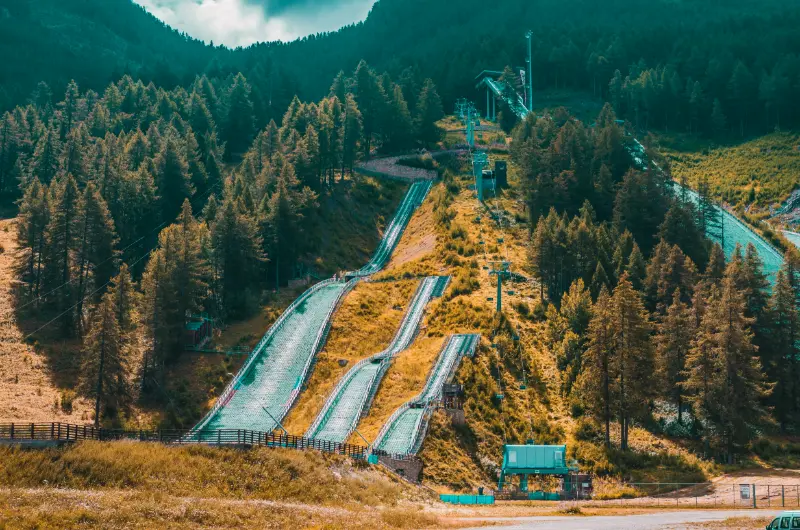
    Scenery High Hills Covered Larch Trees Trails Cloudy Sky Pragelato Italy

    Val Troncea Nature Park

    Val Troncea is the essential summer and shoulder-season reason to visit. The protected valley contains larch forests, pastures, historical mining traces and a network of paths that range from gentle valley walks to longer mountain routes. Start at the visitor information facilities and choose a route by elevation gain, not only distance.

    In summer 2026 a free reservation-only shuttle operated on selected days between Pragelato and points in Val Troncea, with only eight seats per departure. That is a good example of why current logistics matter: a service may exist but be too limited to rely on without booking. Future visitors should check the latest park and tourism notices before arrival.

    Walking the hamlets and local culture

    A slower day should include the hamlets themselves. Traditional architecture, fountains, chapels and the pattern of old settlement along the valley tell a different story from the Olympic venues. Local museums such as Casa degli Escartons and the Museum of Alpine Costume and Traditions help explain the region’s historical autonomy, craft and mountain life when they are open.

    Museum hours in small mountain communities can be limited or tied to guided visits. Treat them as pre-planned anchors rather than casual drop-ins. If an interior is closed, the hamlet walk still works as a cultural layer between outdoor activities.

    Golf, cycling and summer sport

    Pragelato’s summer offer includes a nine-hole mountain golf course at around 1,600 metres near the entrance to Val Troncea. The same valley floor is useful for cycling, horse riding and easier walks. Because the resort is less urban than Sestriere, summer days feel spacious, but services are also more distributed; carry water and know where your next food stop is.

    Mountain-bike riders should distinguish signed cycle routes from hiking trails and protected areas where bike access may be restricted. When using a shared path, slow for walkers and livestock and avoid riding muddy trails after heavy rain.

    Using Pragelato with Sestriere

    Pragelato and Sestriere complement each other. The Sestriere guide covers the higher resort’s alpine skiing and facilities, while Pragelato is stronger for Nordic skiing, nature and traditional hamlets. A split stay can work, but for three or four nights it is often simpler to choose one base and make day trips.

    In winter, verify the current lift connection rather than assuming every route shown on a large-area map is operating. In summer, the drive between the two is straightforward in good weather, but high-altitude conditions can still change rapidly.

    Getting there and moving around

    Pragelato is easiest by road, with public transport connecting through the broader Val Chisone and Upper Susa network depending on season. If arriving by train, you will usually need a bus transfer from a larger valley hub. Check evening services carefully; a late restaurant reservation in another resort can become awkward without a car.

    Drivers should account for winter equipment rules and snow in the final valley sections. Once in Pragelato, some activities can be reached on foot or by short local transfer, but the municipality is spread out. In summer, park only in designated areas at trailheads and use any shuttle system when local authorities introduce traffic controls.

    Where to stay

    Choose a hamlet close to your primary activity rather than simply the cheapest room. Cross-country skiers benefit from proximity to the Nordic centre; hikers may prefer access toward Val Troncea; travellers seeking more restaurants and nightlife may be happier nearer Sestriere. Confirm whether breakfast and dinner are available in quieter accommodation outside peak season. Compare accommodation on Booking.com

    Best time to visit

    Winter is ideal for Nordic sport and snow landscapes; summer is best for Val Troncea hiking and outdoor activities. Late June through September normally offers the most reliable trail access, although afternoon storms and early autumn cold remain possible. Spring can be a difficult transition period, with snow at altitude and mud lower down.

    Food, evenings and mountain rhythm

    Pragelato is suited to unhurried mountain meals rather than restaurant hopping. Look for local cheeses, polenta, soups and Piedmontese dishes, but let individual restaurants define their menus. Reserve dinner during holiday weeks and check closing days in summer. On long hikes, carry enough food to remain independent of huts whose operating calendar may be shorter than expected.

    Families, beginners and accessibility

    Families can combine snow play, beginner Nordic skiing, easy Val Troncea walks and visitor-centre activities. The spread-out hamlets mean that a car or well-chosen accommodation can simplify logistics. A child carrier is more useful than a pushchair on natural trails. Travellers with mobility needs should contact the Nordic centre, park visitor facilities and hotel directly because surfaces and snow conditions affect accessibility.

    A realistic one-day plan

    In winter, book a morning Nordic lesson or ski a prepared loop, take lunch near the village, then spend the afternoon on an easier trail or in a cultural site if open. In summer, enter Val Troncea early, complete the main walk before afternoon heat or storms, then return for a hamlet walk and dinner. Do not turn the day into a race between Pragelato and Sestriere; each deserves its own rhythm.

    Budget and reservations

    Nordic skiing can be less expensive than a full alpine-ski holiday, but equipment rental, lessons and accommodation still matter. Summer hiking is largely low-cost, while golf, guided activities and transport add extras. Reserve limited-capacity shuttles or guided park activities early. Accommodation may be better value than higher resorts, especially for travellers who do not need nightlife outside the door.

    Useful links for planning

    • Official visitor information — Official tourism information presents Pragelato as a major Nordic-ski destination linked to Vialattea and as the gateway to hiking and nature in Val Troncea.
    • Sestriere travel guide
    • Usseaux and Val Chisone guide
    • Forte di Fenestrelle guide

    Practical mountain safety

    Cross-country skiing still requires attention to cold, fatigue and changing track conditions. In Val Troncea, choose routes appropriate to the group, carry a map or offline track and turn around before weather deteriorates. Protected areas have rules designed to limit disturbance to wildlife; stay on permitted routes, keep dogs under the required control and respect seasonal closures.

    Common planning mistakes

    • Booking a room without checking which Pragelato hamlet it is in.
    • Assuming Nordic tracks and alpine lifts follow the same opening status.
    • Relying on a small-capacity summer shuttle without reserving.
    • Planning a long Val Troncea hike with no weather turnaround point.
    • Expecting Sestriere-style nightlife in a destination whose strength is quieter mountain culture.

    Final planning advice

    Pragelato is one of the best choices in Piedmont for travellers who want an Alpine holiday built around nature rather than resort spectacle. Its Olympic Nordic heritage gives winter a clear identity, while Val Troncea makes summer equally convincing. Choose the right hamlet, verify seasonal transport and track status, and give the valley enough time to be more than a side trip from Sestriere.

    Planning for changing conditions

    Mountain resorts operate through weather, snow, road and lift conditions that can change after an article is published. Recheck the official bulletin on the morning of any ski, lift-assisted hike or exposed activity. Save the key phone numbers and ticket confirmations offline, because reception can weaken inside valleys and stone buildings. If the planned high-altitude activity is cancelled, switch to a village walk, cultural stop or lower-elevation route rather than trying to force an alternative summit into the same day.

    What to pack

    For winter, pack eye protection, sunscreen, warm gloves and a spare dry layer even if you rent the main ski equipment. For summer, carry water, sun protection, a light insulating layer and waterproof shell. Trail shoes are a better default than fashion trainers on mountain paths. A small power bank helps because cold temperatures and navigation apps drain phone batteries faster than expected.

  • Bardonecchia Travel Guide: Skiing, Hiking, Alpine Valleys and Practical Planning

    Bardonecchia Travel Guide: Skiing, Hiking, Alpine Valleys and Practical Planning

    Bardonecchia is a year-round Alpine town near the French border, known for skiing, the Turin 2006 Winter Olympics and a broad network of hiking and mountain-bike routes. Unlike a purely purpose-built resort, it has a permanent town centre and several side valleys, making it useful for travellers who want outdoor activities without spending every hour on ski infrastructure.

    Quick planning overview

    Best forskiing, hiking, mountain biking and rail-accessible Alps
    Olympic legacyhosted snowboard events during Turin 2006
    Landscapesurrounded by peaks exceeding 3,000 metres
    Summerhiking, military roads and mountain biking
    Transport strengthrail access makes car-free trips realistic

    Why choose Bardonecchia

    The town combines resort services with a genuine year-round settlement. That makes it easier to mix sport with cafés, shops and slower afternoons. It is particularly attractive to travellers coming from Turin by train, because the railway reduces dependence on mountain driving. Families and mixed-ability groups can also separate activities more easily than in a tiny ski-only base.

    Skiing strategy

    Bardonecchia’s ski offer is spread across separate sectors rather than functioning exactly like Vialattea. Check the current lift map, operating areas and shuttle arrangements before choosing accommodation. Snow conditions differ by exposure and altitude, and not every lift needs to open for the resort to provide a good ski day. Beginners should prioritise ski-school meeting points and gentle terrain over headline kilometres.

    Turin 2006 legacy

    Bardonecchia hosted snowboard competitions during the 2006 Winter Olympics, an event that reinforced its international winter-sport profile. The legacy is useful context rather than a reason to expect an Olympic museum at every corner. Look at the terrain and facilities as part of a living sports town that continues to adapt to changing winter and summer tourism.

    Summer hiking

    Official tourism information highlights routes toward places such as Val Fredda, Tre Croci, Sommeiller and other high mountain areas. Difficulty varies enormously. Some military roads are long and exposed, and high routes can retain snow well into summer. Use current trail conditions and weather forecasts, and start early when afternoon thunderstorms are possible.

    Bardonecchia Area Piedmont Region Italian Alps Bridge River Alpine Forest Italy

    Mountain biking and old military roads

    Bardonecchia is particularly interesting for riders because historic military tracks create long high-altitude itineraries. These routes demand more than normal city cycling: surface, exposure, altitude and changing weather all matter. Rent an appropriate bike, carry repair essentials and respect any seasonal closures. E-bikes reduce effort but do not remove technical risk on loose surfaces.

    Family activities and non-ski days

    A good mountain holiday needs alternatives for poor-weather or rest days. Bardonecchia promotes activities beyond skiing, including family attractions and winter walks. Check seasonal operation rather than promising children a specific ride before confirming it is open. A café morning followed by a short snow walk can be a better recovery day than forcing another full ski session.

    Getting there from Turin

    The railway is one of Bardonecchia’s biggest advantages. Direct or connecting regional services make a car-free trip possible, though schedules and engineering works should be checked before travel. If driving, winter tyres or chains may be required and motorway/tunnel traffic can affect journey times near holiday changeover periods.

    Best time to visit

    Bardonecchia Travel Guide changes more dramatically by season than a city destination. Winter planning should begin with snow, lift status and road conditions, while summer planning should begin with trail access, thunderstorms and which lifts or mountain facilities are actually operating. Shoulder seasons can be peaceful but are also when the greatest number of restaurants, lifts and visitor services may be closed. Treat live operational information as part of the itinerary, not as something to check after arrival.

    Getting there and getting around

    From Turin, compare rail or bus travel with the true door-to-door time of driving. Public transport is often the better choice for a single town, while a car becomes more useful when the day includes several valleys or trailheads. Mountain timetables are usually thinner in the evening and on Sundays, so check the return before setting out. Drivers should park in designated areas and avoid sending a large vehicle into historic lanes simply because navigation software shows a route.

    Where to stay

    For a one-day visit, Turin can remain your base. Stay locally when you want an early hiking start, a relaxed dinner or more than one nearby attraction without repeating the drive. Before booking, check parking, late check-in, breakfast times and the actual distance to the centre or lift area rather than relying on a broad map label. Compare accommodation on Booking.com.

    Families and accessibility

    Families should reduce the number of stops and preserve time for a playground, riverside break or easy walk. Historic fortifications and mountain paths can involve steep stairs, uneven stone and exposed edges. Travellers with limited mobility should contact major attractions directly because accessibility can vary by route and staffing. A site described as accessible may still require advance arrangements for lifts, alternative entrances or parking close to the entrance.

    Budget and reservations

    Keep fixed costs—major tickets, guided visits, transport and parking—separate from flexible spending on meals and shopping. Smaller museums and mountain attractions may accept cards but local cafés, parking machines or seasonal services can be less predictable, so carrying a modest amount of cash is sensible. If an attraction uses timed entry or guided-only access, reserve before committing to a restaurant or long drive.

    Useful links for planning

    • Official visitor information — Official tourism information describes Bardonecchia as a historic ski destination, Turin 2006 snowboard venue and year-round base for hiking, mountain biking and Alpine routes among peaks over 3,000 metres.
    • Val di Susa travel guide
    • Susa travel guide
    • Sestriere travel guide

    Common planning mistakes

    • Adding too many distant stops to the same day instead of respecting valley geography.
    • Relying on old opening hours for seasonal museums, forts, lifts or guided visits.
    • Underestimating elevation gain, mountain weather or the time required to park and walk to an entrance.
    • Driving after a wine tasting or long lunch rather than planning a safe transfer or designated driver.
    • Treating small villages and religious sites as tourist sets instead of lived-in communities.

    Final planning advice

    The best Bardonecchia travel guide is built around one or two priorities, not a maximum number of pins. Confirm the time-sensitive element the day before, keep at least thirty minutes of margin around the main visit and let the landscape determine the route. In Turin Province the difference between a smooth day and a frustrating one is often simple geography: finish one valley before crossing to another, sleep closer to the mountains when an early start matters, and leave room for an unplanned viewpoint, market or local meal.

    For photography and outdoor stops, use legal parking and marked paths even when a better angle seems only a few metres away. Historic centres, farms, vineyards and mountain roads are working environments. Keep noise low near homes, take waste away where bins are unavailable and follow temporary closures. These small choices protect both the place and the quality of future visits.

    How to structure the day

    Build your day in two halves. Use the first half for the defining sight or activity in Bardonecchia, when energy is highest and queues are usually shorter. Reserve the second half for the town centre, food, an easy walk or a nearby viewpoint. This structure also makes it easier to abandon the outdoor element if weather changes without losing the entire trip. Keep screenshots of tickets and timetables offline, because reception may weaken in mountain valleys and thick stone buildings.

    If you are continuing elsewhere in Piedmont, avoid scheduling a long transfer immediately after the final attraction. Mountain roads, weekend traffic and regional trains can all add delay. An overnight in the same valley often creates more usable sightseeing time than an early departure from Turin followed by a late return. This is especially true when the next day starts with a guided fort visit, ski lift or high-altitude hike.

    Practical details that are easy to overlook

    Check the final kilometre of the journey as carefully as the main transfer. Some attractions use parking areas below the entrance, seasonal shuttle services or pedestrian-only historic streets, and those last steps can add meaningful time. Save the exact parking or station name before departure, carry water, and keep a light layer accessible instead of buried in luggage. If you have a timed reservation, aim to reach the destination area thirty to forty-five minutes early rather than the ticket desk at the exact entry time.

    Meals also need realistic timing. Kitchens in smaller Piedmontese towns and mountain valleys may close between lunch and dinner, while weekend tables can fill quickly during local events or ski periods. A simple backup snack protects the itinerary without forcing you to eat at the first place you see. When local products are part of the experience, buy from established shops or producers and ask how cheese, chocolate, wine or other food should be stored during the rest of your journey.

    Before leaving, check whether the destination has a local event, market, religious service, road closure or temporary trail restriction on your date. Small changes can affect parking and access more than they would in a large city. Keep one alternative nearby so the day still works if weather or opening hours change unexpectedly. This flexible approach is especially useful in Piedmontese valleys, where a scenic drive, village walk or café stop can replace a closed interior without turning the trip into wasted time.

  • Sestriere Travel Guide: Skiing, Vialattea, Summer Hiking and Practical Planning

    Sestriere Travel Guide: Skiing, Vialattea, Summer Hiking and Practical Planning

    Sestriere is one of Piedmont’s best-known high-altitude resorts and a central base for the Vialattea ski area. Its purpose-built character is very different from historic Alpine villages, but the trade-off is direct access to lifts, winter services and summer outdoor activities. Planning here depends heavily on season, snow, altitude and whether your priority is skiing or exploring the wider valleys.

    Quick planning overview

    Best forskiing, high-altitude sport and easy access to Vialattea
    Winter networkVialattea, including connections across the upper valleys
    2026/27season-pass products are already published by Vialattea
    Summerhiking, cycling and high-altitude golf
    Altitude strategyallow time to acclimatise and hydrate

    Understanding Sestriere

    Sestriere was developed as a mountain resort rather than growing organically from a medieval centre. That gives it a functional layout with hotels, apartments, sports facilities and lift access close together. Travellers looking for old stone lanes may prefer nearby villages, but skiers often value exactly what Sestriere provides: altitude, infrastructure and the ability to organise several days around snow conditions without long transfers.

    Vialattea and ski planning

    Sestriere is one of the anchors of Vialattea. Before buying a pass, check which lifts and inter-area links are operating on your dates because wind and snow can affect high connections. The operator has already published 2026/27 season-pass products. Daily prices and promotional windows can change, so treat current online pricing as dynamic rather than copying an old screenshot into your budget.

    Choosing accommodation for skiing

    Slope access matters more than small differences in room price. A cheaper property that requires a daily car transfer can become inconvenient during snow or peak weekends. Check the actual walk to the lift you expect to use, ski storage, parking policy and whether breakfast begins early enough for first lifts. Families should also check ski-school meeting points before booking.

    Sestriere Famous Ski Resort Italian Alps Italy

    Summer in Sestriere

    The resort is not winter-only. Official tourism information highlights hiking, cycling and the high-altitude golf course. Summer is quieter and often better for travellers who want mountain scenery without ski crowds. Lift operation is more limited than in winter and can vary by week, so confirm summer opening days before building a walk that depends on uplift.

    Altitude and weather

    Sestriere sits above 2,000 metres, so sun exposure, dehydration and rapid weather changes deserve respect. Even fit travellers may notice altitude on the first day. Start with a moderate walk, drink regularly and carry a layer even when the valley forecast looks warm. In winter, wind can make temperatures feel much lower than the number shown on an app.

    Food and evenings

    The resort has a practical range of restaurants and bars, but peak ski weeks reward advance dinner reservations. For a more traditional village atmosphere, consider an evening or day trip elsewhere in the upper valley. Do not drive after drinking; high-altitude roads, snow and ice make even small amounts of alcohol a poor combination.

    Transport and road conditions

    Drivers reach Sestriere via mountain roads that require winter equipment in the cold season and can slow significantly during snowfall. Public-transport connections depend on the valley hubs and seasonal timetables. If arriving by rail, Oulx is an important interchange for the upper valley. Always check the final bus connection, especially on Sunday evenings and outside peak holiday weeks.

    Best time to visit

    Sestriere Travel Guide changes more dramatically by season than a city destination. Winter planning should begin with snow, lift status and road conditions, while summer planning should begin with trail access, thunderstorms and which lifts or mountain facilities are actually operating. Shoulder seasons can be peaceful but are also when the greatest number of restaurants, lifts and visitor services may be closed. Treat live operational information as part of the itinerary, not as something to check after arrival.

    Getting there and getting around

    From Turin, compare rail or bus travel with the true door-to-door time of driving. Public transport is often the better choice for a single town, while a car becomes more useful when the day includes several valleys or trailheads. Mountain timetables are usually thinner in the evening and on Sundays, so check the return before setting out. Drivers should park in designated areas and avoid sending a large vehicle into historic lanes simply because navigation software shows a route.

    Where to stay

    For a one-day visit, Turin can remain your base. Stay locally when you want an early hiking start, a relaxed dinner or more than one nearby attraction without repeating the drive. Before booking, check parking, late check-in, breakfast times and the actual distance to the centre or lift area rather than relying on a broad map label. Compare accommodation on Booking.com.

    Families and accessibility

    Families should reduce the number of stops and preserve time for a playground, riverside break or easy walk. Historic fortifications and mountain paths can involve steep stairs, uneven stone and exposed edges. Travellers with limited mobility should contact major attractions directly because accessibility can vary by route and staffing. A site described as accessible may still require advance arrangements for lifts, alternative entrances or parking close to the entrance.

    Budget and reservations

    Keep fixed costs—major tickets, guided visits, transport and parking—separate from flexible spending on meals and shopping. Smaller museums and mountain attractions may accept cards but local cafés, parking machines or seasonal services can be less predictable, so carrying a modest amount of cash is sensible. If an attraction uses timed entry or guided-only access, reserve before committing to a restaurant or long drive.

    Useful links for planning

    • Official visitor information — The official Turin tourism portal presents Sestriere as a Vialattea ski destination and highlights summer hiking, cycling and the high-altitude 18-hole golf course; Vialattea has published 2026/27 season-pass information.
    • Val di Susa travel guide
    • Susa travel guide
    • Forte di Fenestrelle guide

    Common planning mistakes

    • Adding too many distant stops to the same day instead of respecting valley geography.
    • Relying on old opening hours for seasonal museums, forts, lifts or guided visits.
    • Underestimating elevation gain, mountain weather or the time required to park and walk to an entrance.
    • Driving after a wine tasting or long lunch rather than planning a safe transfer or designated driver.
    • Treating small villages and religious sites as tourist sets instead of lived-in communities.

    Final planning advice

    The best Sestriere travel guide is built around one or two priorities, not a maximum number of pins. Confirm the time-sensitive element the day before, keep at least thirty minutes of margin around the main visit and let the landscape determine the route. In Turin Province the difference between a smooth day and a frustrating one is often simple geography: finish one valley before crossing to another, sleep closer to the mountains when an early start matters, and leave room for an unplanned viewpoint, market or local meal.

    For photography and outdoor stops, use legal parking and marked paths even when a better angle seems only a few metres away. Historic centres, farms, vineyards and mountain roads are working environments. Keep noise low near homes, take waste away where bins are unavailable and follow temporary closures. These small choices protect both the place and the quality of future visits.

    How to structure the day

    Build your day in two halves. Use the first half for the defining sight or activity in Sestriere, when energy is highest and queues are usually shorter. Reserve the second half for the town centre, food, an easy walk or a nearby viewpoint. This structure also makes it easier to abandon the outdoor element if weather changes without losing the entire trip. Keep screenshots of tickets and timetables offline, because reception may weaken in mountain valleys and thick stone buildings.

    If you are continuing elsewhere in Piedmont, avoid scheduling a long transfer immediately after the final attraction. Mountain roads, weekend traffic and regional trains can all add delay. An overnight in the same valley often creates more usable sightseeing time than an early departure from Turin followed by a late return. This is especially true when the next day starts with a guided fort visit, ski lift or high-altitude hike.

    Practical details that are easy to overlook

    Check the final kilometre of the journey as carefully as the main transfer. Some attractions use parking areas below the entrance, seasonal shuttle services or pedestrian-only historic streets, and those last steps can add meaningful time. Save the exact parking or station name before departure, carry water, and keep a light layer accessible instead of buried in luggage. If you have a timed reservation, aim to reach the destination area thirty to forty-five minutes early rather than the ticket desk at the exact entry time.

    Meals also need realistic timing. Kitchens in smaller Piedmontese towns and mountain valleys may close between lunch and dinner, while weekend tables can fill quickly during local events or ski periods. A simple backup snack protects the itinerary without forcing you to eat at the first place you see. When local products are part of the experience, buy from established shops or producers and ask how cheese, chocolate, wine or other food should be stored during the rest of your journey.

    Before leaving, check whether the destination has a local event, market, religious service, road closure or temporary trail restriction on your date. Small changes can affect parking and access more than they would in a large city. Keep one alternative nearby so the day still works if weather or opening hours change unexpectedly. This flexible approach is especially useful in Piedmontese valleys, where a scenic drive, village walk or café stop can replace a closed interior without turning the trip into wasted time.

  • Three Days Around Turin Province: Venaria, Stupinigi, Rivoli, Sacra and Val di Susa

    Three Days Around Turin Province: Venaria, Stupinigi, Rivoli, Sacra and Val di Susa

    Three days outside central Turin are enough to understand how varied the surrounding province is, but only if you group attractions geographically. This itinerary uses one day for the Savoy residences, one for contemporary art and the lower Val di Susa, and one for the Sacra plus Roman Susa rather than zigzagging across the metropolitan area.

    Quick planning overview

    Day 1Venaria Reale + Stupinigi, with a selective rather than exhaustive palace strategy
    Day 2Castello di Rivoli + Avigliana old town and lakes
    Day 3Sacra di San Michele + Susa
    Best transportcar for maximum efficiency; public transport possible with route adjustments
    Best seasonsApril–June and September–October

    Why this guide matters

    Turin’s surroundings contain UNESCO residences, contemporary art, medieval abbeys, Roman archaeology and lakes within a relatively small radius. The trap is assuming that proximity on a map means every site can be stacked into the same day. This route protects enough time for each major attraction while steadily moving west toward Val di Susa.

    To connect Three Days Around Turin Province with the rest of the destination, our Turin Travel Guide offers a broader overview of what to see and how to get around.

    Day 1 morning: Venaria Reale

    Start at Venaria near opening and focus on the Reggia, Galleria Grande and a meaningful section of the gardens. A standard palace-and-gardens visit needs roughly four hours if you want to look rather than merely pass through rooms.

    Skip Castello della Mandria on this itinerary unless it is a major priority; adding it makes Stupinigi unrealistic later in the day.

    Day 1 afternoon: Stupinigi

    After lunch, cross to the southern side of Turin for Stupinigi. The central hall and royal apartments are the core experience, with the historic garden added if open and weather permits.

    This is the itinerary’s most transfer-heavy day. If public transport makes the connection awkward, split the residences across separate trips and use the extra time for central Turin instead.

    Turin Aerial Panoramic View Italy

    Day 2 morning: Castello di Rivoli

    Begin at Castello di Rivoli when the museum opens. Give priority to the current exhibition programme and the castle architecture; add the Cerruti Collection only if you have secured an appropriate slot.

    Lunch in Rivoli’s old town before driving or continuing west. Via Fratelli Piol gives a pleasant transition from contemporary art to a more traditional Piedmontese townscape.

    Day 2 afternoon: Avigliana

    Spend the second half of the day in Avigliana. Choose either the medieval centre plus Lago Grande or one deeper nature walk around the lakes; attempting every circuit produces more walking than enjoyment.

    Stay overnight in Avigliana or Susa if possible. This positions you better for the Sacra the following morning and avoids returning to Turin just to retrace the valley.

    Day 3 morning: Sacra di San Michele

    Reach the Sacra early. Remember the roughly 800-metre uphill walk from the Croce Nera parking area before the ticket office, then allow time for the Scalone dei Morti, Portale dello Zodiaco, church and terraces.

    Do not schedule the Sacra as a one-hour stop. Access, stairs and viewpoints turn it into a substantial half-day experience even when the formal museum route is shorter.

    Day 3 afternoon: Susa

    Continue west to Susa for a completely different historical layer. Walk between the Arch of Augustus, Porta Savoia, Roman remains, cathedral and castle area rather than driving short distances around town.

    Finish with a local meal or pastry before returning to Turin. If you have another night, Susa is also a logical base for continuing into the upper valley the next morning.

    Public-transport version

    Without a car, Venaria and Rivoli can be visited from Turin on separate public-transport outings, while Avigliana and Susa benefit from the rail line. Stupinigi and the Sacra require more careful connection planning.

    Do not force the exact car itinerary onto public transport. A better car-free version may use four shorter days or omit one suburban residence.

    Where to sleep

    Night 1 can remain in Turin. For night 2, Avigliana gives lake atmosphere and easy lower-valley access, while Susa reduces the next day’s driving and adds evening time in the historic centre.

    Travellers who dislike changing hotels can stay in Turin throughout, but should expect more commuting and earlier starts.

    How much time to allow

    Three full days are required; do not count arrival or departure half-days. If you have only two days, choose either the Savoy residences or Val di Susa rather than compressing both.

    Each day has one major anchor and one secondary area. That rule prevents the itinerary from becoming a list of closing times and car parks.

    Getting there and getting around

    A car is the simplest way to reproduce this exact route. Use signed parking at each major site and avoid driving into historic-centre cores. Check road conditions before the Sacra and mountain segments.

    Public transport can cover much of the route, but current timetables should shape the itinerary. Work backward from the last useful train from Avigliana or Susa rather than assuming urban frequencies.

    Best time to visit

    Late spring and early autumn offer the best balance of garden access, comfortable walking and longer daylight. Summer is workable with early starts; winter requires shorter outdoor segments and careful opening-hour checks.

    Build one flexible swap into the plan. If heavy rain is forecast, favour Castello di Rivoli or palace interiors and move Avigliana’s lakes to the clearest day.

    Food and breaks

    Reserve only one special meal per day and keep lunch flexible near the day’s main attraction. Long formal lunches can make afternoon closing times stressful.

    The most important break is on Day 1 between Venaria and Stupinigi. On the valley days, use Avigliana’s lakes and Susa’s cafés as natural pauses.

    Where to stay

    Use Turin for the first night, then consider Avigliana or Susa for the second. This reduces backtracking and gives the itinerary a stronger sense of progression from courtly Turin toward the Alps.

    Compare Compare accommodation on Booking.com for the city night and Compare accommodation on Booking.com or Compare accommodation on Booking.com for the valley night.

    Families, accessibility and slower travel

    Families should shorten museum sections and preserve outdoor time at Venaria gardens and Avigliana. The Sacra’s stairs and access walk require realistic expectations for younger children.

    This itinerary mixes accessible modern museums with historic hilltop sites. Travellers with mobility limitations should contact the Sacra and individual residences in advance and may prefer a modified route with fewer steep segments.

    What to combine with this trip

    If you have a fourth day, extend the Val di Susa trip toward Exilles or the upper valley. If royal history is the priority, add the Mandria from the Venaria guide instead.

    Do not add central Turin’s Museo Egizio or Mole Antonelliana to these days unless you deliberately remove one suburban attraction; central museums deserve separate city time.

    Common planning mistakes

    • Trying to include Castello della Mandria and every Venaria garden route before Stupinigi.
    • Returning to Turin between Avigliana and the Sacra when an overnight would save time.
    • Ignoring Monday/Tuesday museum closures when assigning days.
    • Planning outdoor lake walks on the worst-weather day.
    • Using public transport but keeping a car-style timetable.

    Useful links for planning

    Final tips

    The route works because it respects geography: royal Turin on the first day, Rivoli and lakes on the second, then the Sacra and Roman valley on the third. Keep one major focus per half day, sleep west of Turin when practical and let the landscape change gradually around you.

    A final planning note

    For Turin Province itinerary, the most reliable approach is to recheck the few details that can change the actual day: opening hours, timed-entry requirements, weather and the final transport connection. Save the official address and ticket confirmation offline, because suburban and valley itineraries often involve moving between places where mobile reception or data performance can vary. If a visit depends on a guided tour, tasting, special exhibition or seasonal service, confirm the reservation directly rather than treating an old timetable as a promise.

    Leave at least thirty minutes of unscheduled margin around the principal attraction. That buffer absorbs parking, a delayed bus, a longer museum room or an unexpected viewpoint without forcing you to cut the part of the day you travelled for. In Piedmont, realistic pacing usually produces a better trip than adding one more distant stop. The same principle applies to meals: in smaller towns and rural areas, kitchen hours may be narrower than in central Turin, so a flexible snack can protect the day without replacing a proper local meal.

    Budget, reservations and responsible travel

    Separate fixed costs from optional ones before the day begins. Tickets, guided visits, parking and transfers are worth budgeting first; souvenirs, tastings and extra exhibitions can then remain flexible. When advance purchase is recommended, check cancellation rules and whether the ticket is tied to a precise time. Carry a small amount of water and avoid depending on a single café or ticket office for essentials, especially outside the main season.

    Respect working landscapes, religious sites, protected natural areas and residential streets as places used by local communities rather than as open-air attractions. Stay on signed routes, avoid blocking entrances for photographs, follow conservation rules and take waste away when bins are unavailable. These small choices matter particularly in Canavese and Val di Susa, where vineyards, wetlands, monasteries and mountain paths sit very close to everyday homes and farms.

    For photography, plan around light and access rather than stopping wherever the view appears. Historic interiors may restrict flash, tripods or commercial shooting; outdoor viewpoints can become unsafe when visitors step into roads or onto unstable edges. A compact camera setup and a few deliberate stops usually work better than carrying heavy equipment through palaces, steep abbey stairs or long nature trails. If the weather turns, protect equipment first and accept that the best image may be the one that does not compromise safety or other visitors.

    Last updated: October 17, 2026