My Italy Experience

Category: Bologna & Emilia-Romagna

In-depth travel guides to Bologna and Emilia-Romagna, including historic cities, UNESCO heritage, food, transport, itineraries, coast, countryside and practical trip planning.

  • Ravenna Province 4-Day Road Trip: Mosaics, Faenza, Brisighella, Coast and Po Delta Nature

    Ravenna Province 4-Day Road Trip: Mosaics, Faenza, Brisighella, Coast and Po Delta Nature

    Ravenna province is easy to underestimate because the headline attraction—the mosaic city—is so dominant. A better trip shows how different the territory becomes within an hour: Byzantine monuments, ceramic traditions in Faenza, medieval hills around Brisighella, salt and beach culture in Cervia and wetlands north of Ravenna. Four days is enough to connect those worlds if you avoid trying to visit every small town.

    This itinerary is designed around realistic daily clusters. It keeps Ravenna city on foot, groups Faenza with Brisighella, places Cervia and the coast together, and reserves a separate day for northern wetlands. That structure reduces backtracking and lets opening hours, weather and meal times shape the trip naturally.

    Day 1Ravenna UNESCO mosaics and historic centre
    Day 2Faenza ceramics + Brisighella hills
    Day 3Cervia, salt heritage and beach/pinewood
    Day 4Sant”Alberto / northern wetlands and optional Marina Romea
    Best transportTrain/walking for city days; car most useful for hills and wetlands

    Before you start: choose the right base strategy

    You can keep one base in Ravenna for all four days, which minimises hotel changes and works well if you have a car. The alternative is three nights in Ravenna and one night near Cervia or the coast, useful if you want an evening by the sea. Do not change hotels every night; the distances are too small to justify the lost time.

    Without a car, Ravenna and Faenza are straightforward by rail, while Brisighella also has train access. Wetlands and smaller coastal nature sites become more schedule-dependent, so either rent a car for one day or book a guided nature experience.

    Day 1: Ravenna”s mosaics without museum fatigue

    Start with the core mosaic circuit rather than attempting every UNESCO monument. San Vitale and the Mausoleum of Galla Placidia form a natural first cluster, then walk into the centre for lunch. Add Sant”Apollinare Nuovo or the Neonian Baptistery later depending on ticketing and energy.

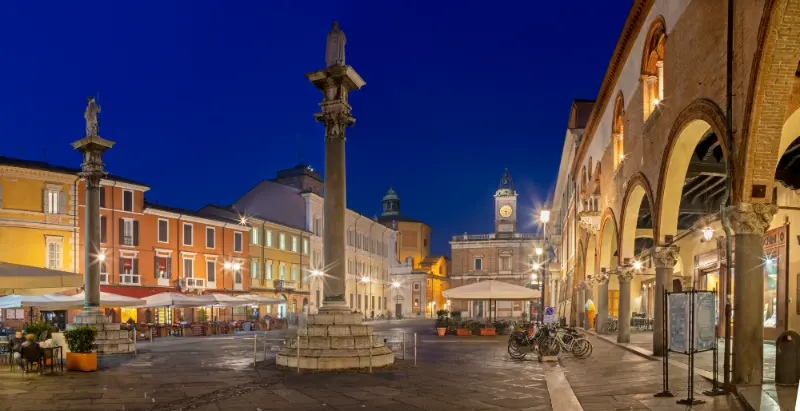
    Ravenna Emilia Romagna Italy

    Use the Ravenna travel guide and mosaics guide for current ticket logic. Leave one hour unplanned for Dante, an aperitivo or simply walking; the city is better when it is not reduced to timed entries.

    Day 2 morning: Faenza and the MIC

    Drive or take the train to Faenza. The International Museum of Ceramics is large enough to deserve a focused visit, not a quick tick. Allow around two hours if ceramics interest you, then walk the central piazzas before lunch. The existing MIC Faenza guide helps you decide how deeply to explore the collections.

    If you are not a museum person, spend less time inside and more in the city, but do not skip the ceramics story entirely—it is what gives Faenza international significance and explains the word ”faience”.

    Day 2 afternoon: Brisighella

    Continue to Brisighella for the Via degli Asini, hilltop viewpoints and a slower evening. Do not arrive so late that both the Rocca and Clock Tower are closed if interiors matter to you. The town rewards golden-hour walking and a dinner built around local olive oil and Romagna cuisine.

    Use the existing Brisighella travel guide to choose between castle visits and a longer hill walk. Return to Ravenna after dinner only if you are comfortable driving rural roads at night.

    Day 3: Cervia, salt and the coast

    Begin in Cervia”s historic centre and MUSA, then choose a seasonal salt-pan experience if it is operating. After lunch, move to the beach that best suits your group: Milano Marittima for style and activity, Pinarella for family-friendly pinewood or Tagliata for quiet. The goal is to experience one coast properly, not drive through four resorts.

    The Cervia guide and Milano Marittima guide cover the detail. In summer, book beach services only if you know you want a full beach day; otherwise a late-afternoon free-beach visit may be enough.

    Day 4: Sant”Alberto and northern wetlands

    Reserve the final day for nature because weather and guided-activity schedules are less predictable than city monuments. Check the Sant”Alberto nature hub, ferry and any guided excursion first. A flamingo bike experience or Boscoforte walk can become the main anchor, with the rest of the day left flexible.

    If no guided activity fits, use the accessible northern wetland viewpoints that are currently open. Do not rely on old Punte Alberete route information because access changed in 2026. A late stop in Marina Romea can add beach or sunset lagoon scenery without a major detour.

    Driving times and why this itinerary works

    The province is not enormous, but road speed varies. Coastal and wetland approaches can be slower than the map suggests, and parking adds time. Grouping destinations geographically means most days involve one main transfer rather than constant short drives.

    The itinerary also alternates mental pace: dense art, ceramics and hill town, coast, then nature. That variety prevents the common problem of spending four days in churches and museums until everything begins to blur.

    What to book in advance

    Ravenna mosaic combinations and timed entries can benefit from advance planning in busy periods. Guided nature tours should be booked when access or equipment is included. Accommodation near the coast can sell quickly in summer, while Faenza and Brisighella museum tickets are generally less stressful but opening days still matter.

    Do not pre-book every meal and hour. Leave enough flexibility to move a nature day if the weather turns or to stay longer in a place you unexpectedly enjoy.

    Food strategy

    Use each area for its own strengths: Ravenna for cappelletti, piadina and city dining; Faenza/Brisighella for hill wines, olive oil and Romagna cooking; Cervia for seafood and salt-linked products. Avoid eating the same generic tourist menu in every town.

    The existing Ravenna food guide helps with local dishes. A relaxed lunch can be part of the day”s value, so do not plan transfers that force you to rush through it.

    Alternative for families

    Families can keep Day 1 shorter, add Classis for a more interactive archaeological experience, replace a long Brisighella climb with an easier centre visit and choose Pinarella or Punta Marina for the beach day. Mirabilandia can replace either the hill day or nature day if the amusement park is a major reason for the trip.

    The Ravenna with kids guide is designed for that decision rather than simply adding child-friendly labels to the adult itinerary.

    What to cut if you only have three days

    Keep Ravenna city, choose either Faenza/Brisighella or Cervia/coast, and keep one nature or coast component depending on season. Do not compress all four days into three by shortening every stop. The value of the province comes from contrast, and contrast needs time to register.

    If this is your first trip and mosaics are the priority, cut the wetlands before cutting Ravenna. If you have already seen the city, do the opposite and use the trip to discover the province beyond its famous capital.

    Decision guide: is this stop right for your trip?

    Choose this destination or route because its main experience matches your priorities, not simply because it appears close on the map. Ravenna province is geographically manageable but highly varied; beaches, wetlands, mosaics and hill towns operate on different rhythms. One well-planned anchor per half-day usually produces a better trip than collecting names.

    Before leaving, check three things in order: the least flexible opening or guided activity, the weather and access conditions for outdoor areas, and your return transport. Then fit meals and flexible walks around those constraints. This is especially important on the coast and in the Po Delta, where seasonal services and environmental restrictions can change faster than urban museum schedules.

    Tours and bookable experiences

    A guided experience is most useful when it solves a real problem such as sensitive-area access, transport, equipment or interpretation. Check exact inclusions, meeting point, duration and cancellation terms before booking. A generic Ravenna tour should never be assumed to include the specific wetland, beach or museum discussed in this guide.

    Where to stay

    Choose accommodation according to the part of the day you value most. Central Ravenna is strongest for monuments and restaurants; the coast is better for early beach time, sunset walks and avoiding repeated parking; a smaller resort can be ideal when nature or family routine matters more than nightlife. Compare parking, breakfast, noise and walking distance rather than room rate alone.

    Official sources and last checks

    Practical details in this guide were checked against official information available in 2026. Recheck opening times, ferry operation, guided visits, beach ordinances and nature-reserve access shortly before travel, because temporary closures and seasonal rules can materially change the best itinerary.

    Final planning advice

    Ravenna province rewards travellers who leave margin. Wind can change a beach day, a guided nature tour can become the highlight, and a quiet pinewood walk can be more memorable than an extra museum rushed before closing. Protect the experiences that require a specific time, then let the rest of the day breathe.

    How to make the day more useful

    If time becomes tight, cut the least distinctive activity rather than shortening everything. On the Ravenna coast that usually means protecting the landscape or experience you cannot reproduce elsewhere—such as a wetland access window, a specific cycling route or the combination of pinewood and sea—and dropping a generic stop that could be found in many Adriatic resorts.

    Keep one practical margin for parking, bike fitting, changing clothes, showers or a slow meal. These details rarely appear in attraction lists, but they decide whether a coastal day feels relaxed or rushed. In summer especially, moving more slowly during the hottest hours often produces a better itinerary than adding another named stop.

  • Ravenna Birdwatching Guide: Best Wetlands, Seasons, Access Rules and Responsible Wildlife Watching

    Ravenna Birdwatching Guide: Best Wetlands, Seasons, Access Rules and Responsible Wildlife Watching

    Ravenna is one of the rare Italian art cities where serious birdwatching begins only a short drive or bike ride from major monuments. The Po Delta landscape north and south of the city includes freshwater forest, brackish lagoon, reedbeds, dunes, river mouths and pinewoods. That variety attracts different bird communities and makes it possible to have a rewarding day even when one famous species is absent.

    The challenge is access. Several of the best areas are protected, seasonally restricted or affected by maintenance, and conditions can change more quickly than a city-museum timetable. This guide therefore focuses as much on how to choose a site as on what you might see.

    To connect Ravenna Birdwatching with the rest of the destination, our Ravenna Travel Guide offers a broader overview of what to see and how to get around.

    Best overall strategyChoose one northern and one southern wetland, not every site
    Northern highlightsSant”Alberto, Comacchio southern lagoons, Punte Alberete, Valle Mandriole, Baiona
    Southern highlightsFoce del Bevano, Ortazzo/Ortazzino, Pineta di Classe
    Best timesEarly morning and late afternoon; spring/autumn migration
    Essential gearBinoculars, insect repellent, water and a current access map

    Punte Alberete: famous, but check access first

    Punte Alberete is one of Ravenna”s classic birding locations, with flooded woodland, reedbeds and hides. The official birdwatching route describes an internal loop of about 2 km. However, the site experienced access and maintenance changes in 2026, including a temporary closure of the circular trail, so a current check is essential before you drive there.

    If it is open, go early and move slowly. Forest wetlands reward listening as much as scanning. If it is closed, do not improvise around barriers; use nearby San Vitale, Valle Mandriole or the Baiona instead.

    Pialassa della Baiona: big landscape, multiple viewpoints

    The approximately 1,100-hectare Baiona is better understood as a lagoon system than a single bird hide. Ravenna Tourism identifies access from the San Vitale pinewood, Via delle Valli/Prato Barenicolo and observation areas near Marina Romea. The mix of fresher and saltier water creates varied feeding habitat.

    Ravenna Emilia Romagna Italy

    Because the landscape is open, a spotting scope can be useful. Photographers often prefer a telephoto, but heat haze over water can reduce image quality at midday. Dawn and late afternoon are generally more productive.

    Sant”Alberto and the Comacchio southern lagoons

    Sant”Alberto is the most organised gateway for visitors who want guided wetland experiences. The 2026 nature hub offered bike rental and guided departures, including sunset flamingo rides that combined bicycle, ferry and binoculars. This is an excellent option for first-time visitors who do not want to solve all logistics independently.

    Wildlife changes with water level and season, so the guide”s local knowledge is more valuable than a promise of a specific bird. Use the experience to understand the landscape rather than treating flamingos as the only successful outcome.

    Foce del Bevano and Ortazzo/Ortazzino

    South of Ravenna, the Bevano system is valuable because dunes, river mouth, beach and wetland remain closely connected. Access is seasonally regulated, especially for nesting protection, and you cannot simply walk every stretch of beach to the river mouth whenever you wish.

    Observation towers along the wider route allow views toward Ortazzo and Ortazzino without entering sensitive habitat. This is a good area for combining birds with a longer bike ride through the Pineta di Classe.

    Which season is best?

    Spring brings migration, breeding activity and fresh vegetation; autumn brings another major movement period and often excellent diversity. Winter can be very rewarding for waterfowl and open-landscape birding with fewer insects. Summer offers long light but also heat, mosquitoes and increased human activity near the coast.

    If you travel specifically for birding, a shoulder-season base in Ravenna can be better than a midsummer beach holiday. Accommodation pressure is lower and dawn arrives at a more manageable hour.

    Flamingos: how to plan realistically

    Flamingos are visually spectacular and often present in the broader Delta, but they move. Do not choose one exact hide months in advance solely because a photo was taken there. Use recent local information or a guide to determine where viewing is currently best.

    A bicycle tour or lagoon excursion can be more efficient than driving between distant viewpoints. Keep enough distance that birds continue feeding normally; if they raise heads, move away or take flight because of you, you are too close.

    Photography ethics and equipment

    A 300–500 mm equivalent lens is useful for birds, but binoculars remain the best tool for identification and relaxed observation. Avoid playback, baiting and leaving paths for a closer photograph. Drones are particularly inappropriate around nesting colonies and protected wetlands unless you have explicit authorisation.

    Use hides and screening where provided. Quiet behaviour improves both ethics and results: birds that do not feel pressured remain visible longer.

    Mosquitoes, mud and weather

    Wetlands are not manicured parks. After rain, paths can be muddy, and summer mosquitoes can be intense at dusk. Wear shoes you are willing to dirty, carry repellent and keep a light rain layer in the bag. Wind changes viewing conditions rapidly on exposed embankments.

    In hot weather, avoid the middle of the day both for comfort and because bird activity may be lower. An early outing followed by Ravenna museums during the heat is an excellent way to combine nature and culture.

    A two-day birding plan

    Day one can focus north: early Punte Alberete if open, then San Vitale/Baiona, followed by a late guided Sant”Alberto or lagoon experience. Day two can focus south: Classe/Pineta di Classe and Bevano viewpoints, with enough time to respect access restrictions and walk rather than drive between every point.

    This is intentionally less ambitious than a site-collecting marathon. The longer you stay at one good wetland, the more behaviour you notice and the less time you spend in the car.

    Useful pairings with existing guides

    For detailed access to the northern forest system use the Punte Alberete and San Vitale guide. For the coast and protected estuary, the general Ravenna beaches guide helps with bases and logistics.

    If this is your first trip to the city, keep at least one separate half-day for the mosaics. Ravenna”s special advantage is that world-class cultural heritage and wetlands can coexist in the same trip without one becoming an afterthought.

    Decision guide: is this stop right for your trip?

    Choose this destination or route because its main experience matches your priorities, not simply because it appears close on the map. Ravenna province is geographically manageable but highly varied; beaches, wetlands, mosaics and hill towns operate on different rhythms. One well-planned anchor per half-day usually produces a better trip than collecting names.

    Before leaving, check three things in order: the least flexible opening or guided activity, the weather and access conditions for outdoor areas, and your return transport. Then fit meals and flexible walks around those constraints. This is especially important on the coast and in the Po Delta, where seasonal services and environmental restrictions can change faster than urban museum schedules.

    Tours and bookable experiences

    A guided experience is most useful when it solves a real problem such as sensitive-area access, transport, equipment or interpretation. Check exact inclusions, meeting point, duration and cancellation terms before booking. A generic Ravenna tour should never be assumed to include the specific wetland, beach or museum discussed in this guide.

    Where to stay

    Choose accommodation according to the part of the day you value most. Central Ravenna is strongest for monuments and restaurants; the coast is better for early beach time, sunset walks and avoiding repeated parking; a smaller resort can be ideal when nature or family routine matters more than nightlife. Compare parking, breakfast, noise and walking distance rather than room rate alone.

    Official sources and last checks

    Practical details in this guide were checked against official information available in 2026. Recheck opening times, ferry operation, guided visits, beach ordinances and nature-reserve access shortly before travel, because temporary closures and seasonal rules can materially change the best itinerary.

    Final planning advice

    Ravenna province rewards travellers who leave margin. Wind can change a beach day, a guided nature tour can become the highlight, and a quiet pinewood walk can be more memorable than an extra museum rushed before closing. Protect the experiences that require a specific time, then let the rest of the day breathe.

    Practical checklist before you leave

    Save the relevant official page offline, especially when your day depends on a ferry, guided excursion, beach ordinance or reserve opening. Coastal mobile coverage is generally good, but an offline map and screenshot prevent unnecessary uncertainty at rural trailheads.

    Carry water, sun protection and insect repellent for nature days. Flat terrain can still be demanding when wind, heat and exposure combine. For cycling, add lights, a lock and a puncture kit; for birdwatching, binoculars will usually add more value than extra camera gear.

    Finally, plan one fallback that does not require a reservation. A pinewood walk, central Ravenna museum or easy beach stop can rescue a day when weather or access changes. Flexibility is a strength in this landscape, not a sign that the itinerary failed.

    How to make the day more useful

    If time becomes tight, cut the least distinctive activity rather than shortening everything. On the Ravenna coast that usually means protecting the landscape or experience you cannot reproduce elsewhere—such as a wetland access window, a specific cycling route or the combination of pinewood and sea—and dropping a generic stop that could be found in many Adriatic resorts.

    Keep one practical margin for parking, bike fitting, changing clothes, showers or a slow meal. These details rarely appear in attraction lists, but they decide whether a coastal day feels relaxed or rushed. In summer especially, moving more slowly during the hottest hours often produces a better itinerary than adding another named stop.
    Last updated: October 17, 2026

  • Ravenna Coast Cycling Guide: Best Bike Routes to Classe, the Beaches, Pinewoods and Wetlands

    Ravenna Coast Cycling Guide: Best Bike Routes to Classe, the Beaches, Pinewoods and Wetlands

    Ravenna is unusually good for cyclists because a flat city, UNESCO monuments, pinewoods, beaches and wetlands can be connected without major climbing. The challenge is not elevation; it is choosing a route that matches your fitness, surface tolerance and time. Official Ravenna Tourism itineraries range from a 14 km return ride to Classe to an 82 km river loop, so ”cycling in Ravenna” can mean very different days.

    This guide focuses on the routes most useful to visitors: the 14 km Classe ride, the roughly 40 km city-to-sea loop, the 50 km northern-beach circuit and the 56 km pinewood route toward Cervia. The goal is not to collect kilometres but to choose the route that gives you the scenery you actually came for.

    Before adding Ravenna Coast Cycling to your plans, explore our Ravenna Travel Guide for nearby attractions and a realistic sightseeing route.

    Easy option14 km Ravenna–Classe return
    Sea loopAbout 40 km via Classe, Lido di Dante, Lido Adriano and Punta Marina
    Northern coastAbout 50 km via Marina di Ravenna, Porto Corsini, Marina Romea and Casalborsetti
    Nature/gravel56 km toward Cervia, around half on unpaved surfaces
    Bike typeCity/trekking for short paved rides; hybrid or gravel for longer mixed routes

    Route 1: Ravenna to Classe – the best beginner ride

    The official 14 km out-and-back route to Classe is the simplest way to combine cycling with a major monument. It uses cycle paths and low-traffic areas and reaches the Basilica of Sant”Apollinare in Classe. Because the ride is short, you can stop at Classis or another site without turning the day into an endurance exercise.

    This is the best choice for families with older children, occasional cyclists and travellers who are unsure how they will handle Italian traffic. It is also easy to shorten or abandon if weather changes.

    Route 2: the 40 km city-to-sea loop

    Ravenna Tourism”s sea loop runs from the city toward Classe, continues beside the pinewood to Lido di Dante, then heads north through Lido Adriano and Punta Marina before returning to Ravenna. The official page describes the route as moderate and broadly suitable, but 40 km is still a full recreational ride for someone who rarely cycles.

    Ravenna Emilia Romagna Italy

    The advantage is variety: monuments, pinewood, beach and seafront all appear in one day. The disadvantage is that long lunch and beach stops can push the return into evening, so carry lights even if you plan to finish before sunset.

    Route 3: the 50 km northern beaches

    The northern-lidi circuit reaches Punta Marina, Marina di Ravenna, Porto Corsini, Marina Romea and Casalborsetti before returning inland. This is the best option if you want the harbour, coastal pinewoods and quieter northern resorts rather than the Bevano landscape.

    Plan the route around any required channel crossing and seasonal ferry arrangement. Wind also matters more on open coastal stretches than elevation. A strong headwind on the return can turn an easy-looking flat route into a tiring final hour.

    Route 4: 56 km through Pineta di Classe toward Cervia

    The official Ravenna-to-Cervia route is about 56 km and roughly half unpaved. It passes Classe, Classis, the Pineta di Classe, Ortazzo/Ortazzino viewpoints, Lido di Classe, Lido di Savio and Milano Marittima/Cervia. This is the richest nature ride in the group but requires more confidence on gravel.

    Use at least moderately wide tyres and lower pressure than you would for pure road cycling. After rain, forest surfaces can become slower and muddier. The route is flat but should not be described as effortless simply because there are no hills.

    Which bike should you use?

    A city bike is enough for Ravenna–Classe and can manage the 40 km loop if you are comfortable and the surfaces are dry. A trekking or hybrid bike is the best all-round choice for the coast. A gravel bike gives more speed and control on the longer mixed routes, while a road bike with narrow tyres limits your flexibility in the pinewoods.

    E-bikes are useful if you want to enjoy 50 km without making the day about fitness. They do not eliminate the need for route skills, battery planning or puncture equipment.

    Heat, wind and mosquitoes

    Summer heat is the main physical challenge. Start early, refill water whenever you can and use the pinewoods as shaded corridors instead of treating them as optional scenery. Coastal wind can either cool you or become a persistent headwind, so check direction before choosing a long out-and-back route.

    Mosquitoes are most noticeable around wetlands and toward evening. Repellent and light long sleeves can make a sunset return much more comfortable.

    Navigation and surfaces

    Download the official GPX/KML when available and keep an offline map. Ravenna”s flat terrain can be misleading: a wrong turn does not reveal itself through elevation, and rural roads can look similar for kilometres. Mark major crossings, ferry points and water stops before leaving.

    Gravel in the pinewoods is generally manageable, but forestry work, storms or conservation restrictions can alter access. Respect barriers and use signed detours rather than riding around closures.

    Combining cycling with monuments

    Bike travel is particularly good for Classe because the ride and the monument complement each other. Use the existing Classis Ravenna and Ancient Port guide to decide whether to add the museum. In central Ravenna, secure the bike properly and remember that walking between mosaic sites may be easier than constantly locking and unlocking it.

    Do not schedule timed monument entries so tightly that a puncture makes you miss them. Leave at least 20–30 minutes of buffer on cycling days.

    Family and safety advice

    For families, the 14 km Classe route is the best starting point. The longer routes require children who are comfortable riding for several hours and following instructions at crossings. Use helmets, lights and high-visibility elements even where not legally required for every situation.

    Do not assume a marked tourism route is physically separated from traffic for its entire length. Some sections use low-traffic roads rather than dedicated cycleways. Review the route before deciding whether it fits your group.

    The route-selection rule

    Choose by your main interest: Classe for heritage, 40 km sea loop for variety, northern 50 km for beaches and harbour landscapes, 56 km Cervia route for pinewoods and wildlife. If you cannot decide, do not choose the longest route by default.

    Cycling should make Ravenna province feel more connected, not turn the trip into a kilometre target. The best ride is the one that leaves enough energy to enjoy the places you stopped to see.

    Decision guide: is this stop right for your trip?

    Choose this destination or route because its main experience matches your priorities, not simply because it appears close on the map. Ravenna province is geographically manageable but highly varied; beaches, wetlands, mosaics and hill towns operate on different rhythms. One well-planned anchor per half-day usually produces a better trip than collecting names.

    Before leaving, check three things in order: the least flexible opening or guided activity, the weather and access conditions for outdoor areas, and your return transport. Then fit meals and flexible walks around those constraints. This is especially important on the coast and in the Po Delta, where seasonal services and environmental restrictions can change faster than urban museum schedules.

    Tours and bookable experiences

    A guided experience is most useful when it solves a real problem such as sensitive-area access, transport, equipment or interpretation. Check exact inclusions, meeting point, duration and cancellation terms before booking. A generic Ravenna tour should never be assumed to include the specific wetland, beach or museum discussed in this guide.

    Where to stay

    Choose accommodation according to the part of the day you value most. Central Ravenna is strongest for monuments and restaurants; the coast is better for early beach time, sunset walks and avoiding repeated parking; a smaller resort can be ideal when nature or family routine matters more than nightlife. Compare parking, breakfast, noise and walking distance rather than room rate alone.

    Official sources and last checks

    Practical details in this guide were checked against official information available in 2026. Recheck opening times, ferry operation, guided visits, beach ordinances and nature-reserve access shortly before travel, because temporary closures and seasonal rules can materially change the best itinerary.

    Final planning advice

    Ravenna province rewards travellers who leave margin. Wind can change a beach day, a guided nature tour can become the highlight, and a quiet pinewood walk can be more memorable than an extra museum rushed before closing. Protect the experiences that require a specific time, then let the rest of the day breathe.

    Practical checklist before you leave

    Save the relevant official page offline, especially when your day depends on a ferry, guided excursion, beach ordinance or reserve opening. Coastal mobile coverage is generally good, but an offline map and screenshot prevent unnecessary uncertainty at rural trailheads.

    Carry water, sun protection and insect repellent for nature days. Flat terrain can still be demanding when wind, heat and exposure combine. For cycling, add lights, a lock and a puncture kit; for birdwatching, binoculars will usually add more value than extra camera gear.

    Finally, plan one fallback that does not require a reservation. A pinewood walk, central Ravenna museum or easy beach stop can rescue a day when weather or access changes. Flexibility is a strength in this landscape, not a sign that the itinerary failed.

    Last updated: October 17, 2026

  • Lido di Dante and Foce del Bevano Guide: Wild Beach, Pineta Ramazzotti, Access Rules and Nature

    Lido di Dante and Foce del Bevano Guide: Wild Beach, Pineta Ramazzotti, Access Rules and Nature

    Lido di Dante is where the Ravenna coast becomes noticeably wilder. South of the developed beach, the Pineta Ramazzotti, dunes and Foce del Bevano create one of the least urbanised stretches of the northern Adriatic. That is exactly why planning matters more here than at a conventional resort: the most beautiful areas are protected, access changes with the season and you cannot simply drive to the river mouth.

    A useful visit separates three experiences: the serviced beach near the town, the pinewood walk and the protected Foce del Bevano landscape. Add the officially designated naturist area only if it is relevant to you, and check the current municipal ordinance because its boundaries and rules are regulated.

    Best forWild-coast scenery, walking, cycling, nature photography and quiet beach time
    Protected areaFoce del Bevano, with seasonal access restrictions
    Key trailPineta Ramazzotti loop toward the Bevano
    Car accessNo vehicle access to the protected river mouth
    Special noteOfficial naturist beach area is separately regulated

    Why the Foce del Bevano matters

    The Bevano is described by Ravenna Turismo as the last naturally evolving meandering river mouth on this part of the Adriatic. Around it survive dunes, brackish ponds, woodland, sandbars and marsh vegetation that show what much of the coast looked like before intensive development. That ecological value is the reason access cannot be treated like a normal public beach.

    The estuary is especially sensitive during nesting periods. Species such as the Kentish plover use the sandy environment, so seasonal closures and fenced sections are not arbitrary obstacles. Respecting them is part of visiting the place properly.

    How to reach the protected area

    Cars are not allowed into the protected Foce del Bevano area. Official starting points include the Bevanella visitor centre side near Savio/Lido di Classe and Parco I Maggio/Fosso Ghiaia, while Lido di Dante provides access into the Pineta Ramazzotti from the north. This means the final section is always an active visit on foot or bicycle.

    Lido di Ostia At Sunset Lazio Italy

    Do not type ”Foce del Bevano” into navigation and follow the last drivable road until it ends. Protected-area access is better planned from an official trailhead, because rural roads and forest tracks may be restricted or unsuitable for parking.

    Pineta Ramazzotti: the best introduction from Lido di Dante

    The Ramazzotti pinewood extends between Lido di Dante and the Bevano. Ravenna Turismo describes an accessible loop with entrances from the village and beach side, allowing you to combine shaded woodland with coastal scenery. The most satisfying version continues toward viewpoints near the estuary before returning by an alternative track or, when permitted, along the beach.

    After rain, sandy and low-lying sections can become awkward; in summer, heat and mosquitoes matter more. A bicycle speeds up the approach but makes less sense if your main goal is slow wildlife observation.

    Seasonal restrictions: verify them every time

    The official page explicitly states that access to the Foce del Bevano is subject to restrictions that vary by season. Treat that as a central planning fact. A route report from last year, a social post or an old map is not enough evidence that the same section is open today.

    Before travelling, check the Ravenna Tourism page and, if necessary, contact the Carabinieri Biodiversità office indicated by the official tourism site. This is particularly important in spring and early summer when nesting protection can limit beach access.

    The Bassona naturist beach

    Between Lido di Dante and Lido di Classe, part of the Bassona beach is officially designated for naturist practice under a specific municipal ordinance. This is useful to know even if you are not a naturist because it avoids surprise and helps everyone respect clearly signposted areas.

    Do not assume the entire wild beach is naturist, and do not rely on informal descriptions of boundaries. Follow current signs and the current ordinance. The same environmental rules that protect dunes and nesting birds apply regardless of how the beach is used.

    Birdwatching and photography

    The Bevano, Ortazzo and Ortazzino system can produce excellent sightings of herons, shorebirds and other wetland species. Observation towers along the wider trail network are more responsible and often more productive than pushing toward the waterline. Bring binoculars and accept that some of the best habitat is meant to be watched from a distance.

    For photography, dawn is attractive but requires careful route planning in low light. Sunset can be beautiful in the wetlands behind the coast, while the open sea side faces east. Avoid using playback calls or approaching nests for a closer image.

    Beach day versus nature day

    A conventional beach day works well near the lido”s serviced area, where you have food and facilities. A nature day is different: water, snacks, insect protection and appropriate shoes become more important, and there may be no service exactly where you turn around.

    Trying to combine a full beach rental with a long protected-area walk in high summer often means doing the trail at the hottest time. A better plan is early nature walk, late breakfast or lunch, then beach.

    Cycling from Ravenna

    Ravenna Tourism”s 40 km city-to-sea loop reaches Classe, Lido di Dante, Lido Adriano and Punta Marina, while the longer 56 km Cervia route crosses the Pineta di Classe near the Bevano. These official itineraries confirm that the area is naturally suited to cycling, but they also show that distances become significant once you start linking several beaches.

    A hybrid or gravel bike is the safest all-round choice. Carry a lock for stops and download the GPX before leaving. Sand can make short sections unrideable, so be prepared to walk the bike without treating that as a route failure.

    Where to stay and what to combine

    Lido di Dante is a good base if you prioritise camping, nature and a quieter coast. For a broader beach-service holiday, compare nearby Lido Adriano or Punta Marina. For a culture-heavy itinerary, staying in Ravenna and making one nature day may be more efficient.

    The existing Classis and Ancient Port guide combines especially well with the southern coast because Classe sits naturally on the route from Ravenna toward the pinewood.

    Mistakes to avoid

    Do not drive into protected tracks, ignore seasonal restrictions, walk through fenced nesting zones or assume every wild-looking stretch is open all year. Do not plan the Foce as a five-minute photo stop; the approach itself is part of the experience.

    The reward is precisely the lack of development. Visit at the pace the landscape requires and Lido di Dante becomes one of the most distinctive coastal days in Ravenna province rather than just another beach.

    Decision guide: is this stop right for your trip?

    Choose this destination or route because its main experience matches your priorities, not simply because it appears close on the map. Ravenna province is geographically manageable but highly varied; beaches, wetlands, mosaics and hill towns operate on different rhythms. One well-planned anchor per half-day usually produces a better trip than collecting names.

    Before leaving, check three things in order: the least flexible opening or guided activity, the weather and access conditions for outdoor areas, and your return transport. Then fit meals and flexible walks around those constraints. This is especially important on the coast and in the Po Delta, where seasonal services and environmental restrictions can change faster than urban museum schedules.

    Where to stay

    Choose accommodation according to the part of the day you value most. Central Ravenna is strongest for monuments and restaurants; the coast is better for early beach time, sunset walks and avoiding repeated parking; a smaller resort can be ideal when nature or family routine matters more than nightlife. Compare parking, breakfast, noise and walking distance rather than room rate alone.

    Official sources and last checks

    Practical details in this guide were checked against official information available in 2026. Recheck opening times, ferry operation, guided visits, beach ordinances and nature-reserve access shortly before travel, because temporary closures and seasonal rules can materially change the best itinerary.

    Final planning advice

    Ravenna province rewards travellers who leave margin. Wind can change a beach day, a guided nature tour can become the highlight, and a quiet pinewood walk can be more memorable than an extra museum rushed before closing. Protect the experiences that require a specific time, then let the rest of the day breathe.

    Practical checklist before you leave

    Save the relevant official page offline, especially when your day depends on a ferry, guided excursion, beach ordinance or reserve opening. Coastal mobile coverage is generally good, but an offline map and screenshot prevent unnecessary uncertainty at rural trailheads.

    Carry water, sun protection and insect repellent for nature days. Flat terrain can still be demanding when wind, heat and exposure combine. For cycling, add lights, a lock and a puncture kit; for birdwatching, binoculars will usually add more value than extra camera gear.

    Finally, plan one fallback that does not require a reservation. A pinewood walk, central Ravenna museum or easy beach stop can rescue a day when weather or access changes. Flexibility is a strength in this landscape, not a sign that the itinerary failed.

    How to make the day more useful

    If time becomes tight, cut the least distinctive activity rather than shortening everything. On the Ravenna coast that usually means protecting the landscape or experience you cannot reproduce elsewhere—such as a wetland access window, a specific cycling route or the combination of pinewood and sea—and dropping a generic stop that could be found in many Adriatic resorts.

    Keep one practical margin for parking, bike fitting, changing clothes, showers or a slow meal. These details rarely appear in attraction lists, but they decide whether a coastal day feels relaxed or rushed. In summer especially, moving more slowly during the hottest hours often produces a better itinerary than adding another named stop.

  • Punta Marina Terme Guide: Beach, Thermal Spa, Pinewood, Accessibility and Family Planning

    Punta Marina Terme Guide: Beach, Thermal Spa, Pinewood, Accessibility and Family Planning

    Punta Marina Terme stands out on the Ravenna coast because it combines three things that are rarely adjacent: a broad Adriatic beach, a coastal pinewood and thermal facilities directly by the sea. That mix makes it particularly useful for families, travellers who want wellness without leaving the coast and anyone who prefers a quieter evening than Marina di Ravenna while still staying close to the city.

    The most important planning choice is whether the thermal component is central to your day. If you want treatments or a wellness circuit, confirm the current programme first and build the beach around it. If you only want the sea, treat the spa as an optional extra rather than letting an unverified schedule dictate your visit.

    Best forFamilies, wellness, beach holidays, cycling and accessible seaside stays
    DistanceAbout 11 km from Ravenna
    Distinctive featureThermal facilities directly on the coast
    NatureCoastal pinewood within the Po Delta Park landscape
    AccessCar, bus from Ravenna and a direct cycle route

    Why Punta Marina Terme is different

    Many Adriatic resorts offer beach clubs and family services, but Punta Marina adds a genuine wellness identity. Ravenna Turismo describes it as a recognised thermal centre on the sea, with facilities used both for medical thermal treatments and wellbeing. That gives you a reason to visit outside the classic July-August beach pattern as well.

    The town is also compact enough to work as a day trip from Ravenna. You do not need to change hotels simply to spend an afternoon by the sea, and the cycling link makes it one of the easier coast options for travellers without a car.

    Thermal planning: verify before you build the day

    Thermal services are more schedule-dependent than the beach. Treatments, pools and wellness access may have different hours, medical requirements or booking rules. Check the current facility information directly shortly before travel rather than relying on a general tourism page or an old price list.

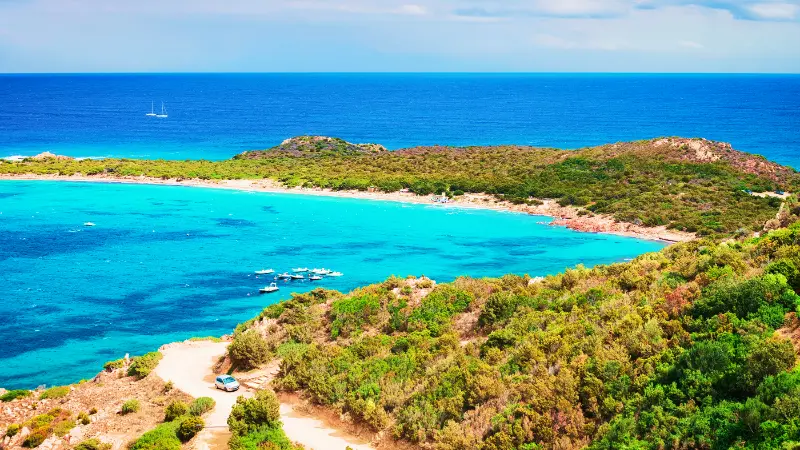
    Porto Cesareo Punta Prosciutto Puglia Italy

    If wellness is the priority, allow a half day and keep the rest simple. Trying to combine a full thermal session with a long beach lunch, bike excursion and evening in Ravenna often creates unnecessary rushing. A better plan is spa plus a beach walk, or beach plus a shorter wellness entry.

    The beach and family experience

    The sandy beach, gradual seabed and organised establishments make Punta Marina a straightforward family choice. Sports facilities such as beach volleyball and beach tennis add options for older children and teenagers, while the pinewood provides shade away from the hottest part of the day.

    Ravenna Turismo also lists free-beach sections in Punta Marina, useful for shorter visits. A serviced beach club is still easier if you need a changing area, food, toilets and all-day shade. Compare the total convenience rather than only the umbrella price.

    Accessibility: one of the coast”s strongest reasons to choose it

    Punta Marina is home to La Spiaggia dei Valori – Insieme a Te, a highly specialised accessible beach facility designed to support people with severe disabilities and their families. This is not just a generic ramp to the sand; it is one of the destination”s genuinely distinctive services.

    Accessibility needs differ, so contact the facility directly before travel to understand booking, equipment and support. Do the same with the thermal establishment. A place can be broadly accessible while specific treatments or changing areas still require advance arrangements.

    Pinewood, running and cycling

    The coastal pinewood is the best place to escape midday heat and adds a recreational layer beyond the beach. Walkers and runners use its network throughout the year, while cyclists can connect Punta Marina with Ravenna, Lido Adriano and Marina di Ravenna.

    Ravenna Tourism”s city-to-sea cycling loop passes Punta Marina as part of a roughly 40 km route. You do not need to ride the entire circuit: an out-and-back from Ravenna can be a satisfying active day if you are comfortable with the distance and summer heat.

    Bunkers and twentieth-century traces

    The coast around Punta Marina includes military remains from the world wars, giving history-minded travellers something unexpected beyond the beach. These traces are best approached as landscape history rather than as a polished museum experience, and access can vary according to conservation and local conditions.

    If this subject interests you, look for guided local initiatives instead of wandering into structures that may be unstable or on restricted land. The appeal is understanding how a recreational coastline was once a strategic military zone.

    A realistic day from Ravenna

    For a beach-only day, leave Ravenna after breakfast, arrive before peak parking time and stay through late afternoon. For a spa day, confirm your treatment or wellness slot and arrive with enough margin for check-in. If you cycle, start earlier and avoid returning on exposed roads during the hottest period.

    A good city-and-sea split is one major Ravenna monument cluster in the morning and Punta Marina after lunch. Do not attempt every UNESCO site before heading to the coast; mosaic visits are more rewarding when you are not watching the clock.

    Where to stay

    Punta Marina suits travellers who want a quieter overnight base than Marina di Ravenna but still want beach services and easy city access. Families and wellness travellers are the natural fit. Accommodation choices include hotels, residences and holiday rentals across the wider Ravenna coast.

    If nightlife is important, compare Marina di Ravenna before booking. If birdwatching and lagoon nature dominate your plans, Marina Romea or a northern base may reduce driving.

    Best season

    Summer delivers the full beach infrastructure and longest evenings, but spring and early autumn can be more comfortable for cycling and wellness. Outside the bathing season, the pinewood and coast remain useful for walking, while tourist services may be reduced.

    Do not assume the thermal facility follows the same season as beach establishments. Verify it independently, especially in winter or shoulder months.

    Mistakes to avoid

    Do not book a thermal day from a secondary website without confirming the service you actually want. Do not underestimate the value of shade and hydration when cycling from Ravenna, and do not choose Punta Marina expecting the same nightlife intensity as Marina di Ravenna.

    The destination works best when you use its balance: beach, wellness and pinewood in proportions that match your group instead of trying to maximise every available activity.

    Decision guide: is this stop right for your trip?

    Choose this destination or route because its main experience matches your priorities, not simply because it appears close on the map. Ravenna province is geographically manageable but highly varied; beaches, wetlands, mosaics and hill towns operate on different rhythms. One well-planned anchor per half-day usually produces a better trip than collecting names.

    Before leaving, check three things in order: the least flexible opening or guided activity, the weather and access conditions for outdoor areas, and your return transport. Then fit meals and flexible walks around those constraints. This is especially important on the coast and in the Po Delta, where seasonal services and environmental restrictions can change faster than urban museum schedules.

    Where to stay

    Choose accommodation according to the part of the day you value most. Central Ravenna is strongest for monuments and restaurants; the coast is better for early beach time, sunset walks and avoiding repeated parking; a smaller resort can be ideal when nature or family routine matters more than nightlife. Compare parking, breakfast, noise and walking distance rather than room rate alone.

    Official sources and last checks

    Practical details in this guide were checked against official information available in 2026. Recheck opening times, ferry operation, guided visits, beach ordinances and nature-reserve access shortly before travel, because temporary closures and seasonal rules can materially change the best itinerary.

    Final planning advice

    Ravenna province rewards travellers who leave margin. Wind can change a beach day, a guided nature tour can become the highlight, and a quiet pinewood walk can be more memorable than an extra museum rushed before closing. Protect the experiences that require a specific time, then let the rest of the day breathe.

    Practical checklist before you leave

    Save the relevant official page offline, especially when your day depends on a ferry, guided excursion, beach ordinance or reserve opening. Coastal mobile coverage is generally good, but an offline map and screenshot prevent unnecessary uncertainty at rural trailheads.

    Carry water, sun protection and insect repellent for nature days. Flat terrain can still be demanding when wind, heat and exposure combine. For cycling, add lights, a lock and a puncture kit; for birdwatching, binoculars will usually add more value than extra camera gear.

    Finally, plan one fallback that does not require a reservation. A pinewood walk, central Ravenna museum or easy beach stop can rescue a day when weather or access changes. Flexibility is a strength in this landscape, not a sign that the itinerary failed.

    How to make the day more useful

    If time becomes tight, cut the least distinctive activity rather than shortening everything. On the Ravenna coast that usually means protecting the landscape or experience you cannot reproduce elsewhere—such as a wetland access window, a specific cycling route or the combination of pinewood and sea—and dropping a generic stop that could be found in many Adriatic resorts.

    Keep one practical margin for parking, bike fitting, changing clothes, showers or a slow meal. These details rarely appear in attraction lists, but they decide whether a coastal day feels relaxed or rushed. In summer especially, moving more slowly during the hottest hours often produces a better itinerary than adding another named stop.

  • Marina di Ravenna Travel Guide: Beach Clubs, Marinara, Breakwater, Pinewood and Nightlife

    Marina di Ravenna Travel Guide: Beach Clubs, Marinara, Breakwater, Pinewood and Nightlife

    Marina di Ravenna is the most energetic of Ravenna”s seaside towns and the easiest one to misunderstand. It is close enough to Ravenna for a day trip, but in summer it develops its own identity around beach clubs, music, sailing, long evenings and the large Marinara tourist harbour. If you book expecting a silent nature retreat, you may be disappointed; if you want a lively coast with good access to Ravenna”s art, it can be an excellent base.

    The practical trick is to choose your zone and daily rhythm. Daytime can be beach or harbour, late afternoon is ideal for the pinewood or breakwater, and evening becomes much busier around the most popular establishments. Families can still enjoy Marina di Ravenna, but light sleepers should pay close attention to accommodation location in peak season.

    For a fuller understanding of the surrounding area, use our Ravenna Travel Guide alongside these more focused recommendations.

    Best forBeach life, nightlife, sailing, couples and city-and-sea combinations
    DistanceClosest major Ravenna beach town to the city
    Signature walkThe harbour/breakwater and Marinara area
    Beach choiceServiced clubs plus designated free-beach stretches
    Stay2–3 nights for a mixed Ravenna city and coast break

    Why choose Marina di Ravenna

    Among Ravenna”s nine beach towns, Marina di Ravenna offers the strongest mix of nightlife, beach services and nautical activity. During the day the atmosphere can be very family-friendly, but after sunset many beach clubs shift toward aperitivo, live music and dancing. That change in character is central to the destination rather than a side detail.

    Its closeness to Ravenna also matters. You can spend a morning among mosaics and reach the sea later without changing hotels, or reverse the arrangement and stay near the beach while taking a cultural day inland. The right choice depends on whether you prefer evening city restaurants or evening beach life.

    Marina Grande Capri Campania Italy

    Marinara and the harbour

    The large Marinara tourist harbour gives Marina di Ravenna a more nautical feel than several neighbouring resorts. Even if you are not sailing, walking around the harbour adds variety to a beach day and helps explain why this coast developed around navigation, fishing and the access channel to Ravenna”s port.

    Check public-access areas and event schedules rather than assuming every pier or marina zone is freely walkable. In hot weather, the exposed harbour can feel much warmer than the shaded pinewood, so morning or evening is more comfortable.

    The breakwater: go for the experience, respect conditions

    The long outer harbour structures are iconic walking and fishing places, but weather and sea state should decide whether you go. Strong wind, spray and slippery surfaces turn a casual stroll into something unpleasant or unsafe. If conditions are rough, enjoy the view from shore rather than treating the breakwater as mandatory.

    For photographers, the geometry of harbour structures, fishing activity and open horizon is most interesting early or late in the day. Carry little gear and keep clear of working areas and anglers.

    Beach clubs versus free beach

    Marina di Ravenna is known for organised beach establishments, but Ravenna Turismo also lists designated free-beach stretches, including areas south of the breakwater and between named establishments. This makes it possible to visit without committing to a full-day umbrella rental, although parking and crowding can be harder on summer weekends.

    A beach club is worth the cost when you want showers, changing facilities, food, sports and a reserved base for the whole day. Free beach is better for a short swim or flexible visit. Families with young children often value the convenience of a serviced establishment more than the small saving of carrying everything themselves.

    Nightlife: where the destination changes after dark

    Marina di Ravenna”s beach establishments often become evening venues in summer, with music and events that attract a younger crowd from across Romagna. This is one of the main reasons to stay here rather than in a quieter lido. It is also why accommodation location deserves careful attention if you want early nights.

    Do not assume nightlife is identical every night or year. Event rules, opening hours and seasonal calendars change. Check the official local programme and the venue you care about rather than using an old list of ”best clubs” as if it were permanent.

    Pinewood and active time away from the sand

    A coastal pinewood runs behind parts of the resort and gives runners, walkers and cyclists welcome shade. Use it during the hottest hours rather than walking exposed roads. The bike network also links Marina di Ravenna with Punta Marina and the northern beaches, making a bicycle more useful here than in many conventional seaside resorts.

    If your goal is deeper wetland nature rather than an easy pinewood walk, travel north toward Marina Romea, the Pialassa Baiona and San Vitale areas. The existing Punte Alberete and San Vitale guide is a better planning resource for that ecosystem.

    Getting from Ravenna to the beach

    Driving is straightforward outside the busiest summer periods, but parking pressure rises sharply on hot weekends. Public buses connect the coast with Ravenna, and cycling is realistic for active travellers. Ravenna”s 2026 Footprints programme even used a Parco Marittimo hub near Via Trieste to encourage bike access toward the coast.

    If you are planning a late evening, verify the last public transport rather than assuming daytime frequency continues after midnight. A taxi is possible but should not be your unplanned backup during the busiest nights.

    Who should stay here—and who should not

    Stay in Marina di Ravenna if you want a sociable beach atmosphere, sailing or water sports, lively evenings and easy access to Ravenna city. Couples and groups of friends often enjoy the mix particularly well, while families can choose quieter accommodation slightly away from the busiest nightlife strips.

    Choose Marina Romea or Casalborsetti instead if silence, campsites and wetlands are more important than evening entertainment. Choose central Ravenna if the UNESCO monuments are your main priority and the beach is only one afternoon in the itinerary.

    A smart day plan

    Arrive early enough to avoid the worst parking pressure, spend the morning on the beach, have lunch nearby and move into the pinewood or harbour during the hotter part of the afternoon. Save the breakwater for calmer wind and the evening for an aperitivo or event if that is part of your goal.

    If you are coming from Ravenna after sightseeing, do not try to fit three major mosaic sites, lunch, a long beach session and nightlife into one day. Choose two anchors and let the rest remain optional.

    Mistakes to avoid

    The common mistakes are booking a room near nightlife without checking noise, arriving by car at peak weekend midday, walking the breakwater in poor conditions and assuming every beach is private. Another is expecting Marina di Ravenna to look like an old fishing village; it is a modern, active seaside destination shaped by port and leisure culture.

    Use the place for what it does best. If you want still water and bird hides, go elsewhere; if you want a lively beach that can extend naturally into an evening out, this is one of the strongest choices on the Ravenna coast.

    Decision guide: is this stop right for your trip?

    Choose this destination or route because its main experience matches your priorities, not simply because it appears close on the map. Ravenna province is geographically manageable but highly varied; beaches, wetlands, mosaics and hill towns operate on different rhythms. One well-planned anchor per half-day usually produces a better trip than collecting names.

    Before leaving, check three things in order: the least flexible opening or guided activity, the weather and access conditions for outdoor areas, and your return transport. Then fit meals and flexible walks around those constraints. This is especially important on the coast and in the Po Delta, where seasonal services and environmental restrictions can change faster than urban museum schedules.

    Tours and bookable experiences

    A guided experience is most useful when it solves a real problem such as sensitive-area access, transport, equipment or interpretation. Check exact inclusions, meeting point, duration and cancellation terms before booking. A generic Ravenna tour should never be assumed to include the specific wetland, beach or museum discussed in this guide.

    Where to stay

    Choose accommodation according to the part of the day you value most. Central Ravenna is strongest for monuments and restaurants; the coast is better for early beach time, sunset walks and avoiding repeated parking; a smaller resort can be ideal when nature or family routine matters more than nightlife. Compare parking, breakfast, noise and walking distance rather than room rate alone.

    Official sources and last checks

    Practical details in this guide were checked against official information available in 2026. Recheck opening times, ferry operation, guided visits, beach ordinances and nature-reserve access shortly before travel, because temporary closures and seasonal rules can materially change the best itinerary.

    Final planning advice

    Ravenna province rewards travellers who leave margin. Wind can change a beach day, a guided nature tour can become the highlight, and a quiet pinewood walk can be more memorable than an extra museum rushed before closing. Protect the experiences that require a specific time, then let the rest of the day breathe.

    How to make the day more useful

    If time becomes tight, cut the least distinctive activity rather than shortening everything. On the Ravenna coast that usually means protecting the landscape or experience you cannot reproduce elsewhere—such as a wetland access window, a specific cycling route or the combination of pinewood and sea—and dropping a generic stop that could be found in many Adriatic resorts.

    Keep one practical margin for parking, bike fitting, changing clothes, showers or a slow meal. These details rarely appear in attraction lists, but they decide whether a coastal day feels relaxed or rushed. In summer especially, moving more slowly during the hottest hours often produces a better itinerary than adding another named stop.

    Last updated: October 17, 2026

  • Marina Romea and Pialassa Baiona Guide: Beaches, Lagoon Walks, Birdwatching and Sunset Planning

    Marina Romea and Pialassa Baiona Guide: Beaches, Lagoon Walks, Birdwatching and Sunset Planning

    Marina Romea is one of the best places on the Ravenna coast for travellers who want a beach holiday without giving up serious nature. The town sits between the Adriatic, coastal pinewoods and the Pialassa della Baiona, an approximately 1,100-hectare lagoon system. That geography creates two completely different landscapes within minutes: open sandy shore to the east and quiet brackish water, fishing huts and birdlife to the west.

    The most useful planning decision is to stop thinking of Marina Romea as a single beach resort. Use the morning for the sea, the hotter central hours for shade or lunch, and late afternoon for the Baiona. Sunset is when the lagoon often looks at its best, but birdwatchers may prefer earlier quiet hours.

    Best forBeach plus nature, cycling, birdwatching, active families and sunset photography
    Nature highlightPialassa della Baiona, about 1,100 hectares
    Town characterResidential, green and quieter than Marina di Ravenna
    Allow1 beach day; 2 nights if adding lagoon and bike outings
    Best base forNorthern Ravenna coast and Po Delta excursions

    Why Marina Romea feels different from the other Ravenna beaches

    Marina Romea developed as a residential seaside area surrounded by greenery rather than as a dense promenade town. The pinewood filters the transition between homes, hotels and beach, while the lagoon on the other side creates a sense of being almost enclosed by nature. This makes the resort particularly appealing if you value morning walks, cycling and quieter evenings over a large urban seafront.

    The contrast with Marina di Ravenna is useful when choosing where to stay. Marina di Ravenna is more energetic and nightlife-oriented; Marina Romea is stronger for travellers who want a calmer base close to wetlands. Families can enjoy both, but the atmosphere after dinner is noticeably different.

    Understanding the Pialassa della Baiona

    The Baiona is not a lake. It is a complex lagoon connected by artificial channels, with tidal basins, fresher water near the San Vitale pinewood, salt-tolerant vegetation and traditional fishing structures. The changing mix of fresh and brackish water is part of what makes the area biologically rich and visually distinctive.

    Marina Grande Capri Campania Italy

    The name is often linked to the local idea of water that the sea ”takes and leaves”. Whether you come for ecology or photography, the key point is that the landscape is dynamic. Water level, light and season change the appearance of the same viewpoint dramatically, so a repeat visit at another hour can be more rewarding than rushing to a second location.

    Best ways to see the lagoon

    You can approach the Baiona from the San Vitale pinewood side, from Via delle Valli and the Prato Barenicolo area, or by boat from Marina Romea and Porto Corsini. These are not interchangeable experiences. Walking and cycling are better for slow observation; a boat gives access to water-level views and can reach places such as the Spinaroni area that are not a simple walk-in destination.

    For first-time visitors, the Prato Barenicolo boardwalk and the observation points near Marina Romea are easier than improvising on minor tracks. Stay on marked routes: lagoon edges can be muddy, seasonally flooded or used for fishing and conservation activities.

    Birdwatching without turning the day into a species hunt

    The Baiona supports ducks, herons, waders, harriers and many migratory species. Ravenna Turismo identifies observation points near Marina Romea and the western side of the lagoon, including areas reached from the San Vitale pinewood. Bring binoculars; they provide more enjoyment than trying to photograph distant birds with a phone.

    Early morning gives quiet conditions, while late afternoon can provide beautiful light. Summer mosquitoes can be intense around calm water, especially toward sunset, so repellent and long light clothing are practical rather than optional. During hunting periods or management works, local access arrangements may also change.

    The beach: who will like it

    Marina Romea has both serviced beach establishments and stretches of free beach. Shallow sandy conditions and the green backdrop work well for families, while wind and open water attract people interested in sailing, windsurfing and kitesurfing. The town also has equestrian and other outdoor activities that make it more than a place to lie under an umbrella.

    If your priority is nightlife directly on the beach, compare the wider Ravenna beaches guide before booking. Marina Romea”s strength is balance: enough services for a comfortable holiday, but easy access to pinewood and lagoon when you want to leave the beach.

    Sunset strategy and photography

    The Adriatic side gives sunrise, not sunset, so photographers who stay only on the beach miss the most distinctive evening light. The western lagoon side is where the setting sun reflects across shallow water and silhouettes fishing huts, reeds and birds. Arrive before golden hour to choose a legal, safe viewpoint rather than stopping abruptly on a narrow roadside.

    A small telephoto is useful for birds and compressed lagoon views; a wide lens or phone works well for boardwalks and sky reflections. Avoid drones unless you have checked all aviation and protected-area restrictions, because wetland wildlife and nearby infrastructure make casual drone use particularly problematic.

    Cycling from Marina Romea

    The northern coast is one of the best parts of Ravenna province to explore by bicycle because flat routes link beaches, pinewoods and wetland edges. Ravenna Tourism”s longer northern-lidi itinerary connects Ravenna with Punta Marina, Marina di Ravenna, Porto Corsini, Marina Romea and Casalborsetti in roughly 50 km, giving a useful sense of the distances involved.

    For a shorter day, ride only the local pinewood and lagoon approaches. A hybrid or trekking bike is more comfortable than a pure road bike when gravel appears. Carry lights even in daytime if you may return under trees or after sunset.

    Where to stay and how long

    Choose Marina Romea for at least two nights if you want both a relaxed beach day and a separate nature outing. A single day trip from Ravenna works, but it forces you to choose between beach time and the lagoon at its best hours. Hotels and holiday accommodation are spread through the green residential fabric rather than concentrated in one dense strip.

    If you are travelling without a car, check seasonal bus frequency before booking. For a nature-heavy itinerary, a bicycle gives much more flexibility once you arrive.

    Nearby places worth combining

    The existing Punte Alberete and San Vitale Pinewood guide pairs naturally with Marina Romea, although access changes should be checked. Porto Corsini is also close, while Ravenna city provides the cultural counterpoint for a split city-and-sea stay.

    Avoid trying to add Comacchio, Ravenna mosaics and a full beach day all in one outing. The distances look modest on a map, but parking, ferry or boat schedules and meal times quickly consume the margin.

    Mistakes to avoid

    Do not treat the lagoon as an unrestricted waterside park. Stay on legal routes and respect fishing, hunting and conservation activity. Do not plan sunset without insect protection, and do not expect the beach side to provide west-facing evening light. Finally, do not pick Marina Romea if your main goal is late-night beach-club intensity; another Ravenna lido may fit better.

    The destination is strongest when you intentionally alternate environments: sea, pinewood and lagoon. That three-part rhythm is what makes Marina Romea more memorable than a generic Adriatic beach stop.

    Decision guide: is this stop right for your trip?

    Choose this destination or route because its main experience matches your priorities, not simply because it appears close on the map. Ravenna province is geographically manageable but highly varied; beaches, wetlands, mosaics and hill towns operate on different rhythms. One well-planned anchor per half-day usually produces a better trip than collecting names.

    Before leaving, check three things in order: the least flexible opening or guided activity, the weather and access conditions for outdoor areas, and your return transport. Then fit meals and flexible walks around those constraints. This is especially important on the coast and in the Po Delta, where seasonal services and environmental restrictions can change faster than urban museum schedules.

    Where to stay

    Choose accommodation according to the part of the day you value most. Central Ravenna is strongest for monuments and restaurants; the coast is better for early beach time, sunset walks and avoiding repeated parking; a smaller resort can be ideal when nature or family routine matters more than nightlife. Compare parking, breakfast, noise and walking distance rather than room rate alone.

    Official sources and last checks

    Practical details in this guide were checked against official information available in 2026. Recheck opening times, ferry operation, guided visits, beach ordinances and nature-reserve access shortly before travel, because temporary closures and seasonal rules can materially change the best itinerary.

    Final planning advice

    Ravenna province rewards travellers who leave margin. Wind can change a beach day, a guided nature tour can become the highlight, and a quiet pinewood walk can be more memorable than an extra museum rushed before closing. Protect the experiences that require a specific time, then let the rest of the day breathe.

    How to make the day more useful

    If time becomes tight, cut the least distinctive activity rather than shortening everything. On the Ravenna coast that usually means protecting the landscape or experience you cannot reproduce elsewhere—such as a wetland access window, a specific cycling route or the combination of pinewood and sea—and dropping a generic stop that could be found in many Adriatic resorts.

    Keep one practical margin for parking, bike fitting, changing clothes, showers or a slow meal. These details rarely appear in attraction lists, but they decide whether a coastal day feels relaxed or rushed. In summer especially, moving more slowly during the hottest hours often produces a better itinerary than adding another named stop.
  • Sant’Alberto and Ravenna Wetlands Guide: NatuRa Hub, Reno Ferry, Flamingos and Boscoforte

    Sant’Alberto and Ravenna Wetlands Guide: NatuRa Hub, Reno Ferry, Flamingos and Boscoforte

    Sant”Alberto is one of the most useful bases in Ravenna province if your priority is the Po Delta rather than mosaics. The village itself is quiet, but it sits beside the Reno and acts as a gateway to the southern Comacchio lagoons, Boscoforte, Valle Mandriole and bird-rich cycling routes. The mistake is to arrive expecting a conventional museum town; the real experience is organised around weather, ferries, bikes and guided access to sensitive wetlands.

    A key 2026 update changes how you should plan the visit. Ravenna Turismo still lists the Museo NatuRa as closed for renovation from 1 August 2024, while the newer Welcome Hub Natura at Via Pereo 18 operates as an active starting point for bike rental, repairs, excursions and guided tours. In other words, do not build the day around museum galleries; build it around the hub and the landscape, then check whether the museum has reopened shortly before travel.

    To connect Sant'Alberto and Ravenna Wetlands with the rest of the destination, our Ravenna Travel Guide offers a broader overview of what to see and how to get around.

    Best forBirdwatching, cycling, flamingos, wetlands and slow Po Delta travel
    Current planning pointMuseo NatuRa listed closed for renovation; Welcome Hub Natura active in 2026
    Signature experienceCrossing the Reno and exploring the southern Comacchio lagoons
    AllowHalf day for one guided experience; full day for cycling and Boscoforte
    Best seasonsSpring migration, early summer mornings and autumn bird movement

    Why Sant”Alberto is a gateway rather than a sightseeing town

    The value of Sant”Alberto comes from position. North of Ravenna, the village sits where freshwater, brackish lagoons, reclaimed land and the Reno corridor meet. Within a short distance you can move from agricultural roads to reedbeds, open lagoon, raised banks and the long views of the southern Comacchio valleys. That variety is why the area works so well for nature travellers who want more than a single observation hide.

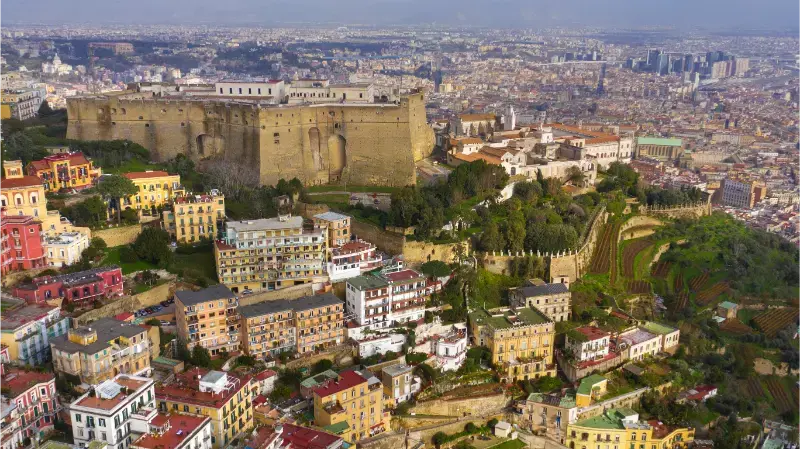
    Castel Sant Elmo Above Naples Italy

    It also solves a practical problem: the wetlands around Ravenna are dispersed. Using Sant”Alberto as the start point reduces the temptation to drive randomly between reserve entrances. The 2026 Welcome Hub Natura was designed for exactly this kind of slower access, with bike services and guided departures that help keep visitors out of the most fragile areas.

    Museo NatuRa: what the closure means

    Older guides often tell visitors to begin at Museo NatuRa, but the official Ravenna Tourism page still states that the museum has been closed for renovation since 1 August 2024. Do not assume that a historic listing or map pin means the exhibition rooms are open. Recheck the official page shortly before your trip because renovation schedules can change.

    The closure does not make Sant”Alberto irrelevant. The nature interpretation role has partly shifted toward organised excursions and the Welcome Hub Natura. For many travellers, this is actually more useful: binoculars, bikes and a guide in the field can explain the landscape better than trying to understand a complex wetland only from indoor displays.

    The Reno ferry and the southern Comacchio lagoons

    The small crossing over the Reno is one of the defining transitions in this landscape. It takes you from the Sant”Alberto side toward the southern edge of the Comacchio lagoons and the routes around Boscoforte. Because ferry operation can be affected by maintenance, river conditions and seasonal arrangements, treat it as a transport link to verify, not as a guaranteed attraction running continuously all day.

    Once across, the sense of space changes immediately. Long embankments, shallow water and open sky make the area excellent for cycling, but there is little shade. Carry water, sun protection and a wind layer even on warm days; the exposed banks can feel much cooler when the breeze rises.

    Flamingo bike tours: when a guide adds real value

    In 2026 Ravenna Turismo advertised guided sunset bike excursions from the Sant”Alberto hub with bicycle rental, binoculars, ferry crossing and environmental guide included. That format is useful because it removes three common planning problems at once: where to rent a suitable bike, how to cross the river and where to look for birds without disturbing them.

    Do not book only because the title mentions flamingos. Wildlife is never guaranteed. The better reason to join is access to local knowledge: guides can adjust observation stops to water level, season and recent bird movements. If you are already an experienced birdwatcher with your own bike and optics, an independent route may be more flexible.

    Boscoforte: special access, not a casual stroll

    Boscoforte is one of the most evocative areas near Sant”Alberto, an ancient dune ridge surrounded by wetlands and known for free-ranging Camargue-Delta horses. Official 2026 events used guided walks of about 5 km, and the meeting point was reached on foot from the ferry parking area. That tells you something important: this is a managed nature experience rather than an urban park with unrestricted wandering.

    If Boscoforte is high on your list, search for a current guided date first and design the rest of the day around it. The route is physically straightforward for many visitors, but exposure to sun, insects and weather matters more than elevation. Binoculars add far more value than heavy camera gear if your main goal is observing animals rather than photography.

    A realistic one-day itinerary

    Start early in Sant”Alberto and confirm the hub, ferry and any booked tour before setting out. If you have a guided morning walk, use the cooler hours in the wetlands, return for lunch and keep the afternoon flexible for a shorter cycle or a drive toward Ravenna. If your booked activity is a sunset flamingo ride, do the opposite: keep the morning slow, avoid exhausting yourself in midday heat and arrive at the hub with time to fit the bike.

    Do not combine Sant”Alberto with a full day of Ravenna monuments. A rushed mosaic morning followed by several hours of wetlands often means you experience both poorly. The strongest pairing is one cultural stop plus one nature activity, or a full nature day followed by dinner back in Ravenna.

    Birdwatching seasons and expectations

    Spring and autumn bring migration and generally the greatest variety, while summer can be excellent for long evenings and guided sunset activities. Winter has a quieter appeal with large open-water views and overwintering birds, but wind and short daylight make cycling more demanding. Whatever the season, early morning and late afternoon usually offer better light and less disturbance.

    Flamingos are the species many visitors hope to see, but a good day should not depend on one bird. Herons, egrets, harriers, waders and ducks can be equally interesting, and the mix changes with water level and season. A guide or recent local observation report helps set realistic expectations.

    Getting there, parking and bikes

    Sant”Alberto is about 15 km north of Ravenna. Driving is the easiest option for a nature-focused day, although bus connections exist. The Welcome Hub Natura in Via Pereo 18 was operating Tuesday to Sunday, 9:00–19:00 in the 2026 programme, with bicycle rental and minor repairs. Treat those hours as a historical planning reference and verify the current season before relying on them.

    If you bring your own bike, a hybrid or gravel-style setup is more comfortable than a narrow road tyre on mixed surfaces. Carry a puncture kit and enough water. Mobile reception is usually adequate but should not replace an offline map, especially if your route extends onto the longer embankments toward the lagoons.

    What to combine with Sant”Alberto

    The most logical companion is the existing Punte Alberete and San Vitale Pinewood guide, but check current access because Punte Alberete had maintenance-related restrictions in 2026. For a cultural contrast, return to the Ravenna travel guide rather than adding another distant wetland.

    If you are travelling north toward Comacchio, Sant”Alberto also works as a transition day between Ravenna and the Delta. That is often more efficient than making it an out-and-back excursion from a base much farther south.

    Mistakes to avoid

    Do not arrive expecting Museo NatuRa to be open without checking. Do not assume the ferry runs continuously. Do not chase wildlife off marked routes, and do not enter Boscoforte simply because a map shows a track. Finally, do not underestimate insects, sun and wind: flat terrain can still be physically tiring when there is little shelter.

    The best Sant”Alberto day is built around one confirmed experience and generous margins. Let the weather and wildlife supply the rest rather than trying to force five named stops into a rigid timetable.

    Decision guide: is this stop right for your trip?

    Choose this destination or route because its main experience matches your priorities, not simply because it appears close on the map. Ravenna province is geographically manageable but highly varied; beaches, wetlands, mosaics and hill towns operate on different rhythms. One well-planned anchor per half-day usually produces a better trip than collecting names.

    Before leaving, check three things in order: the least flexible opening or guided activity, the weather and access conditions for outdoor areas, and your return transport. Then fit meals and flexible walks around those constraints. This is especially important on the coast and in the Po Delta, where seasonal services and environmental restrictions can change faster than urban museum schedules.

    Tours and bookable experiences

    A guided experience is most useful when it solves a real problem such as sensitive-area access, transport, equipment or interpretation. Check exact inclusions, meeting point, duration and cancellation terms before booking. A generic Ravenna tour should never be assumed to include the specific wetland, beach or museum discussed in this guide.

    Where to stay

    Choose accommodation according to the part of the day you value most. Central Ravenna is strongest for monuments and restaurants; the coast is better for early beach time, sunset walks and avoiding repeated parking; a smaller resort can be ideal when nature or family routine matters more than nightlife. Compare parking, breakfast, noise and walking distance rather than room rate alone.

    Official sources and last checks

    Practical details in this guide were checked against official information available in 2026. Recheck opening times, ferry operation, guided visits, beach ordinances and nature-reserve access shortly before travel, because temporary closures and seasonal rules can materially change the best itinerary.

    Final planning advice

    Ravenna province rewards travellers who leave margin. Wind can change a beach day, a guided nature tour can become the highlight, and a quiet pinewood walk can be more memorable than an extra museum rushed before closing. Protect the experiences that require a specific time, then let the rest of the day breathe.

    Last updated: October 17, 2026

  • Castel Bolognese Travel Guide: Mulino Scodellino, Art, Senio Valley and Wine Hills

    Castel Bolognese Travel Guide: Mulino Scodellino, Art, Senio Valley and Wine Hills

    Castel Bolognese is not a castle town despite the name. Its interest lies in a different combination: a Via Emilia settlement with public art, an agricultural hinterland and one of the most evocative surviving watermills in the Faenza area. Mulino Scodellino and the Canale dei Mulini provide the destination with a clear story that many travellers miss while driving between Imola and Faenza.

    The town works best as a half-day or as part of a slow loop through Riolo Terme, Casola Valsenio and the wine hills. Do not come expecting a fortress dominating the skyline. Come for the relationship between water engineering, rural production and twentieth-century art.

    Best forRural heritage, public art, cycling and slow Via Emilia stops
    Main sightMulino Scodellino
    LandscapeCanale dei Mulini, Senio river and nearby hills
    Allow3–5 hours; full day with a wine or Riolo extension
    Good pairingFaenza, Riolo Terme or Casola Valsenio

    Why the name can mislead you

    Castel Bolognese was founded as a fortified settlement connected with Bologna, but travellers looking for an intact medieval castle will be disappointed. Much of the interest today is distributed through the town and countryside rather than concentrated in one monumental complex.

    That is why the best visit begins with the water system and public art. Once you understand those two themes, Castel Bolognese feels coherent instead of like a place missing the castle promised by its name.

    Mulino Scodellino

    Mulino Scodellino is the last surviving witness of the medieval mills built along the Canale dei Mulini. The structure preserves stone millstones, rural architecture and later machinery, while a restored turbine has returned part of the system to working order. It is one of the strongest industrial-rural heritage sites in this part of Romagna.

    Visits, guided tours, workshops and events are programmed rather than necessarily operating like a large daily museum. Check the current calendar or contact the mill before travelling specifically for the interior. Even from outside, understanding the canal system makes the site more meaningful.

    Castel Nuovo Naples Italy

    Diga Steccaia and the Canale dei Mulini

    The canal begins from the Senio near the historic weir at Tebano and runs for many kilometres across the plain. It supplied mills and, historically, the defensive water system of Castel Bolognese. The current landscape therefore links medieval infrastructure with modern biodiversity and agriculture.

    A walk or cycle beside permitted sections is a good way to expand the mill visit. Stay on public routes and remember that canal banks and farm tracks are not automatically recreational paths. Around Faenza’s official information is the best starting point for recognised access.

    Angelo Biancini and art in town

    Castel Bolognese also has a strong connection with sculptor Angelo Biancini, and public works around town create an open-air art layer that contrasts nicely with the agricultural story. Instead of searching only for a conventional museum, look at how sculpture appears in civic space.

    This theme is especially useful when the mill is closed. A self-guided art walk, coffee in the centre and countryside section can still justify a relaxed stop without pretending an inaccessible interior is open.

    A practical half-day itinerary

    Begin in the centre with a short art-focused walk, then drive or cycle toward Mulino Scodellino for a confirmed visit or event. Continue to the canal/Steccaia landscape if conditions are suitable. Finish with lunch or an early aperitivo, depending on your schedule.

    If you have a full day, add Riolo Terme for the fortress and spa atmosphere or Faenza for ceramics. Those combinations are stronger than spending eight hours trying to uncover minor sights in Castel Bolognese alone.

    Getting there and cycling

    The town lies directly on the Via Emilia corridor, making it easy by road and rail between Imola and Faenza. This is one of the destinations in the block where arriving by train can make sense if your plan stays close to town; the rural mill and canal are easier with a bicycle or car.

    Cyclists should expect agricultural traffic on rural roads. Use lights, visible clothing and mapped routes rather than assuming every quiet lane is traffic-free. Flat sections make the area accessible, while the terrain rises as you head toward Riolo and the hills.

    Wine hills and food

    The countryside toward the first hills is part of a broader Romagna wine landscape. Sangiovese remains the obvious red reference, but whites and local producers vary. If you want a winery visit, arrange it rather than arriving at a farm gate and expecting a tasting.

    Food is classic Romagna: piadina, fresh pasta, grilled meats and seasonal produce. The best pairing with Mulino Scodellino is something that connects with flour and rural production, not an elaborate generic tasting menu.

    Best time to visit

    Spring and autumn are ideal for cycling and rural walks. Summer evenings work well when the mill or local organisations programme events, but midday heat makes exposed canal routes less pleasant. Winter is suitable for town and food if you confirm indoor access.

    After heavy rain, river and canal landscapes require extra caution. Do not assume a path is suitable simply because it appears on a map. Check local conditions when weather has been unsettled.

    Families and educational value

    A working mill is easier for children to understand than many static heritage sites because the machinery has a clear purpose. Look for family workshops or demonstrations. Combine the visit with a short canal walk instead of extending the day with multiple churches and plaques.

    For younger children, keep close supervision around water and machinery. The educational value comes from seeing how water becomes energy, which is a simple story that can connect medieval infrastructure with modern engineering.

    Mistakes to avoid

    Do not come expecting a major surviving castle. Do not assume Mulino Scodellino is open every day. Do not wander onto private canal banks, and do not schedule a winery without checking whether tastings require reservations.

    The more subtle mistake is treating Castel Bolognese as a drive-through town because Faenza and Imola are more famous. If rural technology and public art interest you, a planned half-day offers something those larger cities do not.

    How to combine it with the Ravenna province cluster

    Faenza is the natural cultural pairing and already has a full Faenza travel guide. Riolo Terme and Casola Valsenio create a stronger rural/nature loop if you are travelling by car.

    If your base is Ravenna city, do not drive out solely for a quick photograph of the mill. Combine Castel Bolognese with at least one western-province destination so the travel time produces a varied day.

    Decision guide: is this stop right for your trip?

    Choose Castel Bolognese if the themes in this guide genuinely match your interests, not simply because it appears close on the map. Small destinations reward travellers who arrive with one or two clear reasons to be there. If your schedule is already dominated by Ravenna’s UNESCO monuments, it is usually better to give those sites enough time and move this excursion to a separate day.

    Before leaving, check three things in this order: the least frequent opening or guided visit, the weather for any outdoor section, and the final transport or driving plan. Then build meals and flexible walking around those constraints. This simple sequence prevents most wasted journeys in Ravenna province, where small museums and seasonal nature sites often have more limited schedules than attractions in the capital.

    Where to stay

    For a one-off excursion, staying in Ravenna or another established base is usually simpler than changing hotels for a small town. An overnight stay makes more sense when the destination includes evening events, thermal time, a beach holiday or an early nature outing. Compare parking, breakfast and walking distance to dinner as part of the real room cost.

    Official sources and last checks

    Opening times, prices, guided visits, trail access and temporary closures can change. The practical details in this article were checked against official information available in 2026; recheck the linked sources shortly before travel, especially when a limited opening or booked activity is essential to your itinerary.

    Final planning advice

    A strong Ravenna-province itinerary is not the one with the most stops. It is the one that uses each place for what it does best and leaves enough time for food, walking and the unexpected. Choose the main experience first, protect its opening window, and treat nearby attractions as options rather than obligations.

    Practical checklist before you leave

    Save the official attraction page offline or take a screenshot of the current opening information. In small towns, a last-minute staffing change or seasonal timetable can matter more than in a major museum city. If an attraction offers only guided entry, confirm whether you need to arrive early for ticketing or whether the meeting point is separate from the main entrance.

    Check parking and walking surfaces as well as opening hours. Rural Ravenna can be extremely flat, but nature reserves, gypsum trails, canal banks and historic buildings introduce mud, steps and uneven ground. Comfortable shoes are a better default than assuming every lowland destination is an easy urban stroll.

    Finally, leave a margin in the timetable. A long lunch, a market, roadworks or an unexpected exhibition can be the best part of a small-town day. Planning every fifteen minutes removes the flexibility that makes these less-visited places rewarding.

  • Ravenna with Kids: Mosaics, Classis, Beaches, Mirabilandia and Easy Family Planning

    Ravenna with Kids: Mosaics, Classis, Beaches, Mirabilandia and Easy Family Planning

    Ravenna can work extremely well with children, but only if adults stop planning it like an art-history exam. The monuments are small enough to visit in short bursts, mosaics are visually immediate, the city centre is flat, and the wider area adds Classis, beaches, wetlands and Mirabilandia. The challenge is choosing the right mix for your child’s age and attention span.

    A family day should usually include no more than two or three major indoor cultural stops before changing activity. Treasure hunts, mosaic details and stories about emperors, stars and animals are more effective than long chronological explanations. Ravenna Tourism itself publishes family material and in 2026 RavennAntica ran Saturday workshops and animated visits connected with Classis and Theodoric.

    If this is your first visit to the area, the Ravenna Travel Guide explains the main sights and how to fit them into one trip.

    Best for agesFlexible: mosaics for all ages, Classis for school-age children, Mirabilandia for ride-focused days
    City advantageFlat centre and short distances between major monuments
    Best cultural rhythm2–3 indoor stops, then food, park or outdoor activity
    Easy add-onsClassis, beach, pinewood, Mirabilandia
    Ideal stay2–3 nights for culture plus one major family day

    Why Ravenna is easier with kids than it looks

    Unlike museum cities where every highlight requires an hour inside a large building, Ravenna’s major mosaic monuments are compact. A child can enter, look up at a glittering dome, find animals or stars and move on before attention collapses. That makes it possible to create a day of short discoveries instead of long sessions.

    The centre is also relatively flat and walkable. The main logistical challenge is not distance but ticket timing, queues in busy periods and adults trying to see every UNESCO site in one day. Family travel improves when you deliberately leave some monuments for another trip.

    Ravenna Emilia Romagna Italy

    Turn mosaics into a visual game

    Before entering San Vitale or Galla Placidia, give children one or two things to find: a crown, an animal, a pattern, a face or a star. Do not hand them a list of twenty details. The goal is to make them look, not to test memory.

    Photography can become another game, but set limits so the visit does not turn into screen time. Ask for one favourite mosaic detail at each stop. Later, compare the photographs over gelato. This creates a simple narrative without demanding that a six-year-old understand Byzantine politics.

    Which monuments to prioritise

    For a first family day, San Vitale and Galla Placidia are the strongest pair because the spaces feel dramatically different and are close together. Sant’Apollinare Nuovo can be another good stop because the long processions are easy to read visually. Add the baptisteries only if interest remains high.

    Use our Ravenna mosaics guide for the full monument system, but family planning should be more selective. The best day is the one children remember positively, not the one that maximises ticket value.

    Classis Ravenna for context and activities

    Classis Ravenna is one of the best ways to give children context before or after seeing ancient churches. The museum explains Ravenna’s port, trade and development with models, objects and a more spacious museum environment than the tiny mosaic interiors.

    In 2026 RavennAntica programmed family workshops and animated visits at Classis and the Mausoleum of Theodoric. Programmes change, so check the current calendar. A booked family activity can provide the structured explanation adults often struggle to improvise.

    Mirabilandia: treat it as a separate day

    Mirabilandia is close enough to Ravenna that families are tempted to visit mosaics in the morning and the theme park later. That usually produces a rushed version of both. If the park is important, give it a dedicated day and use Ravenna for a slower culture day.

    Our Mirabilandia guide covers rides, tickets, Mirabeach and transport. The key family decision is whether the park is the main reason for the trip or an add-on; accommodation location changes accordingly.

    Beach day: which Ravenna coast works

    Ravenna’s coast offers several lidos with different atmospheres. Families often value shallow sandy beaches, organised services and easy meals more than nightlife. Check whether your chosen beach club includes changing facilities, play areas or parking rather than comparing only umbrella price.

    A beach afternoon after a morning of mosaics can work well in summer, but allow enough time for the drive and parking. Our Ravenna beaches guide compares the main coastal areas.

    A two-day family itinerary

    Day one: choose two central mosaic monuments in the morning, stop for a long lunch, add one easy afternoon site or park and finish early. Day two: pick one major family activity—Classis plus Classe, a beach day, Mirabilandia or a nature outing. This rhythm gives children contrast and gives adults enough culture without constant negotiation.

    If you have three days, use the third for the coast or theme park rather than adding more monuments. Ravenna’s province is one of the rare places where a cultural city break can turn into a family holiday without changing hotel every night.

    Food with children

    Piadina is the obvious easy option because fillings can be simple and meals are quick. Fresh pasta such as cappelletti or tagliatelle works for many children, while gelato makes a natural break between monuments. Choose restaurants where adults also want to eat; there is no need to build the day around a generic children’s menu.

    Long formal lunches can help or hurt depending on age. For younger children, a quick piadina followed by a park break may be better. For older children, a relaxed trattoria lunch can reset everyone before the afternoon.

    Pushchairs, toilets and practical pauses

    The city centre is generally manageable with a pushchair, but individual historic monuments can have thresholds, steps or crowding. A compact stroller is easier than a large travel system. Keep a small bag rather than expecting cloakrooms everywhere.

    Build toilet and snack stops into the route before they become emergencies. Piazza areas and cafés make this easier than at isolated archaeological sites. With young children, staying centrally is often worth more than saving a small amount on a hotel outside the city.

    Bad-weather alternatives

    Classis and the main museums provide useful indoor options, but do not automatically schedule five churches because it is raining. Alternate a museum with a long lunch, a workshop or a hotel rest. The Butterfly House in Milano Marittima can be another seasonal family option if you have a car and it is open.

    Check current programmes rather than assuming family workshops run every day. Ravenna’s special activities are often weekend or seasonal events, which can be excellent if you plan around them.

    Mistakes to avoid

    Do not explain every mosaic. Do not force children through all eight UNESCO monuments in one day. Do not combine Mirabilandia with a serious city itinerary, and do not book a remote hotel if you expect to return for midday rests.

    The most common mistake is treating children as an obstacle to adult sightseeing. Ravenna becomes more interesting for adults too when you slow down, look for visual details and vary the day between art, food and open space.

    Where to stay with a family

    Central Ravenna is the easiest choice for a culture-first trip because you can walk back to the hotel for rests. A coastal base works better if the beach is the main activity and you only plan one city day. For Mirabilandia-heavy trips, compare driving and parking rather than choosing solely by distance on a map.

    Look for family rooms, breakfast, parking and the ability to reach dinner on foot. Those practical features usually matter more than a hotel having a decorative “family-friendly” label.

    Decision guide: is this stop right for your trip?

    Choose Ravenna with Kids: Mosaics, Classis, Beaches, Mirabilandia and Easy Family Planning if the themes in this guide genuinely match your interests, not simply because it appears close on the map. Small destinations reward travellers who arrive with one or two clear reasons to be there. If your schedule is already dominated by Ravenna’s UNESCO monuments, it is usually better to give those sites enough time and move this excursion to a separate day.

    Before leaving, check three things in this order: the least frequent opening or guided visit, the weather for any outdoor section, and the final transport or driving plan. Then build meals and flexible walking around those constraints. This simple sequence prevents most wasted journeys in Ravenna province, where small museums and seasonal nature sites often have more limited schedules than attractions in the capital.

    Tours and bookable experiences

    Guided experiences can be useful when they solve a real planning problem—special access, transport, family interpretation or a nature route that should not be attempted casually. Check the exact inclusions, starting point and cancellation terms before booking; do not assume a general Ravenna excursion enters every place mentioned in its description.

    Where to stay

    For a one-off excursion, staying in Ravenna or another established base is usually simpler than changing hotels for a small town. An overnight stay makes more sense when the destination includes evening events, thermal time, a beach holiday or an early nature outing. Compare parking, breakfast and walking distance to dinner as part of the real room cost.

    Official sources and last checks

    Opening times, prices, guided visits, trail access and temporary closures can change. The practical details in this article were checked against official information available in 2026; recheck the linked sources shortly before travel, especially when a limited opening or booked activity is essential to your itinerary.

    Final planning advice

    A strong Ravenna-province itinerary is not the one with the most stops. It is the one that uses each place for what it does best and leaves enough time for food, walking and the unexpected. Choose the main experience first, protect its opening window, and treat nearby attractions as options rather than obligations.

    Last updated: October 17, 2026