Veneto can feel like several different vacations sharing a border. One day you might be navigating Venice's canals and narrow lanes; another, standing in a Roman amphitheater in Verona or following elegant streets in Vicenza. Continue north and the landscape changes again, toward the Belluno Dolomites and mountain valleys. Travel east to the Adriatic and you find long sandy beaches, fishing towns and lagoons; turn west and Lake Garda opens the door to lakeside walks and boat trips. The trick is not to see everything. It is to understand which parts fit naturally together and build a trip that gives each place enough time.
If Venice and Veneto are one stage of a wider vacation, use the Italy travel guide to decide how much time to leave for other regions.
| Base | Best for | Suggested stay |
|---|---|---|
| Venice | Canals, major art, islands | 2–4 nights |
| Padua or Vicenza | Museums, architecture, rail access | 1–2 nights |
| Verona | Historic center and eastern Lake Garda | 2–3 nights |
| Belluno Dolomites | Mountain trails and alpine scenery | 3+ nights |
The region is well connected by rail, particularly across the urban corridor between Venice, Padua, Vicenza and Verona. That makes it tempting to add one day trip after another. Some combinations work beautifully; others become a blur of stations and rushed reservations. Veneto rewards a slower approach in Venice, where getting lost is part of the pleasure, and in the smaller towns where historic squares are best enjoyed after lunch rather than between transport deadlines.
First choose which Veneto you want to discover
A cultural first visit might focus on Venice, Padua, Vicenza and Verona, sleeping in two bases and traveling mostly by train. A family vacation may combine the eastern Lake Garda shore with parks and gentle lake activities. Summer beach travelers could settle near Jesolo, Caorle or Bibione and explore nearby towns when the weather is less suitable for the sea. Hikers and photographers drawn to the Dolomites need another style of planning altogether, because mountain buses, cable cars, trail conditions and weather do not follow the schedule of city sightseeing.
If you have four nights, do not attempt to combine Venice, Verona, Cortina and the coast. A more realistic plan is Venice plus Padua, or Verona plus Vicenza and a Lake Garda outing. With a week, a route through three cities can feel satisfying. With ten to fourteen days, you can add either mountain or coast time, but choose one major outdoor area rather than zigzagging across the region every other day.
Venice: more than a day of famous landmarks
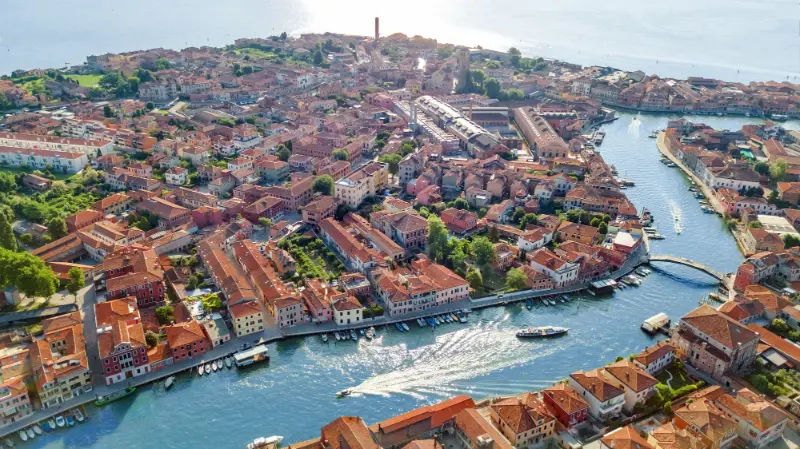
Venice is the region’s headline destination and, for many travelers, the main reason to come. St. Mark’s Square, the Doge’s Palace and the Rialto area deserve their reputation, yet the city’s character comes through as you cross smaller bridges, notice workshops tucked into side streets and sit beside a quiet canal in the morning. Staying overnight changes the experience: early and late hours often feel different from the busiest parts of the day.
Explore this part of the journey in more detail with Venice Travel Guide for First-Time Visitors, Where to Stay in Venice and Murano, Burano and Torcello Guide.
Treat transport as part of the itinerary. Walking is the most direct way to connect many central sights, but bridges and steps can make routes tiring, especially with heavy luggage or a stroller. Vaporetti are essential for longer water journeys and for reaching islands, yet they cost more than ordinary city buses. Review the current ACTV options before buying a pass. For Murano, Burano and Torcello, prioritize what you actually want to experience rather than assuming that all three islands fit comfortably into a short afternoon. Some popular attractions require timed tickets, and regulations affecting day visitors should always be checked against official Venice notices for your particular travel date.
Verona: an ancient city with an active everyday life
Verona is easy to recognize through its Roman Arena and Juliet-related places, but those should be the beginning rather than the whole itinerary. The streets around Piazza delle Erbe, the river Adige, historic bridges and hillside viewpoints explain why the city works so well on foot. Its center is compact enough for a day trip, although two nights allow time to visit monuments without rushing and to enjoy dinner after excursions have ended.
Explore this part of the journey in more detail with Verona Travel Guide and Lake Garda Veneto Guide.
The Arena hosts events and performances, so visiting conditions may change on certain dates. Check the calendar before planning the day around access to the interior. Verona is also an excellent base for the southern and eastern areas of Lake Garda, though individual lake destinations differ in accessibility. Peschiera del Garda has useful railway connections; other towns need buses, boats or a car. If you are combining Verona with Venice, the direct rail corridor keeps the transfer manageable, but remember that a day of museums and a late arrival is still a tiring day.
Padua, Vicenza and Treviso: the cities to make room for
Padua is one of Veneto’s strongest cultural destinations. The Scrovegni Chapel draws visitors for Giotto’s frescoes, but the city also offers the Basilica of Saint Anthony, historic university spaces, arcaded streets and lively squares. Chapel access may require reservations and a specific visit time, so organize the day around that booking. Padua works as a day trip from Venice or a convenient base for a broader railway itinerary. Its historic center is large enough that comfortable shoes and a sensible route matter.
Explore this part of the journey in more detail with Padua Travel Guide, Vicenza Travel Guide and Treviso Travel Guide.
Vicenza is a natural next stop for architecture lovers. Andrea Palladio’s legacy is visible in the Teatro Olimpico and other buildings in the city, while villas in the surrounding countryside need separate transport plans. A rail-based visit can cover central Vicenza well, but not every villa in one day. Treviso offers a gentler pace, with waterways, arcades and small squares that feel especially enjoyable when you are not chasing a long attractions list. It makes sense as an overnight stop for travelers who prefer modestly sized towns, or as a complement to Venice for a day with fewer major ticket bookings.
Lake Garda: choose your shore and your transport
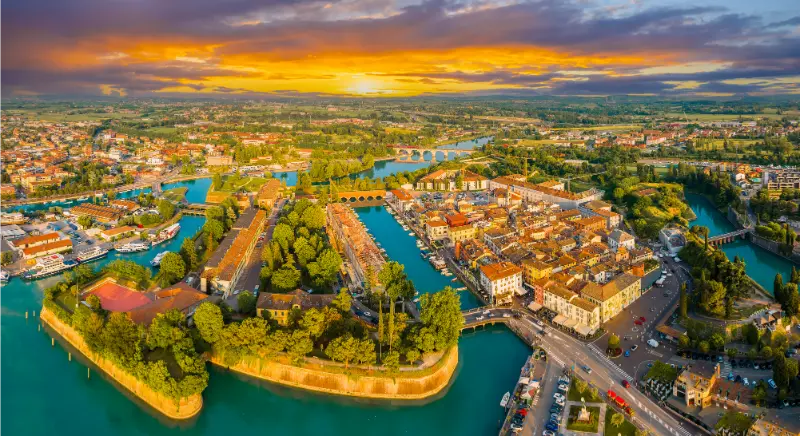
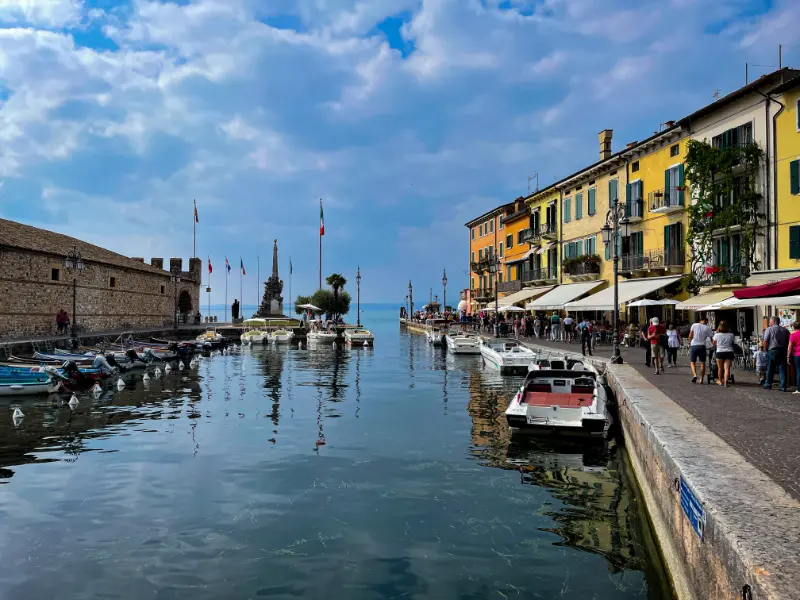
Only the eastern shore of Lake Garda belongs to Veneto, and it has its own strong identity. Lazise and Bardolino suit travelers who imagine promenades, cafés and easy lakeside evenings. Garda is a good starting point for boat trips and nearby walks, while Malcesine introduces a more dramatic mountain backdrop and access toward Monte Baldo. Peschiera del Garda is particularly convenient for visitors arriving by train, though many attractive waterfront places require onward travel by bus or boat.
Explore this part of the journey in more detail with Lake Garda Veneto Guide.
Do not assume the lake has a fast boat from any town to any other town throughout the day. Services vary by route and season, and wind or weather may disrupt trips. A road journey that appears short can slow down when traffic builds in peak summer. For families, selecting accommodation close to the town they will actually use can matter more than booking the property with the most dramatic lake view. If your priority is visiting Gardaland or other family attractions, check park schedules and travel connections individually and do not assume a full day of sightseeing can be added afterward.
The Belluno Dolomites: a different pace and different preparation
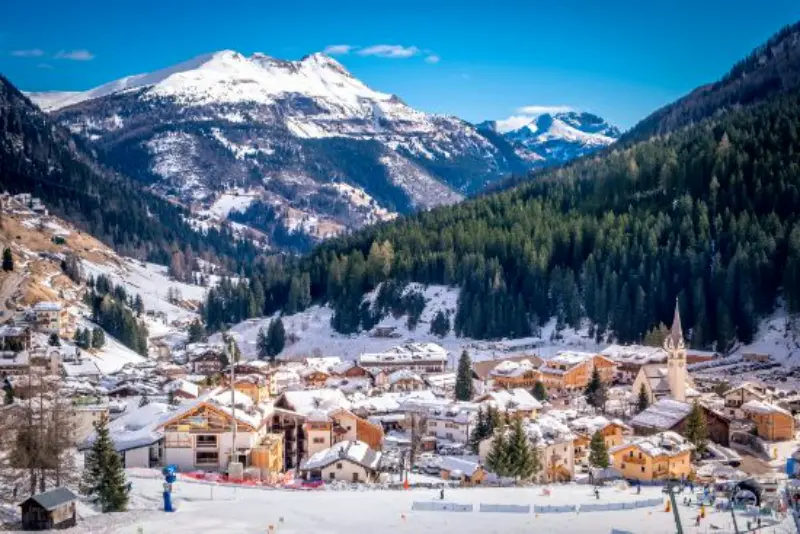
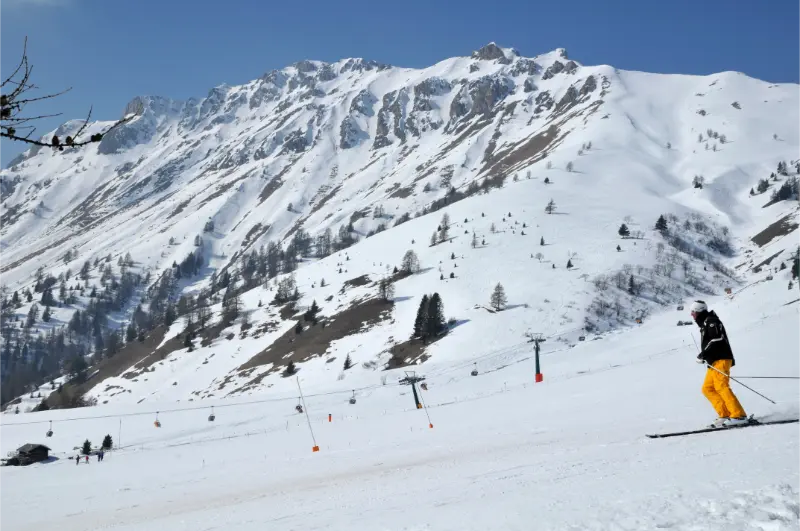
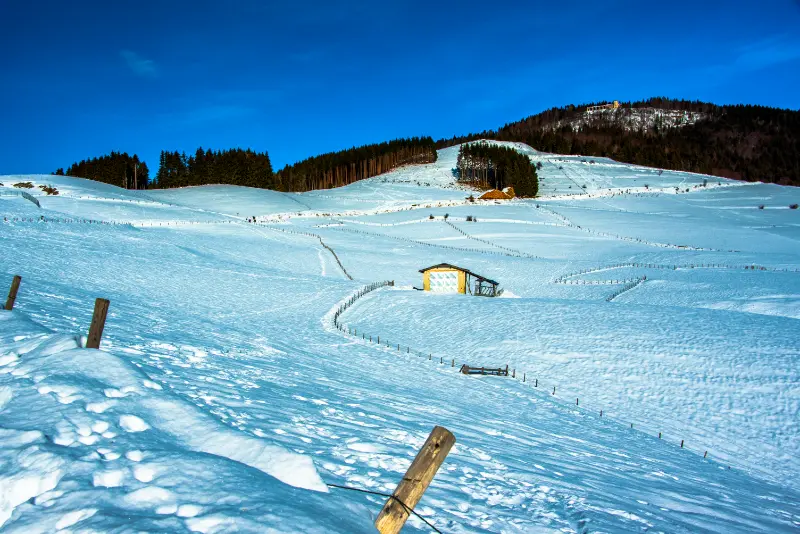
The northern part of Veneto is alpine country. Cortina d’Ampezzo is the most internationally recognizable base, with mountain scenery, winter sports and access to hiking areas. The Cadore valleys and other parts of Belluno province offer alternatives with distinctive towns, lakes and trails. The Dolomites are not a single viewpoint reached by one bus; distances between valleys and trailheads can be surprisingly demanding even when the map looks compact.
Explore this part of the journey in more detail with Veneto Dolomites Guide.
A realistic mountain day begins with understanding the route’s length, elevation, exposure and access. A cable car may shorten the ascent but does not turn every ridge walk into an easy family hike. Mountain forecasts change quickly. In late spring, lingering snow may affect paths that look inviting in photographs, while autumn lift closures can alter plans. Drive only where access is permitted and do not rely on roadside parking near popular trailheads. Booking accommodations for several nights in one valley usually works better than changing hotels daily to chase famous viewpoints.
The Adriatic coast: sandy beaches and lagoon landscapes
Veneto’s coast stretches well beyond the Lido of Venice. Jesolo is a classic lively resort with a long beachfront and extensive family services. Caorle adds a fishing-town identity and a walkable old center; Bibione is known for wide beaches and holiday accommodation. Cavallino-Treporti is particularly interesting for campers and travelers seeking a mix of coast, lagoon routes and access toward Venice. These choices aren’t substitutes for one another. An energetic resort evening and a calm walk through coastal pinewoods may require different bases.
Explore this part of the journey in more detail with Chioggia Travel Guide.
Summer is the main season for swimming and organized beach activities. Beach concessions, public areas, accessibility facilities and opening dates are local matters: check the section of shoreline where you plan to stay. If you want a coastal base for visiting Venice, calculate transport time door to door, including the wait for boats or buses and the return journey at night. Chioggia and the Po Delta area offer a different perspective on working waterways, fishing traditions and natural landscapes, though exploring wetlands and remote locations may be easier by car or with a guide.
Food and wine: regional differences worth noticing
Veneto’s food cannot be reduced to a single pasta dish. In Venice and the lagoon, fish, seafood and small cicchetti snacks shape many casual eating experiences. Inland, risotto, polenta and regional cheeses appear in different combinations. The Verona area is associated with particular wines and hearty local dishes, while the hills of Valdobbiadene and Conegliano provide an important landscape for wine-related visits. Tasting rooms and vineyard tours should be reserved when required, especially if you are relying on an organized transfer.
Explore this part of the journey in more detail with Prosecco Hills Guide and Venice Cicchetti and Bacari Guide.
A market visit can be just as revealing as a formal tasting. Observe how produce changes with the seasons, try a local bakery and leave space for an unplanned lunch. Prices rise around the busiest sights, particularly in central Venice; stepping away from major visitor routes may offer different options, but a low price is not automatically a sign of quality. Read menus and understand service charges before ordering. If visiting wineries, do not plan to drive after tasting; use a designated driver or book transport that fits your itinerary.
Getting around by train, boat, bus or car
For a city itinerary, the railway is your friend. Venice, Padua, Vicenza, Verona and Treviso are connected by frequent services, although not every train stops everywhere and fares depend on the service type. In Venice, distinguish Venezia Santa Lucia, reached on the islands, from Venezia Mestre on the mainland. Choosing the wrong station can change the last part of the journey substantially. Check routes and departures at https://www.trenitalia.com and validate paper regional tickets where required by the ticket format.
Buses, seasonal boats and local transport become more important for the lake, coast and mountain resorts. Some routes are useful for sightseeing only in one direction or at particular times of year. A rental car allows more flexibility for countryside villas, remote trailheads and multiple small towns, but it is unnecessary inside Venice and often inconvenient in historic city centers. Look for ZTL restrictions, permit-only streets, parking reservations and mountain road closures. Driving distances should be estimated from actual road routes rather than a straight-line map. For airport arrival, check whether Venice Marco Polo, Treviso or Verona provides the most convenient transfer to your base.
Where to stay: base decisions that simplify the trip
Venice is the obvious choice for a trip centered on its islands; staying within the historic city allows quiet morning exploration but may involve bridges and luggage logistics. Mestre offers an alternative with straightforward rail connections and often different pricing, though it is not the same atmosphere as sleeping beside a canal. Padua can serve as a calm base for multiple train trips. Verona works particularly well for combining a city stay with Lake Garda, while Treviso may appeal to travelers seeking a smaller urban setting.
For mountain travel, choose the actual valley or area you plan to walk in, not simply the cheapest room that appears within the wider Dolomites. A remote lodging with a panoramic balcony may add a long drive to every morning. On the coast, accommodation near the beach is useful when traveling with young children or anyone who needs an easy midday break. Consider parking, air conditioning, elevator access and evening noise alongside price. Changing rooms less often creates more time for enjoying the region rather than managing check-in schedules.
When to visit Veneto and how to plan around the weather
Spring and fall suit most city travelers. Temperatures are often more comfortable for walking than in midsummer, although rainy spells and local festivals can affect plans. Venice can be atmospheric in winter, but shorter days, cold damp weather and occasional high-water conditions require flexibility; consult official alerts rather than treating flooding as a permanent daily feature. Summers can be hot and humid in the lowlands, so museum bookings in the morning and slower afternoons help considerably.
The coast is at its most active in summer, while mountain hiking usually depends on a shorter season and specific trail conditions. Winter sports centers operate on their own calendars, which are subject to weather and lift maintenance. Shoulder-season holidays can be good value, but visitors may discover that some alpine lifts or beach businesses are not running. Don’t choose a date on the assumption that every region-wide activity is available simultaneously. Check the actual opening times for the sights or experiences that matter most to you.
Seven days in Veneto without rushing across the region
A straightforward route begins with three nights in Venice, allowing two full days for the main sights and a quieter neighborhood or island outing. Travel to Padua for two nights. This gives you time to explore Padua itself and make an easy trip to Vicenza if its architecture interests you. Finish with two nights in Verona, enjoying the historic center and adding a Lake Garda outing only if the weather and transport timetable make it sensible.
This itinerary intentionally leaves the mountains and most of the coast for another journey. If you have ten days, add either three nights around Cortina or three nights by the sea, rather than using those days for long out-and-back drives. With children, you may prefer to exchange one city for a longer lake stay. Outdoor travelers can reverse the route altogether and give the majority of the week to one mountain valley. A good itinerary is one that matches your preferred pace, not the one with the most names on the map.
Booking priorities, accessibility and reliable resources
For Venice, reserve the most important timed sights early when traveling in a busy period and verify any visitor access rules for your dates. In Padua, the Scrovegni Chapel deserves similar advance attention. For a summer lake or mountain holiday, accommodation and transport may be the limiting factors; secure those before adding optional activities. Historic centers may have uneven surfaces, bridges or stairs, so visitors requiring step-free routes should ask for specific access details instead of relying on generic descriptions of accessibility.
Use the regional portal at https://www.veneto.eu, transport providers and the official sites of individual museums, parks and mountain lifts to confirm current arrangements. Avoid making a strict timetable around a ferry that operates only seasonally or an attraction with changing hours. Veneto is unusually varied, which is exactly its appeal. You can return for a different trip and still feel that you are discovering a new part of northern Italy.
Practical questions
Can I explore Veneto without renting a car?
Yes for Venice, Verona, Padua, Vicenza and Treviso using trains. Mountain trailheads, remote villas and some lake towns require buses, boats or a car.
How long should I spend in Veneto?
A week works for Venice, Padua and Verona. Add several days if you also want the Dolomites or a relaxed coastal stay.
Is Venice a good base for the entire region?
It is excellent for Venice and nearby rail trips, but less practical for daily trips to the Dolomites or distant lake resorts.
Compare accommodation in Veneto after choosing the area that suits your route.