
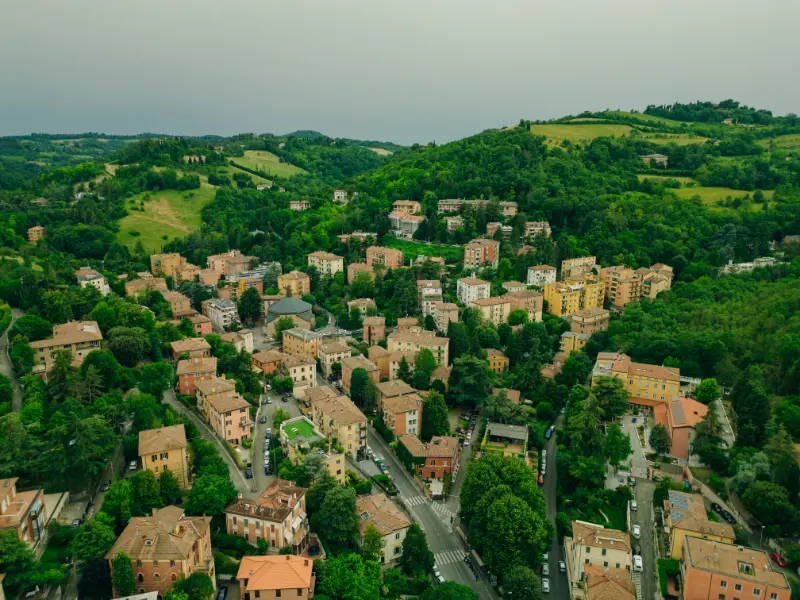
Choosing where to stay in Bologna is mostly about deciding how close you want to be to Piazza Maggiore versus how much you value quiet streets, station access or nightlife. The historic centre is compact, so there is no single “correct” neighbourhood. A hotel ten minutes farther out can be a better choice if it gives you quieter nights or easier rail connections.
At a glance
| Best first-time base | Piazza Maggiore / historic centre |
|---|---|
| Best for food | Quadrilatero or Mercato delle Erbe area |
| Best for station access | Via Indipendenza / Bologna Centrale |
| Best quieter central area | Santo Stefano |
| Best for nightlife | University quarter, with noise trade-offs |
Historic centre around Piazza Maggiore
This is the most convenient area for a first visit. San Petronio, the Quadrilatero, the Archiginnasio and the main civic buildings are steps away, while the Two Towers and Santo Stefano are easily walkable. You can return to your room between sightseeing and dinner without using buses.
If you are planning several stops rather than just Where to Stay in Bologna, start with the Bologna Travel Guide for a sensible route and transport advice.
The trade-off is price and noise. Rooms directly on major squares or nightlife streets can be expensive and busy. Check recent reviews specifically for street noise, air-conditioning and lift access rather than assuming a central hotel is automatically comfortable.
Quadrilatero: food at your doorstep
The Quadrilatero is ideal for travellers who want market streets, restaurants and salumerie outside the door. It is particularly enjoyable for a short food-focused stay because you can visit the market in the morning, return for lunch and still be within minutes of Piazza Maggiore.
The downside is that the same atmosphere can mean noise from deliveries, diners and evening crowds. A room facing an internal courtyard can make a major difference. Read the Bologna food guide before deciding whether you really need to sleep inside the busiest food zone.
Santo Stefano: attractive and calmer
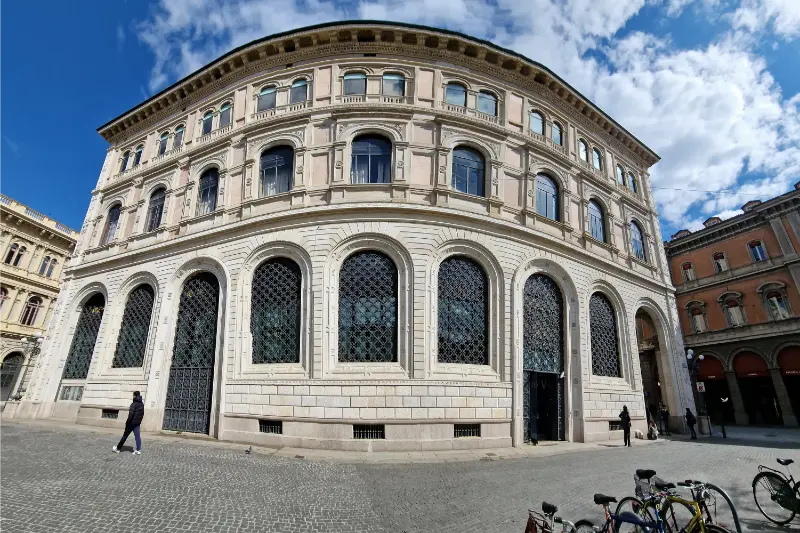
The streets around Piazza Santo Stefano feel elegant and residential while remaining very close to the centre. This is one of the strongest choices for couples or repeat visitors who want atmosphere without being directly in the busiest pedestrian flow. The Two Towers are close, and restaurants are plentiful without every doorway feeling tourist-oriented.
Prices can still be high, especially for boutique properties in historic buildings. Check whether the room has stairs, a small lift or restricted vehicle access if arriving with heavy luggage.
Via Indipendenza and the station corridor
The area between Piazza Maggiore and Bologna Centrale is practical for travellers making day trips by train. Via Indipendenza itself is busy and commercial, but side streets can offer a good compromise between central sightseeing and station convenience. Walking from the station to Piazza Maggiore usually takes around 15–20 minutes depending on luggage and pace.
This zone is especially useful if Bologna is your base for Modena, Parma, Ferrara or Ravenna. You avoid spending an extra 20 minutes crossing the centre before every early train.
Bologna Centrale: convenience over charm
Staying immediately beside the station is sensible for a one-night stop, late arrival or itinerary with multiple rail day trips. It is less atmospheric than Santo Stefano or the streets around Piazza Maggiore, but convenience can outweigh aesthetics when you have a 06:30 train or heavy luggage.
Compare the exact address carefully because “near Bologna Centrale” can describe properties on different sides of the tracks. Check the walking route, not just straight-line distance.
University quarter
The university area around Via Zamboni is lively, youthful and often more affordable than the core around Piazza Maggiore. It works for travellers who enjoy bars, student energy and late evenings. Cultural attractions such as the Pinacoteca and university museums are also nearby.
The trade-off is noise. Some streets remain active well into the night, and the atmosphere is less polished than the monumental centre. If you are a light sleeper, choose a property on a quieter side street or stay elsewhere and visit the district in the evening.
Mercato delle Erbe and western centre
The area around Mercato delle Erbe and Via del Pratello is excellent for food and nightlife with a more local feel. It remains walkable to Piazza Maggiore while placing you closer to the western side of the centre and the route toward Via Saragozza and San Luca.
Via del Pratello can be very lively at night. The area is better for travellers who enjoy that energy than for families with early bedtimes.
Saragozza
Saragozza is a strong choice if you want a residential atmosphere and easy access to the portico route toward San Luca. The closer you stay to Porta Saragozza, the easier it remains to walk into the historic core. Farther west, buses become more useful.
This area suits a three- or four-night stay when you want to combine central sightseeing with the hills and a less tourist-saturated evening environment.
Fiera district
The exhibition district is primarily useful for travellers attending trade fairs, congresses or events. Hotels can be large and business-oriented, and transport into the historic centre is necessary. During major events, however, central hotels may become expensive or unavailable, making Fiera a practical compromise.
If you are visiting purely for tourism, choose the historic centre unless a significantly better rate or specific event justifies staying farther out.
Bolognina
North of the railway tracks, Bolognina has a more contemporary, multicultural neighbourhood feel and can offer better value. It is not the obvious choice for a first 24-hour visit because the station forms a psychological and practical boundary, but it can work well for longer stays or travellers who prefer less tourist-oriented surroundings.
Check evening transport and the precise walking route to the station. A property that looks close on the map may require a less direct pedestrian crossing.
How much location matters in Bologna
Because the central sights are so compact, being five minutes from Piazza Maggiore is a luxury rather than a necessity. A 15-minute walk can save money and produce quieter nights. Prioritise room quality, air-conditioning in summer and soundproofing over shaving a few minutes from every walk.
If you have mobility limitations, however, location becomes more important. Historic pavements and long days on foot add up, so choose accommodation near the sights you care about and verify lift access.
Tourist tax in 2026
Bologna’s tourist tax for 2026 is calculated by accommodation price per person per night. Bologna Welcome lists €4 for the lowest price band, rising through €5.80 and €6.50 to €7 for the highest band; hostels and campsites have a fixed €2.80 rate. Children under 14 are among the exempt groups.
Tax rules can change annually, so confirm with the property before arrival. Do not compare hotel prices using the headline room rate alone if one booking platform shows taxes separately.
Booking strategy
Bologna becomes expensive during major fairs, university events and popular weekends. If your dates are fixed, reserve a refundable room early and recheck rates later. For ordinary midweek dates, you may have more flexibility, but central boutique hotels can still sell out quickly.
Use Booking.com to compare current Bologna availability and then inspect the property’s exact position relative to the station, Piazza Maggiore and your evening plans. A good map check prevents many accommodation mistakes.
Best area by trip type
Choose Piazza Maggiore for a first 1–2 night visit; Santo Stefano for a romantic or quieter central stay; Via Indipendenza for rail convenience; the university area for nightlife; Saragozza for a residential feel and San Luca access; Bologna Centrale for a transport-heavy stop.
The Bologna travel guide and two-day itinerary can help you test whether the neighbourhood matches your actual sightseeing route.
Final thoughts
Bologna is forgiving when it comes to accommodation location because the centre is compact. Pick the neighbourhood whose evening atmosphere suits you, then prioritise room comfort and access. A slightly longer walk under the porticoes is usually a better trade than a noisy room directly above the busiest street.
Historic buildings: comfort checks before booking
Many appealing Bologna hotels and apartments occupy old palazzi. Character can come with trade-offs: small lifts, internal steps, rooms facing arcades, limited natural light or air-conditioning systems constrained by the building. Study room-level reviews and photographs rather than judging the property only from its beautiful entrance courtyard.
If you have a stroller, wheelchair or large suitcase, ask directly about the route from street to room. “Lift available” does not always mean completely step-free access in a historic building.
One more practical note
Before travel, verify current opening times, ticket requirements and transport conditions directly with the official operator. Leave a buffer around reservations and avoid planning the day so tightly that a short delay forces you to skip the next experience. Bologna is compact enough that a flexible route usually works better than an over-engineered schedule.
Last updated: October 17, 2026