
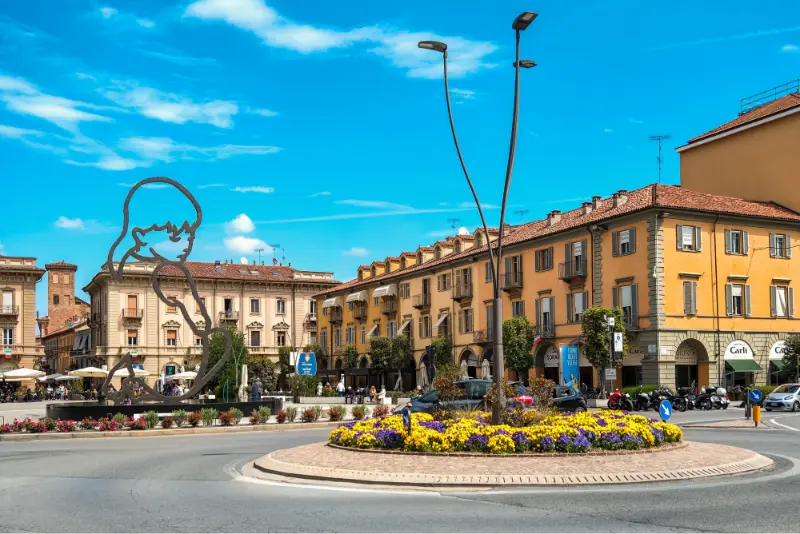
Autumn in Alba is the most intense period in the Langhe: the white truffle becomes the centre of markets, restaurant menus, sensory workshops and special events while harvest tourism keeps the surrounding wine villages busy. The International Alba White Truffle Fair is not a single weekend but a broad calendar, so successful planning depends on choosing dates, accommodation and restaurant reservations early—and understanding that truffle experiences are seasonal agricultural culture, not guaranteed treasure hunts.
Quick planning overview
| Best for | Food travellers, autumn atmosphere and special events |
|---|---|
| 2026 activity | Official calendar shows Truffle World Market events from October into late November |
| Base | Alba for walking access to fair events |
| Book early | Accommodation, restaurants and weekend experiences |
| Combine with | Barolo, Barbaresco, La Morra and Grinzane |
What the Alba truffle fair actually is
The fair combines a truffle market, tastings, cooking events, sensory workshops, cultural programming and activities across Alba and nearby venues. The 2026 official calendar shows the Truffle World Market operating on weekends beginning in October, with related activities continuing through November. Exact programme details vary by date, so choose the weekend by checking the live calendar rather than assuming every event runs every day.
If this is your first visit to the area, the Langhe Travel Guide explains the main sights and how to fit them into one trip.
The official International Alba White Truffle Fair website is the source to use for current tickets and schedules.
Why white truffle is different
The prized Alba white truffle, Tuber magnatum Pico, is valued for aroma and seasonality. It is not cultivated in the same predictable way as many farm products; availability depends on natural conditions and regulated collection. That variability affects market supply, size and price.
Visitors should be wary of anyone promising a guaranteed quantity or a theatrical “find” detached from real conditions. Authentic truffle culture is more interesting when uncertainty is acknowledged.
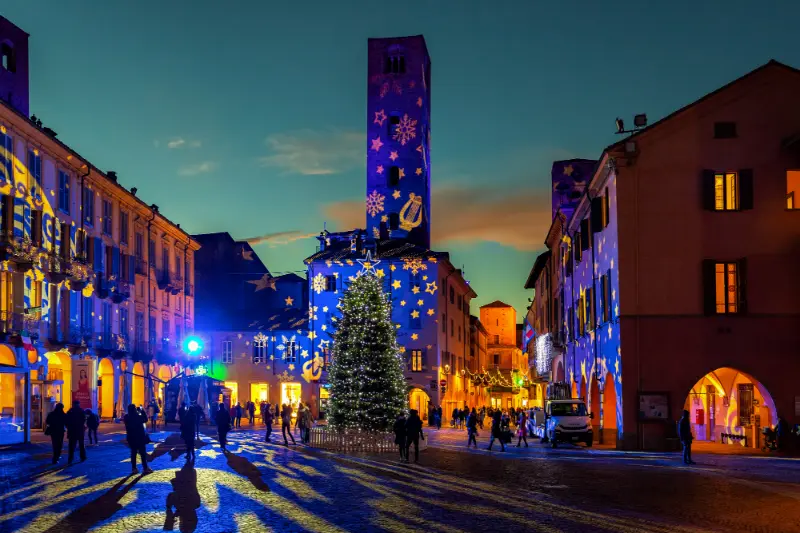
The Truffle World Market
The market is one of the most direct ways to see inspected white truffles, learn how quality is evaluated and understand why prices differ. Go early if you want time to ask questions before peak crowds. Buying a truffle is optional; observing, smelling and learning can be enough.
If you do buy, ask about storage and how quickly it should be used. White truffle is intensely perishable, which makes it a poor impulse souvenir for travellers with several days left before flying home.
Sensory analysis and workshops
The official 2026 calendar includes truffle sensory analysis sessions and guided MUDET experiences on numerous dates. These can be more educational than simply ordering truffle at dinner because they teach aroma, quality and handling.
Reserve ahead when the calendar allows. Weekend sessions can sell out, particularly around major fair dates.
Eating white truffle in restaurants
Restaurants often shave white truffle over simple dishes designed to carry aroma: eggs, tajarin, risotto or fonduta are common examples. The truffle may be priced by weight rather than included in the base menu price. Ask how charging works before ordering and, where appropriate, watch the weighing process.
A heavily sauced dish can obscure the product you are paying for. Simpler preparations usually make more sense for a first tasting.
How much should you plan to spend?
White truffle pricing changes with harvest conditions, supply, size and quality, sometimes substantially within one season. Any fixed “per gram” number copied months earlier can mislead. Use the fair market and restaurant’s current price on the day, then decide whether the experience fits your budget.
You do not need a large quantity. A small shaving over one course can provide the aroma without turning every meal into a major expense.
Truffle hunts and experiences
Guided outings with a truffle hunter and trained dog can help explain woodland ecology and collection traditions. Book through reputable operators who present the activity as education rather than a guaranteed treasure show. Wear outdoor shoes and expect uneven ground, mud and variable weather.
Ask whether transport is included, how long the walk lasts and whether the experience is appropriate for children or travellers with mobility limitations.
Where to stay during fair season
Alba is the easiest base if fair events are the priority because you can walk to many venues and dinner. The trade-off is price and availability. Rural Langhe properties provide views and calm but create a transport issue after wine or truffle dinners.
Reserve as early as your dates allow and compare alternatives in our where-to-stay guide.
Driving and parking in Alba in autumn
Expect heavier traffic than on an ordinary Langhe weekend. Use designated parking, follow temporary event signs and arrive before the busiest hours. If your hotel is central, leave the car there and walk whenever possible.
Do not schedule a timed winery visit immediately after a crowded market session; build a buffer for getting out of town.
Combining truffles with wine country
One fair day in Alba plus one or two days in the vineyards works better than trying to alternate market and winery appointments every few hours. Spend a full day with Alba and the fair, then dedicate another day to Barolo and La Morra or to Barbaresco and Neive.
This separation also reduces the temptation to drink wine before driving back into fair traffic.
What to wear and expect from autumn weather
Autumn can move from mild sunshine to rain and fog quickly. Pack layers, waterproof footwear and a light rain shell. Vineyard paths become muddy, and evening temperatures drop faster than many visitors expect after warm afternoons.
Fog is part of the Langhe atmosphere but can reduce driving visibility. Slow down and do not chase viewpoints when conditions are poor.
A two-day truffle-focused plan
Day one: arrive in Alba, explore the historic centre, visit the fair market and join one sensory or cooking experience. Reserve a truffle dinner but keep lunch simple. Day two: have a later start, visit Grinzane Cavour or a wine village, book one winery and finish with a non-truffle dinner to avoid palate fatigue.
This gives the white truffle a central place without allowing one ingredient to consume the entire trip.
Buying truffle products
Fresh white truffle and truffle-flavoured products are not the same thing. Oils, sauces and packaged foods often use different ingredients or flavourings. Read labels carefully and buy because you enjoy the product, not because a package uses the word “Alba.”
For gifts, hazelnuts, chocolate, wine and durable regional foods may travel more easily than a highly perishable fresh truffle.
Ethics and authenticity
Truffle culture depends on woodland, trained dogs, local knowledge and seasonal ecology. Choose experiences that explain this relationship rather than promising staged spectacle. Responsible operators protect locations and may avoid revealing exact hunting grounds, which is normal and helps preserve productive areas.
If you dislike truffle
You can still enjoy Alba in autumn. The fair includes wine, cooking, markets and cultural events, while the city remains a historic destination. Do not order expensive truffle merely because it is famous; spend instead on hazelnuts, wine, chocolate or a restaurant dish you actually want.
How much time should you leave?
Allow more time than the map suggests. Parking, walking, meals and conversations are the substance of a Langhe trip, not delays to remove. A half day should contain one principal village or attraction plus at most one scheduled experience.
Do you need advance reservations?
Reserve wineries, important restaurants and any timed museum or castle visit that matters to you. Leave cafés, viewpoints and ordinary village walking unscheduled so the day can absorb weather and traffic changes.
Can you visit without drinking wine?
Yes. The Langhe are a cultural landscape of villages, castles, food and agriculture. Wine explains much of the territory but does not need to be consumed for the trip to be worthwhile.
Planning around meal times
Small Langhe villages do not operate like large cities with continuous service. Lunch and dinner reservations shape the day, and kitchens may close between services. Put winery visits on either side of meals rather than assuming you can eat whenever a tasting finishes. This also creates natural breaks between driving, walking and alcohol.
What to do if plans change
Weather, traffic, harvest work and opening schedules can change a day quickly. Keep one unscheduled village or viewpoint as a flexible option and save official links in your phone. If a winery cancels or a monument is closed, use the extra time for a longer lunch, an enoteca visit or a walk instead of trying to replace the reservation at the last minute.
Photography and private property
The vineyard landscape is visually open but much of it is private agricultural land. Take photographs from public roads, village terraces and marked paths, never from planted rows unless the owner explicitly permits access. Drones require separate legal and local checks and can disturb residents and farm work, so do not assume a scenic rural setting means unrestricted flying.
Mobile coverage and practical backups
Coverage is generally adequate but can weaken in valleys, inside thick-walled buildings and on minor roads. Download maps, keep addresses and booking confirmations available offline, and carry a small power bank on full sightseeing days. Paper or screenshot backups are especially useful when a timed visit depends on finding a rural entrance rather than a prominent city landmark.
How this stop fits a longer Piedmont trip
The Langhe work well after Turin because the rhythm changes from museums and boulevards to villages, vineyards and long meals. Avoid treating the region as a same-day extension of city sightseeing if wine and food are priorities. Two or more nights allow you to slow down, reduce evening driving and understand why these hills are a destination rather than only a collection of famous bottles.
Useful links for planning
- Langhe travel guide
- Where to stay in the Langhe
- Official Alba White Truffle Fair
- Check accommodation options
Last updated: October 17, 2026