

The Asiago Plateau is not just the town of Asiago but a broad highland known historically as the Altopiano dei Sette Comuni. Its appeal changes dramatically by season: summer brings walking, cycling and cool evenings; autumn adds forests and food traditions; winter turns the plateau into one of the Veneto’s major Nordic-skiing areas. Great War sites and local cheese provide cultural depth that makes the destination useful even for travellers who are not serious hikers.
| Best for | Mountain families, easy outdoor days, history, cheese and winter sports |
|---|---|
| Main municipalities | Asiago, Enego, Foza, Gallio, Lusiana Conco, Roana and Rotzo |
| Winter strength | Extensive cross-country network plus downhill areas |
| Ideal stay | 2–4 nights; longer for skiing or multi-day hiking |
Understanding the Seven Municipalities
The tourism area groups Asiago with Enego, Foza, Gallio, Lusiana Conco, Roana and Rotzo. Each has a different relationship with the plateau’s meadows, forests and historic sites. Staying in Asiago gives the widest restaurant and service choice, while smaller municipalities can feel quieter and place you closer to particular trails or war landscapes.
Do not plan the plateau as if all attractions are walkable from one centre. A car is extremely useful outside Asiago town, especially for trailheads, memorials and winter areas. If you are relying on buses, choose accommodation near the routes you will actually use and simplify the itinerary rather than assuming mountain public transport runs like a city network.
Asiago town and the Sacrario Militare
Asiago itself is compact and easy to explore on foot, with a pedestrian centre, cafés, shops and a strong food identity. The huge white war memorial, the Sacrario Militare del Leiten, dominates the landscape and holds the remains of Italian and Austro-Hungarian soldiers. It deserves a respectful visit and provides essential context for understanding why the plateau’s trenches and fortifications are so prominent.
Check current opening times before travelling because memorial and museum schedules can be seasonal. Pair the visit with the town rather than rushing straight to a trail. The contrast between today’s calm highland and the scale of First World War loss is one of the most important experiences the plateau offers.
Great War trails, forts and responsible history tourism
The wider plateau contains forts, trenches, cemeteries and routes connected with the First World War. Some sites are easy walks; others are proper mountain outings. Use current marked routes and respect closures. Unexploded ordnance and unstable historic structures are reasons never to leave paths to explore an intriguing ruin informally.
Historical hiking is strongest when you read about the site before going. A simple map showing the front and the relationship between forts can transform a pile of stone into an understandable landscape. In poor weather, museums and memorials provide a safer alternative to exposed paths.
Summer hiking, cycling and family outdoor time
Summer on the plateau is gentler than the high Dolomites in terms of altitude and visual drama, which can make it better for families and mixed-ability groups. Meadows, forest roads and panoramic routes offer many low-commitment outings. That does not remove mountain risk: thunderstorms, heat, ticks and navigation still matter, and a broad gravel track can become a problem if you start too late with no water.
Cycling and e-biking are increasingly popular. Choose routes designed for your bicycle and ability, slow down around walkers and livestock, and remember that an e-bike extends range without improving technical skill. Families should look for short loops with a clear destination rather than turning every day into a distance challenge.
Winter: cross-country skiing, downhill areas and snowshoeing
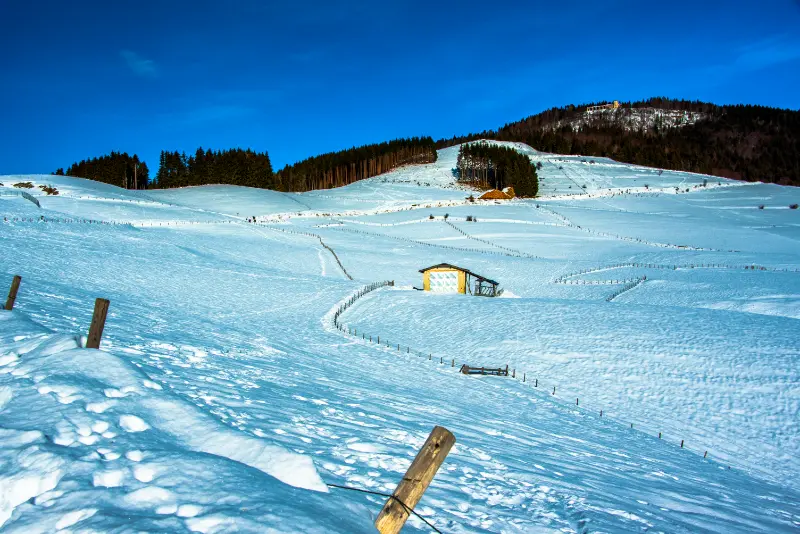
Official tourism information describes more than 500 kilometres of cross-country trails across the plateau, making Nordic skiing one of its defining winter activities. Downhill areas are smaller and dispersed compared with giant Dolomiti Superski resorts, but they can be excellent for beginners, families and short breaks. Snowshoeing adds another option when conditions permit.
Snow conditions vary from year to year, especially at lower elevations. Check the exact centre or lift before driving rather than assuming the whole plateau has the same snow cover. Equipment rental, lessons and trail passes should be arranged around the area you choose, not simply “Asiago” in general.
Asiago cheese and what to eat
Asiago PDO is the product most visitors already know, but tasting it locally reveals differences between fresh and aged styles and the importance of mountain milk and pasture. Look for cheese shops, farms or organised tastings that explain production rather than just selling pre-packed souvenirs. Other mountain foods, mushrooms, polenta and seasonal dishes complete the experience.
If you visit a farm or malga, respect opening hours and working areas. Summer pasture businesses are not theme attractions and may operate according to agricultural schedules. Buy modest quantities you can keep cool if you are continuing a road trip.
When to go and how seasonality changes the experience
Summer is ideal for walking and family outdoor activities, with cooler temperatures than the Veneto plain. Autumn brings colour and food events but shorter days. Winter is central to the plateau’s identity, especially for cross-country skiing, while spring can be transitional with muddy trails and lingering snow in shaded areas.
Choose dates according to activity rather than scenery alone. Skiers need current snow reports, while hikers should avoid assuming every high route is snow-free in early spring. Summer weekends can be busy with visitors escaping city heat, so booking accommodation ahead is sensible.
How to fit this into a wider Veneto itinerary
The plateau combines naturally with Bassano del Grappa, Marostica and Vicenza. A three- or four-night mountain stay followed by an art city creates a strong contrast without a long transfer.
If you are continuing into the Dolomites, treat Asiago as a separate landscape rather than a “lesser Dolomites” stop. Its strengths are open plateau, war history, food and Nordic sport, not jagged high-altitude scenery. That difference is exactly why it deserves its own cluster page.
Common planning mistakes to avoid
Do not assume all seven municipalities are close enough to explore on foot, and do not use one generic weather forecast for the entire plateau. In winter, check snow and road conditions for the exact area. At war sites, stay on marked routes and never enter unstable structures or collect historical objects.
Frequently asked questions
Do I need a car on the Asiago Plateau?
A car is strongly useful for the wider plateau, though Asiago town itself is walkable and some bus links exist.
Is Asiago only a winter destination?
No. Summer hiking, cycling, Great War history and food make it a strong warm-season destination as well.
How many days should I stay?
Two to four nights work well for a first trip; skiers or hikers can easily justify longer.
Is the plateau suitable for children?
Yes, especially because many walks and winter activities are gentler than high-alpine routes. Choose age-appropriate trails and check weather carefully.
Driving and winter road preparation
Winter roads can require tyres or equipment that meet current legal and weather requirements. Even experienced city drivers should allow for ice, fog and slow traffic after fresh snow. Do not follow a navigation app onto a minor road merely because it saves five minutes. Main routes may be longer on the map but better maintained and safer.
Stargazing and quiet evenings
Away from larger centres, the plateau can offer dark skies and very quiet evenings. Check local observatory or astronomy programmes if this interests you, and carry warm layers even in summer. Night driving on rural roads requires extra attention for wildlife and cyclists, so a nearby restaurant or accommodation-based dinner can be a better choice after sunset.
A practical one-day framework
For a first visit focused on Asiago Plateau guide, keep the morning for the activity or sight most affected by crowds, weather or timed entry. Reserve midday for food and a lower-effort stop, then use the afternoon for flexible walking, a second viewpoint or a nearby town. This sequence is deliberately simple: it protects the part of the day that is hardest to replace while leaving room for transport delays and spontaneous discoveries. In Veneto, short map distances can hide slow roads, queues or seasonal timetables, so a good plan has fewer fixed commitments than a city checklist.
Before leaving each morning, verify three things: the official opening or transport status, the local weather rather than a regional forecast, and the return option you will use at the end of the day. Save important tickets offline and carry a backup payment method. These small habits matter more than adding another attraction, because they reduce the most common reasons travellers lose time: arriving at a closed entrance, missing a last service or discovering that an activity requires a reservation that was never made.
Tours, tickets and experiences
A guided experience is most useful when it solves a real problem: timed-entry logistics, transport, specialist interpretation or a tasting that would otherwise require a designated driver. Compare the meeting point, exact duration, inclusions and cancellation terms before booking. For outdoor destinations, verify whether the activity still runs in poor weather and whether equipment, lift tickets or transfers are included rather than assuming they are.
Where to stay
For the broadest services, compare accommodation in Asiago. For trail-focused trips, also check Gallio, Roana and the other municipalities so you sleep closer to the activities you have chosen.
Useful official sources
- Asiago.it – Plateau of the Seven Municipalities
- Asiago.it – how to get there
- Veneto tourism – Asiago area
Final planning advice
The Asiago Plateau is most rewarding when you stop thinking of it as one resort town. Choose one or two municipalities, mix outdoor time with Great War history, eat the local cheese where it is made and let the season determine the activities. Its scale and gentler terrain make it one of Veneto’s best multi-generational mountain destinations.