

The Colosseum is not a standalone one-hour attraction. The most satisfying visit treats the amphitheatre, Roman Forum and Palatine Hill as one archaeological landscape and plans enough time to understand how the pieces connect.
At a glance
| Colosseum opening | 08:30 in 2026 |
|---|---|
| Forum–Palatine opening | 09:00 in 2026 |
| Ticket release | 30 days before visit for timed Colosseum entry |
| Minimum useful time | 3–4 hours for the core archaeological area |
| Best companion area | Monti or Capitoline Hill |
What you need to know
- Use the official ticketing channel before paying a reseller premium.
- Read exactly which areas your ticket includes; arena, underground and attic products are not interchangeable.
- Do not schedule the Vatican Museums on the same morning or afternoon.
- Carry water and sun protection because shade is limited across the Forum and Palatine.
Start with the official ticket rules
The Parco archeologico del Colosseo states that the Colosseum opens at 08:30 and the Roman Forum–Palatine area at 09:00 in the current 2026 schedule, with seasonal closing times. Timed entry to the Colosseum is compulsory and official sales open 30 days before the intended visit. Check the official opening-times and ticket page immediately before booking because access products and schedules can change.
If you are planning several stops rather than just Colosseum, Roman Forum and Palatine Hill, start with the Rome Travel Guide for a sensible route and transport advice.
The important detail is not simply “skip the line”. Every legitimate timed ticket still involves security and the physical flow of a busy monument. Read whether your product includes standard Colosseum levels, arena floor, underground areas, attic access or special sites in the Forum–Palatine area. A cheaper ticket that matches your interests is better than an expensive product whose extra areas you do not understand.
How much time should you allow?
For a first visit, I would protect at least three to four hours for the Colosseum plus Forum and Palatine, and longer if you enjoy archaeology. The amphitheatre itself can be seen relatively quickly, but the Forum and Palatine are extensive, uneven and dense with history. Rushing them into the final hour before closing is one of the most common planning mistakes.
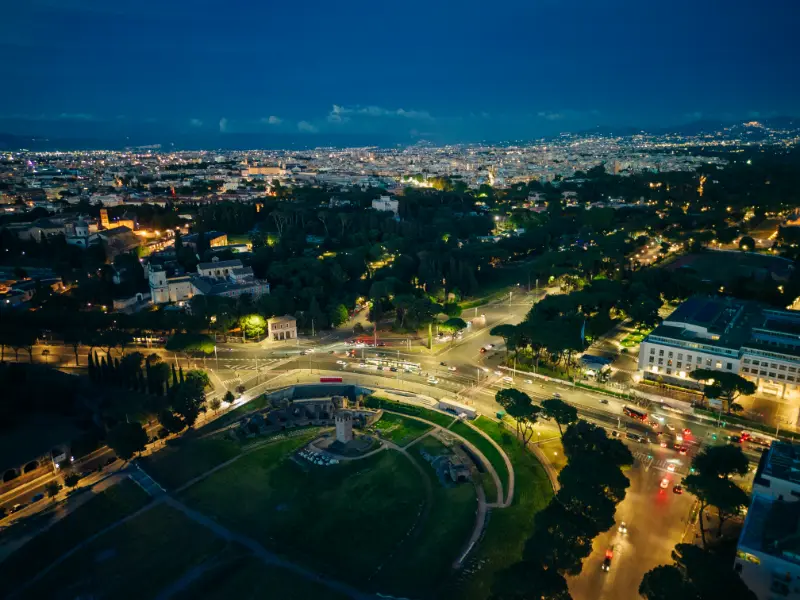
If your timed Colosseum entry is early, start there and continue into the wider archaeological area. If your slot is later, begin elsewhere only if your ticket conditions permit and the sequence is clear. Never rely on assumptions from an old blog post; official entry logic can change. Leave a margin before the timed slot for security, navigation and finding the correct entrance.
What you are actually looking at
The Colosseum tells the story of imperial entertainment, engineering and social hierarchy, but the Forum tells the story of political, religious and commercial life. The Palatine adds the elite and imperial residential layer. Seeing all three helps you understand why “ancient Rome” cannot be reduced to a single arena. The route becomes far more meaningful when you know what each landscape contributed to the city.
Before the trip, learn a few anchors rather than memorising emperors: the Via Sacra, Temple of Saturn, Arch of Septimius Severus, Curia, House of the Vestals, Arch of Titus and the imperial palaces on the Palatine. With those reference points, scattered walls begin to form a city. A guided tour can be useful, but an excellent map and thirty minutes of reading also change the experience.
The smartest route after your timed entry
After the Colosseum, resist the urge to walk immediately toward the Trevi Fountain. Stay in the archaeological zone while your historical context is fresh. Enter the Forum–Palatine according to your ticket rules, climb to a viewpoint early enough to orient yourself, then descend through the monumental centre. The exact path can change with closures, so use on-site signs rather than forcing a route copied from an old map.
When you finish, the Capitoline Hill offers one of the best elevated views over the Forum without another archaeological ticket. From there, either stop for lunch or move into Monti. The wider Rome travel guide shows how this day fits into a first-time itinerary without adding another demanding museum immediately afterward.
Arena, underground and attic: who should pay extra?
Special-access products can be fascinating because they change the physical perspective of the building, but they also add scheduling complexity. The arena floor gives a strong sense of scale; underground routes focus on logistics beneath the spectacles; upper levels emphasise views and structure. Choose one because it interests you, not because an advertisement says a basic visit is incomplete.
Families with young children, visitors with limited time and travellers who tire on stairs may be happier with the standard route plus a good Forum visit. Archaeology enthusiasts may value a more specialised ticket or guided experience. Always compare official descriptions before purchasing through a third party, because similar marketing names can refer to very different access.
Heat, rain, footwear and water
The Forum and Palatine have uneven stone, slopes and long exposed sections. In warm months, an early start is valuable because stone surfaces radiate heat and midday shade is limited. Wear shoes with grip, bring a refillable bottle and use Rome’s public drinking fountains when appropriate. In heavy rain, smooth ancient paving can become slippery.
Do not treat weather as a minor comfort issue. It changes how much archaeology you can absorb. On very hot days, shorten the Forum route, rest at lunch and move an indoor museum to the afternoon. On cooler days, you can spend much longer on the Palatine. The best plan protects curiosity rather than exhausting it.
Accessibility and reduced-mobility planning
The Colosseum has accessible routes and lifts, but the broader archaeological landscape includes steep gradients and uneven surfaces. Check the official accessibility information before travel and ask staff about the route that best fits current conditions. A nominally accessible site can still require more time and energy than a modern museum.
If someone in your group uses a wheelchair, walking aid or has limited stamina, do not attempt to reproduce the standard route exactly. Prioritise the monument sections that matter most, allow longer transfers and use a taxi to reach the next part of the day. A shorter, comfortable visit is more valuable than completing every sector.
Where to eat afterward
The immediate exits attract large visitor flows, so I would walk toward Monti or another side street before choosing lunch. Look for a short menu and clear prices rather than a venue whose main selling point is a direct monument view. The Rome food guide explains Roman dishes and neighbourhood choices in more detail.
After several hours of stone and history, a simple lunch is enough: pizza al taglio, a plate of pasta, a seasonal vegetable dish or a bakery stop. Save the long tasting menu for an evening when you are not checking the clock or recovering from the Palatine climb.
What to pair with the archaeological day
Monti is the natural post-Colosseum neighbourhood. San Pietro in Vincoli, when open, adds a very different historical layer; the Capitoline Hill gives a superb viewpoint; the Imperial Fora can be appreciated from street level. The Baths of Caracalla are excellent but deserve their own energy, so I would add them only on a longer trip.
On a three-day schedule, keep the afternoon flexible and save the Vatican for another day using the Vatican guide. On a four-day schedule, the four-day Rome itinerary gives the archaeological area its own focus. This prevents Rome’s two most demanding headline attractions from competing for attention.
Photography and behaviour
The most useful photograph is often a wide contextual view from the Palatine or Capitoline side rather than another close-up of the amphitheatre. Be aware of prohibited equipment, restricted areas and staff instructions. Ancient walls are not seats or climbing surfaces, and barriers are part of conservation rather than an obstacle to a better photo.
If you want exterior photographs with fewer crowds, return on a separate early morning or evening walk. Do not sacrifice a valuable timed ticket to spend twenty minutes photographing the façade from every angle. Inside, look at construction details, sightlines and the relationship between seating and arena—the monument makes more sense when you study how it worked.
A realistic sample morning
Arrive with enough buffer for security. Use your timed Colosseum entry, spend roughly an hour or more depending on the route, then continue to the Forum and Palatine for two or three hours. Exit toward the Capitoline side, stop for a view, and eat a late lunch away from the main exits. Leave the afternoon free for Monti, a rest or one small church.
This may look modest compared with itineraries that add Trevi, Pantheon and the Vatican in the same day. In practice it produces a much richer understanding and far less fatigue. Use the three-day Rome itinerary if you need to see how the remaining major areas can fit around this archaeological block.
Frequently asked questions
Do Colosseum tickets include the Roman Forum and Palatine Hill?
Many official products combine these areas, but inclusions and validity vary by ticket type. Read the current official description before purchase rather than assuming every Colosseum ticket works the same way.
How far in advance can I book the Colosseum?
The official park currently states that timed Colosseum ticket sales open 30 days before the visit date. This policy can change, so check the official site before planning around a specific release time.
Can I visit the Colosseum and Vatican in one day?
It is physically possible but not a good first-trip plan. Both involve security, crowds and concentrated attention. Separate them into different half-days or, ideally, different days.
Is the Roman Forum worth it if I am not an archaeology expert?
Yes, especially if you learn a few key buildings before visiting. The Forum is where the political and religious city becomes visible, while the Palatine explains the elite and imperial landscape above it.
Practical details, opening times, transport rules and ticket conditions can change. Always confirm the latest information with the relevant official operator or attraction before travelling.
Last updated: October 17, 2026