
Trento is a small city with far more depth than its size suggests. Beneath the surrounding mountain slopes are frescoed Renaissance facades, a cathedral square, a former prince-bishops’ castle and a contemporary science museum that can fill an afternoon on its own. It is a comfortable place to begin a trip to northern Italy’s mountains because you can see the major historic attractions on foot and reach the city by train. Travelers who give Trento a full day usually find more to enjoy than those who use it only as a change of trains.
The city works for different travel styles. History lovers can focus on the castle, churches and medieval lanes. Families can spend much of a day at MUSE, with plenty of pauses for snacks and open space. Travelers without a car can explore central Trento, then take rail trips to Rovereto or Bolzano. This guide organizes the sights in a practical order and explains where the planning details matter, especially ticket arrangements and the distance between the historic core and MUSE.
Planning more than Trento Travel? The Trentino-Alto Adige travel guide compares the main areas and helps you put this stop into a manageable route.
On this page
At a glance
| Planning point | What to know |
|---|---|
| Visit length | One full day; two with MUSE and excursions |
| Highlights | Piazza Duomo, Buonconsiglio and MUSE |
| Arrival | Rail station near the historic center |
| Best for | History, families and a car-free city break |
Start at Piazza Duomo
Piazza Duomo is the natural starting point for a first walk through Trento. The Cathedral of San Vigilio, the Fountain of Neptune and Palazzo Pretorio create a square that feels both ceremonial and lived-in. Stop long enough to notice the different architectural details instead of immediately heading for the next street. The painted facades of the Cazuffi-Rella houses are a distinctive feature, and the surrounding cafés give the square a daily rhythm. Visit early if you want to take photographs without a busy foreground, then return later to enjoy the atmosphere with more people around.
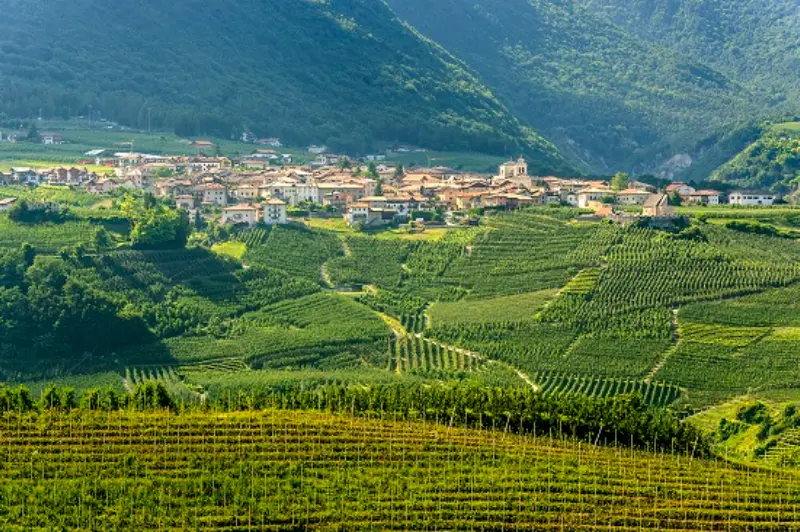
The cathedral deserves a slower look than its exterior alone suggests. Religious buildings may close at certain times for services, and visitors should respect quiet periods and any limitations on photography. Palazzo Pretorio houses the diocesan museum, so it can add an art-focused visit if that subject appeals to you. Families may prefer to look around the square and then move on; the space is impressive even without purchasing another ticket. If you have a short stay, use the piazza as an orientation point for the rest of the route.
Follow the painted palaces of Via Belenzani
From the cathedral area, Via Belenzani leads past some of Trento’s decorated buildings. The street is worth walking slowly because the facades tell stories through color, architecture and details that are easy to miss while following a navigation app. Palazzo Geremia and Palazzo Thun are among the named sites that help visitors appreciate the city’s Renaissance character. Many buildings continue to serve civic or private functions, so external viewing is usually the simplest approach unless a specific exhibition or tour is announced.
An attractive city walk does not need to become a hunt for every historical plaque. Turn down the side streets, see how the lanes connect, and look for shops and cafés that are part of ordinary city life. The center is relatively compact, but some older paving can be uneven. If you have limited mobility or are pushing a stroller, use the broader pedestrian routes whenever practical. The street also makes a good transition between the cathedral and the castle, keeping your morning route logical.
Explore Castello del Buonconsiglio
Castello del Buonconsiglio began as a defensive complex and became the residence of Trento’s prince-bishops, whose political and religious authority shaped the city for centuries. Different building phases remain visible, with rooms and courtyards reflecting changes in taste and power. Today the complex preserves artworks, archaeological objects and temporary exhibitions. Its scale means you should allow proper time, especially if you enjoy historic interiors. A rushed visit gives you only a glimpse of a site that rewards close attention.
One highlight is Torre Aquila, known for the medieval Cycle of the Months frescoes. Access arrangements may differ from those for the main castle, including limited spaces or separate visit requirements. Check the official museum website before planning your day, especially if this artwork is your main reason for visiting. The castle is in the historic center, so you can reach it on foot from Piazza Duomo. Wear comfortable shoes for stone surfaces, stairs and longer indoor routes, and ask staff about step-free access where necessary.
Understand Trento's Roman layer
The city has a history older than its Renaissance streets. Roman Tridentum lies beneath parts of today’s center, and archaeological remains help explain the city’s position along routes through the Alps. Sites and displays can vary in accessibility and opening arrangements, so do not assume every underground area accepts walk-in visitors. If Roman history is your priority, consult the provincial museum network and pick a specific visit rather than relying on the vague idea that ‘Roman ruins are everywhere.’ The contrast between the ancient street plan and the later city makes for an interesting focused morning.
History here is also the story of a border area shaped by several languages and political powers. Trento later became associated with the Council of Trent in the sixteenth century, an important event in Catholic history. You need not be a specialist to see the effects in monumental architecture and church art. A guided visit can help if you enjoy historical detail, while independent travelers can focus on a smaller number of sites and use informative museum displays to build a picture of the city.
MUSE: the science museum worth planning for
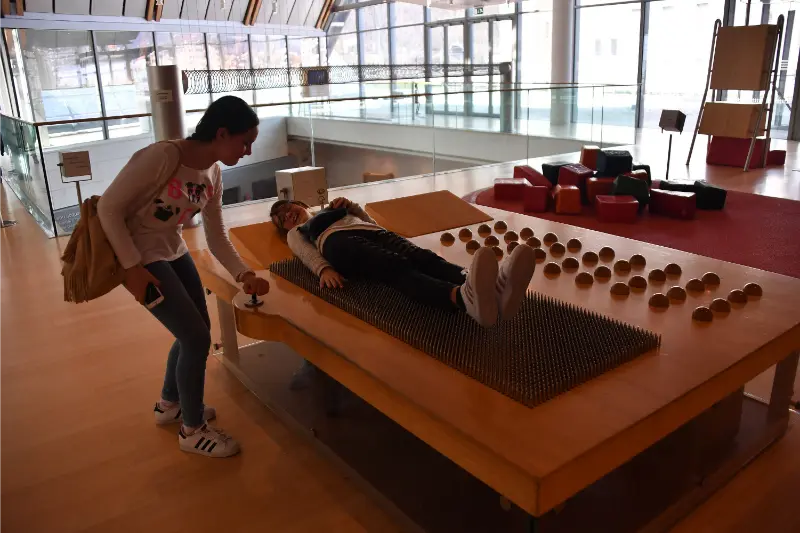
MUSE is one of Trento’s most distinctive attractions and a good complement to the city’s older monuments. Its modern building occupies part of the Le Albere district, not the immediate cathedral square. The museum explores the natural world, Alpine ecosystems and scientific questions through exhibitions that can engage adults and children alike. Because families often stay longer at interactive displays than expected, it makes sense to allocate a full afternoon rather than squeeze the museum between the castle and dinner.
Check opening days, admission and any special family spaces before arriving. The Maxi Ooh! area is designed for very young children and follows its own arrangements, while other temporary exhibitions may change throughout the year. Staff can advise on the best route for different ages. The walk toward the museum is an opportunity to see a more contemporary part of Trento, though it is less convenient for someone expecting everything to be in the old town. If your itinerary includes both castle and MUSE, schedule lunch or a rest between them.
A one-day walking itinerary
Start in Piazza Duomo, look inside the cathedral if it is open to visitors, and walk along Via Belenzani. Enjoy a morning coffee before heading to Castello del Buonconsiglio, which forms the main ticketed experience of the day. If you are particularly interested in Torre Aquila, confirm its reservation or time slot before planning the morning around it. Have lunch back in the historic streets; this is more pleasant than eating hurriedly while walking between museum rooms.
In the afternoon choose either more history or MUSE. You can enjoy both on a long day, but not at the same depth, and small children may tire. If the weather is good, finish with a gentle walk along accessible urban paths and return to the center for dinner. Visitors arriving late in the morning should choose only one major museum, then enjoy the architecture outside. Trento’s strength is that even a modest itinerary feels varied: the built environment and city atmosphere are attractions in their own right.
Two days in Trento and useful day trips
A second day lets you visit MUSE properly and explore another neighborhood or historic site without pressure. Alternatively, the railway makes Rovereto an easy cultural excursion, with contemporary art and museums focusing on regional history. Bolzano is another straightforward rail destination, with Ötzi’s museum and a distinctly South Tyrolean atmosphere. Both deserve more than a quick station-to-station dash if you want to understand what makes them different from Trento.
Lake Garda’s northern towns are possible as an outing, but reaching Riva del Garda involves onward bus or road travel because there is no railway station directly in town. If outdoor scenery is your reason for visiting, consider giving the lake an overnight stay rather than racing back before dinner. Travelers with a car might explore nearby castles or valleys, but check access and parking individually. Trento remains a strong base for several nights because restaurants, shops and transport are concentrated within a manageable urban area.
Where to stay in Trento
For a first visit without a car, staying near the railway station or historic center is the most practical choice. You can walk to Piazza Duomo, join local transport without much effort and return easily after dinner. A central apartment can work well for a family that wants simple breakfasts and a flexible evening routine. Older buildings may lack elevators, so confirm the floor and access if you carry heavy luggage or travel with a stroller.
If you are driving, compare central hotels with options just outside the oldest streets, where parking may be easier. Historic centers often have limited traffic zones and regulations that are not obvious from booking photographs. Ask the property how authorized access works before following a navigation app through the center. Hillside hotels outside town can offer views and tranquility, but assess the last-mile journey carefully. A scenic property is not a good bargain if every meal requires a difficult drive or expensive taxi.
Food and pleasant pauses
Trentino cooking reflects Alpine ingredients as well as northern Italian traditions. Try canederli, regional cheeses, polenta or a seasonal dish that takes advantage of local produce. Restaurants in the historic center vary in style and price, and a bakery lunch can be useful when museum visits make your schedule unpredictable. Ask about ingredients if you have dietary restrictions; dumplings and cured meats are not automatically suitable for every diet. Some restaurants close between lunch and dinner, so check serving hours before planning a late meal.
Piazza Duomo is an appealing place for a drink, but quiet side streets can provide a less hurried atmosphere. The best café is often one that fits your route and gives everyone time to rest. Families with children might prefer a short casual lunch rather than a long formal meal between attractions. Carry a reusable water bottle and plan pauses, especially in summer. Trento’s streets are more rewarding when walked comfortably than when approached as a race to collect photo stops.
Arriving by train and getting around
Trento sits on the main rail route between Verona, Bolzano and the Brenner Pass, making train travel a natural choice. The station is within walking distance of the historic center for most able-bodied travelers with manageable luggage. Check schedules for regional and long-distance services and validate or activate tickets as required by the operator. If you are changing trains, allow time for platform changes and unexpected delays, especially if you plan to buy a timed museum ticket shortly after arrival.
The principal attractions discussed here can be reached on foot or using local transport, so a car is usually unnecessary for a city-only stay. If you plan mountain excursions, review their actual starting points and bus services rather than assuming they are close because Trento is a mountain city. Parking in central areas can be paid or restricted, and the old streets are not designed for casual driving. Organizing your day around a walkable core is simpler and usually more enjoyable.
Visiting with children and accessibility considerations
Families can balance the cathedral square and castle with more interactive time at MUSE. For younger children, avoid long sequences of rooms where touching exhibits is not permitted; instead alternate a focused castle visit with an outdoor break. The historic streets are walkable, but paving and steps vary. A light stroller is easier on uneven surfaces than a bulky travel system, and older buildings can have level changes inside. Check individual museums for elevators, baby-changing facilities and accessible entrances.
Travelers who need step-free access should contact attractions directly about current routes. Historic fortifications often include stairs and sections that cannot be altered easily. The availability of an accessible ground-floor route does not necessarily mean every historic tower or exhibition is accessible. Trento can still make a comfortable city break when these details are checked in advance. Plan the day around the areas your group can enjoy rather than using a rigid attraction list.
Seasons and final planning advice
Trento is a year-round city destination. Spring and fall are often pleasant for exploring the center, summer can be warm at street level, and winter invites a different mix of museums and seasonal events. The surrounding mountains may have completely different weather from the city on the same day. Do not plan a high-altitude hike using only Trento’s forecast. If your trip combines urban attractions with the Dolomites, make the museum visits your weather-flexible component.
Before visiting, check the official sites for Castello del Buonconsiglio and MUSE, particularly for closures, timed activities and exhibition changes. A good day in Trento does not need complicated logistics: one historic walk, one major museum, time for food and a relaxed evening will already reveal much of the city. That simple combination is exactly what makes it an excellent start to a wider Trentino-Alto Adige vacation.
Map and useful links
For current operating dates, access restrictions and transport, use these official sources before traveling.
Continue planning your trip
- Trentino-Alto Adige Travel Guide: Cities, Dolomites, Lakes and How to Plan Your Trip
- Trentino-Alto Adige in 7 Days: A Realistic First-Timer Itinerary
- Bolzano Travel Guide: Ötzi, Historic Arcades and Easy Day Trips
- Bressanone Travel Guide: Cathedral, Cloister and Novacella Abbey
Frequently asked questions
How much time do I need in Trento?
Allow a full day for the historic center and one major museum; two days are better if you want both MUSE and a detailed castle visit.
Is Buonconsiglio Castle near the station?
It is walkable from the historic center and reachable from the station for most visitors, subject to your individual mobility needs.
Is MUSE suitable for a toddler?
It includes family experiences, with special arrangements for some very-young-child areas. Check booking and age guidance on the museum website.
Last updated: October 17, 2026