

The boat from Cala Gonone approaches a dark opening in the rock wall. Inside the Grotta del Bue Marino, the noise of the sea gives way to a cool world of water, mineral formations and long cave passages. Unlike the Gulf of Orosei’s beach trips, this is a guided cultural and natural experience: timing, safe footwear and the distinction between cave entry and boat transport are the keys to a successful visit.
This guide is for travellers planning a visit to Cala Gonone coast, Dorgali, eastern Sardinia. It distinguishes verified site features from changeable arrangements such as fees, guided-tour availability and seasonal transport. Those operational details should always be checked for the date you actually travel.
For a broader Sardinia itinerary, see the Sardinia travel guide before deciding which destinations to combine with Grotta del Bue Marino.
At a glance
| Destination | Cala Gonone coast, Dorgali, eastern Sardinia |
|---|---|
| What it is | guided sea-cave visit |
| Good overnight base | Cala Gonone or Dorgali |
| Plan to verify | Official visitor access, permits or tickets, current weather and transport |
| Suggested approach | Reserve the cave visit before arranging the rest of the day. |
| Best add-on | Cala Gonone beach and Dorgali village are easy complementary ideas. |
Why this place is worth visiting
In Cala Gonone coast, Dorgali, eastern Sardinia, the attraction is a guided sea-cave visit with a character of its own. Bue marino is a traditional Sardinian name for the Mediterranean monk seal, once associated with caves along this coast. The details that follow explain what is distinctive, what is actually practical, and where careless planning can spoil the experience.
A meaningful visit allows you to notice how Cala Gonone coast, Dorgali, eastern Sardinia fits into the wider island. Instead of trying to see three distant attractions in one rush, aim to understand the main place first, allow time for the journey and make any optional second stop dependent on the conditions you find.
What to see and experience
Why the cave bears the monk seal’s name
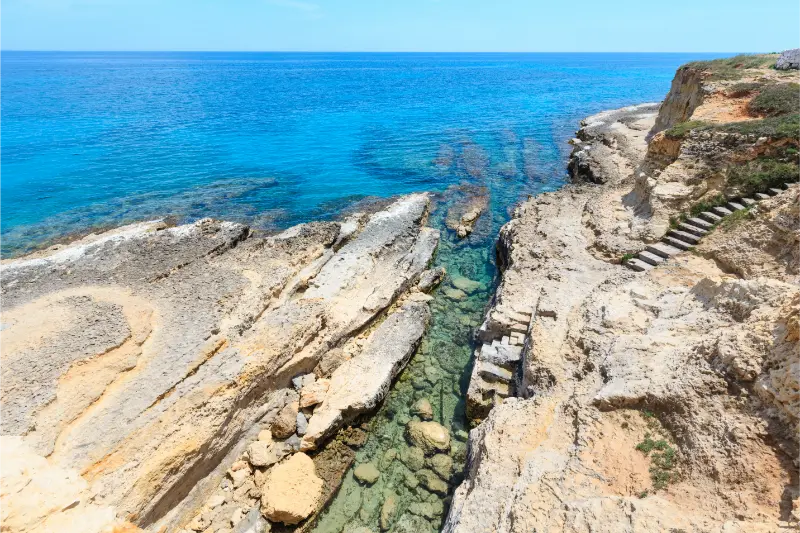
Bue marino is a traditional Sardinian name for the Mediterranean monk seal, once associated with caves along this coast. The name evokes a genuine conservation story, not a promise that visitors will see seals today. The Mediterranean monk seal is elusive and protected; turning the cave into an improvised wildlife encounter would misunderstand its history. Notice how the entrance connects sheltered rock, shoreline and changing marine conditions.
Getting there from Cala Gonone harbour
The visitor cave is normally reached by boat, with departures from Cala Gonone and a relatively short crossing. The official visitor information notes that land access is closed. Check whether you have bought only a cave entrance ticket, a boat passage or a combined package: these can be priced and organised separately. Arrive at the harbour early enough to find the correct counter and boarding place.
Inside the managed visitor route
The public visit follows an equipped walking route with a guide rather than a free exploration of all cave branches. The official operator describes approximately a one-hour guided visit and a pedestrian route of around 900 metres plus the return. Expect humid air, uneven or damp flooring and changes of light. Listen closely to instructions around railings and formations: the temptation to touch a glossy stalagmite can cause irreversible damage.
Temperature and clothing
The reported average cave temperature is around 18°C, noticeably cooler than a Sardinian summer afternoon. A light extra layer can improve comfort, especially after a boat trip when clothes may be damp. Wear stable shoes that grip on smooth surfaces, not flip-flops selected only for the beach. Consider whether enclosed spaces, dark corridors or a long stretch of standing will be comfortable for everyone in your group.
Ancient water and geological time
The cave is shaped by water moving through limestone over long periods. Stalactites descend from above; stalagmites grow from deposited minerals below; some forms gradually join as columns. The guided route is an opportunity to learn how changes in water flow, sea level and geology shape the coast. Do not expect all chambers to have identical lighting or access conditions; conservation and safety determine what is open.
How weather affects a booked visit
Sea conditions can disrupt the boat approach even when the village looks sunny. If wind or swell makes landing unsafe, do not try to persuade an operator to run a service. Read cancellation conditions before paying, and retain an inland alternative such as Dorgali or a local museum. A cave reservation is still a marine excursion and needs the same flexibility as a boat trip.
Comparing the cave with a beach cruise
The Grotta del Bue Marino is not just another stop on every beach boat. Some cruise itineraries offer a separate cave add-on, while others concentrate entirely on coves. Ask whether there is time to enter, complete the guided walk and return without shortening your beach time unexpectedly. If your party includes young children, doing the cave in the morning and a gentle beach in the afternoon is often easier.
A closer look: A cave ticket and a boat ticket are not the same question
For the Bue Marino outing, verify separately how the boat to the entrance is booked, whether it is bundled with admission, and when the guide begins the walking route. The marine transfer can be delayed by sea conditions even though the cave itself is sheltered. Keep your booking reference available offline if mobile reception near the coast is weak.
How to get there and where to start
Use the central harbour of Cala Gonone as the starting point. Review the official cave schedule, distinguish ferry and admission charges and confirm the language of the guide if an English-language explanation matters to you. If you are coming from Dorgali, budget extra time for the winding descent to the coast and for harbour parking. Never presume the cave can be driven to directly.
For visitors staying in Cala Gonone or Dorgali, look at the full door-to-door journey rather than the straight-line distance. Include road bends, parking, check-in and any final walk or boat transfer. A hire car is often useful in rural Sardinia, but it is not an excuse to enter private tracks or ignore visitor restrictions. If you do not want to drive, investigate a scheduled tour or a local driver before choosing accommodation.
An achievable one-day plan
Morning: make the primary visit work
Reserve the cave visit before arranging the rest of the day. Reach Cala Gonone with time for ticket checks and the short crossing; keep a light layer and secure shoes in your bag.
Midday: give the experience time
Follow the complete guided route without touching formations or stepping outside permitted paths. Use any photography opportunities without delaying the group; a cave visit is a shared timed experience.
Afternoon: finish without rushing
After returning to the harbour, take a relaxed lunch and choose an easy, weather-appropriate second stop such as the seafront or an inland visit in Dorgali. Avoid another long boat circuit if the sea is unsettled.
Where to stay nearby
For this particular trip, Cala Gonone or Dorgali is a practical base. Choose accommodation according to the actual departure or entrance point, not merely a property described as being in Sardinia. A central town may give you better restaurants, parking or access to a morning departure, while a quieter coastal stay may mean a longer daily drive. When comparing rooms, verify cancellation terms, parking costs and whether you need a car for dinner.
When to visit
Cave opening periods and boat timetables change during the year, and published summer information should not be copied forward blindly into 2027. High summer brings more frequent departures but greater harbour crowds; shoulder months may be quieter with fewer slots. Always check both the sea forecast and the current guided-tour calendar.
For a day at Cala Gonone coast, Dorgali, eastern Sardinia, the most important factor can be very different from the general weather forecast for Cagliari, Olbia or Alghero. Check the forecast and official access information for the specific shore, trail or monument. Reserve the most time-sensitive activity first, then place meals and flexible sightseeing around it. In summer, carry extra water and reduce unnecessary outdoor walking in the hottest hours.
Tickets, time and budget considerations
Prices, capacities and tour timetables are not fixed facts for future holiday dates. Consult the official operator linked below to confirm whether entry is free, ticketed, guided, limited by a quota or weather-dependent. Compare the full cost of travel, not just admission: parking, boat transfer, equipment, local guides and a potential refund policy can make two apparently similar plans very different. Do not prepay unrelated activities too close together.
Budget also depends on the season and the style of visit. A self-guided outdoor experience may require only transport and supplies, while a specialist excursion can involve advance tickets or guides. If booking an experience with limited capacity, retain the confirmation offline and know which party members or vehicles are included. Visitors should prioritise reputable official operators over unverified resellers promising unusual access.
Visiting with children and accessibility
Children often enjoy the story of the monk seal and the unusual rock formations, but boats, dim cave sections and a long supervised walk are not ideal for every age. Strollers may be impractical; inquire about step-free access if required. If a family member is sensitive to caves or enclosed spaces, explain the route before booking.
Accessibility is not determined solely by distance. Consider the surface underfoot, slope, shade, availability of toilets and the ease of turning back. Where a site is managed, ask the operator about step-free routes and any assistance options rather than assuming the experience is fully accessible or entirely unsuitable. A shorter visit completed comfortably will usually be more rewarding than an ambitious schedule that leaves everyone exhausted.
What to pack
- Route and booking information: downloaded directions, official confirmation and the correct meeting point.
- Suitable footwear: grip and comfort matched to the terrain, not just a beach photograph.
- Weather protection: sun hat, sunscreen, layers or rain protection appropriate to the forecast.
- Drinking water and snacks: do not assume a bar or refill point is open at the site.
- Responsible travel: a small bag for personal waste, and binoculars or a camera when relevant.
What to see nearby
Cala Gonone beach and Dorgali village are easy complementary ideas. Cala Luna is a separate coastal outing and should not automatically be added to a cave booking without checking actual sailing times.
Keep the geography realistic when moving between Sardinian attractions. An island itinerary can look compact on a small screen yet involve winding roads, variable weather and separate visitor entrances. For longer stays, cluster nearby destinations by area and make a clear distinction between a full-day experience and a brief stop en route. This approach often saves more time and money than trying to tick every landmark off a single list.
Common mistakes to avoid
Buying the wrong ticket, treating a boat timetable as a guarantee in poor weather, arriving in slippery shoes, ignoring a child’s discomfort in enclosed passages, and assuming dogs may enter the cave.
Another avoidable mistake is copying a detailed itinerary from a different season. Timed access, closed paths, local traffic arrangements and the availability of boats or guided visits can change. A good plan has one priority, one sensible backup and a clear threshold for changing course when safety or comfort becomes a concern.
Frequently asked questions
Can I drive directly to the cave?
No. The managed public visit uses a marine approach from Cala Gonone; the visitor information states that land access is closed.
How long does a visit take?
The guided cave walk is about an hour, with additional time needed for the boat crossing, check-in and waiting.
Is it cold inside?
The official visitor page reports an average around 18°C; a light layer and stable shoes are sensible.
Can I visit in winter?
Do not assume year-round daily operation. Check the current operator calendar and access conditions for your precise date.
Useful Sardinia guides
- the Gulf of Orosei guide
- the best places on the island
- where to stay in Sardinia
- a seven-day Sardinia itinerary
Official source and last practical check
Official information for this destination: www.grottabuemarino.com. Check the relevant opening or access section before travelling. This guide is editorial planning advice, not an official booking confirmation.
Before departure, put three things in the same note: the exact authorised entrance or boarding point, the latest cancellation or closure update, and a realistic return plan. That simple preparation helps you enjoy the place for what makes it distinctive rather than spending the whole visit resolving avoidable logistics.
Further background: grottabuemarino.com. Always prioritise current notices from the site operator when they differ from older general tourism descriptions.
Last updated: October 17, 2026