
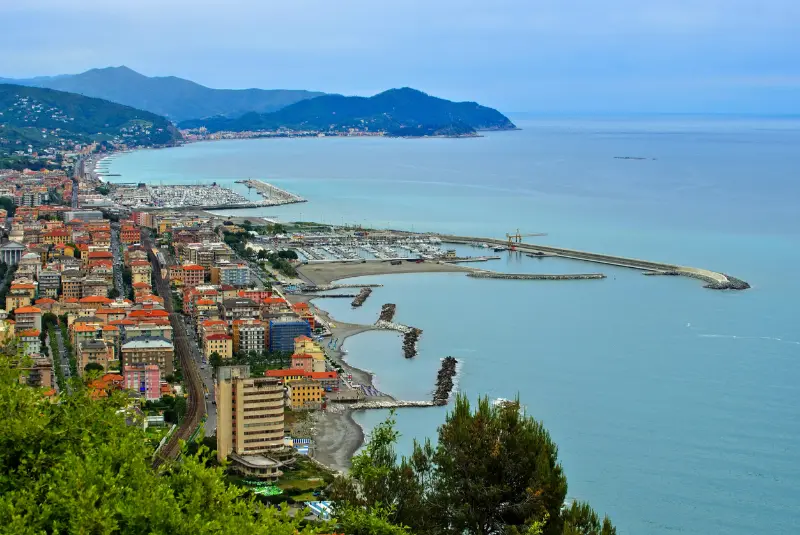
Chiavari: Porticoes, Palaces and the Unhurried Tigullio Coast. Chiavari is a historic Tigullio town with arcaded streets and an everyday seaside atmosphere. This guide is designed for travellers who would rather understand how a place works than rush between pretty photographs. The route, setting and attractions all deserve their own time, and the most useful plan is often a short list of worthwhile stops with room left for the unexpected.
The aim is to explain what is genuinely worth seeing, where to stay, how to reach the place and how to avoid awkward transfers. Opening hours, rail and bus timetables, trail restrictions, entrance fees and seasonal facilities can change. Information researched in October 2026 should be checked again before travel, especially for journeys in 2028.
For travel beyond Chiavari, consult our Liguria travel guide; it explains how to choose a base and link nearby destinations.
At a glance
| Setting | a historic Tigullio town with arcaded streets and an everyday seaside atmosphere |
|---|---|
| Getting there | Chiavari has a mainline railway station on the Genoa–La Spezia corridor, convenient for a car-free visit. |
| Where to sleep | Stay close to the old town for restaurants and evening walks, or toward the seafront for beach access. |
| Best length | One relaxed day for a first visit; add another day for the wider coast or inland countryside. |
| Best season | Spring and autumn are comfortable for walking; summer suits people who prioritise swimming and longer evenings. |
| Before you go | The main station and old centre are walkable for many visitors, but beach access and hotel distances should be assessed individually. |
What makes Chiavari different
Many itineraries treat Liguria as one unbroken chain of beaches and coloured buildings. In practice, the geography shapes every day: trains run along the main coast, headlands interrupt simple walks, historic centres climb above the sea, and villages just a few kilometres apart can take a surprisingly long time to connect. Chiavari rewards an itinerary that starts with its own identity rather than using it as a quick detour from a more famous postcard location.
Begin by reading the street layout: where does the settlement face the water, where do the older buildings cluster, and which direction leads up toward residential lanes or natural scenery? That simple observation is often more useful than a checklist of ten monuments. If you have a full day, plan one substantial cultural stop, a slower neighbourhood walk and a generous pause for food. Make the optional excursion conditional on weather, transport and energy.
Essential sights and experiences
Caruggi and porticoes
The covered historic streets are valuable in bright sun or rain and reveal a distinctive commercial townscape. It is worth approaching this stop as part of the wider fabric of Chiavari, not as a photograph to collect and leave. Notice the surrounding streets, views or daily routines and allow enough time to move through the area without rushing. In peak months, arrive earlier for cooler walking and less congestion; in the quieter seasons, confirm whether any interior attraction is actually open.
Practical tip: connect this visit with the next stop geographically rather than automatically returning to the station. If the site is uphill, check the gradient before committing; if it is on the coast, consider wind and sea conditions. Photography, accessibility and opening permissions are not identical at public viewpoints, churches, gardens and private buildings. Respect posted rules, residents and any protected areas.
Palazzo Rocca
The palace and gardens offer a cultural counterpoint to the seafront; opening arrangements should be checked. It is worth approaching this stop as part of the wider fabric of Chiavari, not as a photograph to collect and leave. Notice the surrounding streets, views or daily routines and allow enough time to move through the area without rushing. In peak months, arrive earlier for cooler walking and less congestion; in the quieter seasons, confirm whether any interior attraction is actually open.
Practical tip: connect this visit with the next stop geographically rather than automatically returning to the station. If the site is uphill, check the gradient before committing; if it is on the coast, consider wind and sea conditions. Photography, accessibility and opening permissions are not identical at public viewpoints, churches, gardens and private buildings. Respect posted rules, residents and any protected areas.
Cathedral of Nostra Signora dell’Orto
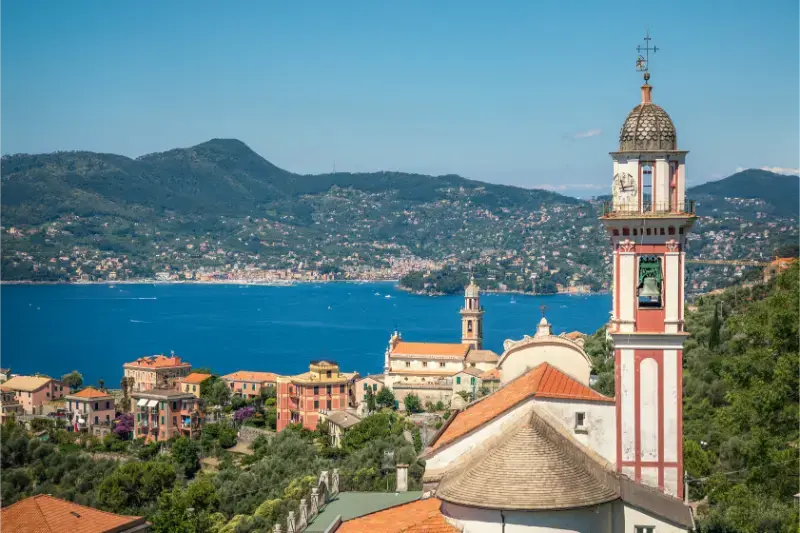
The principal church anchors an important civic square. It is worth approaching this stop as part of the wider fabric of Chiavari, not as a photograph to collect and leave. Notice the surrounding streets, views or daily routines and allow enough time to move through the area without rushing. In peak months, arrive earlier for cooler walking and less congestion; in the quieter seasons, confirm whether any interior attraction is actually open.
Practical tip: connect this visit with the next stop geographically rather than automatically returning to the station. If the site is uphill, check the gradient before committing; if it is on the coast, consider wind and sea conditions. Photography, accessibility and opening permissions are not identical at public viewpoints, churches, gardens and private buildings. Respect posted rules, residents and any protected areas.
Seafront and marina
The broad waterfront provides views, beach options and the practical contrast with the inland historic centre. It is worth approaching this stop as part of the wider fabric of Chiavari, not as a photograph to collect and leave. Notice the surrounding streets, views or daily routines and allow enough time to move through the area without rushing. In peak months, arrive earlier for cooler walking and less congestion; in the quieter seasons, confirm whether any interior attraction is actually open.
Practical tip: connect this visit with the next stop geographically rather than automatically returning to the station. If the site is uphill, check the gradient before committing; if it is on the coast, consider wind and sea conditions. Photography, accessibility and opening permissions are not identical at public viewpoints, churches, gardens and private buildings. Respect posted rules, residents and any protected areas.
Food shops and market culture
Chiavari rewards time in traditional shops rather than just a list of monuments. It is worth approaching this stop as part of the wider fabric of Chiavari, not as a photograph to collect and leave. Notice the surrounding streets, views or daily routines and allow enough time to move through the area without rushing. In peak months, arrive earlier for cooler walking and less congestion; in the quieter seasons, confirm whether any interior attraction is actually open.
Practical tip: connect this visit with the next stop geographically rather than automatically returning to the station. If the site is uphill, check the gradient before committing; if it is on the coast, consider wind and sea conditions. Photography, accessibility and opening permissions are not identical at public viewpoints, churches, gardens and private buildings. Respect posted rules, residents and any protected areas.
Lavagna
An easy neighbouring coastal stop can extend the day without a long transfer. It is worth approaching this stop as part of the wider fabric of Chiavari, not as a photograph to collect and leave. Notice the surrounding streets, views or daily routines and allow enough time to move through the area without rushing. In peak months, arrive earlier for cooler walking and less congestion; in the quieter seasons, confirm whether any interior attraction is actually open.
Practical tip: connect this visit with the next stop geographically rather than automatically returning to the station. If the site is uphill, check the gradient before committing; if it is on the coast, consider wind and sea conditions. Photography, accessibility and opening permissions are not identical at public viewpoints, churches, gardens and private buildings. Respect posted rules, residents and any protected areas.
An easy one-day itinerary
Start after breakfast rather than arriving at lunchtime. Chiavari has a mainline railway station on the Genoa–La Spezia corridor, convenient for a car-free visit. On reaching the centre, get your bearings before taking on the main cultural or scenic attraction. Reserve the late morning for Caruggi and porticoes and nearby streets, since it sets the character of the visit. The goal is to keep the morning concentrated in one area rather than travelling back and forth.
Choose a relaxed lunch and then visit Palazzo Rocca or Cathedral of Nostra Signora dell’Orto, depending on the weather and what is open. Leave room for a café, a small shop or a shaded rest, especially in summer. Toward evening, use Seafront and marina or an easy waterfront viewpoint as the final stop. If return buses are infrequent, work backward from the last reliable connection rather than extending dinner without a plan.
How to spend two days without overplanning
An overnight stay changes the experience: quiet morning light, a slower dinner and time to explore outside the most visited streets can be more memorable than adding two new destinations. On the first day follow the central circuit and linger over the most significant sights. On the second, choose either the surrounding countryside or the nearby coast. This approach avoids combining steep village streets, a long hike and a beach afternoon into a single tiring schedule.
For a gentler second day, begin with Food shops and market culture and extend the visit only if conditions suit. Alternatively, make Lavagna the day’s focus. Do not treat a local bus as a guaranteed hourly service or a summer ferry as permanent public transport. Check the outward journey and the return before setting off, and keep a realistic backup such as a shorter walk or local museum.
Where to stay and how to choose your base
Stay close to the old town for restaurants and evening walks, or toward the seafront for beach access. The best accommodation is not automatically the one nearest the sea on a map. Look at the route from the station, the final climb with luggage, noise from busy roads, and whether restaurants stay open in the month you plan to travel. A centrally located guesthouse may beat a panoramic room that requires a long uphill walk after dinner.
Visitors spending several days in Liguria should decide whether to change hotels or use one rail-connected base. Staying in a larger coastal town often gives more flexible transport, while a village overnight can create a quieter experience after day visitors have gone. If travelling as a family or with limited mobility, check lifts, stairs, hotel entrances and the precise distance to the nearest usable public-transport stop before booking.
Transport, walking and accessibility
Chiavari has a mainline railway station on the Genoa–La Spezia corridor, convenient for a car-free visit. Ticketing, stops and connection patterns can change, so use current operator information for the exact date. Regional trains are particularly helpful along the Riviera, while smaller hill villages need additional ground transport. Driving can be useful in rural areas but difficult in restricted historic centres; check ZTL zones and parking rules before entering a village.
The main station and old centre are walkable for many visitors, but beach access and hotel distances should be assessed individually. The apparent simplicity of a coastal map is misleading: there may be tunnels, stairs, railway crossings or streets that descend sharply toward the sea. For a stroller or wheelchair, distinguish a level seafront walk from the actual route to a monument or hilltop district. Ask accommodation providers about real door-to-door access rather than relying on a generic “central location” description.
Food and the local rhythm
Focaccia, farinata, seasonal vegetable pies and seafood reflect the mix of coastal and inland cooking. Regional cooking follows the seasons and varies between fishing harbours, agricultural valleys and larger city markets. A good meal does not have to be elaborate: a bakery stop and a sit-down dinner can tell different stories about the place. In small villages, restaurant options may be few, while popular beachfront addresses can require reservations on summer weekends.
Look for seasonal produce and menus that reflect the area rather than assuming all Ligurian food revolves around pesto. Local olive oil, herbs, vegetable pies, farinata, fresh pasta and fish each have their own traditions. If you have allergies or dietary restrictions, ask directly about ingredients, including nuts, seafood and dairy; translations on informal menus may be incomplete.
Best time to visit: seasons and practical trade-offs
Late spring brings greenery and often comfortable conditions for steep streets or coastal walks. Summer has longer evenings and the strongest beach atmosphere, but also higher accommodation demand, brighter midday sun and pressure on narrow roads. Early autumn can be an excellent balance, although rain or rough seas may affect outdoor plans. Winter favours museums, architecture and a quieter pace, with more limited visitor facilities in smaller settlements.
Plan by activity rather than merely by month. For beach-focused trips, confirm that bathing areas and beach services operate when you arrive. For hikes, review official trail notices after storms and use footwear suited to uneven ground. For religious sites, distinguish tourist entry from service times. For cultural events, always consult the organiser’s current programme: an annual festival does not imply identical dates every year.
Families, slow travellers and common mistakes
For families, choose one main activity in each half-day and leave space for shade, water and snacks. Children often enjoy short harbour walks and gardens more than a string of church interiors, while older travellers may value a clear route with plenty of places to sit. Check toilets and shade before setting off, particularly on coastal paths where facilities can be intermittent. A child-friendly beach does not necessarily mean a safe sea on a windy day.
The most common mistake is trying to cover the entire Riviera in one day: a succession of quick stops loses the character of each town. Another is trusting a straight-line map distance rather than the real walking route. Finally, avoid leaving accommodation, parking or access rules to chance in high season. Make bookings where they are needed, but keep your sightseeing order flexible when weather or opening arrangements change.
Extend the trip: useful Liguria connections
- Where to Stay in Liguria: Choose Your Riviera Base Wisely
- Portofino Without the Rush: Harbour Walks, Views and Coastal Paths
- La Spezia Beyond the Station: Museums, Waterfront and the Gulf of Poets
- Levanto for the Slow Riviera: Beaches, Bike Tunnels and Cinque Terre Access
Use these already published guides as practical complements, not as an instruction to visit all four destinations during the same holiday. Choose the part of the coast that best matches your interests, budget and travel time. Rail connections often make day trips easier than changing accommodation repeatedly, especially when you carry luggage.
Official information and booking
Check the official tourism portal for local information, and consult Trenitalia for railway planning. These are starting points, not guarantees that every attraction, ferry or trail is operating. Recheck access, prices and regulations close to departure; this guide was prepared in October 2026 for later publication.
Frequently asked questions
Is Chiavari worth visiting for one day?
Yes, provided you give the centre and its signature sights adequate time. A slower one-day visit is generally more enjoyable than trying to combine several distant villages.
How do I get to Chiavari without a car?
Chiavari has a mainline railway station on the Genoa–La Spezia corridor, convenient for a car-free visit.
Where should I stay?
Stay close to the old town for restaurants and evening walks, or toward the seafront for beach access.
Is Chiavari suitable for families?
Often yes, especially with a short central route and rest stops. Check steps, gradients, bathing conditions and suitable facilities for the age and mobility needs of your group.
When is the best season to go?
Spring and early autumn tend to suit walking and sightseeing; summer suits beach plans. Always verify seasonal services and access for your particular dates.
Last updated: October 17, 2026