
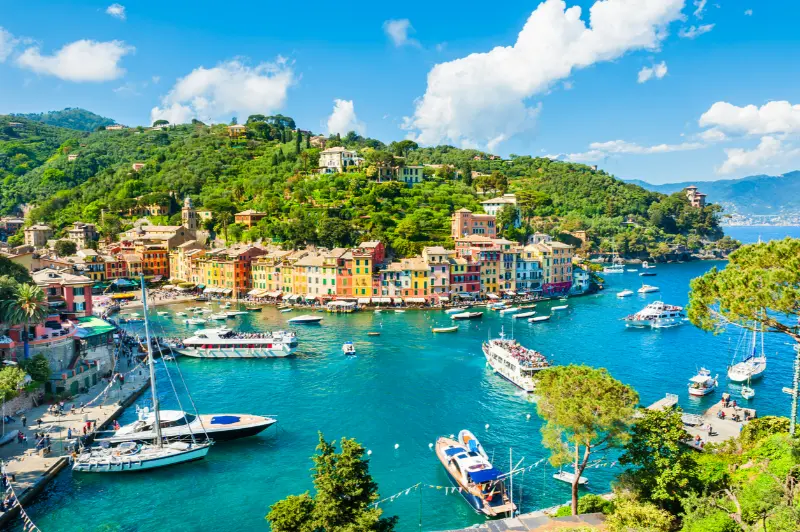
Portofino Without the Rush: plan a rewarding trip by understanding how the destination actually works. The heart of the experience is a tiny harbour under steep wooded hills, where a slower visit reveals more than the fashionable waterfront square. This English-language guide has been designed for travellers who prefer useful details over a rushed checklist. It distinguishes lasting geographical and cultural features from seasonal rules that should be checked again before departure.
Where you base yourself and how much time you give the area matter as much as the main attraction. Portofino on the protected tigullio coast of eastern liguria offers very different experiences depending on whether you arrive by train, use local services or want to go beyond the most photographed streets. The sections below explain realistic routes, what deserves attention, accommodation choices, food, access needs and alternatives when weather changes your plan.
For travel beyond Portofino Without the Rush, consult our Liguria travel guide; it explains how to choose a base and link nearby destinations.
At a glance: how to plan your visit
| Area | Portofino on the protected Tigullio coast of eastern Liguria |
|---|---|
| Suggested accommodation | Santa Margherita Ligure or Rapallo for flexible hotels and train links; Portofino itself for a special small-village overnight stay |
| Public transport strategy | Travel by train to Santa Margherita Ligure–Portofino, then check local bus, seasonal boat or a suitable walking connection |
| When to go | April–June and September–October for a balance of walking and active transport; high summer for boats with heavier crowds |
| Common mistake to avoid | expecting a railway station in Portofino, driving all the way to the square, or underestimating the heat on the lighthouse path |
Contents of this guide
- The harbour is a starting point, not the whole visit
- San Giorgio and Castello Brown for elevated views
- The lighthouse walk deserves its own time
- Getting here by land and sea
- Portofino Park is bigger than the famous square
- Paraggi and realistic beach expectations
- Combine Portofino with Santa Margherita or Camogli
- Enjoy the village respectfully and economically
- Sample itinerary and practical planning
- Common questions
The harbour is a starting point, not the whole visit
Portofino’s small natural inlet is framed by colourful houses and wooded slopes. The piazzetta is beautiful, but an hour spent at café tables can be expensive and leave a visitor with little sense of the surrounding landscape. Start with the waterfront, then walk a few streets uphill. The combination of maritime architecture, fishing history and preserved hillside vegetation explains why the village became a symbol of the Riviera.
Before choosing this stop, decide whether you want time for interiors, an open-air walk or simply an unhurried look at the surroundings. Those are different experiences; the latter is not necessarily inferior. Keeping a little flexibility helps when local opening hours or congestion do not match your original plan.

San Giorgio and Castello Brown for elevated views
The short climb above the harbour leads towards the Church of San Giorgio and Castello Brown, both linked to remarkable views over the inlet and sea. Opening times and access fees for interiors can change; a pleasant walk does not require buying every admission. Check footwear because paved stretches can be steep and slippery after rain. The view from higher ground helps explain the village’s sheltered location between two broader coastal worlds.
Look beyond the first viewpoint for the everyday character of the place: working streets, quieter approaches, food shops and changing light often provide the memory that lasts. Remain on public routes, check signs and resist shortcuts through private areas even when they seem popular with other visitors.
The lighthouse walk deserves its own time
The path towards Faro di Portofino runs beyond the village headland through a more open landscape. Expect gradients, sunshine and occasional uneven sections rather than a flat urban promenade. Carry water, especially in summer, and walk only as far as feels comfortable. The destination is not a reason to rush back for a tight ferry departure; spend time observing the colour changes of the sea and vegetation.
A sensible visit accounts for the return journey as well as the arrival. Check when the next train, bus or boat operates, and do not rely exclusively on map estimates for stairs, waiting time or hills. Staying closer to the main connections may be more valuable than staying in a slightly cheaper but isolated room.
Getting here by land and sea
Santa Margherita Ligure’s railway station is the usual practical entry point for visitors using public transport. From there, buses and seasonal boats may serve Portofino, while walking routes appeal to visitors happy with a longer coastal outing. Timetables change and boat departures can be cancelled in rough conditions. The village has constrained car access, so a car-based holiday should not be planned around convenient parking at the harbour.
For a relaxed experience, pick one major sight and one optional addition. Trying to complete several ticketed attractions, a full meal, a hike and a long transfer on the same day rarely leaves time to enjoy the destination. Use the optional activity only if weather, energy and local conditions cooperate.
Portofino Park is bigger than the famous square
The protected promontory contains woodland, old routes, cliff views and connections towards Camogli and San Fruttuoso. Trails vary dramatically, from comfortable walks to harder paths with exposed sections. Read official route descriptions carefully and match them to your fitness, shoes and weather. The spectacular San Rocco–San Fruttuoso routes should not be confused with a short stroll around the harbour.
If you travel in a group, make sure everyone understands what this stop involves. Differences in gradient, steps, exposed paths and available shade can turn a delightful detour into hard work for someone with mobility limits or small children. It is fine to choose a gentler alternative without missing the essence of Liguria.
Paraggi and realistic beach expectations
Paraggi, along the coast near Portofino, is known for its sheltered bay and distinctive green-blue water. Beach space is limited, and visitor services can be expensive or subject to seasonal rules. A photograph of the bay is not evidence that you can easily arrive and secure free sand at noon in August. Decide whether you want a swim, a scenic walk or a restaurant stop, and plan the visit accordingly.
What appears effortless in peak-season photographs may depend on a short period of settled weather. Coastal boats, beaches and paths can be affected by wind, rain or swell. Keep another destination nearby in mind, and check authoritative notices before heading for an exposed route.
Combine Portofino with Santa Margherita or Camogli
Santa Margherita Ligure has a substantial waterfront, shops and a rail connection that make it a practical base. Camogli, on the other side of the promontory, offers a working-harbour character. Both provide context and varied restaurant options beyond Portofino itself. If you wish to visit the abbey at San Fruttuoso, allow a weather-dependent boat or a properly researched hike rather than bolting it onto a busy Portofino afternoon.
Small-scale local businesses shape the character of this region. A lunch in an ordinary trattoria, a bakery purchase or a respectful conversation in a shop can add context that packaged sightseeing misses. Restaurants have different opening days and meal times, so avoid making a single venue the only workable plan.
Enjoy the village respectfully and economically
Portofino is a living settlement, not an outdoor photo studio. Keep doorways clear, avoid leaning into private terraces and make space for residents using narrow lanes. To limit costs, eat or stay in a larger nearby town and allocate your Portofino hours to walking and a single special treat. In high season, choosing an early arrival or a weekday often makes a bigger difference than booking the most expensive terrace.
Treat the landscape as something shared with residents and future travellers. The most convincing way to travel responsibly is practical: avoid blocking narrow lanes, carry away litter, respect maintained paths, and favour public transport where it replaces stressful coastal driving.
An itinerary that leaves room to enjoy the place
The following is a flexible sequence, not a timetable or a promise of service frequency. You can use it as a single long visit or separate the steps across two days. The best plan often changes with the season, the opening hours of individual attractions and your appetite for walking.
First hour
Walk the harbour and Piazza Martiri dell’Olivetta, then leave the square for the lanes behind it. Allow a little time to orient yourself, check the next transport connection and step away from the busiest part of the destination before deciding what comes next.
Second hour
Go up towards the Church of San Giorgio and the viewpoints around Castello Brown when accessible. Allow a little time to orient yourself, check the next transport connection and step away from the busiest part of the destination before deciding what comes next.
Later afternoon
Choose a lighthouse walk, park path or swim near Paraggi according to conditions and ability. Allow a little time to orient yourself, check the next transport connection and step away from the busiest part of the destination before deciding what comes next.
If you have a full day
Build in Santa Margherita Ligure or a separate San Fruttuoso trip rather than treating both as quick detours. Allow a little time to orient yourself, check the next transport connection and step away from the busiest part of the destination before deciding what comes next.
How to arrive and get around
Travel by train to Santa Margherita Ligure–Portofino, then check local bus, seasonal boat or a suitable walking connection. Before departure, check a current train or bus timetable and determine whether the final approach to your address involves hills, steps or an unmarked walking route. A journey that looks short on the map may be tiring with luggage or in midsummer heat. Keep transit tickets and service conditions separate from attraction admission: buying one rarely guarantees the other.
For longer itineraries, cluster nearby visits together rather than returning repeatedly to the same rail junction. Regional rail generally works well along much of the Ligurian coast, but inland excursions can require fewer or slower buses. If using a car, verify parking and traffic restrictions before driving, especially around historic centres and villages where the streets were never designed for modern visitor volumes.
Where to stay and how long to allow
A useful base depends on the shape of your holiday: Santa Margherita Ligure or Rapallo for flexible hotels and train links; Portofino itself for a special small-village overnight stay. For a short break, convenience can outweigh an impressive sea view. Check the real distance to the station, stairs to the property, the availability of evening food and whether air-conditioning or a lift matters for your group. For a longer holiday, it may be sensible to divide nights between two regional bases rather than travelling across the entire Riviera every day.
Avoid allocating a precise number of minutes to every lane, museum or coastline viewpoint. A half-day is plenty for one compact highlight, while a full day is easier for a town with museums, a proper meal and an optional nearby excursion. Families, hikers and travellers with reduced mobility may need very different time budgets. Allow a margin before the last train or ferry, even when the return journey seems simple.
When to visit and what to pack
The most useful seasonal pattern is April–June and September–October for a balance of walking and active transport; high summer for boats with heavier crowds. Even in pleasant weather, the coast can be windy and exposed hillsides may feel much hotter than shaded streets. Pack comfortable shoes with grip, drinking water, sun protection and a light layer for changing conditions. If a hike or ferry is central to the trip, check current alerts and weather the evening before, then reassess again on the day.
Weekends, festivals and school holidays can change the atmosphere markedly. Choose early arrival times if you want photographs or a quiet breakfast by the harbour, while accepting that local life is not arranged around tourism. Winter can be excellent for cities and walking in settled weather, but some coastal boat routes, beach services and seasonal restaurants may operate differently. Do not assume an attraction described as open in one season is open year-round.
What to eat, and how to keep the budget sensible
The food is part of the reason to visit: fresh fish, pesto-based pasta, focaccia, seasonal vegetables and Ligurian olive oil; compare menus before sitting on the most famous waterfront. Choose a bakery for a low-key lunch or book a restaurant when you specifically want seafood or a longer meal. Menu prices, beach-club fees and transport tariffs change; compare current prices directly rather than budgeting from an old screenshot. Busy harbour-front locations may charge a premium for a view, and a few streets farther back can reveal a different atmosphere.
A cost-conscious trip need not mean rushing. Use regional trains where practical, select accommodation near the connections you will actually use and buy attraction tickets only when they match your interests. Give yourself free time for a panorama or public promenade instead of adding a paid stop to every hour. If accommodation looks unusually cheap, check whether parking, luggage transport, access stairs or repeated taxis erase the savings.
Family travel, accessibility and responsible tourism
Accessibility in Liguria varies sharply because steep land meets the sea. Historic paving, steps, cliff paths and tightly packed railway platforms can be significant barriers. Before booking, ask individual properties about step-free routes and lift dimensions, and check attractions rather than assuming an accessible entrance exists. Parents travelling with strollers should prefer well-connected bases and treat long hillside walks as optional rather than essential.
A good visit also protects the places that make the Riviera attractive. Respect public and private spaces, keep to designated trails, do not climb sea walls or vineyard terraces for photos, and carry waste away. Consider travelling by rail instead of driving into congested small villages. In protected areas, follow the latest official rules; permits, closures and limits may change even when the underlying scenery remains unchanged.
One mistake to avoid
The most common planning trap here is expecting a railway station in Portofino, driving all the way to the square, or underestimating the heat on the lighthouse path. A better approach is to prioritise what the landscape and local connections can support that day, keep a nearby backup and leave one unscheduled period. This makes the experience enjoyable even if there is a delayed train, temporary trail closure or unexpected queue.
Useful nearby guides on My Italy Experience
- Liguria Beyond the Postcards: A First-Timer's Guide to Italy's Riviera
- Where to Stay in Liguria: Choose Your Riviera Base Wisely
- Camogli by the Sea: Colourful Houses, Coastal Trails and San Fruttuoso
- Genoa Unfolded: Palaces, Caruggi, Harbour and Hidden Viewpoints
Frequently asked questions
Can I travel to Portofino by train?
Not directly. Use the railway to Santa Margherita Ligure–Portofino, then continue by local bus, seasonal boat or an appropriate walking route.
How long do I need?
Half a day covers the harbour and main viewpoints. A full day is worthwhile when you want a longer coastal walk or an adjacent village.
Is Portofino a beach destination?
It is primarily a village-and-scenery destination. Paraggi and nearby bathing areas offer options, but space and access arrangements vary.
Can I hike to San Fruttuoso?
There are park trails, but they differ in difficulty and some are demanding or exposed. Check route status, weather and equipment before setting out.
Where should I sleep near Portofino?
Santa Margherita Ligure or Rapallo generally offer a wider range of accommodation and useful train links; Portofino is a more specialised choice.
Official information and places to stay
Recheck local access rules, trail conditions, ticket conditions and timetables before leaving. Start with the official tourism or attraction information. Information in this article describes the situation researched in October 2026; future travel dates require fresh confirmation.
Last updated: October 17, 2026