
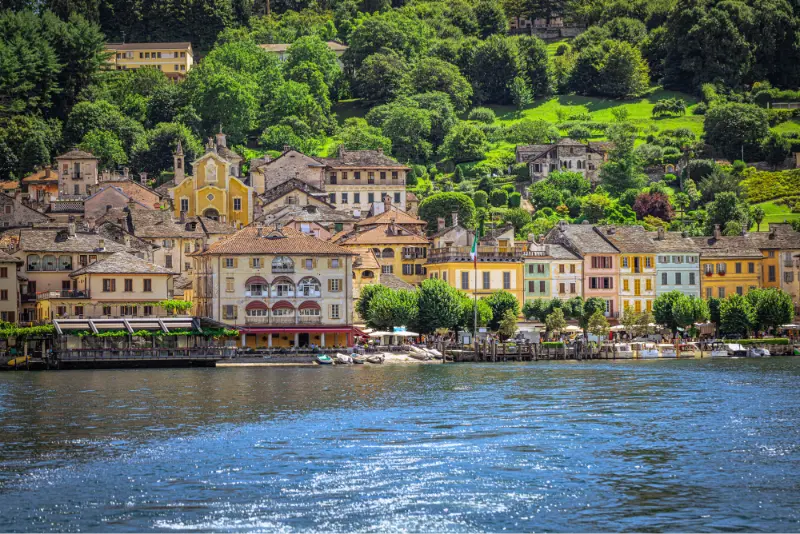
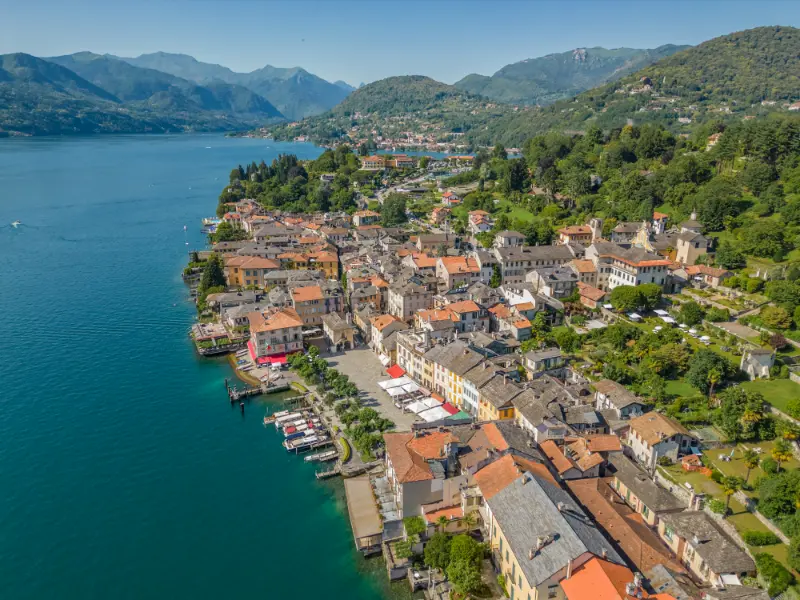
Lake Orta is smaller and quieter than neighbouring Lake Maggiore, but its scale is one of its greatest strengths. Orta San Giulio wraps around a pedestrian-friendly lakeside centre facing Isola San Giulio, while the wooded Sacro Monte rises directly behind the village. This gives travellers three different experiences within a compact area: an old town of lanes and palaces, a short boat trip to a spiritual island, and a UNESCO-listed devotional landscape above the lake. The regional tourism board also highlights Orta’s inclusion in the protected Lake Orta landscape and the UNESCO context of Sacro Monte. A full day is enough for the essentials, but an overnight stay reveals the village after day-trippers leave and makes the lake feel much more intimate.
Quick planning overview
| Best for | Quiet lake atmosphere, village walking, spiritual heritage and views |
|---|---|
| How long | 1 full day; 1–2 nights for a slower stay |
| Main sights | Orta San Giulio, Isola San Giulio, Sacro Monte |
| Car strategy | Park outside the pedestrian centre |
| Pair with | Stresa/Lake Maggiore or the Ossola valleys |
Orta San Giulio old town
The centre of Orta San Giulio is best understood on foot. Narrow lanes descend toward Piazza Motta and the waterfront, while historic houses and small courtyards create a more enclosed atmosphere than the grand promenades of Lake Maggiore. The lack of through traffic in the core is part of the appeal, but it also means drivers need to use designated parking outside the most sensitive streets.
Do not rush directly to the island boat. Spend time on the mainland first, ideally early in the morning before day-trip groups arrive. Piazza Motta changes character through the day, and small side streets provide some of the best views toward Isola San Giulio. Comfortable shoes help because the village is compact but not flat.
Isola San Giulio
Isola San Giulio sits just offshore and is reached by short boat services from Orta. The island’s religious identity is central, with the Basilica of San Giulio and a quiet route often associated with meditation and silence. The visit is physically small but should not be treated as a race. The atmosphere depends on moving slowly and respecting spaces used for worship and contemplation.
Boat operations can vary by season and provider, so check locally for current departures rather than relying on a timetable copied months earlier. If the island is an essential part of your day, visit before late afternoon so you have options if a sailing changes. Dress appropriately for religious interiors.
Sacro Monte di Orta
The Sacro Monte rises on a wooded promontory above the village and forms part of the UNESCO-listed Sacred Mountains of Piedmont and Lombardy. Its chapels trace episodes connected with Saint Francis of Assisi, set within a landscape where architecture, sculpture and nature work together. The climb also produces excellent views across the lake.
Allow more time than the map suggests. Even if distances between chapels are short, slopes and repeated stops make the visit slower. In hot weather, morning or late afternoon is more comfortable. Travellers with limited mobility should research access carefully because the historic path network and terrain are integral to the site.
Walking and lake time beyond the main sights
Lake Orta rewards travellers who leave some time unstructured. A lakeside walk, coffee in the square or short excursion to another shoreline village can make the trip feel different from a checklist day. The lake is small enough that driving distances are manageable, but roads and parking still slow movement around popular areas.
If you have two days, use the second for Pella, Omegna or an outdoor walk rather than repeating the central village. Families may prefer a shorter cultural itinerary paired with more lake time. Couples often enjoy staying overnight specifically for the quieter evening atmosphere after boats and day visitors diminish.
Combining Lake Orta with Lake Maggiore
Orta and Stresa are close enough to combine in a broader Piedmont lakes trip, but each deserves its own main day. A common mistake is to visit the Borromean Islands in the morning and rush to Orta in late afternoon. That creates two incomplete experiences and adds parking stress at the worst time.
A better plan is to spend one day on Lake Maggiore and the next on Lake Orta, sleeping in one base or splitting nights if atmosphere matters. Drivers can also connect Orta with Domodossola on a longer route toward the Alps. Our new Lake Maggiore and Ossola guides can help structure that sequence.
A one-day itinerary that keeps the lake peaceful
Arrive early and begin in Orta San Giulio before the main day-trip flow. Walk down to Piazza Motta, explore the side streets and take the short boat to Isola San Giulio while the waterfront is still calm. Return for lunch on the mainland, then climb or travel toward Sacro Monte in the afternoon. This sequence keeps the spiritual island and devotional hill separate enough to appreciate both, while still leaving time for a final lakeside coffee or walk.
If you travel with children, shorten the cultural portions rather than removing all unstructured lake time. If you travel for photography, reverse the sequence when evening light on the island is important. Drivers should avoid moving the car during the day once a good parking place is found. The historic centre is designed for walking, and repeated searches for closer parking only create stress. The value of Lake Orta is its compactness: use that to slow down, not to fit in more destinations.
How much time to allow
One full day covers the old town, island and Sacro Monte at a reasonable pace. An overnight stay is worthwhile if you value quiet evenings, photography or slow dining. Two nights make sense when adding shoreline villages or hiking.
Avoid judging the itinerary only by driving or boat time. Parking, fixed admissions, meals and short walks between stops add up quickly. For context, compare this with Lake Maggiore Piedmont guide, Stresa travel guide, Borromean Islands guide.
Getting around
A car is useful for a broader lake itinerary, but Orta’s centre itself is pedestrian-focused. Park in designated areas and walk downhill. Regional rail can serve the wider lake area, though the final connection to the historic centre may require additional transport.
Use official transport information for the exact travel date and keep a buffer around the last practical connection. In historic centres, signed parking and pedestrian routes are usually more reliable than blindly following a navigation app into old streets.
Best time to visit
Spring and early autumn are ideal for walking and views. Summer is lively and warm; start Sacro Monte early. Winter is quiet and atmospheric, but boat schedules and restaurant opening days are more limited. Fog can reduce views but create a distinctive mood.
For weather-dependent attractions, keep at least one part of the itinerary flexible. Seasonal opening hours and local events can change the character of a destination, so verify the official calendar shortly before travel.
Where to stay
Stay in Orta San Giulio for atmosphere and evening walks, or use a nearby lake base for easier parking and road access. If you choose the old centre, confirm how luggage reaches the property because vehicle access may be restricted.
When comparing properties, check parking, check-in hours, air conditioning where relevant, and how late you can reach the hotel after dinner or a day trip. You can check accommodation options.
Food and local experience
Lake and Piedmont traditions meet here. Plan a slow lunch or dinner rather than eating only between boat departures. Waterfront tables are scenic, but booking can be wise on summer weekends. Explore local cheeses, risotto and seasonal dishes.
Leave enough time for meals instead of treating them as gaps between attractions. In Piedmont, long lunches, seasonal menus and regional wines are part of the travel experience, and they often make a smaller number of well-chosen stops more satisfying than a packed schedule.
Reservations, accessibility and responsible visiting
Check boat services and church access close to your date. The Sacro Monte and old village include slopes, steps and historic surfaces. Travellers with mobility needs should contact accommodation and tourism offices about accessible routes and parking.
Respect private property, working vineyards, religious spaces and local residents. Do not enter agricultural land or restricted streets simply because a map shows a route. Carry water, dress for the terrain and adapt the plan when weather or local conditions change.
Photography and quiet-hour strategy
Early morning and late afternoon are especially rewarding because the light softens and the village becomes less crowded. If photography matters, stay overnight so you are not tied to midday arrival and departure patterns. Be discreet around religious spaces and residents, and avoid blocking narrow lanes while setting up photographs.
If you visit on a busy weekend, allow additional time for parking and boat queues. A slightly earlier arrival usually improves both the practical experience and the atmosphere in the narrow historic streets.