
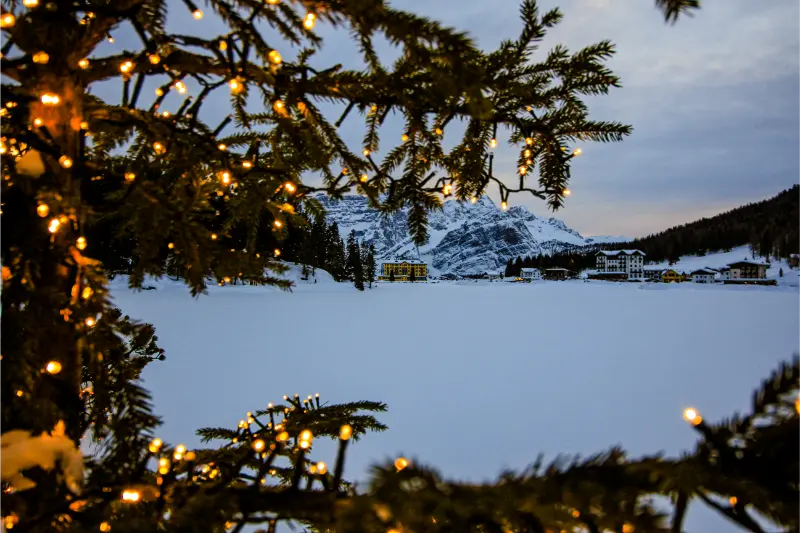
Belluno is more than a gateway sign on the road to famous peaks: it is a small Venetian-influenced city where the historic centre and Dolomites landscape meet directly.
At a glance
| Best for | Historic centre, mountain views, museums and a lower-altitude Dolomites base |
|---|---|
| Allow | 1 day for the city; 2–3 nights if using it as a regional base |
| Best base | Historic centre or near the station depending on transport needs |
| Car needed? | No for the city; useful for flexible mountain exploration |
Why stop in Belluno
Belluno sits between the Piave and Ardo with mountains rising immediately around the city. Its historic centre reflects centuries of connection with the Republic of Venice rather than the Tyrolean appearance some first-time visitors expect from a mountain province. Piazza Duomo, Piazza dei Martiri, the old gates and river-facing streets make a compact urban walk with a backdrop few Veneto cities can match.
If your trip already includes our Veneto Dolomites guide, Belluno can serve as a lower-altitude arrival or departure night. It is particularly useful when mountain weather is poor, because you can spend time in the city rather than losing a day to a closed lift or clouded viewpoint.
A walking route through the historic centre
Start at Piazza dei Martiri, then move toward the older core around Piazza delle Erbe and Piazza Duomo. The cathedral, Palazzo dei Rettori and surrounding civic buildings explain the city’s Venetian-era layers. Continue toward one of the historic gates and down toward river viewpoints if weather and mobility allow.
Belluno is small enough that orientation should remain easy, but elevation changes matter more than the map suggests. If you have limited mobility, choose the central squares first and use local transport or parking strategically rather than committing to every downhill-and-uphill viewpoint.
Museums and culture
Palazzo Fulcis houses the civic museum collections and is the main indoor cultural anchor. It is a good choice on a rainy mountain day or for travellers who want more than scenery. Belluno is also associated with writer Dino Buzzati and wider Dolomite cultural history, which can add depth to a trip otherwise dominated by outdoor activities.
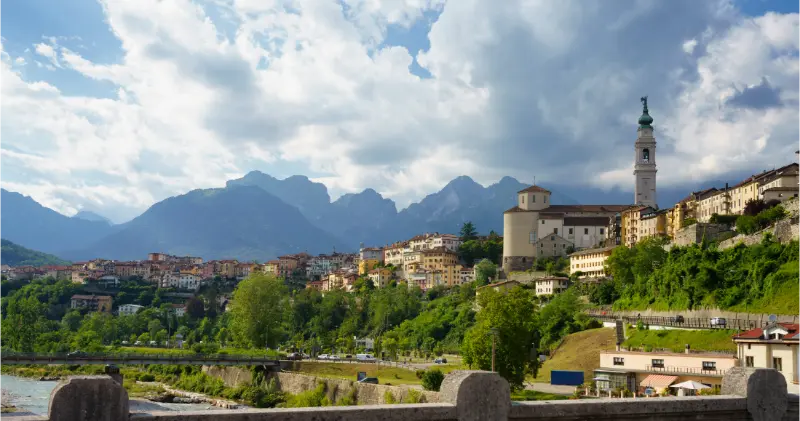
Do not schedule museums as a backup only. Mountain regions are culturally rich precisely because valleys, trade routes and political borders shaped them differently. A museum hour in Belluno can make the architecture and art you see elsewhere in the province easier to understand.
Belluno as a Dolomites base: when it works
Belluno is not the right base for every famous Dolomites hike. Driving to Cortina, Misurina or far western valleys can create long days, so map the trailheads you actually want before booking. The city works best for the southern Belluno Dolomites, Nevegal, parts of the national park, flexible road trips and travellers who value rail access and urban services.
For a dedicated high-mountain stay, move closer to the target valley. Our Dolomites guide explains why one central base rarely works for the entire mountain region. Belluno is a gateway, not a magical midpoint to every peak.
Nevegal and easy outdoor additions
The Nevegal plateau above Belluno can add walking, cycling and winter activities without committing to a distant mountain resort. Conditions and lift/service operation vary by season, so check locally rather than assuming year-round infrastructure. It can be a useful family option when you want mountain scenery close to the city.
The Dolomiti Bellunesi National Park and surrounding reserves offer many more serious routes. Trail choice should be based on current conditions, ability and daylight. In the mountains, “easy” is contextual: rain, snow, heat and storms can change a route quickly.
Food, seasons and how long to stay
Belluno’s food reflects the mountain setting more than coastal Veneto. Look for polenta, cheeses, mushrooms and hearty seasonal dishes, while remembering that menus vary across valleys. A city evening gives you an easier restaurant choice than some remote mountain bases, which is one practical reason to start or finish a Dolomites trip here.
One day is enough for the historic centre and museum. Two or three nights make sense if you want nearby walks or a flexible weather buffer. Autumn is beautiful but daylight shortens; winter suits city-plus-snow trips; summer is strong for hiking but afternoon thunderstorms require early starts.
A one-day Belluno itinerary
Start in Piazza dei Martiri, cross into the historic core and follow the main squares toward Piazza Duomo. Visit Palazzo Fulcis before lunch if art interests you, then use the afternoon for the old gates, river viewpoints and a café. If weather is exceptionally clear, consider a short drive or bus excursion toward Nevegal rather than adding another indoor stop.
On a rainy day, keep the museum, churches and food at the centre of the plan. Belluno is valuable precisely because it gives a mountain itinerary a respectable bad-weather alternative.
Belluno without a car
Rail access makes Belluno one of the more practical urban bases in the province, but mountain public transport requires advance planning. Check seasonal bus timetables and do not assume a trailhead served in August has the same service in October.
Without a car, choose fewer valleys and consider guided day trips for places that would otherwise require multiple changes. A well-planned two-base trip—Belluno plus a mountain village—often works better than trying to commute to every hike from the city.
Belluno as a first night in the mountains
Arriving in Belluno before moving higher can be a smart way to reduce travel fatigue. You can collect supplies, check the weather, sleep at lower altitude and start the mountain portion refreshed the next morning. This is especially useful after a flight into Venice or a long train journey.
The same logic works at the end of the trip. A final Belluno night can make the next day’s rail connection more predictable than descending from a remote valley at dawn. It also gives you one last proper restaurant evening before travel.
Weather strategy for mountain travellers
Never rely on a general Veneto forecast for a high-mountain plan. Check local mountain forecasts, storm probability and lift or road information each morning. Summer thunderstorms can build quickly; winter roads may require equipment or experience beyond normal city driving.
Keep a list of lower-altitude alternatives: Palazzo Fulcis, churches, Belluno’s centre, a long lunch, or a short valley walk. Flexibility is not a consolation prize in the Dolomites; it is part of competent trip planning.
Local food and practical shopping before the mountains
Belluno is a useful place to buy picnic food, water, pharmacy items and basic outdoor supplies before moving into smaller valleys. If you have dietary restrictions, stock a few reliable snacks rather than assuming every mountain hut will have suitable options.
For dinner, look for dishes tied to the Belluno area and seasonal mountain ingredients. A relaxed meal in town can be more satisfying than driving after dark to chase a famous restaurant elsewhere in the province.
When Belluno is the wrong base
Belluno should not be chosen simply because it is the provincial capital. If every must-do hike sits around Cortina, Arabba or Alleghe, staying closer to those areas will save hours of daily driving. The city earns its place when you value rail access, restaurants, museums and flexibility. Good regional planning is often about knowing which attractive base not to use.
Costs, reservations and what to book ahead
Belluno city sightseeing is relatively simple, but mountain add-ons can change the budget. Guided hikes, lifts, rental cars, parking and mountain transport may cost more than museums in the centre. Price the outdoor day separately from the city day, especially if equipment rental or a private transfer is required.
Reserve technical mountain activities and peak-season accommodation in advance, but keep the city programme flexible for weather. Do not prepay a distant mountain excursion solely because the forecast looks good a week ahead; choose operators with clear weather and cancellation policies.
How to plan the visit
Choose Belluno only after mapping your mountain priorities. If your must-do activity is two hours away each morning, move your accommodation closer. If you value trains, restaurants, museums and weather flexibility, Belluno becomes much more attractive.
Keep one city-focused half-day in reserve for bad weather. Save official park and tourism pages offline and check local forecasts every morning before committing to mountain roads or exposed trails.
Tours and activities
Guided hikes, private Dolomites day trips and e-bike experiences can make Belluno a useful starting point when you do not want to drive. For mountain tours, verify the exact valleys and walking time included rather than choosing by a generic “Dolomites” title.
Where to stay
For easy access to restaurants and evening walks, compare Belluno accommodation. If your itinerary is entirely mountain-focused, compare Belluno with a stay closer to the specific valley or trailheads in our Veneto Dolomites guide.
Useful official sources
- Veneto tourism – Belluno
- Dolomiti Bellunesi – official tourism
- Belluno tourism – practical information
Final planning advice
Use Belluno deliberately: as a compact cultural city, a weather-flexible gateway and a base for the southern Dolomites. It is strongest when you avoid pretending it is equally close to every famous mountain.