

Cala Gonone sits below the Supramonte where limestone mountains meet the Gulf of Orosei. The road drops sharply toward the sea, and once you arrive, the harbour becomes a launch point for caves and coves hidden along a coast with almost no road access.
The town is practical rather than monumental: promenade, marina, restaurants and beach access. Its strength is what surrounds it—Bue Marino caves, Nuraghe Mannu, boat routes, climbing walls and the Gulf’s inaccessible limestone shoreline. This article focuses on what makes the destination distinctive, how to experience it without rushing and where it belongs in a wider Sardinia route.
Planning more than Cala Gonone? The Sardinia travel guide compares the main areas and helps you put this stop into a manageable route.
Quick planning summary
| Best for | boat excursions, families, hiking, caves and travellers who want direct access to the dramatic Gulf of Orosei coast |
|---|---|
| Time needed | Three nights are ideal; four give valuable flexibility for boat weather and one inland day. |
| Car | Useful for arrival and regional exploration, but once in Cala Gonone many headline experiences begin from the marina or nearby trailheads. |
| Main planning rule | Stay several nights and keep the boat day flexible. Use Cala Gonone as a true activity base rather than a one-night stop where every hour depends on perfect sea conditions. |
What makes this place special
Cala Gonone feels like the sea-facing counterpart to inland Dorgali and the Supramonte. The mountains are always present behind the harbour, which makes every beach or boat departure feel connected to a much larger wilderness.
A boat day is spectacular, but a land day matters too. Nuraghe Mannu, caves, viewpoints and short walks prevent the destination from becoming a sequence of coves seen only from a deck.
Why it is worth adding to your Sardinia trip
Stay several nights and keep the boat day flexible. Use Cala Gonone as a true activity base rather than a one-night stop where every hour depends on perfect sea conditions. The town is practical rather than monumental: promenade, marina, restaurants and beach access. Its strength is what surrounds it—Bue Marino caves, Nuraghe Mannu, boat routes, climbing walls and the Gulf’s inaccessible limestone shoreline.
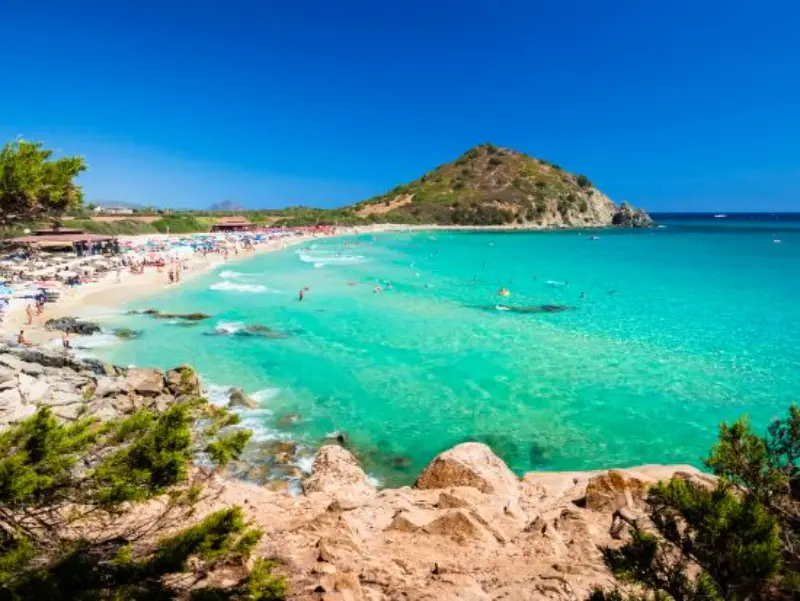
The best decision is geographic as much as emotional. Sardinia is large, so a beautiful destination adds more value when it fits the same coast, mountain region or transfer direction as the rest of your trip.
What to see and experience
Marina and promenade
The waterfront is the practical centre of Cala Gonone, with excursion departures, restaurants and evening life concentrated around the harbour.
Give this stop enough time to have its own identity. Check current access, parking, opening hours, weather or reservation requirements shortly before travel, especially for protected beaches, parks, ferries and archaeological sites.
Grotta del Bue Marino
The famous sea-cave system is reached by boat and organized access, with visit conditions and routes that can change.
Give this stop enough time to have its own identity. Check current access, parking, opening hours, weather or reservation requirements shortly before travel, especially for protected beaches, parks, ferries and archaeological sites.
Cala Luna
One of the Gulf’s best-known coves, reached by boat or hiking route rather than normal road access.
Give this stop enough time to have its own identity. Check current access, parking, opening hours, weather or reservation requirements shortly before travel, especially for protected beaches, parks, ferries and archaeological sites.
Nuraghe Mannu
A nuragic site on a rugged promontory adds archaeological depth immediately above the coastal resort.
Give this stop enough time to have its own identity. Check current access, parking, opening hours, weather or reservation requirements shortly before travel, especially for protected beaches, parks, ferries and archaeological sites.
Aquarium and family options
Cala Gonone offers family-friendly alternatives for hours when boat or beach plans need a break.
Give this stop enough time to have its own identity. Check current access, parking, opening hours, weather or reservation requirements shortly before travel, especially for protected beaches, parks, ferries and archaeological sites.
Climbing and Supramonte access
The limestone environment attracts climbers and hikers, but routes range from easy viewpoints to expert terrain.
Give this stop enough time to have its own identity. Check current access, parking, opening hours, weather or reservation requirements shortly before travel, especially for protected beaches, parks, ferries and archaeological sites.
Nearby beaches
Local beaches around Cala Gonone give you easy sea time when a full Gulf excursion is unnecessary.
Give this stop enough time to have its own identity. Check current access, parking, opening hours, weather or reservation requirements shortly before travel, especially for protected beaches, parks, ferries and archaeological sites.
Dorgali connection
The inland town of Dorgali brings craft, archaeology, food and wine into easy reach of a coastal stay.
Give this stop enough time to have its own identity. Check current access, parking, opening hours, weather or reservation requirements shortly before travel, especially for protected beaches, parks, ferries and archaeological sites.
How to plan the day without flattening the experience
A good Sardinia day usually has one clear centre of gravity. Make the main beach, archaeological area, hike, boat trip or cultural district the priority, then add one complementary experience nearby instead of chasing a second headline destination across the map.
In summer, use cooler hours for archaeology, old towns and exposed walking. Beach parking and managed-access systems often reward earlier starts. Late afternoon is especially valuable for villages, viewpoints and waterfronts because day-trip pressure falls and the light becomes softer.
Keep weather-sensitive plans movable. Wind changes beach comfort, ferries and boat excursions; heat changes hiking; fire restrictions can affect nature areas. A flexible regional alternative is far more useful than an ambitious fixed schedule.
Getting there and getting around
Drive over the mountain road from Dorgali or arrive by regional transport, then park for much of the stay. Boat operators are clustered around the marina; compare route length and stop style rather than only price.
Driving strategy
Use the car to connect regions, not to move between every sight. Once you have reached a compact town or archaeological cluster, park and walk. The constant search for the closest parking space can consume more time than a ten-minute walk.
Transfer-day rule
When changing hotels, choose one substantial stop between bases. Luggage, check-out, road time, parking and check-in all make transfer days slower than normal sightseeing days.
Where to stay around Cala Gonone
Stay near the promenade for walkable evenings and early boat departures, or slightly uphill for views if you accept steeper walks.
Check evening logistics before booking. A spectacular remote room may be perfect for silence but frustrating if every dinner requires a dark rural drive. In a town, a central room can justify higher pricing by removing repeated parking and taxi costs.
A realistic itinerary
Start / Day 1
Arrival day: promenade, local beach and easy dinner.
Midday / Day 2
Best-weather day: full Gulf boat excursion and Bue Marino/coves according to current route.
Afternoon / Day 3
Land day: Nuraghe Mannu, Dorgali or a suitable hike/viewpoint.
Evening / Extra time
Keep one final half-day flexible for another beach, aquarium or a boat reschedule.
Food and local character
Seafood dominates the waterfront, but Dorgali and Barbagia traditions are close enough that inland cheeses, meats and local wine should also appear in the trip.
Food should reinforce the geography of the trip. North-west fishing traditions, Gallura’s inland cuisine, Barbagia pastoral dishes and Sulcis island food are not interchangeable. One place-specific meal often tells you more than another generic sightseeing stop.
Best time to visit
April to June
Spring and early summer are excellent for culture, hiking and road trips. Landscapes are greener, temperatures are easier and the busiest beach-management period may not yet be at full pressure.
July and August
Peak summer brings the warmest sea, busiest ferries and fullest excursion schedules, but also the strongest heat, highest prices and greatest need for parking or reservation planning.
September and October
Early autumn is one of Sardinia’s best periods for combining sea and culture. Later in autumn, exposed islands and boat plans require more weather flexibility.
Winter
Cities, archaeology and inland culture can be rewarding, while small-island services and beach-resort infrastructure become much quieter.
Costs and what is worth booking
Spend first on the experience that defines the destination: a qualified park visit, meaningful boat trip, archaeological ticket, guide or strategically located accommodation. Save money by reducing unnecessary hotel changes and unused rental-car days.
Peak-season ferries, protected beaches, small-island rooms and capacity-managed experiences may require advance booking. Always check the current official procedure rather than assuming last year’s system still applies.
Families and accessibility
Cala Gonone is one of the easiest Gulf bases with children because boat infrastructure and town services are close together.
The promenade is straightforward, but boat boarding, caves, pebble coves and steep hillside lodging vary. Confirm exact needs.
Families and travellers with mobility needs benefit from fewer bases and exact last-mile research. The return climb from a beach, distance from legal parking or ferry boarding can matter more than the headline attraction itself.
Common mistakes to avoid
- Booking only one possible boat day.
- Assuming every Gulf cove has road access.
- Staying high above town without checking the walk.
- Ignoring Dorgali and nuragic heritage.
- Combining a full boat trip with a serious hike the same day.
How to fit it into a wider Sardinia route
For one week, two regional bases are usually enough. Ten days can support three. If this destination requires a long out-and-back from the opposite side of the island, it probably belongs in a different trip or deserves an overnight stay.
Count not only kilometres but also the number of mornings that begin with luggage. A route can look efficient geographically while feeling exhausting because every night is somewhere new.
The beauty test
Ask whether your schedule leaves time to experience the quality that made you choose the destination in the first place. If a famous beach gets forty-five minutes because the next town is waiting, or a village is reduced to one photograph from the car, the route is working against the destination.
A better itinerary protects one memorable period each day: an uncrowded morning, a long lunch, a late-afternoon walk or an evening when you can stay because the light and atmosphere are better than expected.
A practical backup plan
For every sea or weather-dependent day, keep one nearby cultural or landscape alternative. The backup should be in the same region so that a cancelled boat or windy beach does not trigger a cross-island emergency drive.
Before setting out, save the parking point, official access page and the final return option offline. This is particularly useful in protected areas and rural coast where reception may be weaker.
A slower version of this visit
If Cala Gonone is one of the destinations you are genuinely excited about, give it more time than the minimum. The places that define Sardinia are often most beautiful before the first excursion arrives, during a long midday meal, or in the hour before sunset when there is no reason to move on.
I would also separate the main experience from the transfer day whenever possible. Arriving the night before a major hike, protected beach or ferry excursion gives you control of the start time and avoids losing the reservation because of road delays, parking or rental-car queues.
When choosing accommodation, compare the real morning departure rather than the hotel description. A room only a few kilometres away can still require a slow road, limited parking or a difficult walk. Conversely, a central base may let you leave the car untouched for an entire evening and make the destination feel much more relaxed.
What I would remove if the day becomes too full
Remove the secondary viewpoint, the second beach or the extra village first. Keep the experience that is unique to this place. A Sardinia trip improves dramatically when you stop treating every pin on the map as equally important.
That rule also protects driving safety. Long coastal or mountain roads are more demanding after heat, swimming or a large lunch, and reaching the hotel before dark can be more valuable than squeezing in one last stop.
Choosing a boat excursion that matches your travel style
Boat trips from Cala Gonone vary from large organized vessels to smaller group or rental-boat experiences. The right choice depends on whether you value commentary, independence, swimming time or simplicity. More stops are not automatically better; three coves with enough time can be more satisfying than a long list of short landings.
Ask how cave visits are handled, how long the beach stops actually last and what happens if the sea becomes rough. The cheapest ticket may be perfectly good, but only if its rhythm matches what you want from the Gulf of Orosei.
Why Dorgali belongs in the same trip
Dorgali sits just inland but adds craft, archaeology, wine and a stronger everyday Sardinian atmosphere. A few hours there can turn a purely coastal stay into a more complete east-Sardinia experience, particularly if you combine the town with Nuraghe Mannu or another land-based stop.
I would use Dorgali on a windy or post-boat day rather than forcing another full excursion. That creates a useful change of pace while keeping the itinerary geographically compact.
One final base-selection tip
If your priority is several boat departures, stay close enough to the marina to walk there in the morning. If hiking and Dorgali matter more, a quieter or more elevated location can work, but only if you are comfortable with the slopes and daily driving.
Related Sardinia guides
Gulf of Orosei — useful for extending the route with content already public by this article’s publication date.
Best Beaches in Sardinia — useful for extending the route with content already public by this article’s publication date.
Nuoro and Barbagia — useful for extending the route with content already public by this article’s publication date.
Official information to verify before travel
Access rules, ferries, protected-area procedures and opening hours can change. Check the official or primary information source close to your travel date.
Last updated: October 17, 2026
Leave a Reply