
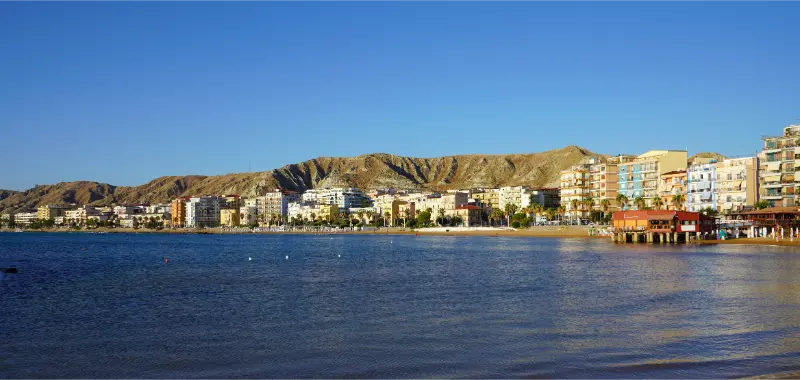
Crotone offers a rare opportunity to see Greek history through two very different settings: a working Ionian city and the exposed promontory of Capo Colonna. The story of ancient Kroton becomes far clearer when a museum visit is paired with a walk around the sanctuary landscape. Beaches and the urban promenade are welcome additions, but the strongest itinerary is organized around understanding that historical connection, not simply finding the surviving column.
What makes this visit distinctive
Crotone is strongest when the city and the headland are visited as a pair: the first supplies modern orientation and cultural context, the second gives the ancient sanctuary its setting on the sea. Keep the archaeological museum and the outdoor remains separate in your schedule, especially on hot, windy days when exposed walking can be tiring.
At a glance
The essential pairing is Crotone’s archaeological collection and Capo Colonna, the headland associated with Hera Lacinia. The museum puts smaller surviving objects into context; the promontory shows why the sanctuary occupied such a striking maritime position. These are not adjacent attractions, so decide whether you are driving or using another confirmed transfer. Add the waterfront only after leaving ample time for both heritage stops. The headland is exposed to sun and wind, making weather a practical part of your planning.
Walk the urban waterfront
Begin with Crotone’s seafront and central district to understand the modern city before tracing the much older Greek story. A waterfront walk is straightforward to combine with lunch.
Start with the town’s seafront and central streets to get your bearings. The modern city occupies a coastline with long layers of history beneath it, so the absence of standing Greek monuments at every corner does not diminish its past. A short promenade walk works well before a museum visit or as a relaxed ending after the headland. If you are here primarily for archaeology, resist the temptation to give most of the morning to swimming and leave the important cultural stops for their closing hour.

The Greek city of Kroton
Ancient Kroton became an important center of Magna Graecia. Treat museum displays and archaeological remains as complementary evidence; one monument cannot explain the entire city’s history.
Kroton was an important Greek colony and the name also recalls figures such as the philosopher and mathematician Pythagoras. The archaeological collection can make that broad label tangible through objects from civic and sacred contexts. Read the labels for provenance, because the sites represented may be spread across the wider territory rather than a single excavation beneath today’s streets. A little museum time before Capo Colonna makes the solitary column outside feel part of a larger urban and religious landscape.
To appreciate Capo Colonna, think about how a sanctuary could matter to people approaching from the sea. The headland’s outline is visible in a wide coastal setting, so the remaining column is not just an isolated archaeological object. Use interpretive panels or material from the museum to reconstruct the relationship between sacred architecture and maritime landscape. The exposed position also influences practical decisions: in windy weather it can be uncomfortable to linger on the open site, while in hot sun the temptation to cut across the terrain may be strong. Stick to the authorized route even when an apparently direct line to the column looks easier. If someone in your group is not interested in archaeology, explain the short route in advance and agree on a comfortable time to explore without rushing the people who are most interested.
Capo Colonna
The promontory is associated with the sanctuary of Hera Lacinia and the famous surviving column. It is outside the urban core and needs a separate transfer by car or verified local transport.
At Capo Colonna, the standing Doric column gives scale to the former sanctuary of Hera Lacinia, but much of the story lies in foundations and archaeological interpretation. The headland projects into the Ionian Sea, giving a strong sense of the sanctuary’s visibility to ships. Paths and open sections can change with conservation work, so follow designated circulation and any visitor notices. There is little advantage to visiting during the harshest midday sun if you can reserve an earlier or later time.
Archaeology without rushing
Allow time to read on-site interpretation, consider weather exposure, and check archaeological museum opening conditions separately from the outdoor area.
Move deliberately between archaeological objects and their original landscape. The headland is more impressive when you understand what was once here, but do not expect an intact Greek temple. The national archaeological museum in Crotone holds materials associated with the sanctuary area, while displays and excavation access should always be checked against current museum information. If one venue is closed, turn the visit into a coastal and historic-town day rather than trying to enter restricted archaeological ground.
Travelers who enjoy Greek history can turn the museum-and-cape pairing into a clear narrative. Start by asking what made ancient Kroton important, then look for evidence of its religious and civic connections in the collection. At Capo Colonna, consider how the surviving architectural fragment relates to the former sanctuary and the coastline beyond it. This gives meaning to a place where many structures have disappeared or survive close to ground level. If you are traveling with a partner less interested in archaeology, the headland view is still a reason to go, but agree on the visit’s pace in advance. Avoid planning a complex beach transfer immediately afterward. Instead, return toward Crotone for a relaxed meal and a short walk along the sea, letting the cultural and coastal experiences complement each other without competing for every minute.
Coast and swimming
A beach stop works on settled days, but a cultural itinerary should not depend on calm seas. Wind on the exposed Ionian coast can dramatically change the experience.
The Ionian coast around Crotone offers beach options, but public and equipped sections differ in services and access. Treat swimming as a separate decision based on sea conditions rather than an automatic stop between the museum and Capo Colonna. Families might prefer a settled beach afternoon after a shorter archaeological morning; history-focused travelers can skip the water entirely and use the extra time for the city’s older quarters and waterfront viewpoints.
It is worth distinguishing two kinds of time when planning Crotone: the minutes required to travel between attractions and the attention needed to understand them. A museum can contain a small number of objects that deserve longer explanation than an entire scenic seafront stretch. Conversely, the headland can inspire a pause simply to look outward across the Ionian Sea. Build this contrast into the visit. Have a quick lunch near the city rather than risking a long search for food beside the ruins, carry enough water for the outdoor portion, and choose a later swim only if conditions permit. These choices make the historical excursion enjoyable for both committed archaeology travelers and companions drawn mainly by Calabria’s coastline.
Suggested route
See the historic center first, then head to Capo Colonna in the afternoon; reverse that order during the hottest summer weather when exposed headlands can be uncomfortable.
A practical route goes from a city museum or central walk to Capo Colonna, followed by a return for food and the waterfront. If you are using public transport, establish whether the trip to the headland is actually possible on your chosen date before committing. A rental car makes the pairing easier but creates an obligation to check parking and archaeological access points. Be particularly cautious about inserting Le Castella on the same afternoon: the coastline looks compact on a map but detours add up.
When to visit
Spring and autumn work particularly well for an archaeological itinerary, when walking around the exposed headland is more comfortable. Summer brings the opportunity to combine culture with beaches, though the museum and ancient sanctuary are better visited away from peak heat. Strong wind can also shape the experience at Capo Colonna; a clear day is not automatically a calm day. Winter visitors should check museum hours and any temporary closures before organizing travel around a single attraction.
Getting around
Crotone is accessible along the Ionian corridor, but the archaeological headland is outside the center and requires a separate connection. Do not assume local buses run at convenient intervals for tourists, especially on Sundays. Drivers should navigate to the official archaeological visitor access rather than simply the cape’s geographic marker. Within the town, an urban walk may be straightforward, while the longer headland transfer should be treated as the main transport decision of the day.
How much time to allow
Reserve at least a generous half-day for the museum and Capo Colonna if you have your own transport, plus extra time for the city’s waterfront. A full day is more realistic when you want to read displays carefully, take breaks or include a beach stop. With two days you can separate archaeological exploration from the sea, and perhaps add another coastal locality. Trying to fit the museum, cape, Le Castella and beach time into a short afternoon would be an unnecessarily rushed visit.
Where to sleep
For a culture-first trip, a hotel in or near central Crotone simplifies restaurants and the museum visit. If swimming is the main purpose, compare beachfront properties by the actual beach type and road journey to town. Check parking because you may still need to drive to Capo Colonna. A hotel description saying ‘near Greek ruins’ is not enough: plot the precise route to the museum and to the headland independently before choosing.
Food and daily rhythm
A midday meal in Crotone can provide a natural pause between the indoor collection and the archaeological landscape. Menus often reflect Ionian seafood, regional vegetables and the nearby Cirò wine tradition, although styles vary by restaurant. Drink wine responsibly if driving. For an evening along the waterfront, check seasonal kitchen hours; busy summer dining areas are quite different from the quieter atmosphere of spring weekdays.
Traveling with children
Children often respond better to the story of a famous ancient sanctuary than to an abstract inventory of archaeological foundations. Before the headland visit, show them an image of how a Greek temple looked and ask them to find the surviving column from a safe marked viewpoint. Keep the museum portion selective and plan shade and water for Capo Colonna. If younger children need a beach break, schedule that separately instead of expecting them to tolerate several hours of exposed ruins.
Accessibility considerations
Accessibility should be checked venue by venue: museum access, archaeological paths and the surrounding coastline do not offer the same conditions. The headland can involve uneven ground and exposed surfaces, while the urban waterfront generally offers more level walking. Ask museum staff about accessible entrances and currently available routes rather than assuming a photograph of a paved path covers the entire archaeological area. Car access may be especially useful for visitors with limited stamina.
Common mistakes to avoid
Do not equate the single standing column with the total evidence from the sanctuary. Equally, do not expect the archaeological museum to be physically beside the cape. Read about the site first, keep the two destinations distinct and check if displays are affected by temporary changes. A third avoidable mistake is treating Capo Colonna as an unrestricted beach or picnic ground: respect the archaeological boundaries and conservation notices.
Before you go
Check the opening calendar for the national archaeological museum and Capo Colonna visitor area, including temporary conservation closures. Confirm the driving or public-transport route to the cape and check wind and heat forecasts. Save the official visitor information before setting out because rural signal can be inconsistent. For children, take water, head protection and an explanation of why a single surviving column is historically significant.
Suggested visit plan
| Stage | What to do | Planning advice |
|---|---|---|
| Morning | Crotone archaeology museum | Understand ancient Kroton first |
| Midday | Lunch and drive toward headland | Carry water for exposed ground |
| Afternoon | Capo Colonna sanctuary landscape | Use designated visitor paths |
| Evening | Crotone waterfront | Return with daylight margin |
Frequently asked questions
Is Crotone worth visiting without a car?
Crotone itself can be reached by public transport, but visiting Capo Colonna is much simpler with a car or a confirmed local transfer. Check connections for the day you intend to travel.
How long should I spend in Crotone?
Allow a full day if you want the national museum, the headland and a city stroll. With fewer hours, prioritize one archaeological focus and avoid a rushed coastal detour.
Is Crotone a good choice for families?
Yes, if you keep the museum focused and prepare for sun and wind at the exposed sanctuary. Beach time can be a separate, less demanding part of the day.
What season is best for Crotone?
Spring and early autumn are preferable for long archaeological walks. Summer can work with an early start and a substantial midday break.
Do I need to book ahead in Crotone?
Confirm both museum and archaeological-site access beforehand. The cape’s outdoor landscape is not a guarantee that every part of the park is freely accessible.
Continue planning your Calabria trip
- Calabria travel planning
- Things to do across Calabria
- Where to stay in Calabria
- Calabria one-week itinerary
Compare places to stay in Crotone on Booking.com
Official information: Calabria regional tourism: destination and visitor information. Verify opening times, access restrictions and services before travel.
Last updated: October 18, 2026