
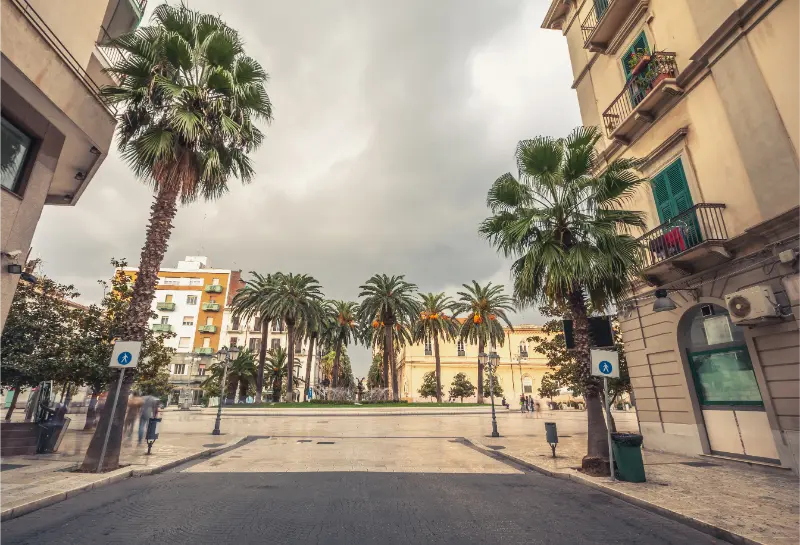
Taranto is one of Puglia’s most rewarding cities for travellers who care about archaeology, maritime history and places that still feel lived-in. It is not polished into a simple postcard experience, but the combination of MArTA, the Aragonese Castle, Città Vecchia and the two seas gives the city a depth that many faster itineraries miss.
The National Archaeological Museum alone can justify the stop. Add the bridges, naval setting and old island city, and Taranto becomes a strong counterpoint to the white towns and beach resorts elsewhere in Puglia.
For travel beyond Taranto Travel, consult our Puglia travel guide; it explains how to choose a base and link nearby destinations.
This guide focuses on how to see the city well without ignoring its practical realities: where to park, how long MArTA deserves, which part of the old town to prioritize, where to stay and when Taranto makes sense in a wider Puglia itinerary.
Quick planning summary
| Best for | Archaeology, Greek history, maritime culture and a less-touristed city experience. |
|---|---|
| Minimum time | One full day; one night makes the evening waterfront much easier. |
| Car | Useful for reaching Taranto, unnecessary for the core once parked. |
| Signature sight | MArTA and its exceptional collections from Magna Graecia. |
| Best pairing | A separate day toward Valle d’Itria or the Ionian coast rather than cramming both into one afternoon. |
What to see and do
MArTA – National Archaeological Museum of Taranto
MArTA is the cultural priority. Its collections tell the story of southern Italy from prehistory through the classical world and beyond, with the famous Ori di Taranto among the highlights.
As of 2026, the official museum lists a standard full ticket of €10, reduced €2 for eligible 18–25-year-olds and free admission for under-18s, with Monday closure and broad daytime opening Tuesday through Sunday. Always recheck the official site before travel because special openings and holidays can change the calendar.
Castello Aragonese and the Swing Bridge
The castle and Ponte Girevole create Taranto’s most recognizable urban scene. The bridge separates and connects different waters while the fortress anchors the approach to the old city.
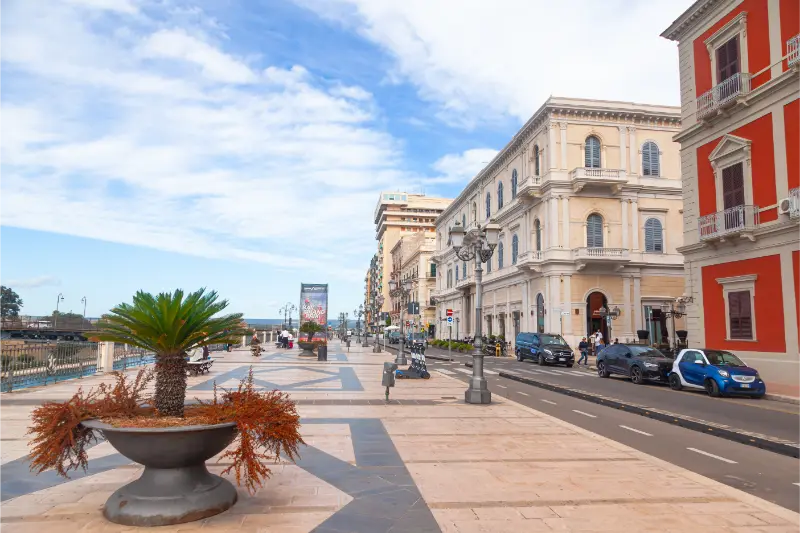
Tours and access arrangements for the castle can vary, so check current information if an interior visit is essential. Even from outside, the setting explains the city’s strategic maritime importance.
Città Vecchia
Taranto’s old city occupies the island between Mar Grande and Mar Piccolo. It contains the cathedral, small churches, layered housing and a street network that can feel both monumental and intensely local.
Walk with attention rather than expecting a sanitized historic centre. The power of the area lies in the coexistence of restoration, daily life, decay and extraordinary views.
Cathedral of San Cataldo
The cathedral adds an important religious and architectural layer to the old city and is one of the places where Taranto’s long history becomes tangible beyond archaeology museums.
Dress appropriately and avoid entering during services simply to sightsee. Combine the cathedral with a slow loop through the surrounding lanes.
Mar Piccolo, mussel culture and waterfront views
Taranto’s two seas are not just geography. Mar Piccolo is closely tied to mussel farming and the city’s food identity, while waterfront viewpoints connect naval, fishing and urban life.
A short boat experience can be worthwhile if schedules fit, but do not sacrifice MArTA time to chase a boat simply because it is available that day.
How to plan the visit
Give MArTA the first strong block of the day, when your attention is fresh. Two to three hours is reasonable for travellers genuinely interested in archaeology; rushing through in one hour misses the point.
Move from the museum toward the bridge and old city, then stay there long enough to experience more than the main road. Lunch or an early dinner near the water makes the day feel coherent.
Taranto works particularly well as an overnight stop on a route between Bari/Valle d’Itria and southern Salento. It is less effective as a quick detour inserted between two beach stops.
The city also changes how a Puglia trip feels. After trulli, baroque façades and beach towns, Taranto introduces Greek colonial history, heavy maritime identity and a more complex urban story. That variety is exactly what makes a regional itinerary feel complete rather than repetitive.
Getting there and getting around
Taranto is reached by road from Bari, Brindisi and the Ionian coast, and rail connections make a car-free visit possible depending on your wider route. MArTA’s official information notes that the museum can be reached from the railway and bus stations on foot or by local bus.
If driving, choose parking outside the tightest parts of the historic core and walk. Do not attempt to improvise through the old island streets simply because navigation software suggests a route.
The nearest major airports are Bari and Brindisi. Which is better depends on the rest of your itinerary, not only straight-line distance.
Parking, traffic and the last kilometre
In Puglia, the final kilometre often matters more than the highway. Historic centres, beach access roads and small coastal parking areas can become the slowest part of the day. Save a realistic parking point before departure, follow official signs and avoid entering restricted streets simply because navigation software suggests a shortcut.
Where to stay
Stay near the modern centre if you want easy access to MArTA, restaurants and transport. Stay closer to the old city only if atmosphere matters more than the simplest parking and luggage logistics.
For one night, prioritize location over a resort-style property. Taranto is a city where being able to walk between museum, bridge and dinner makes a large difference.
Before booking, compare the property with your actual first morning route. Parking, stairs, beach access, dinner options and the time needed to reach a main road often matter more than a small difference in nightly price.
A realistic itinerary
Morning
Start at MArTA when it opens or early enough to explore without watching the clock.
Lunch / midday
Walk toward the Aragonese Castle and Swing Bridge, then cross into Città Vecchia.
Afternoon
Have lunch and continue through the cathedral area and side streets, allowing time for viewpoints over both seas.
Evening
End on the waterfront or with a seafood dinner. If you have an evening castle or boat visit, confirm times before structuring the rest of the day.
Food and local character
Taranto mussels are the obvious local signature, particularly dishes using cozze tarantine from Mar Piccolo. Seafood pasta, raw preparations where appropriate, and simple fish dishes connect the meal directly with the city’s geography.
Ask what is local and seasonal rather than ordering a generic seafood platter. The strongest food experience is the one that reflects Taranto rather than simply “southern Italy by the sea.”
Best time to visit
April to June
Excellent for museum plus city walking, with comfortable evenings by the water.
July and August
Very hot for Città Vecchia at midday; put MArTA in the hottest hours and walk early or late.
September and October
A strong period for urban touring and Ionian-coast combinations.
Winter
Museums and city history still work well, making Taranto more year-round than many beach-focused Puglia destinations.
Practical planning notes
Protect the first part of the day for the experience that matters most. Heat, parking, beach setup, museum entry and long lunches are real parts of travel time in Puglia. A plan with breathing room normally delivers more than a longer list of stops.
Save essential addresses, parking points and ticket confirmations offline before leaving Wi-Fi. Mobile coverage is generally good, but a dead battery or weak signal is a poor reason to miss a ferry, timed museum entry or accommodation check-in.
If you are driving, keep valuables out of sight and avoid leaving luggage visible in public parking. When possible, check in first or use secure luggage storage rather than carrying the entire trip in the car.
Families and accessibility
MArTA is the strongest family stop for school-age children interested in archaeology, and the bridge/castle setting adds visual variety. Keep the old-city walk shorter for younger children in hot weather.
The museum lists family and accessibility services, including lifts and tactile routes. For the historic centre, surfaces and steps are more variable.
Accessibility varies sharply between modern promenades, historic stone lanes, beaches and natural sites. Travellers with limited mobility should verify the exact attraction or accommodation rather than relying on a general description of the destination as “walkable.”
Mistakes to avoid
Do not treat Taranto as a beach stop with a museum attached. Its strength is the city itself.
Do not spend so long driving to a distant beach that you rush MArTA or skip the old city. Give Taranto one coherent day.
Another common mistake is treating every famous nearby place as compulsory. The most successful Puglia days usually keep stops in the same direction and leave enough time for dinner, a swim or an unscheduled viewpoint.
Key decisions
| How much time for MArTA? | Two to three hours if archaeology matters; less only for a very selective visit. |
|---|---|
| Sleep in Taranto? | Yes if you want an evening city atmosphere and a relaxed museum day. |
| Car or train? | Either can work; choose based on the next destination. |
| What to skip? | Skip an overstuffed coast detour if it reduces the city to a rushed museum visit. |
Deeper planning notes
Why MArTA changes the visit
Seeing the archaeological collections first gives context to everything that follows. The old city, harbour and classical references make more sense after the museum has established Taranto’s scale in the ancient Mediterranean.
A strong one-night route
Arrive in the late afternoon, walk the bridge and waterfront, have dinner, then give the next morning to MArTA and Città Vecchia before moving on. This spreads the visit across cooler hours.
Taranto and the Ionian coast
Use Taranto as the cultural anchor and schedule beaches on a separate day. The city and coast complement each other; combining both too aggressively usually weakens both experiences.
Frequently asked questions
Is Taranto worth visiting?
Yes, especially for archaeology, Greek history and travellers who want a more complex urban side of Puglia.
What is the must-see?
MArTA is the cultural priority, followed by the castle/bridge and Città Vecchia.
How long do you need?
One full day is a strong minimum; one night improves the pace.
Is Taranto family-friendly?
Yes for museum-focused families, though summer heat and old-city surfaces require pacing.
How to fit this stop into a longer Puglia trip
Think in geographic clusters. A base is valuable when it reduces repeated road time, not simply when it sits near the centre of a map. Combine this destination with places already on the same side of the region and avoid crossing Puglia for one extra name. If the next stop requires a long transfer, make that move after breakfast rather than sacrificing the best hours of the day to traffic.
For a seven- to ten-day trip, two or three accommodation bases are usually enough. Constant hotel changes create more parking, luggage and check-in time than travellers expect. Use this stop either as a real base or as a deliberate day trip, not as a reason to move bags for a single night unless the evening atmosphere itself is part of the goal.
Useful related guides
Continue planning with Puglia travel guide, Valle d’Itria travel guide, Lecce travel guide, 10-day Puglia itinerary.
Official information to check before travel
Opening hours, ferry schedules, road access, protected-area rules and seasonal services can change. Before travelling, check the official or primary destination information and verify any ticket, parking, transport or boat service that is essential to your day.
Last updated: October 17, 2026
Leave a Reply