

Piedmont is a region where the scenery keeps changing and the food often gives you a reason to stay a little longer. Turin has graceful squares, royal residences and outstanding museums. South of the city, hills fold into vineyards around Alba, Barolo and Barbaresco. To the north, Lake Maggiore and Lake Orta offer waterside villages, gardens and boat outings. Westward, the Alps rise toward mountain passes and valleys that demand a different pace from the cities. Piedmont can support an entire two-week vacation without requiring a single long-distance transfer out of the region.
Planning to visit Turin or the Langhe alongside other parts of Italy? The Italy travel guide covers the broader route before you focus on Piedmont.
| Base | Best for | Suggested stay |
|---|---|---|
| Turin | Museums and royal architecture | 2–3 nights |
| Alba / Langhe | Wine country, village drives and food | 2–4 nights |
| Lake Maggiore / Orta | Boat trips, gardens, waterfront walks | 2–3 nights |
| Alpine valleys | Hiking or skiing around one base | 3+ nights |
The name Piemonte means ‘at the foot of the mountains’, which tells only part of the story. For travelers, the real distinction lies in how the areas are connected. Turin works very well without a car. Wine country and smaller mountain villages generally need more careful planning, sometimes a rental car or arranged driver. Lakeside towns can be reached by rail, but the most appealing walks and boat connections depend on the specific shore. This guide helps you match the landscape to the trip you actually want rather than assuming that every famous place can be visited from Turin in one day.
Where to begin: four different ways to experience Piedmont
The most straightforward first visit focuses on Turin with a couple of manageable excursions. This suits people who enjoy museums, cafes, architecture and evenings in a walkable center. Travelers primarily drawn by food and wine should consider the Langhe and Roero hills as a separate base, with a designated driver or organized tastings. Those seeking a quieter romantic break may prefer Lake Orta or the western shore of Lake Maggiore, where slow mornings and boat trips take priority over major museums. Mountain lovers will find substantial choices in the Val di Susa, around the Gran Paradiso area and other alpine valleys.
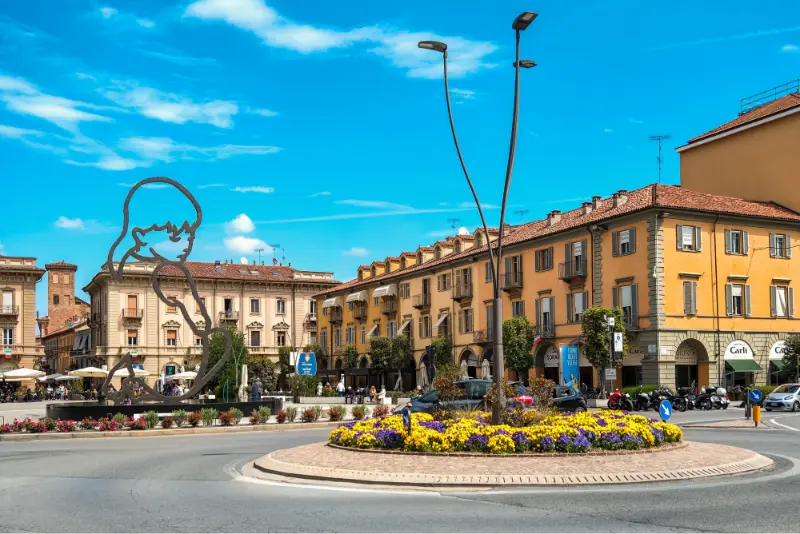
These plans do not require the same season or transport arrangements. A car can be a burden in central Turin but useful among vineyards; a high mountain road that is easy in summer may be impractical in winter. With only three days, choose one area and get to know it. With a week, Turin plus the Langhe or Turin plus a lake is a balanced introduction. With ten to fourteen days, a sequence linking city, hills and water becomes realistic if you spend multiple nights at each stop.
Turin: museums, royal squares and an unexpectedly relaxed rhythm
Turin has a formal elegance that differs from the southern Italian image of narrow streets and crowded piazzas. Broad avenues, long arcades, the Po River and carefully planned squares frame its historic center. Piazza Castello and Piazza San Carlo make useful starting points for a walking route. The Mole Antonelliana is the city’s unmistakable landmark and is associated with the National Cinema Museum, while the Egyptian Museum deserves dedicated time rather than being squeezed into the last hour of a busy day.
Explore this part of the journey in more detail with Turin Travel Guide, Where to Stay in Turin and Venaria Reale Guide.
Plan at least two days if you care about museums. Royal residences and the city’s Savoy history broaden the itinerary, as do neighborhoods where cafes, independent businesses and everyday life are more prominent than grand monuments. In the evening, it is worth choosing one area and staying there rather than crossing the city to complete a sightseeing list. Some museum visits and panoramic experiences involve timed admission, so verify current booking rules. Turin’s public transport and rail connections make it a logical car-free start before heading into the countryside.
The Langhe: wine hills, villages and long lunches
The Langhe are often reduced to vineyards and a photograph of a hilltop town. The landscape is richer than that: roads thread between cultivated slopes, farmhouses, castles, wooded areas and villages with distinct identities. Alba is one of the most useful bases, with shops and restaurants alongside a historic center. Barolo and Barbaresco are famous wine names, but their small villages deserve unhurried visits even for people who do not drink. La Morra is known for broad views over the surrounding hills, and towns such as Monforte d’Alba offer a quieter rhythm.
Explore this part of the journey in more detail with Langhe Travel Guide, Langhe Wine Tasting Guide and Alba White Truffle Season Guide.
Wine tastings are not always walk-in experiences. Many producers operate by appointment, and some are reached only on narrow rural roads. Book a small number of meaningful visits and allow enough time between them to enjoy the landscape and lunch. A tasting itinerary becomes unsafe if the driver drinks, so arrange a local driver or join an organized experience. Restaurants can be busy in harvest season, particularly on weekends. The region’s cuisine includes rich pasta dishes and seasonal specialties; menus may change considerably across the year. Choose a convenient countryside base rather than trying to return to Turin after an elaborate dinner.
Roero and Monferrato: alternatives to the busiest vineyard stops
Roero, north of Alba, offers wooded hills, villages and vineyards that can make an excellent complement to the Langhe. The textures of the landscape feel a little different, and the area is appealing for travelers who want to mix a scenic drive with small walks and local food. Monferrato stretches across another broad part of southern Piedmont and adds historic towns, rolling hills and wine country without requiring every stop to revolve around the best-known names.
Explore this part of the journey in more detail with Roero Travel Guide and Monferrato Travel Guide.
The challenge is deciding how much you can genuinely see. If you have one full day beyond Alba, choose a compact loop and two or three destinations, not a sequence of eight villages. Parking, lunch and time inside a historic center all take longer than a map suggests. In wet weather, some rural footpaths become slippery and vineyard roads may be less pleasant for relaxed sightseeing. Consider these regions as places to stay rather than merely photograph. A small hotel or agriturismo can provide the easiest way to experience the area after day visitors have left.
Lake Maggiore: elegant towns and the practical side of boat travel
Lake Maggiore stretches across regional and national boundaries; the Piedmont shore includes towns such as Stresa and Baveno, with access to lake excursions. Gardens, lakeside promenades and boats create a very different trip from Turin or the vineyards. Many visitors are drawn to the Borromean Islands, but boat services, island openings and gardens’ schedules must be checked for the specific season. A short visit can be lovely, yet it is worth allowing time for an unplanned walk or an afternoon beside the water.
Explore this part of the journey in more detail with Lake Maggiore Piedmont Travel Guide and Stresa Travel Guide.
Rail is useful for reaching some towns, though stations are not always next to the exact harbor or accommodation you need. For boat excursions, confirm the return service before departing and take weather disruptions seriously. Accommodation with a lake view may be expensive in peak periods; a room a few streets inland can offer better value without changing the basic experience. Lake Maggiore also works for travelers who prefer gentle activity, but steep streets and uphill lodging can be challenging for anyone with mobility concerns.
Lake Orta: a smaller lake with an intimate atmosphere
Lake Orta is often chosen by travelers who want a quieter waterfront and a village-focused stay. Orta San Giulio has narrow lanes, a graceful square and views toward the island of San Giulio. It is appealing as a day trip, but staying overnight allows for an easier pace and time along the lakeside without constantly watching the clock. The setting is romantic in the broad sense: stone streets, water, distant hills and small restaurants rather than dramatic resort-scale attractions.
Explore this part of the journey in more detail with Lake Orta and Orta San Giulio Guide.
For a car-free visit, examine the route from the nearest practical station to your actual lodging; an itinerary involving a taxi or a local bus may be necessary. Parking restrictions near the historic center also matter if you drive. Do not try to combine every part of Lake Orta and Lake Maggiore in one rushed day: they have different personalities, and each deserves a little attention. Check boat schedules and site access individually, especially outside the main visitor season.
The Alps and Val di Susa: mountains beyond skiing
The western Alps make Piedmont appealing to hikers, winter sports travelers and visitors interested in historic routes across the mountains. The Val di Susa is one logical area to consider, combining valley towns, mountain scenery and cultural sites. Susa itself has Roman and medieval traces, while areas farther into the valley introduce a different alpine environment. Some resorts connect to wider ski networks, but lift passes, operating dates and resort transport differ. Verify the exact base and mountain activity rather than booking under the generic idea of ‘the Piedmont Alps’.
Explore this part of the journey in more detail with Val di Susa Travel Guide and Sacra di San Michele Guide.
Hiking plans deserve the same care. Distance on a map does not reveal elevation gain, weather exposure or the presence of snow at altitude. Look for official route descriptions, ask locally about trail conditions and bring appropriate footwear even on a short excursion. Not all valleys have frequent public buses, particularly at weekends or between seasons. If you rely on transit, confirm the final return departure before setting out. Travelers interested in quieter mountain villages may prefer a longer stay in one valley, allowing bad-weather days to become part of the experience rather than forcing a hazardous excursion.
Cuneo and the southern valleys: a slower circuit
Cuneo is a practical gateway to southwestern Piedmont. The city’s arcaded streets and broad squares provide a comfortable base, while nearby valleys offer outdoor activities and village excursions. It suits travelers who like having a real town to return to at night after exploring countryside or foothills. Rather than treating Cuneo as another stop between Turin and the vineyards, consider two nights if you want to see the surrounding area.
Explore this part of the journey in more detail with Cuneo Travel Guide and Val Maira Travel Guide.
Public transit can work for central Cuneo, but a car often gives more freedom in rural valleys. Winter road conditions, seasonal accommodation and village opening hours should shape your plans. Some high roads may not be viable outside warmer months. Even in summer, allow driving time for narrow valley roads and frequent stops. A picnic and a short signed walk may be more rewarding than attempting to reach several distant passes. Always check local weather and current road notices for journeys beyond the main routes.
Food and wine: what to try without overplanning meals
Piedmont’s cuisine is closely connected to its climate, agricultural traditions and wine regions. Agnolotti, tajarin, vitello tonnato, regional cheeses and hazelnut-based sweets are among dishes or ingredients travelers will encounter. Truffles are strongly associated with certain areas and seasons, particularly around Alba, but availability and price fluctuate. A menu that promises a lavish truffle experience throughout the year deserves careful reading. Regional wines are part of the cultural story, even if you choose not to drink them.
For the most enjoyable meals, leave time to explore local restaurants outside a packed tasting circuit. A neighborhood lunch in Turin, a village trattoria in the Langhe and a lakeside dinner offer three different settings without requiring an expensive reservation every time. If you have dietary requirements, ask directly about ingredients, because traditional fillings, sauces and desserts may contain common allergens. Market hours vary and some shops close for a midday break. Bring curiosity but not an obligation to consume every famous specialty in one weekend.
Where to stay: match the accommodation to your route
Turin is the simplest base for a short cultural stay or a trip using frequent trains. Staying within or near the central districts reduces the need for taxis after dinner and makes museums easier to combine. Alba is often a convenient base for the Langhe, while rural accommodation may be a better choice if you have a car and want countryside evenings. Stresa, Baveno or another lake town can anchor a water-focused visit; for Lake Orta, choose accommodation based on actual walking access to the waterfront rather than the map distance alone.
In mountain areas, pick the valley before choosing the hotel. A property advertised as close to the Alps can still be far from the lift or trailhead you want. Look for transparent parking, heating, accessibility and meal arrangements. Rural restaurants may require a drive, which is particularly relevant after wine tastings. Travelers without cars should pay close attention to transit frequency outside large towns. Moving between a city, a lake and a vineyard area can be worthwhile, but two or three carefully selected bases are normally enough for a first visit.
Getting around and arriving in Piedmont
Turin has useful connections to Milan and other Italian cities by rail, and regional lines reach several towns across Piedmont. The railway is best for Turin and certain lake or city stops, while buses and arranged transfers become necessary elsewhere. Before assuming a vineyard village is accessible by public transport, check the final stretch from the nearest station, not just the first long-distance journey. Some rural routes operate infrequently and may not align with a late dinner or a winery appointment.
A rental car is valuable for flexible exploration of the Langhe, Roero, Monferrato and remote valleys. It is less appealing for Turin’s historic core, where parking and ZTL rules complicate navigation. Rural roads are generally manageable for confident drivers, but take your time on narrow approaches and allow space for farm vehicles. In winter, understand the road requirements and carry suitable equipment where necessary. If the itinerary includes wine tastings, plan transportation before confirming appointments. The convenience of a car should never become a reason to drive after drinking.
When to go: cities, vineyards, lakes and mountain seasons
Spring and early fall are often appealing for a mixed Turin-and-countryside vacation. The weather can be pleasant for city walking and scenic drives, though showers are possible. Autumn is particularly associated with food and harvest traditions, and popular weekends in wine areas can be busy and expensive. Book lodging and special meals ahead if they are central to your visit. Summer is an obvious season for lakes and mountain hiking, but hot spells can make lowland sightseeing tiring during the middle of the day.
Winter creates another Piedmont: museum days in Turin, mountain resorts for snow activities and quieter lake towns with limited boat or garden schedules. Do not assume summer excursions operate in winter. Mountain conditions change with elevation, and some trails or passes may be snow-covered long after the plains feel warm. A flexible day reserved for weather changes is especially useful if the main purpose of the trip is hiking or photography rather than indoor sights.
One week in Piedmont: a plan with enough breathing room
Spend the first three nights in Turin. Use two full days for the city’s museums, royal squares and neighborhoods, leaving room for slow meals. On the fourth morning, move toward Alba or another Langhe base. Give days four and five to a compact set of villages and one or two planned food or wine experiences. Resist making both days identical tasting marathons; include a scenic walk, local market or relaxed lunch. On day six, travel north toward a lake if you are comfortable with the transfer, or remain in the hills for another night.
Explore this part of the journey in more detail with Piedmont Road Trip Guide and Piedmont Food Guide.
Day seven can be a lakeside walk and boat trip before departure, but only if the transport schedule works and your return journey is not too long. With one week and no car, a simpler Turin-plus-Lake Maggiore route is often better than forcing the Langhe. With ten days, you can add Lake Orta or a short mountain stay. The important decision is not how many regions-within-the-region you can list, but whether you will have time to enjoy the landscapes you traveled there to see.
Families, accessibility and a few booking priorities
Piedmont can suit family travelers particularly well when one base is maintained for several days. Turin offers varied indoor activities if the weather changes. Lakeside walks and short boat rides may appeal to children who are less interested in long museum visits. Vineyard regions work better when you choose experiences that welcome families rather than expecting children to enjoy a full day of adult tastings. Mountain trails should be selected by actual length, terrain and ascent; a route labeled scenic is not necessarily stroller-friendly.
Visitors requiring step-free access should verify particular museum entrances, hotels and boat boarding arrangements before travel. Historic centers can have cobbles or steep streets, and rural accommodation may have stairs despite ground-floor-looking photographs. For trustworthy updates, consult https://www.visitpiemonte.com/en, https://turismotorino.org and the official operators for trains, lakeside boats and mountain lifts. Piedmont is most memorable when the journey balances the formality of Turin with the gentler rhythms of hill villages, mountain valleys and lakes.
Practical questions
Do I need a car in Piedmont?
Not for Turin and several train-accessible lakeside towns. Renting a car or arranging transfers is helpful for wineries, rural hotels and mountain villages.
What is the best first itinerary in Piedmont?
Three nights in Turin followed by two or three in the Langhe or at a lake offer a balanced introduction without constant moves.
When is Piedmont best for food and wine?
Autumn is popular for the harvest and seasonal specialties, but expect higher demand in wine areas on weekends. Spring is often pleasant for cities and scenic drives.
Compare accommodation in Piedmont after choosing the area that suits your route.