
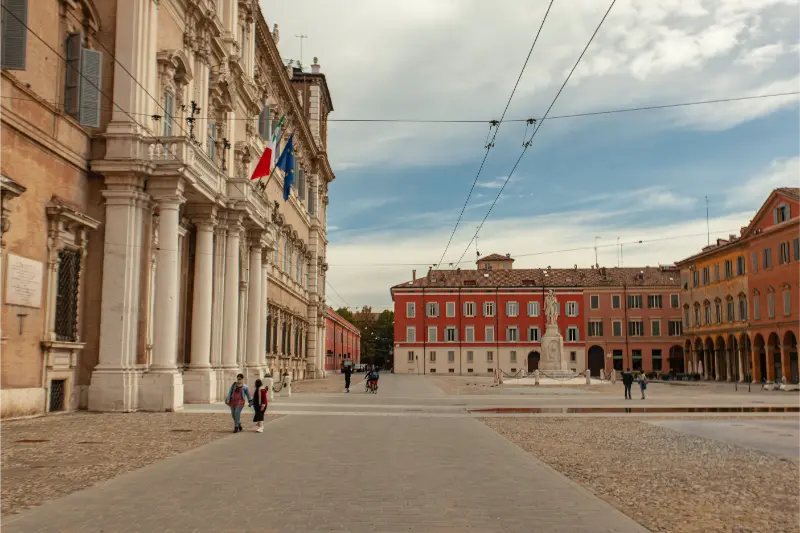
Best Things to Do in Modena: 20 Sights, Ferrari Experiences, Food and Easy Day Trips — The best things to do in Modena fall into four distinct groups: medieval UNESCO monuments, Este-era palaces and museums, world-famous food experiences and Motor Valley attractions. That variety is why a visit works equally well for couples, families, architecture lovers and car enthusiasts. The main mistake is trying to treat every attraction as if it were open continuously. Several of Modena’s most memorable experiences — the Ghirlandina, Palazzo Ducale, acetaia visits and some guided tours — work on reservations or specific time slots, so a good list should also explain how to combine them.
This guide is written for independent travellers who want useful detail without turning the trip into a race. Hours, ticket prices and guided-tour calendars can change, especially for working institutions, seasonal attractions and producer visits. The 2026 information below is based on official sources available at the time of writing; confirm the final slot or price on the linked official page before travelling.
| Ideal stay | 1–2 days for Modena city; 2–4 days if adding Motor Valley, food producers and hill towns |
|---|---|
| Best transport | walk and train for the city; car for Maranello, Castelvetro, Vignola and countryside producers |
| Best seasons | spring and early autumn for comfortable walking; winter for food and museums |
| Key planning rule | book timed monuments, Ferrari tickets and producer visits before building the rest of the day |
Why this deserves time in your itinerary
Start with Piazza Grande, the Cathedral and the Ghirlandina, because together they form Modena’s UNESCO World Heritage site. Then add Mercato Albinelli for food culture, the historic rooms of Palazzo Comunale when open, and Palazzo Ducale from Piazza Roma even if your dates do not match a guided interior visit. The Museo Enzo Ferrari is the strongest modern attraction in the city. Art lovers should also consider the Gallerie Estensi and Cathedral Museums, while travellers interested in everyday city life should simply walk Via Emilia, the porticoes and the small squares between the major monuments.

History and context
Modena’s sightseeing list makes more sense when read chronologically. The Roman city of Mutina survives mainly through archaeology and the urban story; the medieval period produced the Cathedral and Ghirlandina; the Este court reshaped Modena after 1598 with palaces, churches, collections and gardens; the industrial twentieth century created the Motor Valley identity associated with Ferrari, Maserati and engineering. Food traditions run through every period, particularly Parmigiano Reggiano, cured meats, filled pasta and balsamic vinegar. A strong itinerary therefore mixes eras instead of spending the whole day in one museum category.
How to visit and explore
A realistic “top sights” day can include the Cathedral, Piazza Grande, Ghirlandina, Mercato Albinelli, Via Emilia, Piazza Mazzini and the exterior of Palazzo Ducale before lunch. In the afternoon, choose either the Museo Enzo Ferrari or the Estense collections rather than trying to see both at speed. On a second day, add a balsamic-vinegar visit or head to Maranello. If you are travelling with children, reduce the number of church interiors and build the day around the tower, market and Ferrari exhibits. If mobility is limited, avoid making the Ghirlandina climb central to the plan because it involves around 200 steps.
What else to add nearby
Among easy additions, the Acetaia Comunale introduces the traditional ageing process in the attic of Palazzo Comunale; English visits are normally offered on Saturdays according to official tourism information. The Cathedral Museums deepen the UNESCO story and currently publish regular Tuesday-Sunday opening hours. The Ducal Gardens provide a free break outdoors. Outside the centre, Maranello is the priority for Ferrari fans, while Castelvetro and Vignola work better for travellers who prefer hill towns, wine, cherries and castles. A half-day in Sassuolo adds one of the most important Baroque Este residences in the province.
Food and drink to include
Do not reduce Modena food to balsamic vinegar. A proper tasting sequence might include gnocco fritto with cured meats, tortellini in broth, Parmigiano Reggiano with a few drops of traditional balsamic, and Lambrusco. Mercato Albinelli is useful for seeing ingredients and quick bites, while a traditional restaurant gives pasta and slow-cooked dishes the time they need. Vignola cherries are seasonal, and products such as cotechino and zampone make more sense in cooler weather. Book popular restaurants for Friday and Saturday evenings instead of assuming Emilia’s food reputation means unlimited tables.
2026 practical information
Rank attractions by reservation difficulty, not just fame. Book the Ghirlandina time slot, Palazzo Ducale tour and Ferrari ticket first; then fit free-access churches, streets and markets around them. Cathedral visiting is restricted during religious services. The Ghirlandina operates longer hours from April through September than in winter. Ferrari museums are open daily for most of the year but close on 25 December and 1 January, with additional closure information published for the Enzo Ferrari Museum. Keep one flexible hour in the schedule because Modena is a city where an unplanned market stop or long lunch is often more rewarding than a twentieth checkbox.
How long should you allow?
For a single major attraction, allow at least two to three hours once walking, ticket collection, queues and a coffee stop are included. For Modena city, one full day covers the essentials only if you reserve the time-sensitive sights in advance; two days give much more room for museums, markets and food. A province day trip should usually contain no more than two principal stops. Distances on the map are short, but parking, tasting appointments, hill roads and fixed museum entrances quickly consume the spare time.
Travellers who enjoy food should deliberately leave an unscheduled block around lunch or late afternoon. Modena is not a destination where every memorable moment happens behind a museum ticket. Markets, small food shops, porticoes, a glass of Lambrusco and a conversation during a producer visit often provide the local context that turns a list of monuments into an actual travel experience.
Getting around
The historic centre of Modena is best explored on foot. The main railway station is close enough for most travellers to walk to the centre, and the Museo Enzo Ferrari is conveniently positioned on the station side of town. Buses can reach several provincial destinations, but a car makes the Motor Valley, wineries, acetaie and hill towns substantially easier. When driving, pay attention to ZTL restricted-traffic areas and use signed public parking rather than following navigation directly through the oldest streets.
For day trips, group places geographically. Maranello and Castelvetro combine well; Vignola belongs naturally with the Panaro valley; Sassuolo and Formigine make another efficient pair. Trying to connect opposite sides of the province simply because each stop is “near Modena” creates unnecessary driving. If you are relying on public transport, check the evening return before leaving the city, especially on Sundays and holidays.
Best time to visit
April to June and September to October are the easiest months for a balanced trip: daylight is generous, restaurant terraces are pleasant and countryside excursions are comfortable. July and August can be hot on the plain, although Ferrari museums and indoor cultural sights remain good options. Autumn suits Lambrusco, balsamic and hearty food experiences. Winter has shorter days and occasional fog but fewer crowds, strong restaurant appeal and excellent museum conditions. Seasonal produce, particularly Vignola cherries, can make a specific month much more rewarding.
Where to stay
For a first trip, central Modena is the most versatile base. You can walk to the UNESCO area, restaurants and many museums, while retaining access to the railway station and roads out of town. Motor Valley enthusiasts may prefer one night in Maranello, while travellers focused on wine and hill scenery might enjoy Castelvetro. Before booking a central hotel with a car, confirm exactly how parking and restricted-zone access work; the cheapest room can become inconvenient if arrival instructions are unclear.
Families and accessibility
Families can build an excellent Modena itinerary around the tower, market, cars and one hands-on food experience instead of expecting children to enjoy a sequence of formal galleries. Ferrari museums are especially easy to understand visually, while the historic centre has short walking distances and frequent places to stop. For accessibility, separate the destination from individual monuments: the city itself may be manageable even when a tower or medieval fortress is not.
Historic sites vary significantly. The Ghirlandina climb involves about 200 steps and is not suitable for wheelchair users; old fortresses can have uneven floors and staircases; Palazzo Ducale visits follow security-controlled routes. Contact the attraction directly when step-free access is essential. In summer, heat can be a bigger practical barrier than distance, so use early mornings for exposed walking and keep indoor attractions for the hottest part of the afternoon.
Suggested planning sequence
- Reserve the hardest fixed-time experience first: Ghirlandina, Palazzo Ducale, Ferrari museum add-ons or a producer visit.
- Place flexible churches, squares, markets and street walks around that reservation.
- Protect enough time for lunch instead of treating Modenese food as a snack between attractions.
- If driving into the province, combine places in the same direction and avoid unnecessary backtracking.
- Recheck official opening information 24–48 hours before travel, particularly for guided sites and seasonal activities.
How this guide connects with the Modena cluster
Continue planning with Modena Travel Guide. These related guides are scheduled earlier than this article, so the internal links do not point readers to unpublished future posts.
Common mistakes to avoid
- Assuming the Ghirlandina, Palazzo Ducale or producer visits work as unrestricted walk-in attractions.
- Driving into restricted central streets without checking the hotel or parking access route.
- Scheduling Maranello, central Modena, Castelvetro and Vignola in a single rushed day.
- Buying “balsamic vinegar” by label design without understanding the protected categories and ageing rules.
- Leaving restaurant, Ferrari or tasting reservations until the last minute on weekends and event dates.
Official sources to check before you go
- VisitModena official tourism
- Five sites not to miss – VisitModena
- Cathedral Museums – VisitModena
- Local recipes – VisitModena
Final advice
Modena works best when you let its four identities overlap: medieval UNESCO city, Este capital, food territory and Motor Valley. A trip built around only one of them is still enjoyable, but combining two or three creates a much richer sense of place. Reserve the few things that truly require a slot, keep the rest flexible and leave enough time to eat well. That balance is more valuable than adding one extra museum simply to say you saw it.
Leave a Reply