

Oliena sits beneath the white limestone walls of Monte Corrasi in a landscape Italia.it compares with the Dolomites. The village combines Barbagia streets, churches and craft traditions with Supramonte geology, Su Gologone spring and the celebrated Nepente wine.
Oliena is one of Sardinia’s best bridge destinations: inland enough to feel deeply Barbagian, yet close to the limestone systems that descend toward the Gulf of Orosei. That makes it ideal for travellers who want culture and nature in the same base. This guide is designed to show what makes the destination distinctive, how long it deserves and how to fit it into a realistic Sardinia route.
You can pair Oliena Beneath Monte Corrasi with other places in Sardinia; the Sardinia travel guide gives an overview of realistic connections and where to stay.
Quick planning summary
| Best for | limestone landscapes, Supramonte hiking, Nepente wine, crafts, springs and travellers connecting Barbagia with the Gulf of Orosei |
|---|---|
| Time needed | Two nights are ideal for village plus Su Gologone/Monte Corrasi; one day works for a focused stop from Nuoro. |
| Car | Strongly recommended for Su Gologone, hiking access and wider Barbagia connections. |
| Main planning rule | Give the village and food/wine identity equal weight to the landscape. Use Su Gologone or a serious hike as a separate half-day rather than arriving only to photograph the spring. |
What gives this place its character
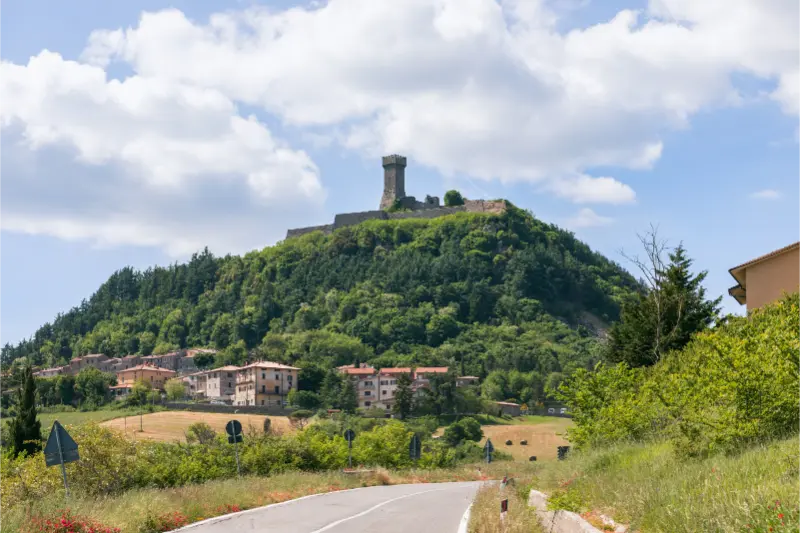
Monte Corrasi dominates Oliena so completely that the village feels physically tied to the Supramonte. The white rock is not a distant backdrop; it determines hiking, water, agriculture and the transition toward the east coast.
Nepente gives the town another identity. Wine, filigree, textiles and traditional food mean that Oliena still feels rewarding on a day when mountain weather makes hiking a poor choice.
Is it worth adding to your Sardinia itinerary?
Yes, especially for limestone landscapes, Supramonte hiking, Nepente wine, crafts, springs and travellers connecting Barbagia with the Gulf of Orosei. Give the village and food/wine identity equal weight to the landscape. Use Su Gologone or a serious hike as a separate half-day rather than arriving only to photograph the spring.
The best reason to add this stop is that it changes the rhythm or story of the trip. Sardinia becomes more memorable when each base contributes something different—archaeology, mountains, ritual culture, industrial history or a new type of coast—rather than repeating the same beach day in another postcode.
What to see and experience
Historic centre
White houses, external stairs, courtyards and narrow lanes give Oliena a recognizable Barbagia streetscape.
Give this stop enough time to register. Where access, weather, guided entry, protected-area rules or seasonal services matter, verify current information close to travel rather than relying on an old itinerary.
Monte Corrasi
The limestone massif rises directly above town and anchors major hiking and speleological landscapes.
Give this stop enough time to register. Where access, weather, guided entry, protected-area rules or seasonal services matter, verify current information close to travel rather than relying on an old itinerary.
Su Gologone spring
One of Sardinia’s most famous karst springs, with intensely coloured water emerging at the foot of the Supramonte.
Give this stop enough time to register. Where access, weather, guided entry, protected-area rules or seasonal services matter, verify current information close to travel rather than relying on an old itinerary.
Nepente wine
Oliena is strongly associated with Cannonau-based Nepente, a wine identity worth exploring through a responsible tasting.
Give this stop enough time to register. Where access, weather, guided entry, protected-area rules or seasonal services matter, verify current information close to travel rather than relying on an old itinerary.
Churches
Sant’Ignazio di Loyola, Santa Croce and other churches reflect a surprisingly dense religious heritage in the village.
Give this stop enough time to register. Where access, weather, guided entry, protected-area rules or seasonal services matter, verify current information close to travel rather than relying on an old itinerary.
S’Incontru Easter tradition
The Easter meeting procession is one of Oliena’s important community traditions and should be approached respectfully.
Give this stop enough time to register. Where access, weather, guided entry, protected-area rules or seasonal services matter, verify current information close to travel rather than relying on an old itinerary.
Craft traditions
Filigree jewellery, textiles, footwear and ceramics show a strong artisan culture beyond tourism.
Give this stop enough time to register. Where access, weather, guided entry, protected-area rules or seasonal services matter, verify current information close to travel rather than relying on an old itinerary.
Supramonte access
Oliena opens toward demanding mountain routes and canyon landscapes, where guides and current conditions may be essential.
Give this stop enough time to register. Where access, weather, guided entry, protected-area rules or seasonal services matter, verify current information close to travel rather than relying on an old itinerary.
How to plan the visit well
Use the first half of the day for the most important outdoor or cultural experience, then let lunch create a real pause. Sardinia is easier to enjoy when the afternoon is lighter and geographically close rather than another major drive.
In July and August, heat and parking can change the value of an itinerary. Archaeology, exposed viewpoints and village walking belong earlier or later; midday is better for lunch, swimming or shaded interiors.
Wind also matters on the coast. Keep one nearby alternative that faces a different direction, and do not force a fixed boat or beach plan simply because it looked perfect when you booked.
Getting there and getting around
Drive from Nuoro or the coast and plan mountain access separately. Serious Supramonte hikes should not be improvised from a normal village sightseeing day.
Driving and parking
Sardinian roads often take longer than kilometres suggest. Coastal bends, mountain gradients, town approaches and summer parking add real time. Build a buffer and avoid timed reservations immediately after the day’s longest transfer.
When to leave the car parked
Historic centres, ferry days and harbour evenings are usually better on foot. A good base reduces daily driving rather than simply placing you in the middle of a map.
Where to stay around Oliena
Stay in or near Oliena for food, wine and early mountain starts; Nuoro is better if museums and urban services dominate the trip.
Check parking, stairs, evening restaurants and the final road to the property before booking. A beautiful remote stay works only when its logistics fit the next morning’s plan.
A realistic itinerary
Morning / Day 1
Walk Oliena’s centre and churches in the morning.
Midday / Day 2
Have lunch locally and treat food as part of the destination.
Afternoon / Day 3
Use the afternoon for Su Gologone or a short nature experience.
Evening / Extra time
Reserve a separate day for Monte Corrasi or a demanding Supramonte hike.
Food and local character
Nepente, cheeses, roast meats, breads and sweets make Oliena a major food stop. Book wine experiences with transport in mind.
Regional food is one of the best ways to make each part of Sardinia feel different. Keep at least one meal slow enough to understand local products instead of treating lunch as a gap between parking spaces.
Best time to visit
April to June
Spring and early summer are excellent for archaeology, mountain villages and road trips. The landscape is greener, temperatures are easier and beach access is usually less stressful.
July and August
Peak summer gives the strongest beach and excursion schedule but also brings heat, parking pressure and higher accommodation prices. Start early and reserve anything with controlled capacity.
September and October
Early autumn is one of the best periods for mixing sea, culture and food. Mountain and inland days become especially pleasant as temperatures fall.
Winter
Inland culture, cities and archaeology can be deeply rewarding, while small coastal services and mountain conditions need more checking.
Costs, reservations and what deserves your budget
Spend first on the experience that defines the destination: a quality guide, a boat day, a well-located room, archaeological access or a safe mountain excursion. Save by reducing unnecessary hotel changes and repeated long drives.
When access is regulated or guided, reserve early in peak season. For ordinary town walking, meals and viewpoints, keep enough flexibility to react to weather and energy.
Families and accessibility
Su Gologone and village culture work well with families; serious mountain hikes require age-appropriate planning.
Village streets can include gradients; spring facilities and trail access vary. Check exact routes.
Families and travellers with mobility needs benefit most from fewer bases, exact parking research and realistic terrain checks. The last 500 metres often matter more than the headline driving distance.
Common mistakes to avoid
- Visiting only Su Gologone and skipping Oliena.
- Driving after wine tasting.
- Treating Monte Corrasi as an easy casual walk.
- Combining a major hike with multiple Barbagia villages.
- Skipping local craft traditions.
How to fit this into a wider Sardinia route
For one week, use two bases. For ten days, two or three. Add this destination when it strengthens the regional story rather than forcing a return drive across the island.
On transfer days, choose one substantial stop only. Reaching the next hotel before dinner usually creates more value than adding a second famous place and arriving tired after dark.
What to protect if the day becomes too full
Keep the experience unique to this destination. Remove the second beach, optional viewpoint or extra village first. If the day still feels rushed, move the important stop to the following morning rather than compressing it.
What to verify shortly before travel
Recheck opening hours, protected-area rules, parking systems, ferry or boat schedules, hiking access, wildfire restrictions and weather. Save the essential confirmation and a backup plan offline.
Why slower usually feels more beautiful
The most memorable hour is often the one no itinerary can guarantee: an almost-empty street before dinner, late light on a harbour, a quiet archaeological site after a tour group leaves, or a mountain village where lunch simply takes longer than expected.
Leaving room for that hour is not poor planning. It is the planning choice that lets Sardinia feel like a place rather than a sequence of coordinates.
A deeper way to experience this destination
If Oliena is one of the places you are most excited about, give it more than the minimum. The destination often becomes most distinctive before the main attraction opens, during a long local lunch, or in the last hour of light when there is no practical reason to move on.
I would also separate the main experience from a long transfer whenever possible. Arriving the evening before a protected beach, archaeological visit, ferry or mountain day gives you control of the start time and protects the plan from parking, traffic or rental-car delays.
Accommodation should be judged by the next morning as much as by the room. A property that saves thirty minutes of driving, gives legal parking and lets you walk to dinner can improve every day of the stay more than a slightly better view.
A practical backup plan
Keep one nearby alternative that uses different conditions: a museum for a windy beach day, a village for rough sea, a short archaeological site for a mountain forecast that turns poor. The backup should stay in the same region so it does not create a new long drive.
If the day starts late, remove the least distinctive activity first. Protect the reason you came to this place rather than trying to preserve every line of the original schedule.
What I would add if you have more time
The source at Su Gologone deserves more than a quick photograph because it demonstrates the underground hydrology of the Supramonte. The intense colour and vertical depth hint at a cave system far larger than what is visible from the surface, linking the spring directly to the region’s geology.
For wine travellers, Oliena is a place where staying overnight materially improves the experience. A Nepente tasting followed by dinner on foot is safer and more enjoyable than watching the clock because a mountain road still separates you from the hotel.
If the weather closes in on Monte Corrasi, use the day for craft, churches, food and the spring rather than forcing a hike. The destination is strong precisely because it has enough cultural content to remain worthwhile when the mountain changes the plan.
A final route test
Before adding another stop, compare how much of the day will be spent moving with how much will be spent experiencing the place. If parking, transfer and return driving dominate, move the destination to another day or stay closer. A coherent regional route almost always feels richer than a longer checklist.
I also keep the final part of the afternoon flexible. Sardinia often becomes more beautiful when the light softens and the crowds thin, so it makes little sense to leave a place you are enjoying simply because an optional viewpoint remains on the schedule.
Why I would not rush the final hours
If the core visit is going well, stay with it. Sardinia often rewards the moment when the formal sightseeing is finished and you can simply walk, sit down for a drink or return to the coast after the busiest period. That slower ending usually contributes more to the memory of the place than an extra stop added only because it appeared on a list.
I would also avoid a long evening transfer after a demanding day. Reaching the next base before dinner, understanding the parking and being able to walk to a restaurant creates a much better rhythm for the following morning. Route quality matters as much as the number of destinations.
Related Sardinia guides
Nuoro & Barbagia — useful for extending the route with content already public by this article’s publication date.
Mamoiada — useful for extending the route with content already public by this article’s publication date.
Gulf of Orosei — useful for extending the route with content already public by this article’s publication date.
Official information to verify before travel
Access rules, opening hours, transport and seasonal conditions can change. Check the official or primary information source close to your travel date.
Last updated: October 17, 2026
Leave a Reply