
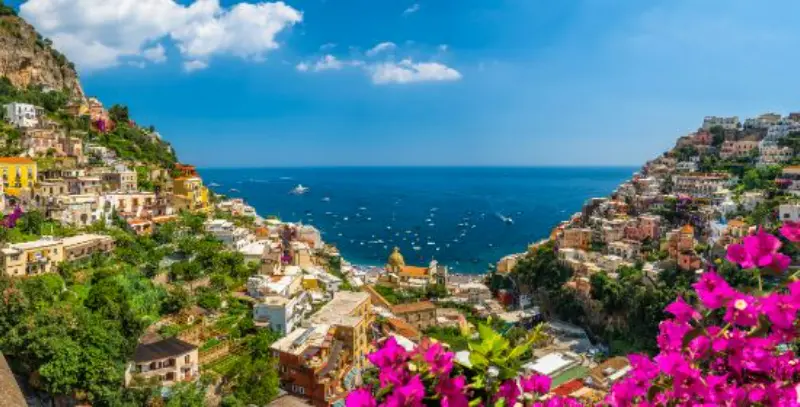
Positano is as beautiful as the photographs suggest, but the photographs hide the stairs, transport friction, summer crowds and cost. That is not a reason to skip it. It is a reason to plan it correctly.
The village rises almost vertically from Marina Grande, so every accommodation choice is also a mobility decision. Ferries can make arrival wonderfully simple in suitable weather; buses reach road-level stops; cars require expensive parking and do not enter the pedestrian heart. The best Positano experiences are often the quiet hours before day visitors arrive and after they leave.
For the wider destination context behind Positano Travel, see our Amalfi Coast Travel Guide, including sights, transport and useful planning choices.
This guide focuses on what is actually worth doing, how long to stay, which beaches to choose, where to sleep and how Positano fits into a wider Amalfi Coast trip.
| Ideal stay | 2–3 nights |
|---|---|
| Best arrival | Ferry in season/weather when it fits your route; transfer for luggage-heavy arrivals |
| Car | Avoid unless hotel parking is confirmed |
| Main beach | Marina Grande |
| Quieter beach | Fornillo |
| Best for | iconic views, romantic stays, boutique atmosphere, coast hiking connections |
Is Positano worth the price and effort?
Yes if the vertical landscape, evening atmosphere and staying inside the iconic village matter to you. A day trip can show the view and beach, but an overnight stay reveals a calmer Positano after ferry groups leave.
If your priorities are swimming, flat access and value, Maiori or another coast base may be more practical. If transport flexibility matters most, Amalfi often works better. Positano is not objectively the “best” base—it is the best base for travellers who specifically want Positano.
Best things to do in Positano
Walk the lanes without a checklist
The small streets between road level and the beach are the core experience. Browse ceramics, fashion and small shops, but remember that every downhill section becomes an uphill return unless you leave by sea.

Marina Grande
The main beach delivers the postcard view back toward the houses. It combines public and paid beach areas, boat departures and restaurants, and is busiest in the middle of the day.
Fornillo Beach
A coastal pedestrian path links the main harbour area with Fornillo, which often feels calmer than Marina Grande. It is an easy way to add a second beach without transport.
Museo Archeologico Romano
The Roman Archaeological Museum beneath the church area preserves remains of a Roman villa and important decorative evidence. The municipality’s tourism office manages information and ticketing for the site; check current visiting arrangements.
Church of Santa Maria Assunta
The majolica dome is a Positano landmark. The church is easy to include between the beach and the central pedestrian lanes.
Nocelle and Montepertuso
These higher hamlets provide a different perspective and connect with the Path of the Gods. Use local transport rather than assuming the walk up is a casual extension of the beach day.
If you prefer a guided experience, compare tours by duration, meeting point and what is actually included. A shorter, well-focused tour often leaves more useful independent time than an all-day package that combines several distant places.
How to get to Positano
By ferry
When sea conditions and schedules allow, ferry arrival is one of the most enjoyable options because it avoids road traffic and delivers you directly to the lower village. The challenge is luggage: your hotel may still be far uphill.
By bus
SITA buses connect Positano with Sorrento and Amalfi-side routes. They are essential but can be crowded in peak season. Know your stop and allow buffer time.
By private transfer
Transfers are expensive but make sense for airport arrivals, families or heavy luggage. The driver can only take you to road-accessible points, so confirm hotel porter arrangements.
By car
Driving is possible, but parking is limited and expensive. The centre below the road is pedestrian. If you drive, reserve parking with the hotel or a legitimate garage rather than arriving and hoping.
Where to stay in Positano
Lower Positano gives easier access to the beach and ferries but still involves steps. Mid-level areas balance road access and views. Upper areas can provide spectacular panoramas and lower prices but require more transport or climbing. Nocelle is completely different: quiet, high and excellent for hikers, but not a substitute for central Positano if you want beach access every day.
When comparing rooms on Booking.com, ask one practical question before all others: how do I get from the arrival point to the front door with luggage? A beautiful hotel with 150 steps can be perfect for one traveller and a serious problem for another.
Positano beaches
Marina Grande is the social and visual centre. Fornillo is the easiest alternative on foot and often feels more relaxed. Other beaches and coves can involve stairs, road access or boat shuttles. Do not assume every beach visible from a viewpoint is easily reachable.
In peak season, paid beach clubs can sell out or command high prices. If a particular lido day matters, reserve; otherwise keep flexibility and use the public areas when available.
Positano and the Path of the Gods
The classic Path of the Gods route finishes in Nocelle above Positano. This sounds like a simple way to “walk into town,” but the final vertical difference matters. A long staircase descends toward the central area, and many hikers choose local transport for part of the descent.
Treat the hike as a mountain activity with proper footwear, water and sun protection. Do not arrive at the trail in beach sandals because the final destination is Positano.
A perfect one-day Positano plan
Arrive early. Walk down through the village before the streets peak, visit the Roman archaeological site if it fits current opening hours, then spend late morning around Marina Grande. Walk to Fornillo for lunch or a quieter beach period.
Return slowly through the lanes in the afternoon, protecting enough time to reach your bus or ferry. If you are staying overnight, let day visitors leave before dinner and enjoy the village without trying to add another town.
A better two-night Positano stay
On arrival day, keep the plan local: check in, beach, sunset and dinner. Use the full middle day for either the Path of the Gods, a boat/ferry exploration or Amalfi/Ravello. On the final morning, enjoy Positano itself before transferring onward.
This structure avoids using the most expensive accommodation merely as a place to sleep between day trips.
Food and evenings
Positano restaurants range from simple beach meals to expensive terrace dining. Reserve one view-led dinner if that is part of the dream, then balance it with smaller local places. Check walking access after dark; “ten minutes from the hotel” can mean stairs.
For a broader coast food strategy and transport plan, use the Amalfi Coast travel guide.
Families and accessibility
Positano can be wonderful with children who manage stairs well, but strollers and luggage are a challenge. Choose accommodation near road level or lower pedestrian routes and verify access. Beach time should replace, not follow, a full day of stair climbing.
For limited mobility, Positano requires careful planning. Road-level viewpoints and some services are accessible, but the famous vertical pedestrian fabric is not. A flatter Amalfi Coast base may produce a more independent trip.
Mistakes to avoid
Do not arrive by car without a parking plan. Do not book a hotel based only on the view. Do not wear inappropriate shoes for the Path of the Gods. Do not schedule the last ferry of the day as if cancellation or delay were impossible.
And do not spend your entire visit moving between Instagram viewpoints. Positano is most rewarding when you stop climbing long enough to swim, eat and watch the coast change through the day.
Understanding Positano’s vertical geography before you book
Positano is organised around height as much as distance. The beach and ferry pier sit at the bottom; the main road crosses the slopes above; hotels, restaurants and homes occupy multiple vertical levels connected by lanes and stairs. A property only 400 metres from the beach can still involve a substantial climb.
Before booking, locate the nearest road access, local bus stop and porter point. Ask the hotel exactly how many steps remain after the taxi or transfer drops you. This information is more useful than a generic “central Positano” label.
If you plan daily ferry trips, lower access saves time. If you want views and quiet, the upper levels can be worth the climb. There is no universally best zone—only the zone that matches your mobility and itinerary.
Day trips from Positano: which ones make sense
Amalfi and Ravello combine naturally: ferry to Amalfi when operating, then bus or transfer uphill to Ravello. Capri can be a strong sea day when direct services operate, but use an early departure and do not overschedule the island. Praiano is easy for a slower coastal change of scene.
Pompeii is possible but requires more transport planning. If archaeology is a major priority, it is often better to visit on the transfer between Naples/Sorrento and the coast rather than sacrificing a full Positano day.
Use Positano as a base only for trips that still allow you to enjoy the town itself. Paying Positano prices while leaving before breakfast and returning after sunset every day misses the point.
When Positano is at its best
May, June, September and early October offer the best balance of sea activity, open businesses and tolerable crowd levels, though they are no longer quiet seasons. July and August bring the full beach atmosphere and the heaviest prices, heat and transport pressure.
Early spring and later autumn can be beautiful for walking and lower demand, but sea transport is less extensive and weather has more influence. Winter is a completely different trip: the scenery remains, but many tourism services operate reduced schedules or close.
Choose the month based on the experience you want. A beach-and-ferry holiday needs a different calendar from a photography-and-walking stay.
How to spend money intelligently in Positano
Positano is expensive, so decide which premium matters. A sea-view room, beach club, private boat or terrace dinner can each be worthwhile; paying for all four every day rarely adds proportional value. Pick one or two signature experiences and keep the rest simple.
Lunch near the beach is convenient but often priced for the location. Balance it with a bakery, casual meal or restaurant away from the most photographed frontage. If accommodation includes breakfast, use it before a long coastal day rather than paying again for a view you will have elsewhere.
Private transfers can look costly but may be excellent value with luggage or several travellers. Compare total friction, not only the ticket price.
Related guides for planning the next step
- Naples Travel Guide: What to See, Where to Stay, Food and Day Trips
- Best Things to Do in Naples: 25 Sights, Views and Local Experiences
- Where to Stay in Naples: Best Neighborhoods for Every Trip
- One Day in Naples: A Realistic First-Time Itinerary
- Two Days in Naples: The Best 48-Hour Itinerary
Use these guides only when the next stop fits the geography of your trip. A strong Campania itinerary reduces transfers first and adds attractions second.
Booking accommodation: final checks before you pay
For current accommodation in Positano, compare the exact address, cancellation terms, recent noise comments, stairs or lift access and the route to your main transport stop. You can check current options on Booking.com. Do not choose a property only because the town name looks convenient on a regional map.
Affiliate links can support this site at no extra cost to you. Always compare the final price and conditions shown by the booking provider before confirming.
Frequently asked questions
How many nights should you stay in Positano?
Two or three nights is a strong first stay if the village itself is a priority.
Is Positano easy without a car?
Yes, and generally easier. Ferries, buses and transfers are usually more practical than parking.
Which beach is best?
Marina Grande for the iconic view and activity; Fornillo for a generally calmer atmosphere.
Is Positano stroller-friendly?
Not especially. Stairs and steep routes are fundamental to the village. Choose accommodation access carefully.
Can you do the Path of the Gods from Positano?
The classic route usually runs from Bomerano to Nocelle above Positano. Reaching the trail start from Positano requires transport planning.
Useful official information
For current opening times, transport notices, ticket rules and local updates, use Comune di Positano – tourism information. Practical details can change, especially ferry timetables, archaeological access, seasonal services and traffic rules.
Last updated: October 17, 2026
Leave a Reply