
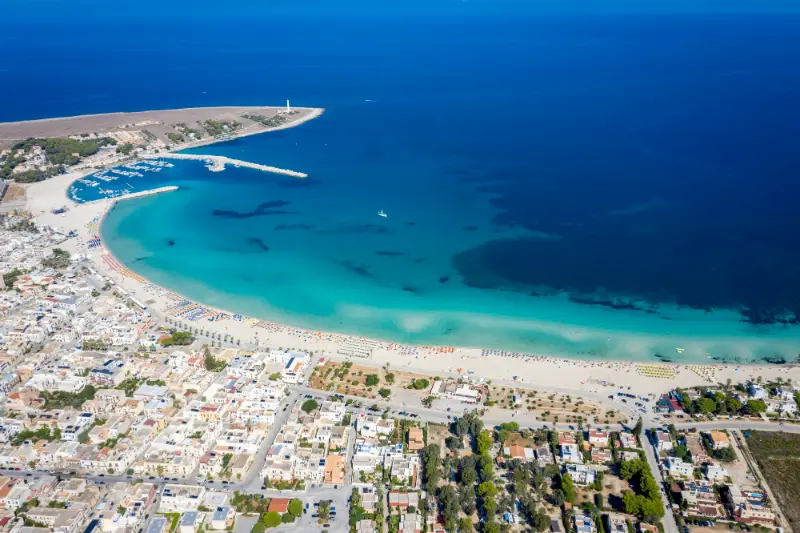
San Vito dei Normanni is a practical and culturally interesting inland base between Brindisi, Ostuni and Torre Guaceto. It lacks the crowds of the region’s headline towns, but it compensates with a compact centre, castle, religious heritage and access to countryside where rock churches preserve Byzantine-era painting.
Choose San Vito when you want location and authenticity rather than a famous postcard. It is particularly useful for travellers with a car who want to sleep inland, eat locally and reach both the Adriatic reserve and white-town landscapes without changing accommodation every night. This guide is built around a simple question: what deserves your time, what creates unnecessary friction, and how should San Vito dei Normanni fit into a wider Puglia itinerary?
For a broader Puglia itinerary, see the Puglia travel guide before deciding which destinations to combine with San Vito dei Normanni Travel.
Quick planning summary
| Best for | travellers seeking a quieter inland base near Torre Guaceto, Brindisi and Ostuni, with Byzantine and medieval heritage |
|---|---|
| Minimum time | Half a day for the town; one or two nights if using it as a base for coast and countryside. |
| Car | Recommended for rock churches, rural stays and Torre Guaceto; central San Vito is walkable. |
| Best seasons | April–June and September–October for sightseeing; summer works with early starts, shade and slower afternoons. |
| Main planning rule | Walk the centre and castle area, then devote the extra time to San Biagio or Torre Guaceto. The surrounding territory is the reason to stay longer; the urban centre alone does not need an entire day. |
Is San Vito dei Normanni worth visiting?
Yes, particularly for travellers seeking a quieter inland base near Torre Guaceto, Brindisi and Ostuni, with Byzantine and medieval heritage. Choose San Vito when you want location and authenticity rather than a famous postcard. It is particularly useful for travellers with a car who want to sleep inland, eat locally and reach both the Adriatic reserve and white-town landscapes without changing accommodation every night.
The important point is not to judge every Puglia destination by the same standard. A small inland town does not need the number of monuments found in Bari or Lecce to be worthwhile. It needs a clear reason to stop: an archaeological site, a food tradition, a protected landscape, a major church or a useful base. When that reason fits your route, a quieter place can be more memorable than another rushed headline destination.
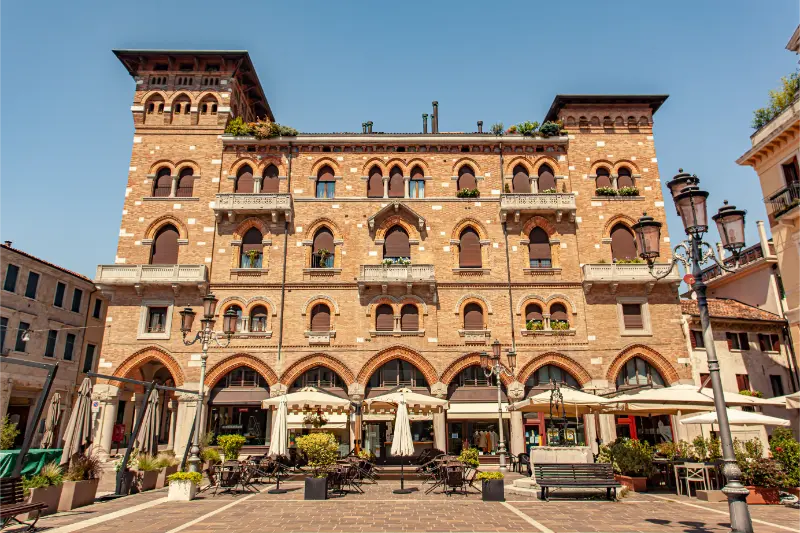
What I would prioritize: Walk the centre and castle area, then devote the extra time to San Biagio or Torre Guaceto. The surrounding territory is the reason to stay longer; the urban centre alone does not need an entire day.
What to see and do
Dentice di Frasso Castle
The castle is the central landmark of San Vito and grew around a medieval tower before later residential additions. Its role in the town is as important as its architecture. Check current access because parts of historic castles can host events or have limited visiting times.
Give this stop enough time to understand why it matters. For churches, museums, caves, castles, archaeological areas or protected landscapes, verify current access shortly before travel. Smaller Puglia attractions often have seasonal hours, event closures, guided-entry requirements or lunch breaks that do not match the all-day schedules of major city museums.
Basilica of Santa Maria della Vittoria
The main church provides a strong cultural stop in the centre and reflects the religious identity of San Vito. Visit respectfully around services and use it as part of a short pedestrian circuit.
Give this stop enough time to understand why it matters. For churches, museums, caves, castles, archaeological areas or protected landscapes, verify current access shortly before travel. Smaller Puglia attractions often have seasonal hours, event closures, guided-entry requirements or lunch breaks that do not match the all-day schedules of major city museums.
Historic centre
The centre is compact and lived-in rather than heavily touristic. Small squares, streets and local shops make it good for an evening walk, particularly if you are staying in a masseria outside town.
Give this stop enough time to understand why it matters. For churches, museums, caves, castles, archaeological areas or protected landscapes, verify current access shortly before travel. Smaller Puglia attractions often have seasonal hours, event closures, guided-entry requirements or lunch breaks that do not match the all-day schedules of major city museums.
San Biagio rock church
In the countryside, the rock church of San Biagio is known for medieval/Byzantine fresco decoration. Because it is outside the conventional town circuit, verify current visiting arrangements or guided access before driving there.
Give this stop enough time to understand why it matters. For churches, museums, caves, castles, archaeological areas or protected landscapes, verify current access shortly before travel. Smaller Puglia attractions often have seasonal hours, event closures, guided-entry requirements or lunch breaks that do not match the all-day schedules of major city museums.
Torre Guaceto proximity
San Vito is a useful inland launch point for the Torre Guaceto reserve. Staying here can make more sense than sleeping directly on the coast if you also want Ostuni, Carovigno or Brindisi.
Give this stop enough time to understand why it matters. For churches, museums, caves, castles, archaeological areas or protected landscapes, verify current access shortly before travel. Smaller Puglia attractions often have seasonal hours, event closures, guided-entry requirements or lunch breaks that do not match the all-day schedules of major city museums.
Masserie and olive countryside
The surrounding rural landscape is part of the experience. Masserie, olive groves and dry-stone boundaries provide the atmosphere many travellers imagine when planning Puglia, but a car is usually necessary to enjoy them comfortably.
Give this stop enough time to understand why it matters. For churches, museums, caves, castles, archaeological areas or protected landscapes, verify current access shortly before travel. Smaller Puglia attractions often have seasonal hours, event closures, guided-entry requirements or lunch breaks that do not match the all-day schedules of major city museums.
How to plan the visit
Walk the centre and castle area, then devote the extra time to San Biagio or Torre Guaceto. The surrounding territory is the reason to stay longer; the urban centre alone does not need an entire day. Build the rest of the day around that decision rather than around a long list of pins saved on a map.
Puglia rewards geographic discipline. Distances can look short, but parking, ZTLs, summer traffic, rural roads and the walk from a legal parking area add real time. Pair places that share the same corridor and resist the temptation to cross from one side of the region to the other just because two destinations are famous.
In July and August, schedule the most exposed walking for morning or late afternoon. Use the hottest hours for lunch, caves, churches or museums. In April, May, late September and October, the whole day becomes easier to use, but evenings can be cooler and some coastal services may be reduced.
Getting there and getting around
San Vito is best approached by car for a multi-stop itinerary. Public transport can work for reaching the town, but it becomes limiting for rock churches, masserie and the reserve. When driving, use peripheral parking and treat the central area as pedestrian.
Driving and parking
If you drive, do not follow navigation apps blindly into historic streets. Limited-traffic zones, pedestrian lanes and one-way systems can start before the most obvious landmark. Use signed public parking, photograph the parking location and walk the final section. In summer, accepting the first sensible legal space is often faster than circling for the closest possible spot.
Visiting without a car
A car-free visit works best when you focus on the town centre and use a direct rail or bus corridor. The moment your plan adds rural churches, masserie, wineries, archaeological sites outside town or protected coastline, flexibility drops. Check the final return service before dinner, especially on Sundays and outside high season.
How many places should you combine in one day?
For most travellers, one main destination plus one genuinely complementary stop is enough. Two parking searches, two old-town walks and a relaxed lunch already fill more of a day than a map suggests. A third town often turns the afternoon into driving, which is rarely the best use of a Puglia trip.
Where to stay in San Vito dei Normanni
This is a strong value base for travellers who want a masseria or small-town evening and do not need nightlife. It positions you well for Ostuni, Brindisi, Carovigno and Torre Guaceto. Check driving time to your accommodation after dark, especially on narrow rural roads.
When comparing accommodation, check the actual walking route, parking, stairs, air conditioning, breakfast times and evening restaurant access. In Puglia a beautiful masseria can be excellent, but it may also mean driving for every meal. A room in the historic centre gives atmosphere, but luggage and ZTL access can be inconvenient. Choose the compromise that matches your transport.
A realistic one-day itinerary
Morning
Start with the castle and central churches.
Late morning / lunch
Have lunch in town, leaving the car parked rather than moving between short stops.
Afternoon
Use the afternoon for San Biagio if access is arranged, or continue to Torre Guaceto.
Evening
Return for dinner or stay in a masseria, keeping the evening intentionally slow.
If your timings start slipping, remove the least important stop rather than shortening everything. A good lunch, one meaningful museum or a slow old-town walk often creates a better memory than completing every item on a checklist.
Food and local character
The food profile combines inland vegetables, olive oil, pasta and meat with easy access to Adriatic seafood. Seek out simple trattorias and bakery products rather than expecting the town to market one famous dish. Rural stays can be especially good for breakfast and produce-focused meals.
Seasonality matters. Spring brings vegetables and fresh cheeses; summer shifts meals later and makes lighter dishes appealing; autumn is excellent for olive harvests, mushrooms and richer countryside cooking. Ask what is local to the immediate area instead of assuming every restaurant in Puglia serves the same specialties.
Reserve only the meals that are important to you. A countryside restaurant with limited tables may need advance booking, while a flexible town day benefits from leaving lunch open. If you are tasting wine, plan the driving responsibly and consider eating where you are staying.
Best time to visit
Spring
April to early June is one of the best windows for inland Puglia. Temperatures are usually comfortable for walking, the countryside is green and parking pressure is lower than in midsummer. Around Easter, religious events can be fascinating but may alter traffic and opening hours.
Summer
June to August brings long evenings and the fullest event calendar, but heat changes how you should sightsee. Start early, protect the midday hours and expect the coast to be much busier on weekends. Historic stone centres can remain warm well into the evening.
Autumn
September and October are excellent for food, harvest landscapes and cultural visits. Sea temperatures can remain pleasant early in the season, while inland towns become easier to explore on foot. Shorter daylight matters if you are adding rural drives.
Winter
Winter is quiet and can be rewarding for architecture and food, but daylight is limited and smaller attractions may reduce opening. Check heating and restaurant availability when booking rural accommodation outside the main towns.
Costs and what to book in advance
The town walk itself is often inexpensive; the budget changes when you add museums, guided archaeology, caves, protected-area transfers, tastings or a rental car. Rather than fixing a generic daily budget, identify the one paid experience that matters most and build the day around it.
Book in advance when access is guided, capacity is limited or the attraction is the reason for your trip. Ordinary churches and town walks usually need flexibility, not reservations. For accommodation in July, August and major event weekends, earlier booking gives a better choice of parking, air conditioning and room location—not just a lower price.
Families and accessibility
The town’s short walking distances work well with children. Pairing it with reserve time or a rural stay adds variety. Rock-church visits may involve uneven paths and should be chosen according to age and mobility.
The centre is easier than many steep hill towns, but old paving and historic thresholds remain. Rural heritage sites and masserie vary greatly, so ask directly about step-free routes.
For family days, one cultural anchor plus one food or outdoor experience usually works better than a dense adult itinerary. In summer, shade, toilets, water and the distance back to the car can matter more than adding one additional monument.
Common mistakes to avoid
- Expecting a full day of urban monuments.
- Driving to San Biagio without checking access.
- Choosing an isolated masseria without planning dinner transport.
- Underestimating summer heat on inland walks.
- Using San Vito only as a sleeping base and never seeing the town.
The broader mistake is treating Puglia as a race. The region is long, transport patterns vary and many of its best experiences are slow: a meal, an archaeological explanation, a masseria, a protected coast or a quiet evening in a small town. Build less into each day and the itinerary usually becomes stronger.
Useful related guides
Carovigno Travel Guide — useful for building the next step of the itinerary without crossing the region unnecessarily.
Ostuni Travel Guide — useful for building the next step of the itinerary without crossing the region unnecessarily.
Brindisi Travel Guide — useful for building the next step of the itinerary without crossing the region unnecessarily.
Ceglie Messapica Travel Guide — useful for building the next step of the itinerary without crossing the region unnecessarily.
Official information to check before travel
Opening hours, access rules, parking, protected-area restrictions and seasonal services can change. Before travelling, check the official or primary destination information and verify any ticket, transport or attraction that is essential to your day.
Last updated: October 17, 2026
Leave a Reply