
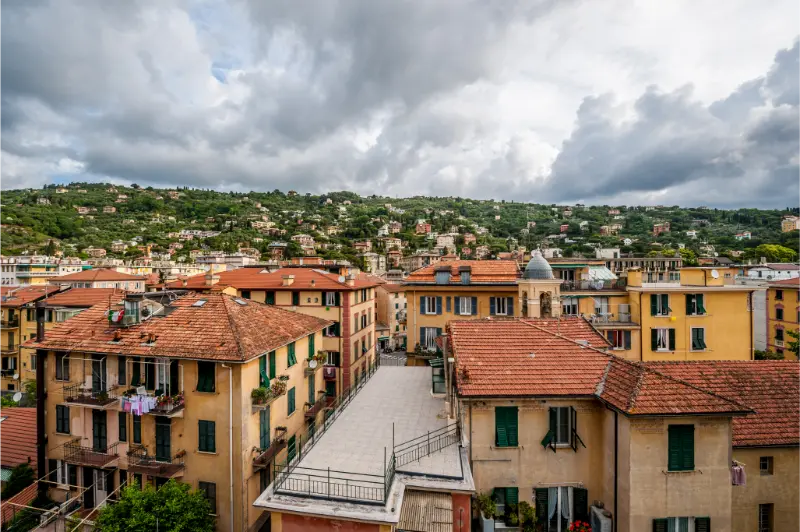
Santa Margherita Ligure: Gardens, Harbour Life and the Road to Portofino. Santa Margherita Ligure feels polished without losing all connection to the working sea. Its gardens, church square and waterfront cafés offer a slower counterpoint to Portofino's tiny and heavily photographed harbour. Many travellers pass through on the way to the peninsula; a stay here gives time to discover the town on its own terms and use the transport network without being tied to one expensive or difficult-to-reach base.
This practical guide focuses on what actually changes a visit: how to navigate Santa Margherita Ligure, what is worth making time for, which nearby places work as excursions and how to avoid unrealistic plans. Official transport, admission and trail information can change by season. Details verified in October 2026 should be checked again for later journeys.
To see where Santa Margherita Ligure fits into a wider Liguria itinerary, use our Liguria travel guide for transport, bases and possible neighbouring stops.
At a glance
| Location | the Tigullio coast at the edge of the Portofino promontory |
|---|---|
| How to arrive | the railway station and Tigullio maritime services offer several ways to arrive and continue toward neighbouring villages |
| Where to stay | the central streets for an easy station-to-harbour walk, or a more secluded address near the Portofino road if walking and budgets allow |
| Best for | independent travellers, culture, coastal scenery and a measured pace |
| Recommended time | one full day for highlights; two or more days with excursions |
| Planning priority | verify transport, opening arrangements, trail status and beach facilities for the exact date |
Contents of this guide
- The character of Santa Margherita Ligure
- Essential places and experiences
- A walk that makes sense
- What and where to eat
- Beach and sea expectations
- Day trips from Santa Margherita Ligure
- Getting around and accessibility
- One-, two- and three-day ideas
- Booking, seasons and mistakes
- Useful official information
- Frequently asked questions
The character of Santa Margherita Ligure
The setting matters: Santa Margherita Ligure lies in the Tigullio coast at the edge of the Portofino promontory. Unlike a generic list of the Riviera’s famous names, this visit works best when you understand the local scale. The town centre, nearby shore and surrounding hills are not necessarily a single level pedestrian zone. A leisurely plan lets you notice architecture, food traditions and ordinary streets in between the best-known sights.
When choosing accommodation, consider the central streets for an easy station-to-harbour walk, or a more secluded address near the Portofino road if walking and budgets allow. This decision determines how easy it is to return for a rest, how much luggage handling you face and whether an evening meal feels like part of the holiday or one more transport connection. A map showing a short straight-line distance can conceal a hill, a busy road, a railway underpass or a detour around a harbour.
Essential places and experiences
Villa Durazzo gardens
Villa Durazzo is an elegant landmark above the town, surrounded by gardens that reward visitors who appreciate views, planted terraces and the contrast between architecture and Mediterranean vegetation. Interior access and event areas may follow separate opening arrangements. Treat the park as a deliberate destination rather than a rushed detour; looking back toward the harbour is part of the pleasure.
The harbour and fishing waterfront
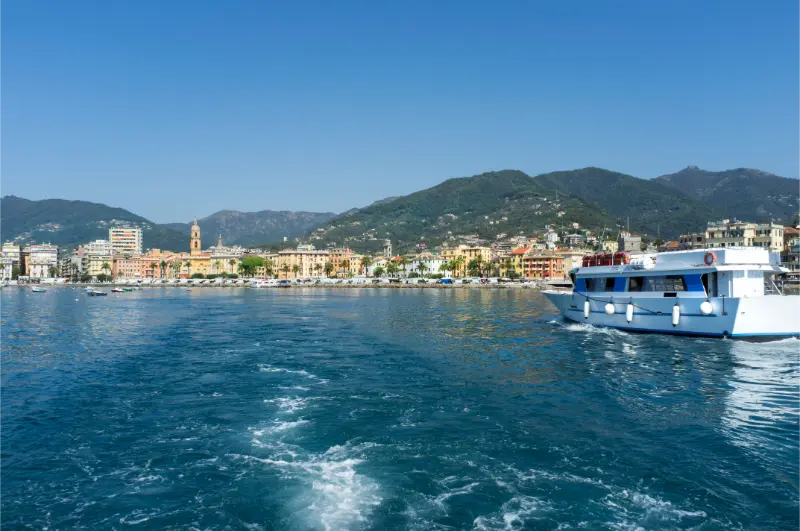
Fishing boats and leisure craft share the town's maritime story. A gentle circuit around the waterfront is the easiest introduction, especially when morning activity is underway. Look for changes in harbour light and the balance between working vessels and the hotels facing them. You need not book an expensive boat tour to understand why the town has long attracted coastal visitors.
Basilica of Santa Margherita and the church square
The basilica and its setting open a window into the community behind the holiday façades. Observe the decorative stonework and the smaller religious spaces nearby, remembering that churches are active places of worship. Dress and behaviour should fit their purpose, and opening arrangements can change for services. Combine the visit with an exploration of the lanes extending inland.
Old-town shopping streets
A network of caruggi offers independent shops, bakeries and manageable places to eat without staying on the busiest promenade. Painted façades and small squares create frequent pauses. Browse slowly enough to notice how residents use these streets, and distinguish a good local food counter from the more conspicuous windows selling souvenirs at resort prices.
The Cervara Abbey setting
The Abbazia della Cervara occupies a remarkable position between Santa Margherita and Portofino. It is an important historic complex rather than a guaranteed walk-in sightseeing stop: visits and access may be restricted or scheduled. Even if you do not enter, understanding its position helps explain the peninsula's combination of religious heritage, gardens and coastal scenery.
Paraggi and the wooded approach to Portofino
Paraggi is known for its small bay and clear-water setting, but bathing space is limited and summer demand can be substantial. Approaching the peninsula gradually reveals wooded slopes and sea views that a point-to-point transfer can miss. Be realistic about the road's pedestrian conditions and use marked paths or transport alternatives where appropriate.
Portofino without staying there
Santa Margherita is a practical alternative to sleeping inside Portofino itself. Depending on service conditions, you can approach by boat, bus or a longer walk using suitable paths. Each choice changes the experience: boat for the coastline, bus for practicality, walking for time and scenery. Always arrange the return before extending the afternoon into evening.
San Fruttuoso by sea
Maritime services can continue around the promontory to San Fruttuoso, where an abbey and small cove sit in a strikingly enclosed bay. There is no ordinary coastal road into the settlement. Onward travel must respect the ferry timetable or demanding park trails, so this outing deserves more planning than a casual extra stop on a Portofino shopping trip.
A walk that makes sense
A balanced route starts near the waterfront and basilica, moves into the shopping lanes, then climbs gently towards the Villa Durazzo gardens before returning to the harbour. This sequence avoids making the whole visit about catching transport elsewhere. If Portofino is on your agenda, reserve it for a later departure or a separate day; otherwise you may miss the very qualities that make Santa Margherita a rewarding alternative base.
If you prefer a gentle schedule, choose two or three close sights as an anchor and leave space for a café, a viewpoint or an unexpected open doorway. A longer itinerary should group places by district rather than bounce between the beach and the highest landmark. Taking a little time to read local signs also makes it easier to distinguish public routes from private property, a practical concern in tightly built Ligurian towns.
What and where to eat
Look for local focaccia, vegetable savouries and seafood dishes that suit the season. Santa Margherita is known for its red prawns, but availability and preparations depend on fishing and restaurant practice, so ask questions rather than expecting a fixed speciality year-round. A picnic assembled from a bakery is a pleasant option on a garden day; dinner in a quieter lane may feel more relaxed than a hurried meal beside a departure point.
Menus change with the season, and prices vary by view, location and service style. When comparing options, read the current menu outside rather than relying on old published prices. A small bakery or neighbourhood café often makes a useful midday stop; a restaurant with outdoor seating is best when the pace of the day allows you to enjoy it. If a food experience is an important part of the trip, check opening days and book where required.
Beach and sea expectations
The sea is central to the atmosphere, but beach conditions vary by cove and by concession. In peak season the most attractive small stretches can fill quickly; reserve or choose alternatives where needed. Paraggi is visually appealing but should not be promised as a free, spacious beach day. For a swimming-focused holiday, compare the actual shore surface, access routes and available public areas rather than judging from aerial photographs.
For any Ligurian coastal outing, examine the nature of the shoreline rather than assuming every blue-water photograph means sand. Shoes that cope with pebbles, sensible sun protection and enough drinking water are small investments with a large effect on comfort. Sea state can change quickly; follow local beach safety notices and do not rely on a forecast copied from an older article. Travelling outside peak summer brings different services as well as different crowd levels.
Day trips from Santa Margherita Ligure
Portofino is the obvious excursion, but it is not the only one. San Fruttuoso offers heritage and seclusion, while Rapallo adds a livelier promenade and hilltop Montallegro access. Camogli, on another side of the peninsula, can be reached with more planning. A good two-day visit chooses one boat-focused day and one local-and-gardens day, with a third day for optional rail discoveries if the weather cooperates.
A useful rule is to choose one principal excursion each day and keep the second stop optional. Regional trains are excellent for many coastal corridors, but not every historic village or trailhead is on the railway. Ferries provide scenery but operate subject to weather, demand and seasonal changes. If you have a non-refundable onward ticket, select the most dependable return route first and arrange optional activities around it.
Getting around and accessibility
Central Santa Margherita is walkable in manageable sections, but hill gardens, steps and coastal pathways require individual checks. Ferry boarding can be limited by sea conditions and the pier's configuration. Research the actual position of accommodation: a beautiful hillside terrace may mean a steep return climb every evening. If travelling with limited mobility, focus on the promenade and accessible museum or garden portions confirmed by the operator.
Before departure, check the final leg carefully: the railway station and Tigullio maritime services offer several ways to arrive and continue toward neighbouring villages. When two options look equally convenient, compare real walking routes, gradients, journey frequency, luggage constraints and your return time. Visitors who require accessible routes should contact operators and attractions directly because historic streets and maritime facilities cannot be assumed to provide the same level of access throughout.
One-, two- and three-day ideas
Day one belongs to the town itself: basilica, lanes, harbour and Villa Durazzo. Begin day two early if Portofino or San Fruttuoso is your main destination, and avoid treating both as quick photo stops. A third day might be a relaxed beach morning followed by Rapallo by train or boat. The result is a trip with space for weather changes, rather than an overpacked circuit through famous names.
A short itinerary should never be a list of places disconnected from opening hours and human energy. Keep meal times realistic, allow for the possibility of a missed bus or train, and avoid promising a summit walk, museum tour and long beach afternoon in the same few hours. Travelling with children, older relatives or anyone who needs frequent rests is usually more enjoyable when one substantial activity defines the day.
Booking, seasons and mistakes
The popular mistake is confusing geographical closeness with guaranteed simple connections. Coastal roads are narrow, boat departures depend on demand and sea conditions, and parking near the peninsula can be awkward. Travelling from Santa Margherita is often practical, but it still requires choices. Read the timetable in the direction of the return trip first, then build a route that fits it.
Late spring and early autumn often balance moderate temperatures with enjoyable walking, while summer is best for people who actively want swimming and a lively waterfront. Winter may be peaceful but comes with shorter days and reduced seasonal services. These are broad patterns rather than a promise for a particular date. Check live information for closures, ferry services, public transport, museum admission and any protected-area access rules before committing to the trip.
Explore more of Liguria
- Portofino Without the Rush: Harbour Walks, Views and Coastal Paths
- Camogli by the Sea: Colourful Houses, Coastal Trails and San Fruttuoso
- Where to Stay in Liguria: Choose Your Riviera Base Wisely
- Liguria Beyond the Postcards: A First-Timer's Guide to Italy's Riviera
Official information and accommodation
Consult the official tourism information before your visit, including notices for the specific sites you plan to see. A useful additional reference is this local operator or tourism resource. This guide was researched in October 2026. Verify all opening, transport and access details again if you are travelling at a later date.
Frequently asked questions
Is Santa Margherita Ligure better than Portofino as a base?
It often offers more accommodation and transport flexibility while remaining close to Portofino. The best choice depends on budget and whether you value quiet evenings or convenience.
What is Villa Durazzo?
A historic villa and garden complex above town; check which areas and exhibitions are open on the day.
Can I reach San Fruttuoso from here?
Maritime operators run relevant coastal routes when conditions allow. Check departures and returns before setting out.
How many nights work well?
Two nights are enough for the town and one major peninsula outing; three give more flexibility.
Last updated: October 17, 2026