
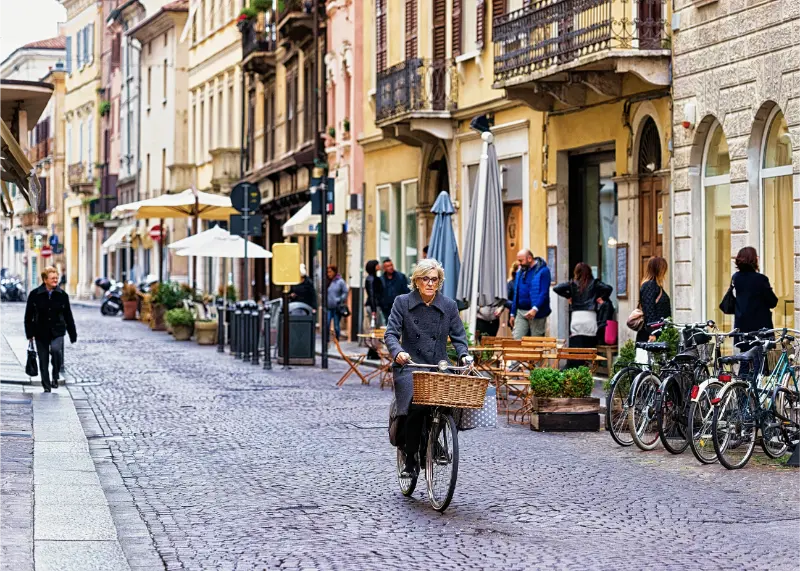
Two days in Mantua is the ideal first visit for most cultural travellers. It gives Palazzo Ducale and Palazzo Te separate blocks, leaves time for the central churches and lakes, and allows you to eat regional food without constantly checking the clock.
This weekend itinerary keeps day one focused on the Gonzaga court and the historic centre, while day two broadens the experience with Palazzo Te, smaller sights and the city’s relationship with water. Sabbioneta can be added by shortening day two or, preferably, by staying a third night.
Our Mantua Travel Guide is helpful if you want to see how Two Days in Mantua fits beside the main local sights and neighbourhoods.
Day 1 morning: Palazzo Ducale
Reserve the Camera degli Sposi route for the morning and give Palazzo Ducale at least two hours. An early start reduces pressure on the rest of the day and means your most important reservation is completed before lunch.
Use the Palazzo Ducale guide and confirm current conditions on the official museum site.
Day 1 late morning: Piazza Sordello to Piazza delle Erbe
After the palace, walk slowly through Piazza Sordello, Piazza Broletto and Piazza delle Erbe. Stop at the Rotonda di San Lorenzo if open and look at the Torre dell’Orologio. This route is short, so there is no need to hurry.
A two-day trip gives you permission to return later. If a church or tower is closed now, move on and try again the next day rather than waiting impatiently.
Day 1 lunch: start with Mantuan classics
Choose a restaurant serving local dishes and make tortelli di zucca the central experience. If you are sharing, add another regional first course or a meat dish so you can compare the sweet-savoury Mantuan flavour profile with more rustic cooking.
Keep wine moderate if you have a museum-heavy afternoon. Mantuan cuisine can be rich, and the purpose of two days is to avoid needing to push through fatigue.
Day 1 afternoon: Sant’Andrea and one smaller cultural stop
Visit Basilica di Sant’Andrea and then choose one smaller attraction according to interest: a historic theatre, museum, tower or house. The important word is one. After Palazzo Ducale, another two-hour museum often adds less than a focused forty-five-minute visit.
Use the remaining daylight for streets and squares. Mantua rewards repeated walking because architectural relationships become clearer after you have seen the interiors.
Day 1 evening: lakeside and dinner
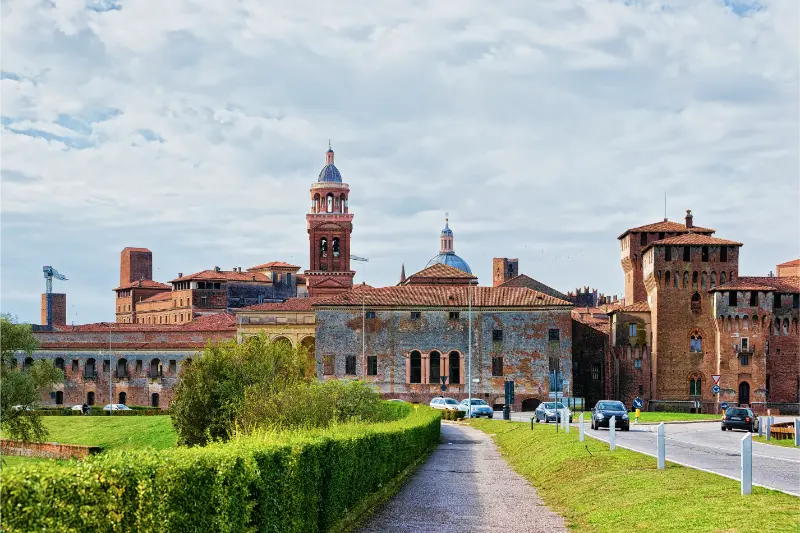
Walk toward Lago di Mezzo or Lago Inferiore near sunset. The skyline across the water gives a completely different impression of the city, especially after a day spent inside enclosed palace rooms.
Return to the centre for dinner. Use our Mantua food guide to choose another local dish rather than repeating exactly the same lunch.
Day 2 morning: Palazzo Te
Begin the second day at Palazzo Te. The morning keeps your attention fresh for Giulio Romano’s complex decoration, and separating Te from Ducale prevents the two palaces from blending into one long museum memory.
The Palazzo Te guide explains the Sala dei Giganti, Sala di Psiche and practical visit flow. Check the official hours because Tuesday has a later standard opening than other weekdays.
Day 2 late morning: gardens and southern Mantua
After the palace, spend a little time outside before heading back to the centre. Walk rather than taking transport if weather and mobility allow. The gradual transition helps place Palazzo Te in its original suburban context.
Stop for coffee on the way rather than rushing directly into another monument.
Day 2 lunch: risotto, agnolini or a lighter option
Use the second lunch to explore beyond pumpkin tortelli. Risotto alla pilota is one of the most characteristic local dishes, while agnolini in broth works especially well in cooler weather. In summer, you may prefer a lighter lunch and save a fuller regional meal for dinner.
Markets, bakeries and delis can also create a good informal meal if you want more time outdoors.
Day 2 afternoon option A: lakes and Mincio
In good weather, make the second afternoon about water. Walk or cycle beside the lakes, or take a seasonal boat excursion if departure times fit. The point is not simply recreation: the Mincio landscape explains why Mantua developed with such an unusual defensive and visual relationship to water.
Book boat trips only after checking the route and duration. Some excursions focus on the skyline; others continue into wetlands and can occupy much more of the afternoon.
Day 2 afternoon option B: more museums
If rain or heat makes the waterfront unattractive, choose another indoor cultural site. Mantua has enough secondary museums and historic interiors to fill the afternoon without repeating the two main palaces.
Do not over-schedule. Two or three strong visits across the day are usually more memorable than five rushed interiors.
Day 2 afternoon option C: Sabbioneta
Sabbioneta deserves a substantial half day and is better with more time, but fast-moving travellers with a car can shift day two toward this UNESCO partner city. The result is more transport and less Mantua, so I prefer Sabbioneta as day three whenever possible.
Sabbioneta is most satisfying when you can give it a proper half-day or longer rather than trying to add it after two major Mantua museums. For a two-day trip, consider it as a substitute for part of the second afternoon only if your transport is settled and your priorities favour Renaissance town planning over another palace interior. If you love Mantegna and Giulio Romano, staying within Mantua for both days may produce a more coherent cultural visit.
Drivers have greater flexibility, but should still check monument opening periods and where to leave the car outside the historic lanes. Travellers without a car must verify bus services and the last convenient return, particularly at weekends and on holidays. A visitor pass may include some transport under specified conditions, but those conditions do not make every service frequent or available on every day.
If you choose it, follow our Sabbioneta day trip guide and verify museum hours before departure.
Where to stay for this itinerary
A central base makes the two-day rhythm very easy because you can return to the room between major visits and go out again for dinner. The Piazza delle Erbe–Piazza Sordello area is best for first-time visitors; the Palazzo Te side can suit drivers and repeat visitors.
Compare options in where to stay in Mantua or browse Mantua accommodation.
Using the Mantua–Sabbioneta pass
The 2026 pass structure is relevant on a two-day trip because you may visit enough included sites to justify it. The 24-hour central pass and 72-hour Mantua–Sabbioneta pass have different inclusions, and the Camera degli Sposi can involve an extra ticket or reservation.
Check the current conditions at Mantova Card before purchasing. Compare the pass against your real museum plan rather than building the plan around the pass.
Two days without a car
The itinerary works very well without a car. The central attractions are walkable, Palazzo Te is reachable on foot or by urban bus, and the station is close enough for most travellers with normal luggage. Sabbioneta is the part that requires more timetable planning.
APAM sells urban and interurban tickets; see the official fare page and route planner for the date of travel.
Two days with a car
Do not use the car for ordinary central sightseeing. Leave it in authorised parking and walk. The car becomes useful if your accommodation is peripheral, you want to reach Sabbioneta or you are continuing into the countryside.
Confirm ZTL and parking rules with the hotel. Historic centres are precisely where following a navigation app without local access information can create unnecessary problems.
If your two days include Monday
Palazzo Ducale is normally closed on Monday, so arrange Ducale for the other day and use Monday for Palazzo Te, churches, outdoor walks and any museums that are open. This is much easier with two days than with a Monday-only day trip.
Always verify holiday arrangements because special openings can change the standard weekly pattern.
Budget and pacing
Two days spreads museum costs and allows more free activities such as squares and lakeside walks. Accommodation is the main added expense compared with a day trip, but the extra night can reduce transport fatigue and makes dinner part of the destination rather than something squeezed before a train.
Two days give you the option to see Mantua at different times rather than collecting extra sights. An evening walk between Piazza Sordello and Piazza delle Erbe lets you revisit the centre when the daytime groups have dispersed. Another quiet interval beside the lakes makes the setting of the city easier to understand. These are not distractions from the museums; they connect the places you have already visited into a memorable whole.
For an arrival on Saturday, check Sunday museum hours and make the reservations that are truly essential. If your stay extends into Monday, remember that Palazzo Ducale generally closes that day. Place the Ducal Palace visit on a suitable date and leave Monday for streets, lake views or attractions confirmed to be open. With a late train home, a hotel willing to store luggage can make departure day unexpectedly useful.
A 72-hour pass may be relevant if you add Sabbioneta, while a simpler ticket strategy can work for two days focused on the two palaces. Calculate from your actual route.
Final advice
Protect the structure of the trip: one major palace per half day at most, outdoor time every day, and enough flexibility for church openings or museum delays. That rhythm makes two days in Mantua feel rich rather than crowded.
What to reserve before the weekend
Reserve Palazzo Ducale first, especially if the Camera degli Sposi is essential. Check Palazzo Te hours for your weekday and any temporary exhibition that may increase demand. Restaurants do not always need booking, but a specific traditional place is worth reserving on Saturday evening or during a festival weekend.
Keep the rest flexible. The advantage of two days is being able to move a church, theatre or lakeside walk when weather or opening hours change. Over-reserving every hour removes that advantage.
A family-friendly version
For families, shorten Palazzo Ducale and make Palazzo Te the more playful art visit. Use the lakeside walk, a boat trip or cycling as the second major activity of the day. A child who has already spent two hours in formal interiors may enjoy Mantua much more if the next experience involves open space.
Stay central enough to return to the room after lunch. That single logistical choice can make the difference between an enjoyable evening and a child who is exhausted before dinner.
A culture-heavy version
Travellers focused on art can extend Palazzo Ducale, add Teatro Bibiena or another museum on day one, then give Palazzo Te a full two hours on day two. In that version, shorten the lakeside section rather than sacrificing meal breaks. Museum fatigue reduces the value of the extra ticket if you never stop.
Use the evening for architecture that does not require admission: Piazza Sordello, Piazza delle Erbe, the exterior of Sant’Andrea and the skyline from the water. These free views help connect the indoor collections to the city that produced them.
Departure-day strategy
If you leave on the second evening, store luggage at the hotel and collect it only after the final attraction. Check the train before dinner and leave enough time to reach the station without turning the last hour into a sprint.
If you are continuing by car, avoid planning a long drive immediately after a heavy lunch and several hours of museums. A coffee break or short lakeside walk before departure can make the transition more comfortable.
Last updated: October 18, 2026