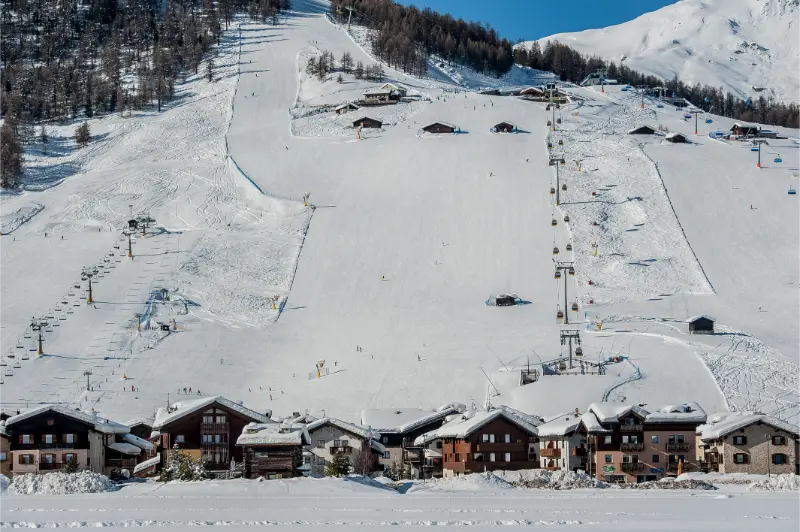
A winter trip to Lombardy can be a city break, a skiing holiday, a mountain retreat or a combination of several of them. The region is large enough that one forecast does not describe conditions everywhere. Milan's cold streets and galleries are very different from snowy slopes near Livigno or Bormio, while a lakeside town can be quiet and atmospheric but have fewer boat services than in summer. This guide helps you decide which winter version of Lombardy fits your interests, with practical advice on choosing accommodation, understanding seasonal transport and avoiding assumptions about snow or opening dates.
Is Lombardy worth visiting between December and March?
Yes, for the right reasons. Major cities remain active throughout winter, and museums, historic squares and restaurant culture give travelers alternatives to outdoor sightseeing. Alpine destinations cater to winter sports and mountain experiences, though snow conditions and operating dates vary from season to season. Some lake communities become much quieter, which appeals to visitors who enjoy calm waterfronts, but many seasonal attractions, gardens and boat departures run limited hours. A winter itinerary should be deliberately different from a summer one rather than a summer checklist performed in heavier clothing.
To connect Lombardy in Winter with the rest of the destination, our Milan Travel Guide offers a broader overview of what to see and how to get around.
Think about daylight as well as temperature. Museum-rich city days can begin late and continue indoors; a mountain outing needs to be planned around earlier darkness, weather and safe return transport. A week combining Milan with three or four nights in one mountain base is usually more sensible than trying several ski resorts in a row. The whole point is to experience the contrast between city and Alps without spending the holiday in transit.

Milan in December: lights, museums and restaurants
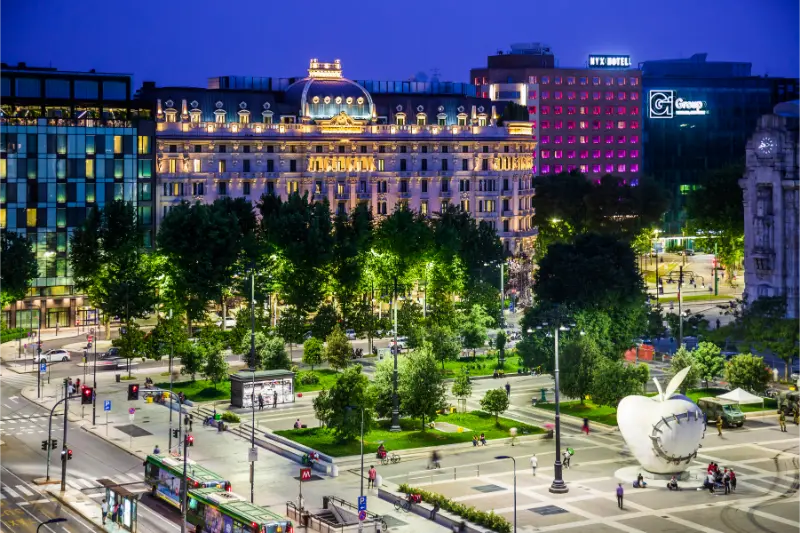
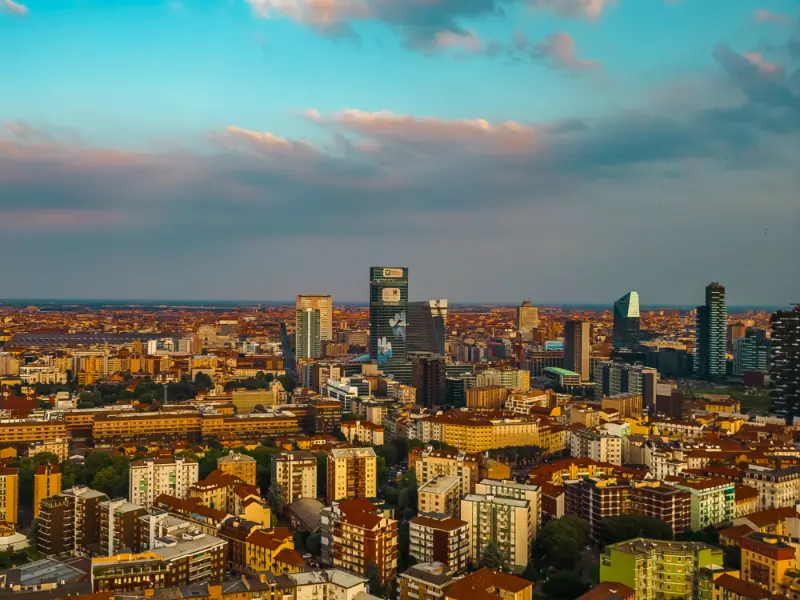
Milan's historic center is lively in the holiday period, with seasonal decorations, shops and festive events. Exact markets and public programs change yearly, so use current city announcements rather than assuming a previous event returns in the same location. The Duomo, Galleria and central streets are especially atmospheric in the evening, but popular shopping areas can be crowded. A calm day can include one booked museum, a neighborhood walk and an early dinner instead of a long series of outdoor stops.
The museum options are a major winter strength. Consider the Brera art district, Sforza Castle museums or the National Museum of Science and Technology depending on your interests. If you want to see the Last Supper, look for official reservations well in advance and plan around the confirmed ticket. Train access means Milan can also support a day trip to Bergamo or another historic city when conditions are suitable. Bring warm layers and comfortable shoes for wet paving; fashionable urban streets can be slippery after rain.
Bergamo, Brescia and Cremona for short winter breaks
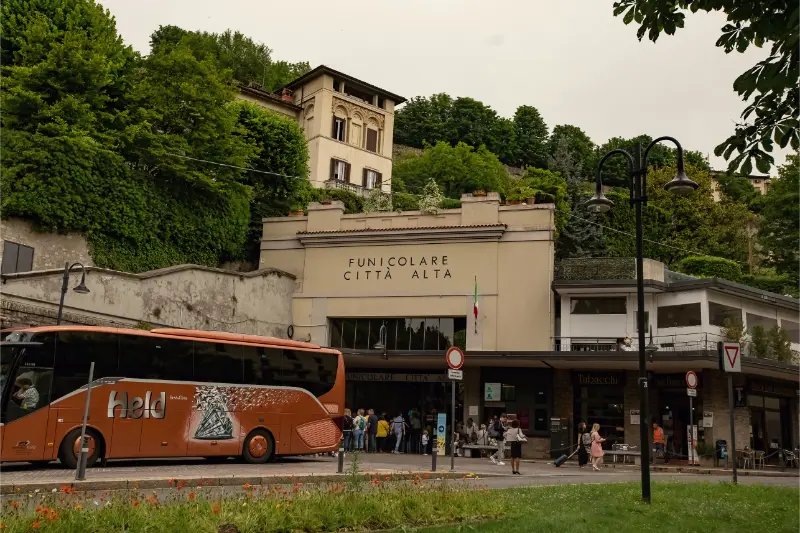
Bergamo's Città Alta is beautiful in clear winter light, and its historic lanes feel different from the summer crowds. The funicular can make access easier, although the upper streets remain cobbled and sometimes steep. Brescia offers substantial indoor cultural options around Santa Giulia and the Roman heritage areas, while Cremona's violin-making collections, cathedral square and food traditions work well in cold weather. These cities are not dependent on snow to feel rewarding.
Plan a museum and a walk for each day, rather than committing to a full outdoor program. Rain and shorter daylight may make a palace or gallery more appealing than a distant viewpoint. Check official holiday closing days, particularly around Christmas and New Year, when normal weekly patterns may change. Staying overnight gives you time for a comfortable meal and a walk through illuminated streets without racing for the last train back to Milan.
Bormio: a mountain town with thermal traditions
Bormio is attractive because it offers more than skiing. The historic center provides an appealing base for cafés, restaurants and a mountain-town atmosphere, while its thermal facilities can be a major part of the holiday. Different establishments have different entry arrangements and minimum ages, so verify the exact venue rather than assuming all Bormio spas suit families. Some offer more conventional public swimming and wellness options, while others focus on adult relaxation.
For skiers, accommodation should be selected with the lift or ski-bus connection in mind. For nonskiers, choose a location with pleasant walking and easy transport rather than paying extra for proximity to slopes you will not use. Road conditions and winter equipment requirements matter for driving, particularly if approaching through mountain valleys. The famous Stelvio Pass road is subject to seasonal closure; never build a December sightseeing day around driving an Alpine pass because it looks open in a summer photograph.
Livigno: a resort built around winter activities
Livigno is one of Lombardy's best-known winter destinations, with mountain scenery and a resort structure that can support a multi-night stay. Because it is not connected by a direct conventional passenger train, transfers by road are part of reaching it. Investigate the route from the airport or rail gateway, travel time and winter driving requirements before booking cheap flights that leave an awkward final connection. A resort stay is generally more satisfying when you remain long enough to justify the journey.
Skiers should check which areas and lifts are operating on their actual dates. Non-skiers should ask about winter walks, spa options, local services and other activities available in that period; a list from the previous winter may no longer be accurate. Families need to distinguish beginner slopes, children's lessons and childcare arrangements rather than treating a resort label as a promise of suitable facilities for every age. Altitude, cold and changing weather require sensible clothing even for a short town excursion.
Madesimo and Valchiavenna: a different Alpine base
Madesimo provides another option for travelers seeking skiing or a mountain village stay. It sits in the upper Valchiavenna area, which changes character markedly from the lower town of Chiavenna. Reaching it involves road travel beyond the main transport hubs, and the condition of mountain roads matters in winter. Compare the accommodation's actual access to lifts and services, especially when traveling with children or carrying ski equipment. The phrase 'close to the slopes' may still describe a steep walk.
Chiavenna can be an appealing lower-valley complement, known for its historic center and crotti food culture. A day here is also a weather-resilient option if high mountain activities become impractical. Do not plan an Alpine resort transfer on the same afternoon as a major museum ticket in Milan unless you have left a generous margin. Mountain weather is unpredictable, and a slower pace is part of a safer winter itinerary.
Valtellina for travelers who do not ski
The Alpine scenery is worth visiting even if you have no interest in downhill skiing. Tirano, Sondrio and smaller valley towns provide historical streets, food traditions and access to scenic surroundings at lower elevations. A Bernina rail trip from Tirano can be particularly striking in winter, but the international route requires checking ticket type, reservations, travel documents and the return timetable. A branded panoramic train and a regular regional train may serve different needs.
Winter walking should stay within marked, suitable routes, with local advice on ice and avalanche exposure. Do not assume that a trail described as easy in summer remains safe in January. For most nonskiers, a valley-floor base with restaurants and cultural alternatives will provide more flexibility than an isolated lodging beside an advanced ski area. A warming meal of pizzoccheri or other regional dishes can be an enjoyable focus for the day without needing a demanding outdoor expedition.
Lake Como in winter: atmosphere rather than a summer cruise
Winter on Lake Como can be quiet and beautiful, especially in larger towns with year-round services. Como has a cathedral, historic streets and a waterfront that remain appealing during a short city-and-lake break. Varenna and other central-lake villages are more seasonal, so hotel and restaurant choice may narrow. Ferries can still run, but schedules are different from summer, and the weather can affect operations. Before reserving a lakeside hotel, check how you will reach it and return in the evening.
Villa gardens and seasonal attractions may be closed or partly accessible. A good winter Lake Como day should be built around a town walk, a meal and perhaps one confirmed visit, with a boat as an option rather than an unquestioned requirement. Take warm layers for the waterfront and comfortable shoes for wet or slippery lanes. If you want broad garden access and frequent crossings, spring or summer may be the better season; winter rewards a different expectation.
Lake Garda and Lake Iseo outside the main season
Lake Garda's Lombardy shore has towns such as Desenzano, Sirmione and Salò that retain an attractive setting in winter. But a holiday planned around beach swimming, long ferry circuits and outdoor resort facilities will probably be disappointing. Instead, choose historic streets, cafés, thermal experiences where available and easy waterfront walks. Desenzano's rail access can be useful for a short break, while Sirmione's pedestrian center is appealing when less crowded, subject to the weather.
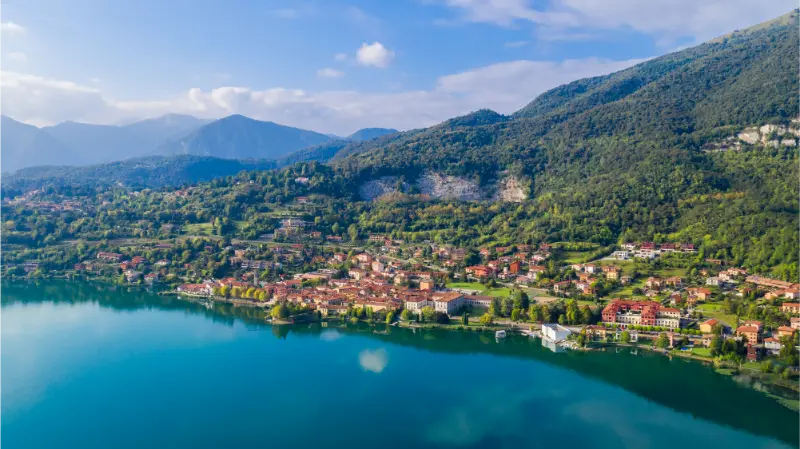
Lake Iseo offers still another winter mood, with smaller towns and the possibility of a calm visit to Iseo or a museum-focused extension toward Brescia. Island ferry arrangements and restaurant hours should be checked closely. Do not select remote accommodation without confirming that shops and dining remain open. Winter lake travel can be restful precisely because there is less to do, but travelers should embrace that quieter pace instead of expecting summer services.
Christmas, New Year and winter events
Seasonal markets, concerts and special exhibitions can enrich a winter trip, yet they are also the information most likely to change from one year to the next. Verify dates on official municipal or event organizer websites, particularly when traveling around Christmas Eve, Christmas Day, New Year's Eve and Epiphany. Transport may use holiday timetables, museums may have special closures and popular restaurants often require advance booking.
Ski-resort peak weeks can bring higher room prices and busy roads, while cities may see price swings around trade fairs and major events unrelated to tourism. Compare the full trip cost, including airport transfers and equipment rental. A city hotel may be better value during one week but expensive during another; there is no reliable universal winter price ranking. Flexible travel dates can make a substantial difference.
How to combine city and ski time
A practical seven-day route might use two nights in Milan, then four in Bormio or another well-chosen winter base, followed by a final night near the airport or departure station. This reduces the risk of a long mountain-to-flight transfer on the last morning. Choose one resort and enjoy its facilities instead of packing up to sample several distant ski areas. If you prefer a trip without skiing, four nights in Milan with excursions to Bergamo or Brescia and two nights in a year-round Lake Como town can be more relaxing.
Travel by train can work well for the city portion and parts of Valtellina, but resort transfer buses or a rental vehicle may be needed for the final segment. Compare timetables before deciding which airport to use. In winter, road conditions, storms and transport disruption should be treated as possibilities worth planning around rather than exceptional inconveniences that can be ignored. Keep the final travel day conservative.
Winter clothing, safety and accessibility
The clothing required in Milan is different from what you need at altitude. In the city, warm waterproof layers and shoes with reliable grip are practical; in the mountains, suitable outerwear, gloves and footwear are essential. A ski jacket does not make someone prepared for every off-piste or mountain excursion. Avoid avalanche-exposed routes without the appropriate expertise and local information, and never assume that a cable car or mountain restaurant will open in poor weather.
Travelers with reduced mobility should verify snow-clearing, lift access and the route from transport to accommodation. Strollers can become difficult on icy slopes and older cobblestones. For families, ask ski schools about minimum ages and lesson arrangements before booking the resort, and investigate indoor alternatives when weather prevents outdoor activities. An adaptable holiday is safer and more pleasant than a rigid series of pre-paid outdoor plans.
Practical budget and booking choices
When comparing winter resorts, include transport from the closest rail gateway or airport, ski passes, equipment rental, lessons and meals. A cheaper hotel far from lifts may require costly daily transfers. Nonskiers should not pay automatically for a ski-in/ski-out location. Thermal tickets and premium spa areas can be separate expenses, with age restrictions that affect family plans. Reserve the scarce component first, such as lessons or a popular wellness appointment, then fit the hotel around it.
For winter city breaks, museum reservations, holiday opening times and restaurant bookings matter more than ski logistics. For lakes, ferry schedules and seasonal closures take priority. Read current cancellation rules in case adverse weather forces a change. A thoughtful winter budget includes room for a taxi, a different museum or an extra warm meal when the original plan stops being practical.
Choosing the best winter version of Lombardy
Choose Milan, Bergamo, Brescia or Cremona when culture, food and flexible indoor activities are the priority. Choose Bormio or Livigno when you want several days in an Alpine resort, and consider Tirano or Sondrio for a mountain atmosphere with rail connections and local life. Choose a year-round Lake Como or Lake Garda town if your idea of a holiday is quiet walks and waterfront meals rather than summer attractions. Lombardy is particularly rewarding in winter when the itinerary fits the season instead of fighting it. Confirm current operating dates, stay adaptable and leave enough time to enjoy wherever the weather takes you.
At a glance
| Travel focus | Practical choice |
|---|---|
| City winter break | Milan, Bergamo, Brescia or Cremona |
| Ski-focused stay | Bormio, Livigno or Madesimo |
| Nonskier mountain stay | Tirano or Sondrio with planned outings |
| Quiet lake break | Year-round town and seasonal ferry checks |
Explore related guides
- Milan in Winter and at Christmas: Weather, Markets, Museums and Practical Planning
- Bormio Travel Guide: Old Town, Thermal Baths, Stelvio and Mountain Trips
- Livigno Travel Guide: Skiing, Hiking, Duty-Free Shopping and Practical Tips
- Valchiavenna Travel Guide: Chiavenna, Madesimo, Waterfalls and Alpine Valleys
Map and official travel resources
Compare places to stay
Frequently asked questions
Is Lake Como worth visiting in winter?
Yes for quiet towns and atmospheric walks, but many boats, gardens and hotels run reduced seasonal services.
Can you drive the Stelvio Pass in winter?
The high pass is subject to seasonal closures. Check official road conditions and never assume winter access.
What is the best winter base in Lombardy?
It depends on your priorities: Milan for culture, Bormio or Livigno for mountain activities and a year-round lake town for a quieter stay.
Last updated: October 17, 2026