
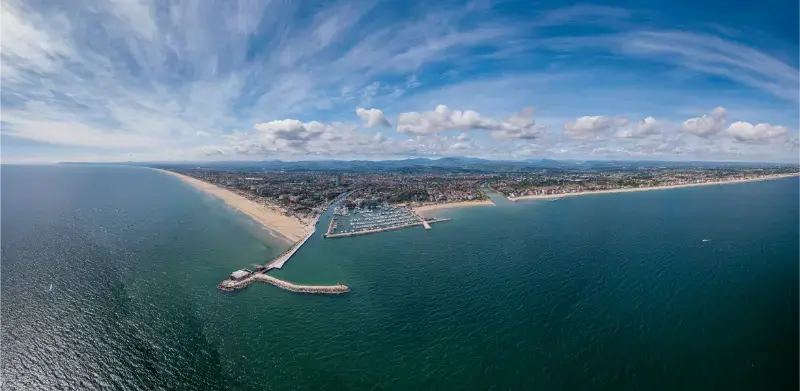
Two days in Rimini is the sweet spot for a first visit because you can separate the historic city from the Riviera experience. Day one should focus on Roman and Malatesta Rimini, the Domus del Chirurgo and Borgo San Giuliano. Day two can move toward Fellini, Marina Centro and the beach, with enough flexibility for weather or a longer museum visit. The plan below is designed for travellers arriving by train and staying in Rimini itself; it avoids unnecessary transfers and leaves room for real meals instead of turning the weekend into a race.
Day 1 morning: Roman Rimini
Start at the Arch of Augustus and follow Corso d’Augusto toward the centre. Continue to the Tempio Malatestiano, then Piazza Ferrari for the Domus del Chirurgo. This sequence moves from imperial Rome to the Renaissance without backtracking. If archaeology is a priority, add the City Museum immediately after the Domus so the medical instruments and finds have context.
Use the morning for these sights because outdoor walking is more comfortable and museums can become busier later. Keep breakfast light enough to leave room for a proper lunch.
Day 1 afternoon: civic Rimini and Borgo San Giuliano
After lunch, spend time around Piazza Cavour, Teatro Galli and Castel Sismondo, then walk to the Tiberius Bridge. Cross into Borgo San Giuliano and follow the murals through the former fishermen’s quarter. This is a better late-afternoon environment than trying to fit another major museum before closing time.
Have dinner in or near the borgo if you find a restaurant that suits your style. Otherwise, return toward the centre. The walk is short enough that you do not need a taxi for most centrally based stays.
Day 2 morning: Fellini Museum
Dedicate the second morning to the Fellini Museum system at Castel Sismondo and Palazzo del Fulgor. Cinema enthusiasts should allow around two hours; casual visitors can shorten the museum and add a longer walk through the city. Check current opening days before the trip, particularly for Monday scheduling.
The museum makes more sense after you have already seen Borgo San Giuliano and the city centre because many ideas connect to places you now recognise. This order also prevents the first day from becoming museum-heavy.
Day 2 lunch: local flavours
Choose piadina for a quick lunch if the weather is good and you want more time outside, or sit down for passatelli, cappelletti or seafood if food is a central interest. The second day is a good moment to try whatever you missed on day one rather than repeating the same restaurant style.
If travelling with children, keep lunch predictable before the beach. A long formal meal followed by a tired afternoon rarely improves the weekend.
Day 2 afternoon: Marina Centro and beach
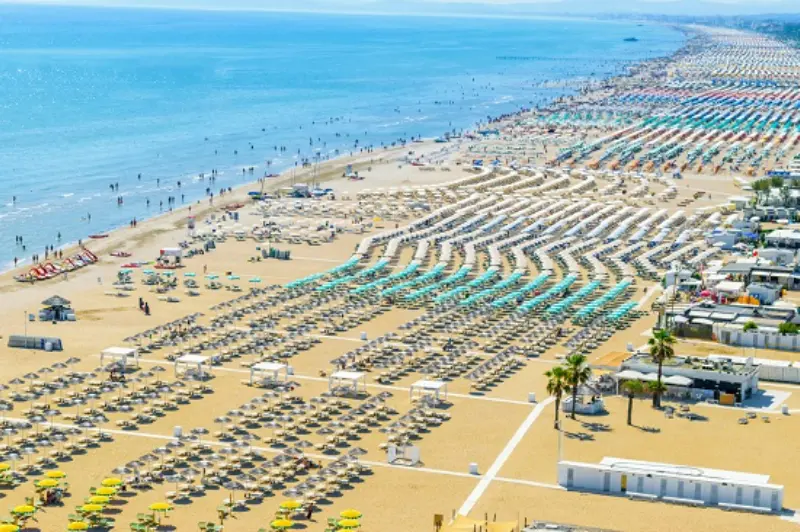
Move toward Marina Centro and the seafront. In warm weather, reserve the afternoon for the beach and Parco del Mare. Outside the bathing season, walk the promenade, see the Grand Hotel exterior and enjoy the open coastal landscape without expecting full summer services. Cycling can work well if your hotel offers bikes and the weather is stable.
Beach clubs operate seasonally, so shoulder-season travellers should confirm services before relying on a specific establishment. Free public access to the shore remains an important part of the experience even when umbrellas are not the priority.
Alternative: theme park or San Marino
If you are travelling with children, you can replace day two with Fiabilandia or Italia in Miniatura. That turns the trip into one culture day plus one attraction day, a very practical family format. If San Marino is a priority, it can also replace day two, but do not attempt to fit both San Marino and a theme park into the same day.
Riccione and Cattolica work better as extensions to a longer Riviera stay rather than forced additions to a two-day city break. Stay focused on Rimini unless your interests clearly point elsewhere.
Where to stay for a two-day trip
The historic centre is ideal if museums, restaurants and rail travel matter most. Marina Centro suits travellers who want the sea immediately outside the hotel and do not mind a longer walk or bus ride to some monuments. A location between station and seafront can be a useful compromise for a weekend without a car.
Check late check-in and luggage storage if your trains arrive before the room is ready or depart after checkout. Those practical details can add several useful sightseeing hours without paying for another night.
Weekend logistics
Rimini is flat enough that walking handles much of this itinerary. Use buses or Metromare for longer coastal moves rather than renting a car solely for the city. Drivers should check ZTL rules and hotel parking before arrival. Summer weekends, major fairs and events can change hotel prices dramatically, so compare dates before assuming the beach season is the only expensive period.
Two days gives you enough time to adapt to weather. If day one is rainy, move museums forward and save the seafront for the clearer period. That flexibility is one of the main reasons the two-night format works so well.
Extra practical advice for this itinerary
If you are travelling during the busiest weeks, treat accommodation location and transport as part of the attraction itself. A theoretically cheaper hotel can become poor value if every day starts with a long transfer, while a central rail stop can remove the need for parking entirely. Compare the total trip cost rather than only room price: beach agreements, breakfast, parking, local transport and cancellation flexibility often change the real difference between two properties.
For meals, keep at least one reservation-free window. The Riviera has enough piadinerie, markets and casual restaurants that not every lunch needs advance planning. Reserve the experiences with limited capacity and keep ordinary meals flexible. This balance is especially useful with children or during hot weather, when appetite and energy may not match a schedule created weeks earlier.
Where to stay
For this trip, compare accommodation by exact location rather than headline price alone. Check walking distance to the places that matter to you, recent reviews, parking or station access, cancellation conditions and whether breakfast or beach services are actually included. On the Riviera, a hotel one or two blocks inland can be significantly quieter than a property directly on the seafront while still keeping the beach within an easy walk.
Tours and activities
A guided activity can be worthwhile when it adds historical context, solves transport between scattered sights or turns a food or cultural theme into a coherent experience. Compare the exact meeting point, language, group size, inclusions, duration and cancellation rules before booking; on busy summer weekends it is also worth checking how much free time remains around the activity.
Official information to check before you go
Opening days, seasonal services, event dates and admission prices can change. Before committing to a non-refundable booking, confirm the latest details on the relevant official websites.
Continue planning
Practical planning checklist
A good Riviera day usually works better when you decide the main purpose before leaving the hotel. For a culture-first day, start early in the historic centre and move to the beach only after the museums or monuments. For a beach-first day, reverse the order and protect the cooler morning for the sea. Families should build in a genuine rest period rather than stacking attractions from breakfast to midnight, while travellers using trains should check the last practical return service before committing to dinner in another town.
In summer, reserve the parts of the trip that have real capacity limits and keep flexible the things that do not. Accommodation, major event tickets and specific park dates deserve early attention; a promenade walk, an aperitivo or a beach sunset usually does not. Shoulder season requires the opposite kind of discipline: confirm that seasonal venues are actually open, but enjoy the freedom of quieter streets, easier restaurant bookings and lower pressure on transport.
Keep a small margin for weather. The Adriatic coast can shift quickly from hot sun to thunderstorms, especially in summer. A museum, market, historic centre, spa or aquarium is useful as a backup, but avoid treating every rainy hour as a reason to drive across the region. The Riviera rewards slow changes of plan because most towns combine indoor and outdoor options within a compact area.
Use these related My Italy Experience guides to connect this article with the rest of your Riviera itinerary without repeating the same planning work.
- One day in Rimini
- Federico Fellini in Rimini
- Rimini food guide
- Rimini beach guide
Leave a Reply