
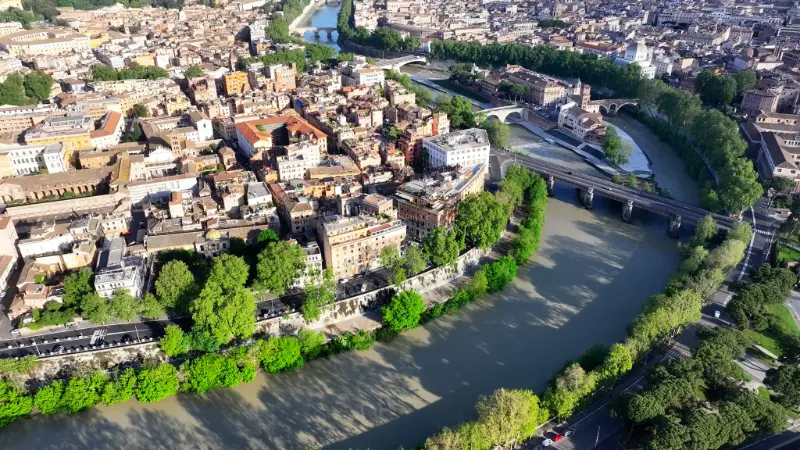
Lazio is often reduced to Rome plus an airport transfer, yet the region includes imperial villas, Etruscan necropolises, volcanic lakes, medieval towns, mountain valleys and a long Tyrrhenian coast. It deserves its own travel plan.
At a glance
| Regional capital | Rome |
|---|---|
| Best first extension | Tivoli or Ostia Antica |
| Best base in the north | Viterbo |
| Best lake options | Bracciano and Albano |
| Car usefulness | Moderate to high for rural combinations |
What you need to know
- Use Rome as a base for one or two simple day trips, then change base only if you want deeper regional travel.
- Northern Lazio and rural lake routes become easier with a car, but many headline destinations are possible by public transport.
- Do not underestimate distances across the region simply because every place is labelled Lazio.
- Plan around the experience you want—archaeology, food, lakes, medieval towns or coast—rather than trying to cover every province.
Why travel beyond Rome?
For a more detailed plan, our Cerveteri Travel Guide develops this part of the journey step by step.
Rome contains enough history for weeks, so leaving the city should have a purpose. Lazio earns the detour when you want a different scale: walking through the streets of Ostia Antica, seeing Hadrian’s Villa spread across a landscape, eating in the Alban Hills, exploring medieval Viterbo or standing beside a volcanic lake. These experiences make the region feel coherent rather than treating Rome as an isolated museum city.
For a first trip with only four days, stay in Rome. With five to seven days, add one or two outings from the best day trips from Rome. With eight to ten days, consider a second base in northern Lazio or the Castelli Romani. The decision is about pace, not collecting provinces.
Rome as the transport hub
For a closer look at this side of the destination, read our Santa Severa and Santa Marinella.
Rome’s main stations connect the region by Trenitalia and other local services, while Cotral and local operators cover many bus routes. The network can reach a surprising number of destinations, but the final kilometres to villas, necropolises or lakeside spots may require another bus or taxi. Use the Italy train guide for national rail basics and check regional timetables close to travel.
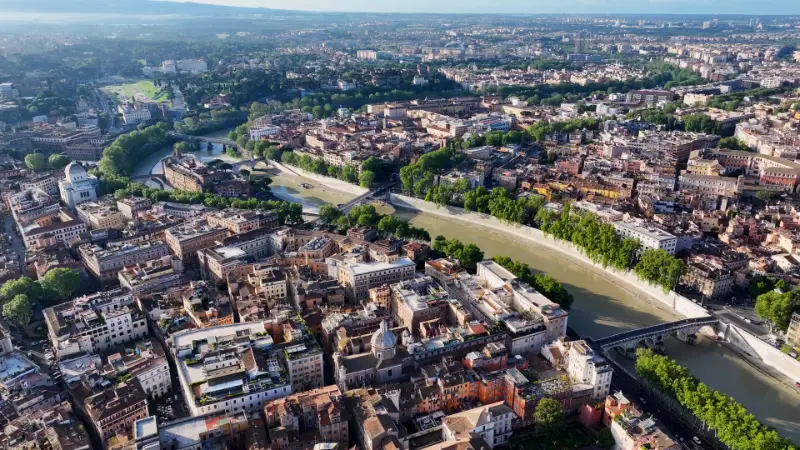
If you stay in central Rome, avoid renting a car days before you need it. Collect the car when leaving the city and return it before re-entering if possible. That avoids ZTLs, expensive parking and unnecessary urban driving. A regional road trip begins outside Rome, not at the Trevi Fountain.
Tivoli: imperial ambition and Renaissance water
Tivoli is the strongest first extension for travellers who enjoy architecture, gardens and archaeology. Hadrian’s Villa spreads across a large archaeological landscape; Villa d’Este transforms water into architecture and garden theatre. The town itself provides the practical link between them and deserves more than a rushed bus change.
Use the official Villae site for current opening conditions. Hadrian’s Villa involves significant walking and gradients, while Villa d’Este involves stairs and wet, slippery surfaces around fountains. A full day lets you pace both rather than turning them into competing photo stops.
Ostia Antica and the archaeology of everyday life
Ostia Antica is one of Lazio’s most valuable sites because it preserves a city rather than a single monument. Apartment blocks, baths, shops, religious buildings and the theatre reveal how a complex port functioned. The official Ostia Antica site provides current visitor information and access rules.
The archaeological park also includes other sites linked to the ancient ports and Fiumicino area. Serious archaeology travellers can turn a simple day trip into a two-day study of Ostia, Portus and the surrounding landscape, though opening patterns differ between sites.
Castelli Romani: food, wine and volcanic landscape
For a closer look at this side of the destination, read our Tuscania Travel Guide.
For a closer look at this side of the destination, read our Ventotene Island Guide.
Southeast of Rome, the Castelli Romani combine hill towns, villas, volcanic lakes and long food traditions. Frascati is a practical rail gateway, while Castel Gandolfo overlooks Lake Albano. Other towns such as Ariccia, Nemi and Grottaferrata reward a car-based or carefully planned bus itinerary.
Do not reduce the area to wine tasting. The landscape, religious sites, towns, porchetta traditions and lakes are all part of the experience. If wine is central, arrange a safe non-driving return. A slow lunch and one or two towns are more satisfying than racing through the entire Alban Hills in a day.
Bracciano and the northern lakes
For more detail on the landscape and possible routes, see our Calcata and Valle del Treja.
For more detail on the landscape and possible routes, see our Circeo and Sabaudia Guide.
Lake Bracciano is a volcanic lake northwest of Rome, with the town of Bracciano and its imposing castle forming the easiest visitor base. The lake provides a natural reset after urban Rome, especially in spring and early autumn. Summer weekends can be busy, and beach or boat access varies by location.
Nearby Lake Martignano is smaller and less urbanised but requires more transport planning. If lakes are the main theme, a car gives you more flexibility; if you simply want one easy lakeside day, stay focused on Bracciano and its historic centre.
Viterbo and Tuscia: the best second base
Viterbo is one of the strongest bases for northern Lazio because the medieval city has enough depth for an overnight stay and sits near gardens, Etruscan landscapes, volcanic lakes and villages. The San Pellegrino quarter, papal history and thermal traditions create a different rhythm from Rome.
From Viterbo you can build routes toward Villa Lante, Caprarola, Lake Bolsena and other Tuscia destinations. Public transport exists but becomes less convenient when combining several rural stops. A small rental car can transform the itinerary, provided you read the driving in Italy guide and research parking for historic centres.
Etruscan Lazio: Cerveteri and Tarquinia
For a closer look at this side of the destination, read our Tarquinia Travel Guide.
The Etruscans shaped central Italy before Roman dominance, and Lazio contains some of the most important surviving funerary landscapes. Cerveteri’s Banditaccia necropolis and Tarquinia’s painted tombs present different aspects of Etruscan culture. Pair the archaeological site with a museum whenever possible; objects and tomb context explain one another.
These are not “Rome before Rome” theme parks. They belong to a distinct civilisation with its own language, art and urban traditions. Reading even a short introduction beforehand will make the sites dramatically more understandable.
The Lazio coast: when it makes sense
Lazio’s coast stretches far beyond Rome’s urban beach areas. Anzio and Nettuno combine seaside life with twentieth-century military history; farther south, the Circeo area and coastal towns lead toward more natural landscapes. Summer brings heat, beach demand and traffic, while shoulder seasons can be better for walks and historical visits.
Choose the coast if sea time is genuinely part of your trip. Do not add a beach day simply because Italy is associated with the Mediterranean; Rome and inland Lazio already provide more than enough for a short visit. The coast works best as a deliberate contrast.
Subiaco and the eastern mountain valleys
For more detail on the landscape and possible routes, see our Rieti and Mount Terminillo.
East of Rome, Subiaco introduces monasteries, the Aniene valley and the foothills of the Apennines. The Benedictine sites of Santa Scolastica and Sacro Speco combine sacred history with dramatic landscape. This is a rewarding direction for travellers who want religious heritage, hiking or cooler elevations.
Transport is less straightforward than a rail day trip to Ostia or Bracciano. Check bus connections and monastery opening hours carefully, or use a car. In winter, weather can change road conditions at higher elevations, while summer can make the mountain air especially appealing.
Two realistic Lazio itineraries
For a more detailed plan, our Montecassino and Cassino Guide develops this part of the journey step by step.
For a more detailed plan, our Sperlonga and Gaeta develops this part of the journey step by step.
Five days based in Rome: four days in the city plus one day in Tivoli or Ostia Antica. This is ideal for first-time visitors. Eight days: five days Rome including one nearby day trip, then two nights in Viterbo or the Castelli Romani before departure. This gives the region a second centre of gravity.
Ten days: four or five days Rome, two days Tivoli/Ostia/Alban Hills, then three nights in northern Lazio with a car for Viterbo, Etruscan sites, gardens or Lake Bolsena. Keep one flexible day because regional travel becomes vulnerable to weather and transport changes.
Where to stay outside Rome
If choosing a base is the next step, our Ponza Island Guide compares the options in more detail.
Choose a base with a reason. Tivoli works for villas; Viterbo for Tuscia; Frascati or another Castelli town for food and hill-country atmosphere; Bracciano for lake access. Do not change hotels every night simply because towns look close on the map.
Compare current accommodation through Booking.com and check parking, station distance and hill gradients. In smaller towns, a charming historic property may involve stairs and restricted vehicle access. Ask about luggage drop-off before arrival if you are driving.
When to visit Lazio
For a more detailed plan, our Lake Turano Guide develops this part of the journey step by step.
Spring and autumn are excellent for archaeological sites, gardens and walking because temperatures are generally more comfortable than high summer. Summer suits lakes and coast but can make exposed ruins exhausting. Winter reduces crowds and works well for towns, food and museums, though daylight is shorter and some seasonal services contract.
The best season also depends on the exact activity. Villa gardens change through the year, lake swimming is seasonal, mountain conditions vary, and archaeological sites can be exposed to both heat and rain. Build the trip around the experience you want rather than a generic “best month”.
A regional planning principle that prevents rushed travel
For a more detailed plan, our Viterbo Travel Guide develops this part of the journey step by step.
Cluster Lazio by direction. East: Tivoli and Subiaco. Southeast: Castelli Romani. Northwest: Bracciano, Cerveteri and Viterbo/Tuscia. Southwest: Ostia, Fiumicino archaeological sites and the coast. This avoids wasting hours crossing Rome or the ring road between unrelated destinations.
Use the Rome travel guide for the city and this article for the wider region. Lazio becomes much more satisfying when Rome is treated as its extraordinary capital, not as the only place that matters.
Frequently asked questions
How many days do I need for Lazio beyond Rome?
For a more detailed plan, our Subiaco Travel Guide develops this part of the journey step by step.
One extra day is enough for a first taste such as Tivoli or Ostia Antica. Three to five additional days let you add a second base and explore northern Lazio, lakes or the Castelli Romani at a better pace.
Can I explore Lazio without a car?
Yes for many major destinations including Ostia Antica, Tivoli, Frascati, Bracciano and Viterbo, but rural combinations and smaller archaeological sites become easier with a car.
What is the best base outside Rome?
Viterbo is excellent for northern Lazio and Tuscia, while Tivoli or the Castelli Romani make sense for shorter extensions closer to Rome. Choose according to the cluster you want to explore.
Is Lazio worth visiting if I have already seen Rome?
For a more detailed plan, our Garden of Ninfa and Sermoneta develops this part of the journey step by step.
Yes. The region adds Etruscan history, Roman port cities, Renaissance villas, volcanic lakes, medieval towns, mountains and coast—experiences that are fundamentally different from central Rome.
Practical details, opening times, transport rules and ticket conditions can change. Always confirm the latest information with the relevant official operator or attraction before travelling.
Last updated: October 17, 2026