My Italy Experience

Tag: Florence

Travel itineraries, museums, churches, viewpoints and local experiences in Florence.

  • Piazzale Michelangelo and San Miniato al Monte Guide: Views, Sunset, Walking Routes and Better Timing

    Piazzale Michelangelo and San Miniato al Monte Guide: Views, Sunset, Walking Routes and Better Timing

    Plan Piazzale Michelangelo and San Miniato al Monte with walking routes from the Arno, sunset strategy, Rose Garden, transport alternatives and crowd-avoiding tips.

    Piazzale Michelangelo and San Miniato al Monte Guide works best when you decide what the main experience is before you arrive. This guide is designed around that decision, with realistic timing, access cautions, seasonal planning and combinations that make sense on the ground rather than on a crowded checklist.

    Before adding Piazzale Michelangelo and San Miniato al Monte to your plans, explore our Florence Travel Guide for nearby attractions and a realistic sightseeing route.

    Best forFlorence skyline views, sunset, photography, a free outdoor experience and travellers who want to connect the Arno with the hills above the city
    Realistic timeAllow 2–3 hours for a walk from the river, Rose Garden or San Niccolò, Piazzale Michelangelo and San Miniato al Monte; longer if you stay for sunset.
    Main planning challengeMost visitors arrive at the famous terrace and stop there. The better experience continues uphill to San Miniato and uses the route itself as part of the visit.
    Best anchorMake San Miniato al Monte the cultural anchor and Piazzale Michelangelo the viewpoint, not the other way around.

    Why the famous viewpoint is only half the experience

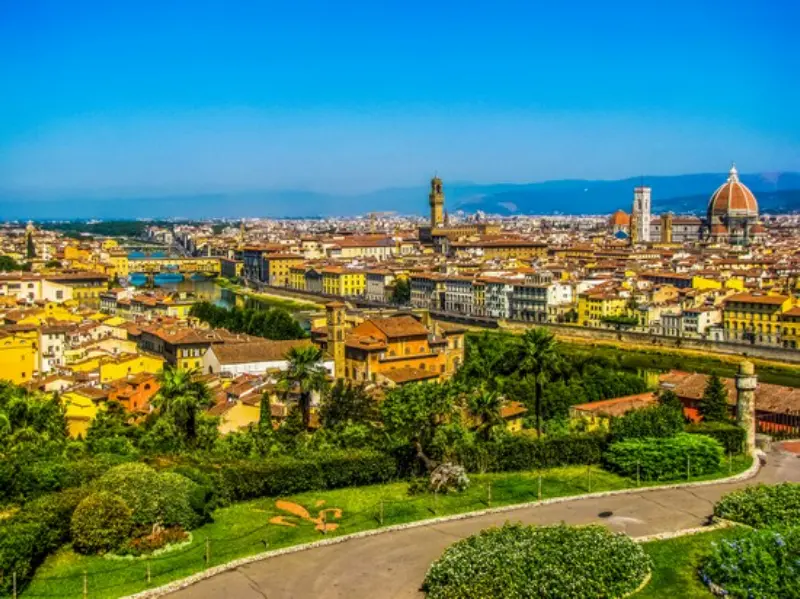
    Piazzale Michelangelo gives the classic Florence panorama: Brunelleschi’s dome, Palazzo Vecchio, Santa Croce, the Arno and Ponte Vecchio aligned below the hills. The terrace was designed in the nineteenth century by Giuseppe Poggi during the period when Florence was capital of Italy. It is spectacular, but also exposed, busy and easy to reduce to a ten-minute photo stop. The strongest visit uses the terrace as one stage in a longer hillside route that includes gardens, quiet streets and San Miniato al Monte.

    Walking up from San Niccolò

    A rewarding approach begins near the Arno in the San Niccolò area. From there, climb gradually through the ramps and hillside streets toward the Rose Garden and the piazzale. The ascent makes the skyline reveal itself in stages rather than all at once. In warm weather, start early or late in the day, carry water and accept that the climb is exercise. If anyone in the group has limited mobility, take a bus or taxi up and walk down instead.

    Piazzale Arnaldo Brescia Lombardy Northern Italy

    Rose Garden and seasonal colour

    The Rose Garden below Piazzale Michelangelo provides a quieter pause and another angle on the city. Flowering is seasonal, so do not expect the same display year-round, but the garden can still be useful as a rest point on the climb. Opening times can vary, and special gardens such as the nearby Iris Garden are seasonal rather than permanently accessible. Treat them as bonuses around the main hillside route.

    San Miniato al Monte: the reason to keep climbing

    Continue above the piazzale to San Miniato al Monte. The Romanesque basilica and cemetery occupy a commanding position over Florence, but the atmosphere is very different from the crowded terrace below. The façade, interior geometry and elevated setting make the climb feel purposeful. Because it remains an active religious site, dress and behave as you would in any church and check service times if you want a quiet visit. Even travellers who are not church-focused usually find the contrast between city noise and hilltop stillness memorable.

    Sunset strategy without wasting the whole afternoon

    Sunset draws large crowds, especially in good weather. You do not need to reserve the entire afternoon to secure a view. Arrive early enough to visit San Miniato first, then return to the piazzale with time to choose a position. In summer, sunset is late, so eat an early dinner or plan a meal afterward. In winter, the earlier light can fit easily after a museum day. Cloudy conditions can still produce dramatic skies, while intense summer haze sometimes reduces distant detail.

    Photography: where the classic frame comes from

    The best-known composition compresses the historic centre beneath the dome, but different elevations create different relationships between landmarks. Use the piazzale for the broad postcard view, then try higher points near San Miniato for a more layered skyline. Morning light and evening light behave differently across the terracotta roofs. If you only have a phone, clean the lens and expose for the bright sky rather than relying on digital zoom. The view is strong enough that technique matters less than patience.

    What to prioritize if you have less time

    If you only have a short window, protect the feature that cannot be replicated elsewhere in Florence and cut the secondary layers first. That usually means keeping the main interior or collection, then choosing one nearby outdoor space rather than adding a second large museum. Central Florence encourages over-planning because distances look short, but security lines, ticket checks, stairs, church services and simple crowd movement all consume time. A focused ninety-minute visit followed by an unhurried walk is usually more rewarding than three rushed entrances.

    Getting there and moving around

    For central Florence, walking and public transport are the practical defaults. If you arrive by train, Firenze Santa Maria Novella is within walking distance of most historic-centre sights, though luggage, summer heat and cobbles can make a taxi sensible on arrival day. Driving into the historic centre is rarely the easiest choice because of the ZTL, one-way streets and limited parking. If your accommodation offers authorised access or partner parking, obtain the exact route and licence-plate procedure before entering restricted streets. For a museum day, the simplest strategy is to leave the car outside the core and walk.

    Best time of day and best season

    For indoor Florence sights, the first part of the day is often easiest because your attention is fresh and the streets have not yet reached their afternoon density. Late opening slots can also be attractive when available, but do not assume they exist every day. Spring and autumn offer the easiest balance of daylight and walking temperatures; summer requires earlier starts, water and deliberate breaks; winter can be wonderfully quiet but brings shorter daylight and more variable schedules. Religious sites may adjust access around services, while towers and outdoor routes can change with weather.

    Where to stay

    Staying near Piazzale Michelangelo can make an early visit easy, but choose accommodation according to the whole Florence itinerary rather than one attraction. The historic centre suits first-time visitors who want to walk almost everywhere; Santa Maria Novella is convenient for train-based day trips; Oltrarno offers a more residential evening rhythm. Check lift access, air conditioning in summer and whether a room faces a noisy street or square. If you are driving, written parking and ZTL instructions matter more than being fifty metres closer to a monument.

    Food and pacing the day

    Do not let lunch become the accident that makes you late for the only timed ticket of the day. Florence restaurants and trattorias can turn a proper meal into a ninety-minute pause, which is a pleasure when planned and a problem when squeezed between reservations. If you have a fixed museum or church entry, visit first and eat afterward. For a quick meal, avoid choosing solely by proximity to the busiest monument. Walk a few streets away and look for a menu that reflects seasonality rather than a wall of photographs. Tuscan soups, crostini, fresh pasta, lampredotto, bistecca and local wines all belong to different eating occasions; you do not need to force them into one day.

    Visiting with children

    Families generally do better with one major cultural visit before lunch and an outdoor activity afterward. Give children a concrete task: find a lion, compare two sculptures, spot a Medici symbol, identify a map or count towers. That turns the visit into observation rather than endurance. Pushchairs are manageable in much of central Florence but steps, old thresholds and crowded rooms can still complicate movement. If a site offers family activities or kits, reserve them when possible; they often provide far more value than trying to translate an adult audio guide on the spot.

    Accessibility and limited mobility

    Historic Florence is compact but not automatically easy. Cobblestones, steps, narrow passages and tower climbs create very different accessibility conditions from street-level museums. Use the official accessibility information for the exact building and, if step-free access is essential, contact the site before travel. Do not assume that because a museum is accessible every optional route, terrace or historic staircase is accessible too. Taxis can reduce walking between districts when conserving energy matters.

    Useful places to combine nearby

    Choose one or two of these rather than all of them. A strong Tuscany day normally has one structured attraction with fixed hours and one open-ended neighbourhood, village or landscape stop. That leaves enough flexibility for queues, a slow meal, weather changes or an unexpected place that deserves more time.

    Common planning mistakes

    • Stacking several major museums because the map makes them look only minutes apart.
    • Relying on a screenshot of opening hours instead of checking the official site close to the visit.
    • Driving into the historic centre without understanding the ZTL and parking procedure.
    • Booking a tower, dome or outdoor route without a weather alternative.
    • Leaving no buffer for security, ticket collection, church services or simply moving through crowds.
    • Treating the surrounding piazza or neighbourhood as dead time between attractions.

    A simple itinerary that works

    Start early enough that Piazzale Michelangelo feels unhurried. Use the first part of the day for the main interior, when your attention is highest. Take a proper break afterward, then move through the surrounding district on foot rather than jumping straight into another long museum. Keep one optional stop for late afternoon: a viewpoint, church, market or riverside walk. If the main visit runs long, drop the optional stop without feeling that the day has failed.

    Official sources and what to recheck

    Historical and planning details in this guide were checked against official or institutional information available in 2026. Because the article is scheduled for later publication, recheck opening hours, admission prices, reservation rules, temporary closures, special exhibitions, religious services, transport and accessibility shortly before travel. Use the official source as the final reference when it conflicts with an old blog post or reseller page.

    The decision that makes this visit better

    The best version of Piazzale Michelangelo is not a taxi-photo-taxi stop. Build a short hillside journey around it, keep climbing to San Miniato and use sunset as the ending rather than the entire purpose of the visit.

    Last updated: October 17, 2026
  • San Lorenzo and Medici Chapels Guide: Michelangelo, Brunelleschi, Medici Tombs and Visit Planning

    San Lorenzo and Medici Chapels Guide: Michelangelo, Brunelleschi, Medici Tombs and Visit Planning

    Plan Florence’s San Lorenzo complex with Brunelleschi’s basilica, Old Sacristy, Medici Chapels, Michelangelo’s New Sacristy, Laurentian Library context and practical timing.

    San Lorenzo and Medici Chapels Guide works best when you decide what the main experience is before you arrive. This guide is designed around that decision, with realistic timing, access cautions, seasonal planning and combinations that make sense on the ground rather than on a crowded checklist.

    If this is your first visit to the area, the Florence Travel Guide explains the main sights and how to fit them into one trip.

    Best forMedici history, Michelangelo sculpture, Brunelleschi architecture and travellers who want to connect family power with Renaissance art
    Realistic timeAllow 2.5–4 hours if you visit both the Basilica of San Lorenzo and the separate Medici Chapels museum; add more if a library visit or market stop matters.
    Main planning challengeSan Lorenzo is not one ticket or one entrance. The basilica, Medici Chapels and Laurentian Library follow different management and access patterns.
    Best anchorTreat the basilica and Medici Chapels as two connected but separate visits, with a break between them if needed.

    Why San Lorenzo is really a district-sized Medici story

    The San Lorenzo area is one of the best places to understand how the Medici turned private patronage into public identity. The basilica was their preferred church, Palazzo Medici Riccardi stands nearby, the family tombs developed into the Medici Chapels, and the market district grew around the same streets. The result is not a single attraction but a cluster. Planning it as a cluster prevents the common mistake of expecting one ticket desk to unlock every important space.

    Brunelleschi’s basilica and the logic of Renaissance space

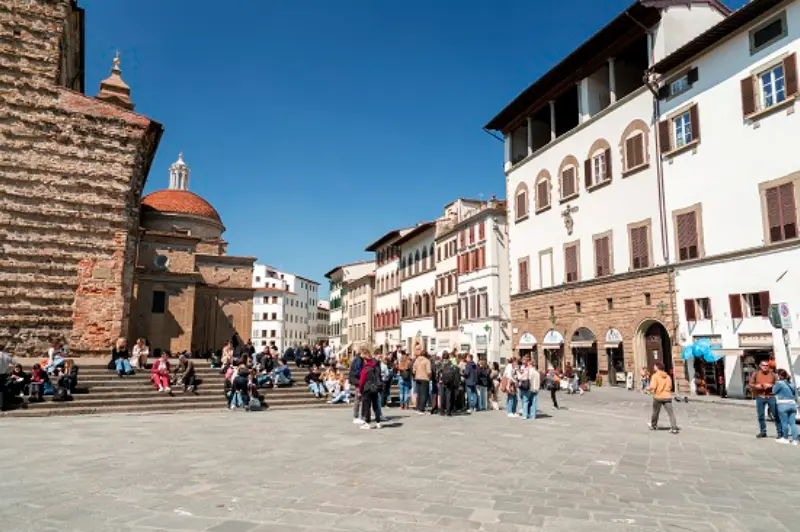
    Inside the Basilica of San Lorenzo, Brunelleschi’s architecture feels calm because proportions repeat clearly through columns, arches and modular bays. Compared with the richer surfaces of many Florentine churches, the structure itself becomes the main experience. Spend time in the nave before searching for individual artworks. The Old Sacristy, connected with Brunelleschi and Donatello, is particularly important because architecture, sculpture and Medici commemoration were designed to work together rather than as later additions.

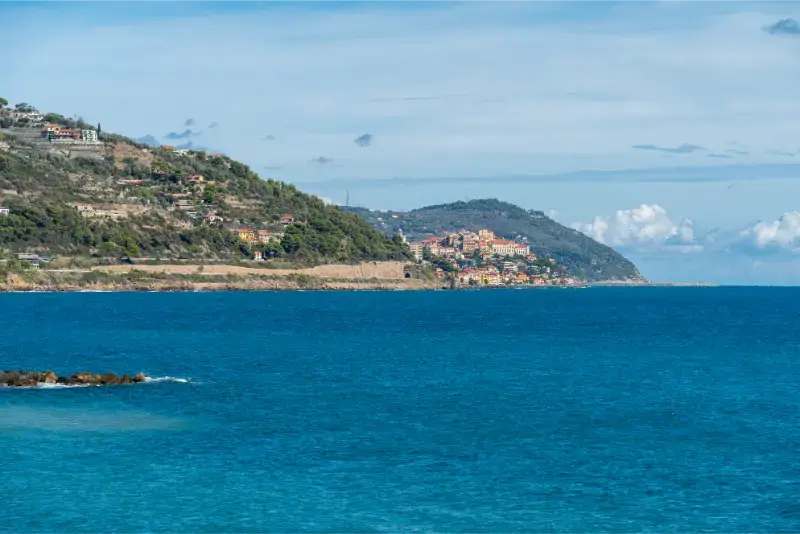
    San Lorenzo Al Mare Ligurian Coast Italy

    Medici Chapels: Chapel of the Princes and New Sacristy

    The Medici Chapels museum is entered separately from the basilica. The Chapel of the Princes is deliberately overwhelming, with coloured stone and a scale designed for dynastic display. Michelangelo’s New Sacristy is the emotional counterpoint: architecture and sculpture are more concentrated, with the tombs of Giuliano, Duke of Nemours, and Lorenzo, Duke of Urbino, accompanied by the famous personifications of Day, Night, Dawn and Dusk. Do not confuse these men with Lorenzo the Magnificent and his brother Giuliano, whose simpler memorial arrangement is also part of the space.

    Michelangelo’s secret room: why not to build the whole day around it

    A small room with charcoal drawings attributed to Michelangelo has become one of Florence’s most sought-after special visits. Access is extremely limited and follows separate reservation conditions. Treat it as a bonus if you secure a place, not as the foundation of your trip. The regular Medici Chapels route is substantial on its own. Designing a holiday around one scarce ticket often creates more disappointment than value.

    Laurentian Library and the importance of checking access

    Michelangelo designed the extraordinary vestibule and staircase of the Laurentian Library, but access is not always as simple as walking into a conventional museum. Exhibitions, scholarly use and opening arrangements can affect what visitors can see. If the library is a priority, verify the official schedule close to your date. If it is closed, the basilica and chapels still form a complete Medici-focused visit, so do not treat the day as ruined.

    Mercato Centrale and the outdoor stalls: use food as a break, not a distraction

    The San Lorenzo market area can provide a useful lunch break between cultural sites. The nineteenth-century Mercato Centrale building and surrounding shopping streets are much busier and more commercial than the basilica interiors. Decide whether you want a quick meal, food browsing or shopping, because each uses time differently. If you are visiting both the basilica and chapels, eat between them rather than rushing through the second site while hungry.

    What to prioritize if you have less time

    If you only have a short window, protect the feature that cannot be replicated elsewhere in Florence and cut the secondary layers first. That usually means keeping the main interior or collection, then choosing one nearby outdoor space rather than adding a second large museum. Central Florence encourages over-planning because distances look short, but security lines, ticket checks, stairs, church services and simple crowd movement all consume time. A focused ninety-minute visit followed by an unhurried walk is usually more rewarding than three rushed entrances.

    Getting there and moving around

    For central Florence, walking and public transport are the practical defaults. If you arrive by train, Firenze Santa Maria Novella is within walking distance of most historic-centre sights, though luggage, summer heat and cobbles can make a taxi sensible on arrival day. Driving into the historic centre is rarely the easiest choice because of the ZTL, one-way streets and limited parking. If your accommodation offers authorised access or partner parking, obtain the exact route and licence-plate procedure before entering restricted streets. For a museum day, the simplest strategy is to leave the car outside the core and walk.

    Best time of day and best season

    For indoor Florence sights, the first part of the day is often easiest because your attention is fresh and the streets have not yet reached their afternoon density. Late opening slots can also be attractive when available, but do not assume they exist every day. Spring and autumn offer the easiest balance of daylight and walking temperatures; summer requires earlier starts, water and deliberate breaks; winter can be wonderfully quiet but brings shorter daylight and more variable schedules. Religious sites may adjust access around services, while towers and outdoor routes can change with weather.

    Where to stay

    Staying near San Lorenzo can make an early visit easy, but choose accommodation according to the whole Florence itinerary rather than one attraction. The historic centre suits first-time visitors who want to walk almost everywhere; Santa Maria Novella is convenient for train-based day trips; Oltrarno offers a more residential evening rhythm. Check lift access, air conditioning in summer and whether a room faces a noisy street or square. If you are driving, written parking and ZTL instructions matter more than being fifty metres closer to a monument.

    Food and pacing the day

    Do not let lunch become the accident that makes you late for the only timed ticket of the day. Florence restaurants and trattorias can turn a proper meal into a ninety-minute pause, which is a pleasure when planned and a problem when squeezed between reservations. If you have a fixed museum or church entry, visit first and eat afterward. For a quick meal, avoid choosing solely by proximity to the busiest monument. Walk a few streets away and look for a menu that reflects seasonality rather than a wall of photographs. Tuscan soups, crostini, fresh pasta, lampredotto, bistecca and local wines all belong to different eating occasions; you do not need to force them into one day.

    Visiting with children

    Families generally do better with one major cultural visit before lunch and an outdoor activity afterward. Give children a concrete task: find a lion, compare two sculptures, spot a Medici symbol, identify a map or count towers. That turns the visit into observation rather than endurance. Pushchairs are manageable in much of central Florence but steps, old thresholds and crowded rooms can still complicate movement. If a site offers family activities or kits, reserve them when possible; they often provide far more value than trying to translate an adult audio guide on the spot.

    Accessibility and limited mobility

    Historic Florence is compact but not automatically easy. Cobblestones, steps, narrow passages and tower climbs create very different accessibility conditions from street-level museums. Use the official accessibility information for the exact building and, if step-free access is essential, contact the site before travel. Do not assume that because a museum is accessible every optional route, terrace or historic staircase is accessible too. Taxis can reduce walking between districts when conserving energy matters.

    Useful places to combine nearby

    Choose one or two of these rather than all of them. A strong Tuscany day normally has one structured attraction with fixed hours and one open-ended neighbourhood, village or landscape stop. That leaves enough flexibility for queues, a slow meal, weather changes or an unexpected place that deserves more time.

    Common planning mistakes

    • Stacking several major museums because the map makes them look only minutes apart.
    • Relying on a screenshot of opening hours instead of checking the official site close to the visit.
    • Driving into the historic centre without understanding the ZTL and parking procedure.
    • Booking a tower, dome or outdoor route without a weather alternative.
    • Leaving no buffer for security, ticket collection, church services or simply moving through crowds.
    • Treating the surrounding piazza or neighbourhood as dead time between attractions.

    A simple itinerary that works

    Start early enough that San Lorenzo feels unhurried. Use the first part of the day for the main interior, when your attention is highest. Take a proper break afterward, then move through the surrounding district on foot rather than jumping straight into another long museum. Keep one optional stop for late afternoon: a viewpoint, church, market or riverside walk. If the main visit runs long, drop the optional stop without feeling that the day has failed.

    Official sources and what to recheck

    Historical and planning details in this guide were checked against official or institutional information available in 2026. Because the article is scheduled for later publication, recheck opening hours, admission prices, reservation rules, temporary closures, special exhibitions, religious services, transport and accessibility shortly before travel. Use the official source as the final reference when it conflicts with an old blog post or reseller page.

    The decision that makes this visit better

    San Lorenzo works best as two major visits—basilica and Medici Chapels—linked by the neighbourhood outside. Separate the tickets in your mind, protect time for Michelangelo’s New Sacristy and let the market be the pause between them.

    Last updated: October 17, 2026

  • Santa Maria Novella Florence Guide: Masaccio, Ghirlandaio, Cloisters and a Better First Visit

    Santa Maria Novella Florence Guide: Masaccio, Ghirlandaio, Cloisters and a Better First Visit

    Plan Santa Maria Novella in Florence with Alberti’s facade, Masaccio’s Trinity, Giotto and Brunelleschi crucifixes, Ghirlandaio frescoes, cloisters and museum route.

    Santa Maria Novella Florence Guide works best when you decide what the main experience is before you arrive. This guide is designed around that decision, with realistic timing, access cautions, seasonal planning and combinations that make sense on the ground rather than on a crowded checklist.

    For the wider destination context behind Santa Maria Novella Florence, see our Florence Travel Guide, including sights, transport and useful planning choices.

    Best forEarly Renaissance painting, Dominican history, architecture, travellers arriving by train and anyone wanting a major Florence church with manageable crowds
    Realistic timeAllow 1.5–2 hours for the church and museum complex; add time for the square or nearby Museo Novecento.
    Main planning challengeThe church entrance and museum route can feel less intuitive than the Duomo. Opening patterns also reflect worship, so a timetable copied months earlier is not enough.
    Best anchorSee Masaccio’s Trinity and the Tornabuoni Chapel first, then continue into the cloisters and Spanish Chapel instead of stopping at the nave.

    Why Santa Maria Novella is an ideal first church in Florence

    Santa Maria Novella sits only a short walk from the main railway station, yet many visitors hurry past it toward the Duomo. That is a mistake if you want to understand how medieval Florence becomes Renaissance Florence. The Dominican basilica combines a Gothic interior with Leon Battista Alberti’s celebrated façade and a remarkable concentration of works by Giotto, Masaccio, Brunelleschi, Ghirlandaio and Filippino Lippi. It also has a museum and cloister route that makes the visit feel complete without requiring an entire morning.

    Read Alberti’s façade before going inside

    The façade is not merely decoration. Alberti completed the upper section by working with the existing medieval structure, using geometry, proportion and coloured marble to make different periods read as a unified design. Stand near the centre of the square, then move closer to see the relationship between the scrolls, pediment and lower arcades. This short pause outside gives you a useful visual language for the rest of Florence, where Renaissance architects often had to negotiate with older buildings rather than start from a blank site.

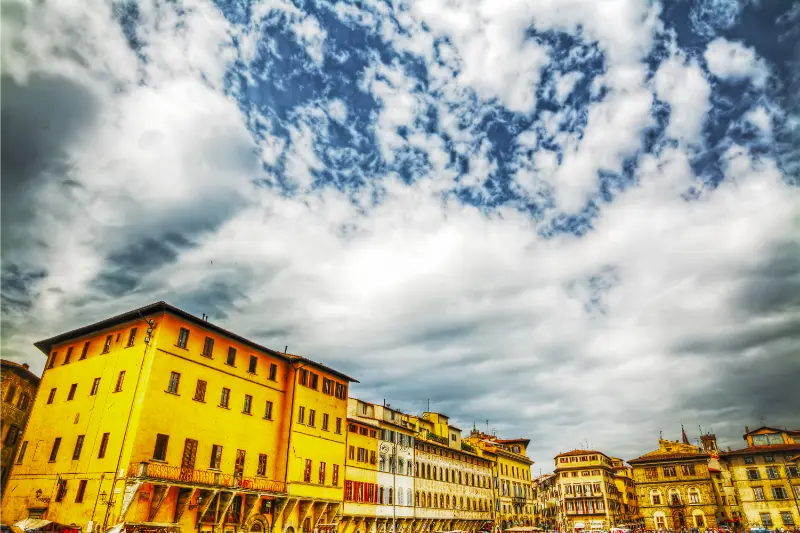
    Florence Italyseptember 10 2023Church Santa Maria Novella Italy

    Masaccio’s Trinity: a small fresco with enormous consequences

    Masaccio’s Trinity is one of the works most often used to explain linear perspective, but it is more than a textbook diagram. The painted architecture opens an illusionistic chapel inside the real wall, while the donors, sacred figures and skeleton below create a meditation on death and salvation. Step back far enough for the perspective to work. Then move closer to inspect how little physical depth actually exists. Five focused minutes here can be more memorable than trying to identify every side altar in the basilica.

    Ghirlandaio, the Tornabuoni Chapel and a Florence full of portraits

    The Tornabuoni Chapel is a highlight because Ghirlandaio’s frescoes mix sacred narratives with details and figures that evoke late-fifteenth-century Florence. The scenes reward visitors who enjoy clothing, interiors and social history as much as religious iconography. Because the chapel can attract groups, use a simple strategy: see it once quickly, continue the route, then return if the space becomes calmer. Repetition is often more effective than waiting impatiently in one crowded spot.

    Giotto and Brunelleschi: two crucifixes, two different experiences

    Santa Maria Novella preserves major crucifixes connected with Giotto and Brunelleschi. Their presence makes the church useful for comparing changing approaches to the human body, emotion and sacred space. You do not need to turn the visit into an art-history exam; simply notice how scale, posture and physical realism affect the way each work occupies the church. These comparisons create a clearer memory than a list of dates.

    Green Cloister and Spanish Chapel

    The adjacent museum complex expands the experience beyond the basilica. The Green Cloister is associated with Paolo Uccello’s frescoes, while the Spanish Chapel is covered with fourteenth-century paintings by Andrea di Bonaiuto. The cloisters also provide a quieter rhythm after the church. If you arrived in Florence by train, this is a good first major monument because you can leave luggage at your accommodation, return on foot and experience an important complex before entering the busiest Duomo zone.

    What to prioritize if you have less time

    If you only have a short window, protect the feature that cannot be replicated elsewhere in Florence and cut the secondary layers first. That usually means keeping the main interior or collection, then choosing one nearby outdoor space rather than adding a second large museum. Central Florence encourages over-planning because distances look short, but security lines, ticket checks, stairs, church services and simple crowd movement all consume time. A focused ninety-minute visit followed by an unhurried walk is usually more rewarding than three rushed entrances.

    Getting there and moving around

    For central Florence, walking and public transport are the practical defaults. If you arrive by train, Firenze Santa Maria Novella is within walking distance of most historic-centre sights, though luggage, summer heat and cobbles can make a taxi sensible on arrival day. Driving into the historic centre is rarely the easiest choice because of the ZTL, one-way streets and limited parking. If your accommodation offers authorised access or partner parking, obtain the exact route and licence-plate procedure before entering restricted streets. For a museum day, the simplest strategy is to leave the car outside the core and walk.

    Best time of day and best season

    For indoor Florence sights, the first part of the day is often easiest because your attention is fresh and the streets have not yet reached their afternoon density. Late opening slots can also be attractive when available, but do not assume they exist every day. Spring and autumn offer the easiest balance of daylight and walking temperatures; summer requires earlier starts, water and deliberate breaks; winter can be wonderfully quiet but brings shorter daylight and more variable schedules. Religious sites may adjust access around services, while towers and outdoor routes can change with weather.

    Where to stay

    Staying near Santa Maria Novella can make an early visit easy, but choose accommodation according to the whole Florence itinerary rather than one attraction. The historic centre suits first-time visitors who want to walk almost everywhere; Santa Maria Novella is convenient for train-based day trips; Oltrarno offers a more residential evening rhythm. Check lift access, air conditioning in summer and whether a room faces a noisy street or square. If you are driving, written parking and ZTL instructions matter more than being fifty metres closer to a monument.

    Food and pacing the day

    Do not let lunch become the accident that makes you late for the only timed ticket of the day. Florence restaurants and trattorias can turn a proper meal into a ninety-minute pause, which is a pleasure when planned and a problem when squeezed between reservations. If you have a fixed museum or church entry, visit first and eat afterward. For a quick meal, avoid choosing solely by proximity to the busiest monument. Walk a few streets away and look for a menu that reflects seasonality rather than a wall of photographs. Tuscan soups, crostini, fresh pasta, lampredotto, bistecca and local wines all belong to different eating occasions; you do not need to force them into one day.

    Visiting with children

    Families generally do better with one major cultural visit before lunch and an outdoor activity afterward. Give children a concrete task: find a lion, compare two sculptures, spot a Medici symbol, identify a map or count towers. That turns the visit into observation rather than endurance. Pushchairs are manageable in much of central Florence but steps, old thresholds and crowded rooms can still complicate movement. If a site offers family activities or kits, reserve them when possible; they often provide far more value than trying to translate an adult audio guide on the spot.

    Accessibility and limited mobility

    Historic Florence is compact but not automatically easy. Cobblestones, steps, narrow passages and tower climbs create very different accessibility conditions from street-level museums. Use the official accessibility information for the exact building and, if step-free access is essential, contact the site before travel. Do not assume that because a museum is accessible every optional route, terrace or historic staircase is accessible too. Taxis can reduce walking between districts when conserving energy matters.

    Useful places to combine nearby

    Choose one or two of these rather than all of them. A strong Tuscany day normally has one structured attraction with fixed hours and one open-ended neighbourhood, village or landscape stop. That leaves enough flexibility for queues, a slow meal, weather changes or an unexpected place that deserves more time.

    Common planning mistakes

    • Stacking several major museums because the map makes them look only minutes apart.
    • Relying on a screenshot of opening hours instead of checking the official site close to the visit.
    • Driving into the historic centre without understanding the ZTL and parking procedure.
    • Booking a tower, dome or outdoor route without a weather alternative.
    • Leaving no buffer for security, ticket collection, church services or simply moving through crowds.
    • Treating the surrounding piazza or neighbourhood as dead time between attractions.

    A simple itinerary that works

    Start early enough that Santa Maria Novella feels unhurried. Use the first part of the day for the main interior, when your attention is highest. Take a proper break afterward, then move through the surrounding district on foot rather than jumping straight into another long museum. Keep one optional stop for late afternoon: a viewpoint, church, market or riverside walk. If the main visit runs long, drop the optional stop without feeling that the day has failed.

    Official sources and what to recheck

    Historical and planning details in this guide were checked against official or institutional information available in 2026. Because the article is scheduled for later publication, recheck opening hours, admission prices, reservation rules, temporary closures, special exhibitions, religious services, transport and accessibility shortly before travel. Use the official source as the final reference when it conflicts with an old blog post or reseller page.

    The decision that makes this visit better

    Choose Santa Maria Novella when you want a major Florence complex that connects architecture, painting and cloister space without the logistical intensity of the Duomo. The museum route is part of the experience, not an afterthought.

    Last updated: October 17, 2026
  • Santa Croce Florence Guide: Giotto Frescoes, Famous Tombs, Pazzi Chapel and Practical Tips

    Santa Croce Florence Guide: Giotto Frescoes, Famous Tombs, Pazzi Chapel and Practical Tips

    Visit Santa Croce in Florence with Giotto’s chapels, Michelangelo and Galileo tombs, Cimabue’s Crucifix, Pazzi Chapel, cloisters and realistic timing.

    Santa Croce Florence Guide works best when you decide what the main experience is before you arrive. This guide is designed around that decision, with realistic timing, access cautions, seasonal planning and combinations that make sense on the ground rather than on a crowded checklist.

    If you are planning several stops rather than just Santa Croce Florence, start with the Florence Travel Guide for a sensible route and transport advice.

    Best forGiotto frescoes, Renaissance sculpture, major Italian tombs, Franciscan history and travellers who want church, museum and cloister in one coherent visit
    Realistic timeAllow 1.5–2.5 hours for the basilica, chapels, sacristy, Pazzi Chapel, cloisters and museum route.
    Main planning challengeSanta Croce contains much more than the famous tombs. Visitors who focus only on Michelangelo and Galileo can miss Giotto, Cimabue, Donatello, Taddeo Gaddi and the architecture of the convent complex.
    Best anchorBegin with the nave and major chapels, then make the sacristy and museum route non-negotiable rather than optional extras.

    Why Santa Croce deserves a full visit, not a tomb checklist

    Santa Croce is often introduced as the “Pantheon of Italian glories” because Michelangelo, Galileo, Machiavelli, Rossini and other famous figures are commemorated here. That description is useful but incomplete. The basilica is also one of Florence’s richest places for understanding Franciscan patronage, fourteenth-century painting and the transition toward Renaissance architecture. The strongest visit moves from the large Gothic interior to intimate frescoed chapels, then out into the cloisters and Pazzi Chapel. Think of it as a complex rather than a single church.

    Giotto in the Bardi and Peruzzi chapels

    The Bardi and Peruzzi chapels are among the key reasons art lovers come to Santa Croce. Giotto and his workshop created cycles here that reward slow looking. You do not need a specialist background to enjoy them: notice how figures occupy believable space, how faces react to events and how architecture organizes the narrative. Crowds can cluster around the best-known monuments in the nave, while the chapels feel like a different museum entirely. If frescoes matter to you, visit them before fatigue sets in.

    Parish Church Santa Croce Siusi Allo Sciliar Castelrotto Dolomites Italy

    Michelangelo, Galileo and the problem with famous names

    The monumental tombs create a powerful sense of national memory, but do not let name recognition determine the whole route. Michelangelo’s tomb by Vasari and Galileo’s monument are important partly because they reveal how later generations chose to honour cultural heroes. Compare them with quieter memorials and floor tombs to see how the church became a layered civic archive. The visit becomes richer when you ask who was commemorated, when, and by whom, rather than simply photographing inscriptions.

    Cimabue’s Crucifix and the memory of the 1966 flood

    In the sacristy, Cimabue’s Crucifix is one of the most emotionally charged works in Florence because it was severely damaged in the 1966 flood. Its surviving surface makes conservation history visible. This is a good place to discuss with children or first-time art visitors why restoration sometimes preserves damage rather than hiding it. The flood is not a side story: it changed Florence’s relationship with conservation and brought international attention to endangered artworks throughout the city.

    Pazzi Chapel, cloisters and the museum route

    The visit continues beyond the church into the convent spaces. Brunelleschi’s Pazzi Chapel is a compact lesson in Renaissance proportion and calm geometry, while the cloisters give you breathing room after the dense interior. The museum and former refectory add Taddeo Gaddi’s great Tree of Life and Last Supper composition, detached frescoes and sculpture. These spaces are why Santa Croce can comfortably fill two hours. If you are short on time, reduce the number of tombs you inspect rather than cutting the Pazzi Chapel and museum completely.

    Piazza Santa Croce and when the atmosphere changes

    The square outside is one of Florence’s great urban spaces, but its character changes with events. In June it can be transformed for Calcio Storico, with temporary seating and a very different visual experience. At other times, the broad square is ideal for stepping back to read the nineteenth-century façade and the surrounding palaces. If your visit coincides with an event, check access and crowd conditions before assuming the normal walking route will be open.

    What to prioritize if you have less time

    If you only have a short window, protect the feature that cannot be replicated elsewhere in Florence and cut the secondary layers first. That usually means keeping the main interior or collection, then choosing one nearby outdoor space rather than adding a second large museum. Central Florence encourages over-planning because distances look short, but security lines, ticket checks, stairs, church services and simple crowd movement all consume time. A focused ninety-minute visit followed by an unhurried walk is usually more rewarding than three rushed entrances.

    Getting there and moving around

    For central Florence, walking and public transport are the practical defaults. If you arrive by train, Firenze Santa Maria Novella is within walking distance of most historic-centre sights, though luggage, summer heat and cobbles can make a taxi sensible on arrival day. Driving into the historic centre is rarely the easiest choice because of the ZTL, one-way streets and limited parking. If your accommodation offers authorised access or partner parking, obtain the exact route and licence-plate procedure before entering restricted streets. For a museum day, the simplest strategy is to leave the car outside the core and walk.

    Best time of day and best season

    For indoor Florence sights, the first part of the day is often easiest because your attention is fresh and the streets have not yet reached their afternoon density. Late opening slots can also be attractive when available, but do not assume they exist every day. Spring and autumn offer the easiest balance of daylight and walking temperatures; summer requires earlier starts, water and deliberate breaks; winter can be wonderfully quiet but brings shorter daylight and more variable schedules. Religious sites may adjust access around services, while towers and outdoor routes can change with weather.

    Where to stay

    Staying near Santa Croce can make an early visit easy, but choose accommodation according to the whole Florence itinerary rather than one attraction. The historic centre suits first-time visitors who want to walk almost everywhere; Santa Maria Novella is convenient for train-based day trips; Oltrarno offers a more residential evening rhythm. Check lift access, air conditioning in summer and whether a room faces a noisy street or square. If you are driving, written parking and ZTL instructions matter more than being fifty metres closer to a monument.

    Food and pacing the day

    Do not let lunch become the accident that makes you late for the only timed ticket of the day. Florence restaurants and trattorias can turn a proper meal into a ninety-minute pause, which is a pleasure when planned and a problem when squeezed between reservations. If you have a fixed museum or church entry, visit first and eat afterward. For a quick meal, avoid choosing solely by proximity to the busiest monument. Walk a few streets away and look for a menu that reflects seasonality rather than a wall of photographs. Tuscan soups, crostini, fresh pasta, lampredotto, bistecca and local wines all belong to different eating occasions; you do not need to force them into one day.

    Visiting with children

    Families generally do better with one major cultural visit before lunch and an outdoor activity afterward. Give children a concrete task: find a lion, compare two sculptures, spot a Medici symbol, identify a map or count towers. That turns the visit into observation rather than endurance. Pushchairs are manageable in much of central Florence but steps, old thresholds and crowded rooms can still complicate movement. If a site offers family activities or kits, reserve them when possible; they often provide far more value than trying to translate an adult audio guide on the spot.

    Accessibility and limited mobility

    Historic Florence is compact but not automatically easy. Cobblestones, steps, narrow passages and tower climbs create very different accessibility conditions from street-level museums. Use the official accessibility information for the exact building and, if step-free access is essential, contact the site before travel. Do not assume that because a museum is accessible every optional route, terrace or historic staircase is accessible too. Taxis can reduce walking between districts when conserving energy matters.

    Useful places to combine nearby

    Choose one or two of these rather than all of them. A strong Tuscany day normally has one structured attraction with fixed hours and one open-ended neighbourhood, village or landscape stop. That leaves enough flexibility for queues, a slow meal, weather changes or an unexpected place that deserves more time.

    Common planning mistakes

    • Stacking several major museums because the map makes them look only minutes apart.
    • Relying on a screenshot of opening hours instead of checking the official site close to the visit.
    • Driving into the historic centre without understanding the ZTL and parking procedure.
    • Booking a tower, dome or outdoor route without a weather alternative.
    • Leaving no buffer for security, ticket collection, church services or simply moving through crowds.
    • Treating the surrounding piazza or neighbourhood as dead time between attractions.

    A simple itinerary that works

    Start early enough that Santa Croce feels unhurried. Use the first part of the day for the main interior, when your attention is highest. Take a proper break afterward, then move through the surrounding district on foot rather than jumping straight into another long museum. Keep one optional stop for late afternoon: a viewpoint, church, market or riverside walk. If the main visit runs long, drop the optional stop without feeling that the day has failed.

    Official sources and what to recheck

    Historical and planning details in this guide were checked against official or institutional information available in 2026. Because the article is scheduled for later publication, recheck opening hours, admission prices, reservation rules, temporary closures, special exhibitions, religious services, transport and accessibility shortly before travel. Use the official source as the final reference when it conflicts with an old blog post or reseller page.

    The decision that makes this visit better

    Santa Croce is best when you treat it as a basilica, fresco gallery, memorial space and convent museum in one. Give the chapels and Pazzi complex the same priority as the famous tombs.

    Last updated: October 17, 2026
  • Florence Oltrarno Guide: Santo Spirito, San Frediano, Artisan Workshops and Evening Walks

    Florence Oltrarno Guide: Santo Spirito, San Frediano, Artisan Workshops and Evening Walks

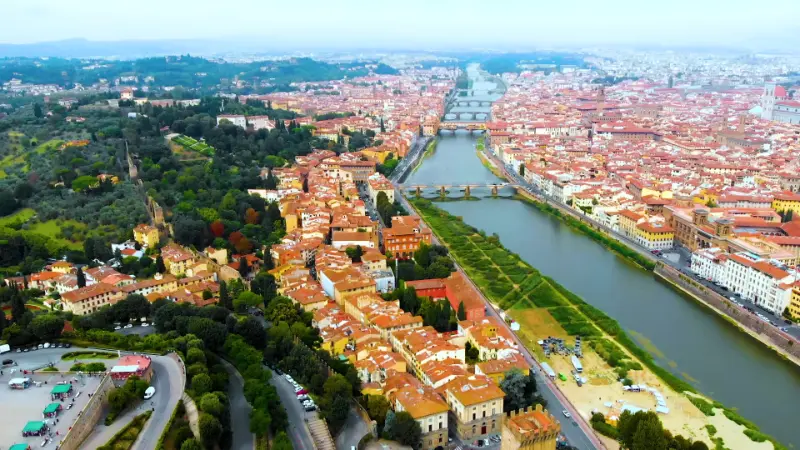
    Oltrarno is where Florence becomes easier to read as a living city rather than a sequence of museum reservations. The name simply means “beyond the Arno,” but for visitors it usually refers to a broad mix of Santo Spirito, San Frediano, San Niccolò and the streets around Palazzo Pitti. You still have major monuments here, yet the rhythm changes: artisan workshops sit behind modest doors, small squares fill in the evening, and the walk between sights is often as memorable as the sights themselves.

    At a glance

    Best forNeighbourhood atmosphere, artisans, food, gardens and evening walks
    Ideal timeHalf a day; a full day if you include Pitti and Boboli
    Best starting pointPonte Vecchio or Santa Trinita bridge
    Good evening baseSanto Spirito and San Frediano
    Official inspirationVisit Tuscany

    What counts as Oltrarno?

    Oltrarno is not a single attraction district with a clear entrance. It is the left bank of the Arno, and the visitor experience changes from east to west. San Niccolò climbs toward Piazzale Michelangelo and has a hillside feel. Santo Spirito is organised around one of Florence’s liveliest squares. San Frediano feels more residential and artisan-led. Palazzo Pitti and Boboli form the monumental centre of the area.

    For the wider destination context behind Florence Oltrarno, see our Florence Travel Guide, including sights, transport and useful planning choices.

    That variety is exactly why the neighbourhood deserves more than a quick crossing of Ponte Vecchio. If your Florence itinerary is already museum-heavy, Oltrarno is where I would deliberately leave some hours unbooked.

    A practical Oltrarno walking route

    1. Cross the Arno early

    Start from Ponte Santa Trinita if you want one of the classic views back toward Ponte Vecchio, then enter the quieter grid around Via Maggio. Crossing before the main shopping hours gives you a calmer sense of the river and the palace façades.

    Florence Italy Con Il Fiume Arno

    2. Palazzo Pitti and Boboli

    If you are visiting the palace and gardens, give them a dedicated block rather than trying to squeeze them between churches. Our Pitti and Boboli guide explains the ticket choices and walking strategy.

    3. Santo Spirito

    Brunelleschi’s Basilica di Santo Spirito anchors the square, but the neighbourhood works best when you also wander the side streets. Visit Tuscany describes Piazza Santo Spirito as one of the city’s liveliest squares, with artisans, restaurants and long-standing local gathering traditions. The church is especially interesting for its Renaissance architecture and Michelangelo association.

    4. San Frediano

    Continue west toward San Frediano for workshops, the Carmine area and a more residential street pattern. This is a good place to slow down for lunch or aperitivo rather than treating the neighbourhood as a corridor between monuments.

    5. Finish high or by the river

    For a strong final view, climb toward San Niccolò and Piazzale Michelangelo, or keep the day gentler and return along the Arno. Sunset is popular, so arrive before the final light if you want space rather than a last-minute rush.

    Artisans: what to look for without turning workshops into a theme park

    Oltrarno is associated with woodworking, restoration, metalwork, bookbinding, jewellery, leather and other crafts. The useful approach is not to hunt for a single “authentic” shop from a viral list but to notice open workshops, ask politely whether visitors are welcome, and respect spaces that are primarily workplaces. Visit Tuscany specifically highlights Santo Spirito and San Frediano for artisan traditions.

    If you want to buy something, ask about materials, where the item is made and whether the craftsperson produced it on site. A small object with a clear maker story is more meaningful than generic “Made in Italy” merchandise with no traceable origin.

    Churches and art worth slowing down for

    Santo Spirito is the obvious anchor, but the Brancacci Chapel in Santa Maria del Carmine is one of the most important Renaissance painting stops in the district. The church of Santa Felicita near Ponte Vecchio is another compact stop for art lovers. Opening rules, worship schedules and restoration work can change, so verify official sources rather than building a minute-by-minute route months ahead.

    Food and markets

    The best food strategy in Oltrarno is the same as elsewhere in Florence: avoid choosing purely by the view from the nearest landmark. Walk one or two streets away, look at menus before sitting, and decide whether you want a quick schiacciata, traditional trattoria cooking or a longer dinner. Santo Spirito is lively, but San Frediano often feels calmer for an evening meal.

    Market activity in Piazza Santo Spirito varies by day and event. Treat it as a neighbourhood feature rather than a guaranteed attraction. For the wider city food context, read our Tuscan food guide.

    Where to stay in Oltrarno

    Oltrarno is one of my preferred areas for travellers who have already decided they want to walk more and commute less. Staying around Santo Spirito or San Frediano makes evening dining easy and still keeps most central sights within walking distance. The trade-off is that some streets are noisy at night and some historic buildings have stairs, small lifts or none at all.

    See accommodation in Florence Oltrarno on Booking.com. Compare the exact street, not only the neighbourhood name, because a few hundred metres can change the gradient, noise level and walking route.

    Oltrarno with children

    Families often appreciate Oltrarno because it mixes open squares and gardens with shorter cultural stops. Boboli can provide outdoor time, but it is hilly and large, so a stroller is not automatically effortless. Combine one major monument with a square, gelato stop or garden rather than stacking churches and museums all afternoon. Our Tuscany with kids guide has more pacing ideas.

    Accessibility and heat

    The river crossings are easy, but hills become significant toward Boboli, Bardini and Piazzale Michelangelo. Summer heat changes what feels like a short walk. If mobility or stamina is limited, use taxis or buses for the uphill segment and walk downhill. Cobblestones and uneven historic surfaces also matter more than maps suggest.

    How Oltrarno fits a first Florence trip

    On a three-day visit, I would give Oltrarno one half-day plus at least one evening. That is enough to see the area as a neighbourhood rather than a background to Pitti Palace. Pair it with the major museum days described in our three-day Florence itinerary instead of trying to visit every Florence headline attraction in one continuous sweep.

    Common mistakes

    • Crossing Ponte Vecchio, photographing the river and immediately returning to the north bank.
    • Booking Pitti, Boboli and several churches back-to-back without time to walk the neighbourhood.
    • Assuming every artisan workshop is open to casual visitors.
    • Choosing dinner only on the busiest square instead of checking side streets.
    • Walking uphill to Piazzale Michelangelo at the hottest part of a summer day.

    Frequently asked questions

    Is Oltrarno worth visiting on a first trip to Florence?

    Yes. It gives a useful contrast to the Duomo-Uffizi core and contains major sights of its own, including Pitti Palace, Boboli Gardens and Santo Spirito.

    Is Oltrarno a good area to stay?

    It is excellent for travellers who like walking, neighbourhood restaurants and evening atmosphere. Check the exact street for noise, stairs and distance from the station.

    How long do I need in Oltrarno?

    Half a day works for a walk, Santo Spirito and San Frediano. Allow a full day if Pitti Palace and Boboli Gardens are included.

    Is Oltrarno far from Florence’s main sights?

    No. Ponte Vecchio directly connects it to the historic core, and most central attractions remain walkable from Santo Spirito.

    How to keep this stop in proportion within a Tuscany itinerary

    Florence Oltrarno is most rewarding when it supports the geography of your trip rather than forcing a long detour. Look at the previous night, the next night and the transport between them. If reaching this experience requires crossing Tuscany twice in one day, move it to another day or choose a closer alternative. This is especially important in summer, when parking, heat and traffic can make apparently short transfers slower than expected.

    Leave at least one flexible block every two or three days. A delayed lunch, extra museum room, weather change or unplanned village should not destroy the schedule. In Tuscany, spare time is often what allows the strongest experiences to happen naturally instead of being cut short by the next reservation.

    Budget and reservation strategy

    Separate the elements that genuinely need advance booking from the ones that benefit from spontaneity. Timed climbs, major museums, popular wineries and peak-season accommodation deserve early attention. Ordinary walks, viewpoints, many churches and local meals often do not. Over-booking creates a chain in which one delay affects the whole day.

    When comparing options, calculate the total cost of the experience rather than only the headline ticket: parking, fuel, buses, luggage storage, booking fees and the time required to reach the place can matter more than a few euros of admission. This is particularly important for families and short trips, where time is often the scarcest resource.

    A slower alternative if the day is becoming too full

    If Florence Oltrarno is competing with another major stop on the same day, shorten the list rather than shortening every experience. Keep the element that required the most planning, then protect time for a meal and an unhurried walk. A Tuscany itinerary becomes stronger when a museum, town or landscape has a clear purpose instead of serving as a photographic checkpoint between two drives.

    For travellers using public transport, recheck the final connection of the day before committing to an extra stop. For drivers, remember that parking outside historic centres, walking uphill and finding the correct ZTL-free route can add meaningful time. These margins are small on a map but decisive in real travel.

    Last updated: October 17, 2026
  • Best Day Trips from Florence: 12 Easy Tuscany Escapes by Train, Bus and Car

    Best Day Trips from Florence: 12 Easy Tuscany Escapes by Train, Bus and Car

    Florence is an excellent base for exploring Tuscany, but not every famous Tuscan place is a good day trip. Pisa, Lucca and Arezzo work naturally by train; Siena is straightforward by bus or rail with a little planning; Fiesole is almost an extension of the city; while Chianti, Val d’Orcia and combinations of small hill towns become much easier with a car or an organized excursion. The smartest choice depends less on fame and more on travel time, transport frequency and what you want your day to feel like.

    At a glance

    Easiest by trainPisa, Lucca, Arezzo, Prato and Pistoia
    Easiest by busFiesole; Siena is often convenient by direct bus
    Best with a carChianti, Val d’Orcia, Mugello and multi-village routes
    Best for artSiena, Arezzo, Pisa
    Official inspirationVisit Tuscany

    1. Siena: the classic medieval contrast

    Siena offers the strongest visual and cultural contrast with Renaissance Florence. Piazza del Campo, the cathedral complex and the dense contrade make a full day without needing to add another town. Direct buses can be convenient because they arrive closer to the historic centre than the railway station, while train travel remains possible if you prefer rail and do not mind the uphill transfer into town.

    For the wider destination context behind Best Day Trips from Florence, see our Florence Travel Guide, including sights, transport and useful planning choices.

    Use our Siena travel guide to choose two or three priorities. Trying to combine Siena, San Gimignano and Chianti independently in one public-transport day often produces more waiting than seeing. If you want all three, a car or well-designed small-group tour can make the logistics more coherent.

    2. Pisa and 3. Lucca: easy rail days

    Pisa is one of the easiest train excursions from Florence and deserves more than a photograph at the Leaning Tower. Walk from Pisa Centrale through the city to Piazza dei Miracoli so that the river, university streets and Keith Haring’s Tuttomondo become part of the day. See our Pisa guide for a route that goes beyond the Field of Miracles.

    Florence Italy Con Il Fiume Arno

    Lucca is another strong rail option, with Renaissance walls that function as a green promenade, a compact historic centre and towers that reward slower wandering. It is possible to combine Pisa and Lucca in one long day because the cities are linked by rail, but staying overnight in Lucca produces a quieter evening. Our Lucca guide explains the trade-off.

    4. Fiesole and 5. Prato: short trips when you do not want a twelve-hour day

    Fiesole sits on the hills above Florence and works especially well when you want Roman archaeology, views and a change of scale without spending half the day in transit. It is close enough for a half-day, leaving the morning or evening for Florence. Read our Fiesole guide for the archaeological area and viewpoint planning.

    Prato is underrated for visitors interested in textiles, contemporary culture and cathedral art. Frequent regional trains make it a practical alternative when Florence feels crowded. Because it receives fewer international day trippers, it also gives a more ordinary urban rhythm than the headline Tuscan towns. See our Prato guide.

    6. Arezzo and 7. Cortona: eastern Tuscany

    Arezzo is an excellent train day for Piero della Francesca, Piazza Grande and antique culture. The historic centre rises from the station but remains manageable on foot. It is one of the best choices for travellers who want major art without the same crowd pressure as Siena. Our Arezzo guide covers the core sights.

    Cortona is more complicated because the rail station is below the hill town, so a bus or taxi connection completes the journey. It can still work as a day trip, but the transport makes it less frictionless than Arezzo. If you want both places in one day, a car gives more control; otherwise choose one and enjoy it properly. See our Cortona guide.

    8. Chianti: wine country needs a transport plan

    Chianti looks close to Florence on the map, but vineyards, villages and estates are dispersed. Greve is reachable by bus, yet a full wine-country day is easiest with a car and a sober driver, a private driver, or an organized tasting tour. Do not rent a car specifically so everyone in the group can drink: transportation is part of the wine plan, not an afterthought.

    Our Chianti road-trip guide focuses on Greve, Panzano, Castellina, Radda and Gaiole. One or two tastings plus lunch is enough for most people. A rushed sequence of four wineries creates neither better wine understanding nor a safer day.

    9. San Gimignano, 10. Val d’Orcia and 11. Mugello

    San Gimignano is famous for its towers and can be reached by bus connections, but transport is less direct than Pisa or Siena. A car makes it easy to arrive early and continue to nearby countryside. Use our San Gimignano guide and avoid combining too many towns just because they appear close on a map.

    Val d’Orcia is visually extraordinary but too spread out for a simple rail excursion. Pienza, Montalcino, San Quirico and Bagno Vignoni are best treated as a road trip or overnight stay. Mugello, north of Florence, offers a different landscape of Apennine foothills, Scarperia and Lake Bilancino; parts are reachable by train, but a car makes the rural pieces easier. Compare Val d’Orcia and Mugello before choosing.

    12. The coast: possible, but choose the right objective

    Pisa and Livorno are straightforward by train, while beaches farther south can require local connections or a car. A summer day at the sea can be refreshing, but beach traffic and return schedules matter. For a dedicated coastal holiday, moving your base is usually better than commuting from Florence for several days.

    If the sea is your priority, read our Tuscany beaches guide and the Etruscan Coast guide. Florence is a brilliant art-city base; it does not need to be the base for every landscape in the region.

    Getting there and moving around

    Use Firenze Santa Maria Novella as the rail reference point and verify schedules on the day before travel. Regional trains usually do not require the same advance planning as high-speed services, but strikes, engineering works and seasonal timetables can affect the day. For buses, confirm the correct stop in Florence and the return timetable before leaving, not after arriving in a small town.

    Where to stay

    If you plan three or more day trips, staying near Santa Maria Novella can simplify early departures. If your trip is mainly Florence with only one excursion, choose the neighbourhood you actually want to experience in the evening. Compare options on Booking.com rather than sacrificing every night for a ten-minute morning advantage.

    Food and meal planning

    One reason to choose a single destination is lunch. Siena, Lucca, Arezzo and the smaller towns all have local dishes and markets that disappear when you spend the day racing for connections. Treat food as part of the itinerary; our Tuscan food guide helps match dishes to different parts of the region.

    Best time to visit

    Spring and autumn are comfortable for city and hill-town days, while summer demands earlier starts and more shade. Winter can be excellent for art cities but brings shorter daylight and thinner rural schedules. Wine and harvest seasons add atmosphere in the countryside but can also increase demand for accommodation and tastings.

    A realistic itinerary

    For a five-night Florence stay, choose at most two day trips: for example Siena plus Lucca, or Arezzo plus a Chianti day. Keep at least two full days for Florence itself. If you want Val d’Orcia, Maremma or several villages, shift to a second base instead of repeatedly returning to the city.

    Mistakes to avoid

    The classic mistake is measuring distance instead of door-to-door time. A place forty kilometres away may require multiple buses, while a city farther away on a direct train can be easier. Another mistake is booking the return too tightly after a winery, museum or lunch. Leave margin and always know the last practical route back.

    Continue planning your Tuscany trip

    Frequently asked questions

    What is the easiest day trip from Florence?

    Pisa, Lucca, Arezzo and Prato are among the easiest by train; Fiesole is the shortest overall.

    Can you visit Siena and San Gimignano in one day?

    Yes with a car or organized transport, but independent public transport makes the day more fragmented.

    Do I need a car for Chianti?

    Not for every village, but a car, driver or organized tour makes winery visits much easier and safer.

    Is Val d’Orcia a good day trip from Florence?

    It can be, but it is a long driving day. An overnight base in or near the valley produces a much better experience.

    Official information

    For current visitor information, use the official source before travelling.

    Opening hours, ticket rules, transport schedules and access conditions can change. Check the official operator close to your travel date, especially for timed-entry attractions, seasonal buses, ferries and special events.

    Planning the wider trip around this experience

    Tuscany rewards geographical discipline. Keep Florence and its close day trips together, central Tuscany around Siena and Val d’Orcia together, and the western coast or islands as separate travel zones. Repeatedly crossing the region for one famous stop creates more driving, station time and parking than most first-time itineraries anticipate. A slower route also makes restaurant reservations, weather changes and spontaneous stops easier to absorb without damaging the rest of the trip.

    Leave at least one flexible block every two or three days. It can become a longer museum visit, a market, a swim, an unplanned village, a rest at the hotel or simply time lost to transport. This margin is not empty time: it is what turns an itinerary from a timetable into a holiday. If you are choosing between one extra destination and one extra night in a place you already care about, the extra night is often the more rewarding choice.

    Last updated: October 17, 2026

  • Uffizi Gallery Guide: Tickets, Masterpieces and How to Plan Your Visit

    Uffizi Gallery Guide: Tickets, Masterpieces and How to Plan Your Visit

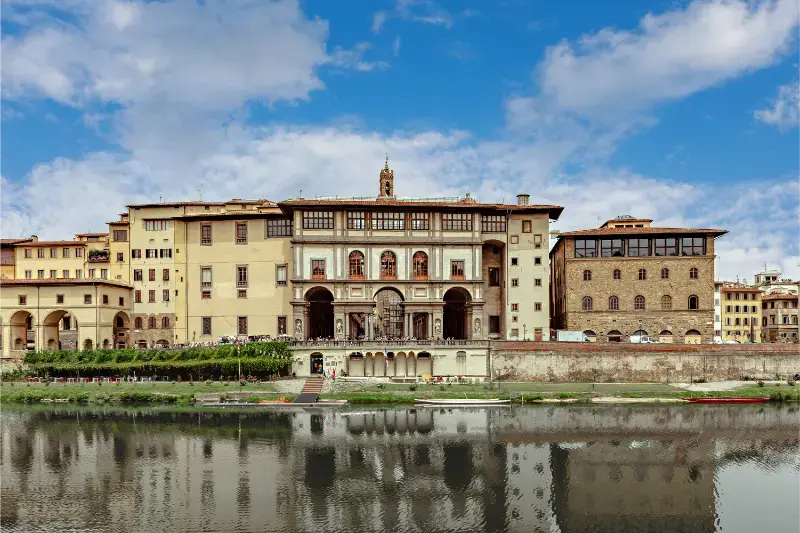
    The Uffizi is one of those museums where poor planning can turn world-class art into corridor fatigue. The solution is not to memorize every room before you arrive, but to know what period matters most to you, reserve a sensible entrance time and leave enough energy to look slowly at a limited number of works. Botticelli, Leonardo, Michelangelo, Raphael, Titian and Caravaggio are not a checklist; they are anchors for understanding how Italian painting changed across centuries.

    At a glance

    Ideal visit2.5–4 hours for most first-time visitors
    2026 regular hoursTuesday–Sunday, 8:15–18:30; last entry 17:30
    ClosedMondays, 1 January and 25 December, subject to special openings
    2026 full ticketOfficial site lists €25 same-day or €29 advance purchase; afternoon promotion may apply
    Official informationUffizi Galleries

    Book the right ticket, not just any ticket

    The official Uffizi site lists a named single ticket and several combined options, including a five-day PassePartout for the Uffizi, Pitti Palace and Boboli Gardens. In 2026, the standard full ticket is listed at €25 when purchased on the day and €29 when purchased in advance. An afternoon offer introduced for 2026 reduces the price for entries from 16:00, which can be useful for experienced museum visitors who are comfortable with a shorter window.

    For a fuller understanding of the surrounding area, use our Florence Travel Guide alongside these more focused recommendations.

    For a first visit, a normal reserved entry is usually the simplest choice. Buy through the official channel if possible and treat the entrance time as fixed. Special openings and temporary restrictions do occur; for example, extreme heat and major events have produced exceptional access rules in 2026. Check again a few days before the visit rather than assuming the conditions from the day you booked are unchanged.

    How to choose what to see

    The Uffizi collection ranges far beyond the handful of paintings reproduced on souvenirs. A first route can follow the development of Tuscan and Italian painting from medieval altarpieces through the early Renaissance, Botticelli’s mythological works, Leonardo’s experiments, the High Renaissance and later rooms. This chronological logic gives the famous works context and reduces the temptation to sprint between only the most photographed canvases.

    Florence Circa Tribuna Room First Nucleus Uffizi Gallery Italy

    Before entering, choose perhaps six to ten works or artists you care about. The Birth of Venus and Primavera attract intense attention, but the experience becomes richer when you also notice changes in spatial construction, portraiture, light and human expression around them. If a room is crowded, move on and return later rather than forcing yourself into a wall of phones.

    Botticelli without the crush

    Botticelli’s rooms are among the natural pressure points of the museum. Arriving early helps, but the bigger advantage is psychological: accept that you may need to circle back. Stand away from the central crowd first, look at less famous works, and wait for the room to breathe. Seeing Primavera from a little distance can reveal composition better than fighting for the front row.

    The Uffizi works best when you alternate concentration with recovery. Windows and corridors provide views over the Arno, Palazzo Vecchio and the historic centre, giving your eyes a break from dense galleries. This is not wasted time. Museum fatigue reduces what you remember, so a five-minute pause often improves the next thirty minutes of looking.

    Leonardo, Michelangelo, Raphael and beyond

    The museum lets you compare artists who are often studied separately. Leonardo’s early work shows experimental observation and atmosphere; Michelangelo’s Doni Tondo brings sculptural bodies into painting; Raphael demonstrates a different balance of clarity and grace. Later rooms add Venetian colour and dramatic Baroque approaches, helping the visit move beyond the simplified idea that the Renaissance was one uniform style.

    Do not worry if temporary loans or rearrangements change the exact sequence. The Uffizi regularly carries out restoration and display work, and the official site publishes notices about rooms or works that may be unavailable. Build your visit around themes and artists rather than a rigid room-by-room script copied months earlier.

    The Vasari Corridor: understand the option before buying

    The reopened Vasari Corridor is now tied to specific ticketing and reservation conditions. The official 2026 ticket page lists a combined Uffizi + Vasari Corridor ticket with a mandatory reservation and entry to the Uffizi two hours before the corridor time. This can be a fascinating addition for repeat visitors or architecture lovers, but it also makes the day more structured.

    Do not add the corridor simply because it sounds exclusive. If this is your first morning in Florence, the main Uffizi collection may already be enough. Travellers with only two or three days often gain more from leaving time for the Duomo complex, Oltrarno or a relaxed walk than from stacking every available museum product into the same schedule.

    A practical museum rhythm

    Eat before entering, carry only what is permitted and use the facilities before the densest part of the route. Groups, school visits and temporary exhibitions can change the flow. If you are travelling with children or a companion who is less interested in art, agree in advance on the works you will prioritize and a maximum visit length.

    Photography rules, baggage rules and group requirements can change, so read the visitor regulations on the official website. Accessibility information is also published by the museum. The important planning principle is to remove preventable friction before arrival so that your attention inside is reserved for the art rather than logistics.

    Getting there and moving around

    The Uffizi sits beside Piazza della Signoria and the Arno in the pedestrian core of Florence. It is an easy walk from the Duomo, Ponte Vecchio and Santa Croce. From Santa Maria Novella station, walking is often simpler than using local transport if you have light luggage. Avoid scheduling a rental-car pickup before or immediately after the museum because central ZTL and parking logistics add unnecessary pressure.

    Where to stay

    The historic centre is convenient for an early Uffizi entry, while Oltrarno works well if you want quieter evenings and easy access across Ponte Vecchio. Santa Maria Novella can be practical for rail-heavy itineraries. Compare central accommodation on Booking.com and pay attention to elevators, stairs, street noise and air conditioning rather than choosing only by straight-line distance.

    Food and meal planning

    A museum morning pairs well with a simple lunch around Sant’Ambrogio, Santa Croce or Oltrarno rather than the most crowded stretch beside the gallery. Try ribollita, pappa al pomodoro, crostini, lampredotto or a seasonal pasta depending on appetite and time. See our Tuscan food guide for a regional overview before assuming bistecca is the only Florentine meal worth seeking.

    Best time to visit

    Tuesday through Thursday mornings often feel easier than peak weekend periods, but Florence has few truly quiet museum days. Summer heat can make an indoor visit attractive to everyone at once. Reserve the time that fits your itinerary, then arrive rested. Late-day tickets can offer value in 2026, but only if the shorter available visit suits the depth you want.

    A realistic itinerary

    For a balanced Florence day, visit the Uffizi in the morning, take a real lunch break, then cross the Arno for Santo Spirito, Palazzo Pitti exterior spaces or a walk toward Piazzale Michelangelo. Put the Duomo on another half-day. This spacing follows the approach in our Florence travel guide: one major museum plus street-level Florence is usually more memorable than three major museums without daylight.

    Mistakes to avoid

    The biggest mistakes are arriving without a plan, trying to see every room equally, booking another major museum immediately afterwards, and buying a ticket from a reseller without checking the official alternative. Also avoid treating the last hour before closing as equivalent to a full visit unless you already know exactly what you want to see.

    Continue planning your Tuscany trip

    Frequently asked questions

    How long do you need at the Uffizi?

    About 2.5–4 hours works well for most first-time visitors. Art specialists can easily stay longer.

    Is advance booking worth it?

    Yes when your Florence dates are fixed, particularly in busy months, because it protects the rest of your day from an uncertain queue.

    Can I see the Uffizi and Accademia on the same day?

    Yes, but it is better to separate them with lunch and outdoor time instead of scheduling them back-to-back.

    Is the Uffizi suitable for children?

    It can be if you shorten the route and choose a small number of paintings with stories, rather than expecting children to follow an adult-length museum marathon.

    Official information

    For current visitor information, use the official source before travelling.

    Opening hours, ticket rules, transport schedules and access conditions can change. Check the official operator close to your travel date, especially for timed-entry attractions, seasonal buses, ferries and special events.

    Planning the wider trip around this experience

    Tuscany rewards geographical discipline. Keep Florence and its close day trips together, central Tuscany around Siena and Val d’Orcia together, and the western coast or islands as separate travel zones. Repeatedly crossing the region for one famous stop creates more driving, station time and parking than most first-time itineraries anticipate. A slower route also makes restaurant reservations, weather changes and spontaneous stops easier to absorb without damaging the rest of the trip.

    Leave at least one flexible block every two or three days. It can become a longer museum visit, a market, a swim, an unplanned village, a rest at the hotel or simply time lost to transport. This margin is not empty time: it is what turns an itinerary from a timetable into a holiday. If you are choosing between one extra destination and one extra night in a place you already care about, the extra night is often the more rewarding choice.

    Last updated: October 17, 2026

  • Florence Duomo Guide: Cathedral, Brunelleschi’s Dome, Bell Tower and Passes

    Florence Duomo Guide: Cathedral, Brunelleschi’s Dome, Bell Tower and Passes

    The Duomo is not one attraction but a compact group of monuments that can easily consume half a day if you plan it properly. Santa Maria del Fiore, Brunelleschi’s Dome, Giotto’s Bell Tower, the Baptistery, Santa Reparata and the Opera del Duomo Museum all tell different parts of Florence’s religious and artistic history. The biggest mistake is arriving in Piazza del Duomo, seeing the cathedral façade and then trying to improvise a climb after the best time slots are gone.

    At a glance

    Ideal time3–5 hours; longer if you climb both Dome and Bell Tower
    Best forArchitecture, Renaissance history, viewpoints and first-time Florence trips
    Reservation priorityBook the Dome first if it is essential to you
    2026 ticket systemBrunelleschi, Giotto and Ghiberti passes are valid for 3 calendar days
    Official ticketsOpera di Santa Maria del Fiore

    Start by understanding the complex

    The Cathedral of Santa Maria del Fiore is the visual centre, but the story makes more sense when you treat the piazza as one museum spread across several buildings. The free cathedral interior gives you the scale of the church; Santa Reparata below reveals the earlier basilica; the Baptistery connects medieval Florence to the Renaissance doors; and the museum contains original sculpture and architectural material that is easy to miss if you focus only on the climb.

    Our Florence Travel Guide is helpful if you want to see how Florence Duomo fits beside the main local sights and neighbourhoods.

    This matters because the most satisfying sequence is not always the most obvious one. If you have a timed Dome slot, build the rest of the visit around it. If you are not climbing, begin with the museum or Baptistery while queues are shorter, then enter the cathedral later. The monuments are close enough to walk between in minutes, but security lines and vertical climbs create the real time cost.

    Piazza del Duomo And Cathedral Santa Maria del Fiore Florence Italy

    Which pass should you choose in 2026?

    The official ticket system currently offers three main passes. The Brunelleschi Pass includes the Dome, Bell Tower, Museum, Baptistery and Santa Reparata; the Giotto Pass excludes the Dome; and the Ghiberti Pass focuses on the Museum, Baptistery and Santa Reparata. All three are valid for three calendar days from the selected date, which is useful if you do not want to turn one morning into an endurance test.

    As of September 2026, the official price page lists the Brunelleschi Pass at €30 full price, Giotto Pass at €20 and Ghiberti Pass at €15, with reduced and free categories. The cathedral itself remains free and does not require a ticket, although entry is subject to security and religious use. Prices and conditions can change, so use the official ticket site rather than a screenshot or an old blog post when you buy.

    Climbing Brunelleschi’s Dome

    The Dome is the most distinctive experience because the route passes between the two shells of Brunelleschi’s structure before reaching the outdoor viewpoint. There are 463 steps and no elevator. The staircases narrow, curve and become physically demanding; people with claustrophobia, vertigo, heart or mobility issues should think carefully before booking rather than assuming it is a normal tower visit.

    Your Dome time is the anchor of the Brunelleschi Pass and must be respected. Arrive early enough for baggage and security procedures, but do not treat the climb as a race. The close view of Vasari and Zuccari’s Last Judgment is part of the experience, and the final panorama works best when you already understand the street plan below. A morning slot can help with summer heat, while late afternoon often gives softer light.

    Giotto’s Bell Tower: similar view, different experience

    Giotto’s Campanile has its own long staircase and terraces that gradually open views over the cathedral and Florence. The major photographic advantage is obvious: from the Bell Tower you can see the Dome itself, while from the Dome you are standing on the city’s most famous roof. If you have the energy, doing both creates complementary perspectives, but most visitors do not need two demanding climbs on the same day.

    Current 2026 information notes that restoration work can partially reduce views from the Bell Tower even while the top terrace remains accessible, and maintenance closures are scheduled for specific dates. Check the official service page before deciding which climb matters more. Families should also consider whether children are comfortable with long stairs, heights and a route that cannot be shortened once you are committed.

    Do not skip the Opera del Duomo Museum

    The museum is the calmest place to understand what you have just seen outside. It preserves original works made for the cathedral complex, including sculptures by major Renaissance masters, and its reconstruction of the medieval façade helps visitors imagine a Florence that no longer exists. Because it is indoors and climate controlled, it is also a useful midday stop in hot weather.

    Give the museum at least an hour if art and architecture interest you. It is particularly valuable after the Baptistery because many original elements have been moved for conservation. Visitors who only photograph the façade and climb the Dome often leave with the most dramatic view but the least context; the museum fixes that imbalance.

    Baptistery and Santa Reparata

    The octagonal Baptistery of San Giovanni is one of Florence’s oldest monumental buildings and helps explain why the square mattered before the cathedral reached its present form. Restoration can affect what is visible inside; in 2026 the official ticket information warns that the vault mosaics are under restoration. That is a reason to check current conditions, not necessarily to skip the building, because the architecture and wider complex remain significant.

    Santa Reparata lies beneath the cathedral and reveals archaeological layers from the earlier church. It is less visually famous than the Dome but often more memorable for travellers interested in how cities accumulate history. Pairing these quieter spaces with one major climb produces a more balanced visit than spending all your energy in queues.

    Getting there and moving around

    Piazza del Duomo sits in the historic centre and is best reached on foot from most central accommodation. Firenze Santa Maria Novella station is roughly a 10–15 minute walk for many travellers, depending on luggage and route. Do not drive into the centre for this visit: ZTL restrictions, parking and traffic add stress without saving useful time.

    Where to stay

    For a first trip, staying between Santa Maria Novella, San Lorenzo, Duomo, Santa Croce or the edge of Oltrarno keeps the complex walkable while leaving restaurants and evening streets nearby. A room directly on the piazza can be atmospheric but may also bring early bells, crowds and higher prices. Compare central options on Booking.com and check lift access if stairs are an issue.

    Food and meal planning

    Avoid building the visit around a rushed sit-down lunch between timed climbs. A schiacciata, lampredotto sandwich or simple bakery stop can be practical, then save a longer meal for after the last reservation. For a broader introduction to regional dishes, connect this day with our Tuscan food guide rather than treating the most central restaurant signs as a reliable definition of local cooking.

    Best time to visit

    Florence is busiest from spring through early autumn, and the Duomo square is busy almost every day. The best strategy is not searching for an empty piazza but securing the time-sensitive element first, then spreading the remaining monuments across the three-day validity of the pass. In summer, put climbs early; in winter, build around shorter daylight and possible maintenance periods.

    A realistic itinerary

    A strong sequence is Museum first, then Baptistery, a break, and your timed Dome climb. Visit the free cathedral interior and Santa Reparata when their opening pattern fits. If you also want Giotto’s Bell Tower, place it on a different day unless you are genuinely comfortable with hundreds more steps. Combine the visit with our Florence travel guide rather than squeezing Uffizi, Accademia and the Duomo into one exhausting morning.

    Mistakes to avoid

    The common errors are buying from an unofficial reseller without understanding what is included, missing the named time slot, carrying luggage that must be stored, scheduling both major climbs back-to-back and assuming the cathedral interior is the only thing worth seeing. Another mistake is planning the Duomo as a thirty-minute photo stop: the square rewards context, and the museum is where much of that context becomes clear.

    Continue planning your Tuscany trip

    Frequently asked questions

    Is Florence Cathedral free?

    Yes. The cathedral itself currently has free access without a ticket, while the other monuments require the appropriate pass.

    Is the Dome climb difficult?

    It involves 463 steps, narrow passages and no elevator, so it is physically demanding and unsuitable for some visitors.

    Do I need both the Dome and Bell Tower?

    No. They offer different views, but one climb is enough for many travellers, especially in hot weather or on a short trip.

    How far in advance should I book?

    Book as soon as your Florence dates are firm if the Dome is a priority, because the timed slots are the least flexible part of the complex.

    Official information

    For current visitor information, use the official source before travelling.

    Opening hours, ticket rules, transport schedules and access conditions can change. Check the official operator close to your travel date, especially for timed-entry attractions, seasonal buses, ferries and special events.

    Last updated: October 17, 2026

  • Florence Travel Guide: Art, Neighbourhoods, Food and How to Plan Your Days

    Florence Travel Guide: Art, Neighbourhoods, Food and How to Plan Your Days

    Florence is compact enough to cross on foot and dense enough to occupy a week. The challenge is not finding things to see; it is deciding how many major interiors to reserve, when to leave the museum core, and how to protect time for neighbourhoods, markets, food and the river. A successful first visit treats the Uffizi, Accademia and Duomo as anchors rather than as the entire city.

    At a glance

    Ideal first stay3 nights / 2–3 full days
    Best forRenaissance art, architecture, food, walkable neighbourhoods
    Main booking prioritiesUffizi, Accademia and any Duomo climb you consider essential
    Car needed?No; avoid driving into the historic centre
    Official planningVisit Tuscany – Florence

    How many days do you need in Florence?

    For a more detailed plan, our Fiesole Day Trip from Florence develops this part of the journey step by step.

    Two full days cover the essentials at a brisk but reasonable pace; three allow Oltrarno, Pitti/Boboli or a slower food-and-neighbourhood day. If you already have a detailed schedule, compare it with the three-day Florence itinerary. The city looks small on a map, but museum queues, security, church opening patterns and time spent simply walking through the centre add up.

    For a broader Tuscany itinerary, see the Tuscany travel guide before deciding which destinations to combine with Florence Travel.

    One night is possible only if Florence is a stop on a larger rail journey and you accept strong prioritisation. A week can also work because the city makes an excellent base for rail day trips, but do not commute from Florence to every rural destination. Chianti and the Val d’Orcia become easier once you move bases.

    Book the Uffizi before building the rest of the day

    The Uffizi is the museum most likely to dictate your schedule. Check the official Uffizi ticket page for current prices, opening information and the official booking route. In 2026 the museum also offers different ticket products and time-sensitive promotions, so verify the option that matches your date rather than relying on an old screenshot or blog price.

    Florence Italy Con Il Fiume Arno

    Allow at least two hours if Renaissance painting is a central reason for your trip, and longer if you prefer slow museum visits. Avoid placing another major museum immediately after it. A walk through Piazza della Signoria, lunch or time by the Arno provides useful visual and mental contrast.

    Accademia: go for David, stay for context

    Michelangelo’s David is the obvious reason most people reserve the Galleria dell’Accademia, but the visit becomes more interesting when you also look at the unfinished Prisoners and the museum’s broader collection. Timed entry is useful in high season because the queue can otherwise consume a disproportionate part of a short stay.

    Do not schedule Accademia and Uffizi simply because they are both museums. Place one in the morning and the other on a different half-day if possible. That leaves room for churches, markets and outdoor spaces instead of turning Florence into a sequence of galleries.

    The Duomo complex needs a strategy

    For a closer look at this side of the destination, read our Florence Duomo Guide.

    The Cathedral of Santa Maria del Fiore dominates the city, but the ‘Duomo’ experience is actually several places: cathedral, baptistery, bell tower, dome climb and museum. Decide whether climbing Brunelleschi’s dome is a priority before buying a pass. The climb involves many steps, confined spaces and timed access, so it is not the right choice for every traveller.

    The Opera del Duomo Museum is easy to underestimate. It provides historical context and original works that make the architecture outside easier to understand. If you enjoy art history, it can be more rewarding than adding another viewpoint merely because it appears on a checklist.

    Piazza della Signoria and the civic centre

    Walk from the Duomo toward Piazza della Signoria slowly. The streets between them hold layers of Florence’s political and commercial history, and the square itself is an open-air introduction to Palazzo Vecchio and the Loggia dei Lanzi. It is also one of the best places to understand how closely art and civic power were linked.

    Palazzo Vecchio deserves an interior visit if political history, Medici Florence or monumental rooms interest you. If time is limited, the square and exterior still work as a meaningful stop. Avoid turning every landmark into a ticketed interior; Florence is strongest when indoor and outdoor time alternate.

    Cross the Arno and give Oltrarno real time

    For a more detailed plan, our Florence Oltrarno Guide develops this part of the journey step by step.

    Many first-time itineraries cross Ponte Vecchio, photograph the bridge and immediately return. Instead, continue into Oltrarno. Santo Spirito, artisan workshops, quieter lanes and local restaurants offer a different rhythm from the museum core. Palazzo Pitti and the Boboli Gardens can fill much of a half-day if court history and gardens appeal.

    Oltrarno is also a strong place to stay when you want evenings that feel slightly removed from the busiest central corridors. The trade-off is a little extra walking for early museum entries north of the river. In a city this compact, that can be a benefit rather than a burden.

    Piazzale Michelangelo: the famous view, with a better plan

    For a closer look at this side of the destination, read our Pitti Palace and Boboli Gardens Guide.

    Piazzale Michelangelo gives the classic skyline of the Duomo, Palazzo Vecchio and the Arno. Sunset is popular and can be crowded, so consider early morning or arrive well before the light changes. Continue a little higher to San Miniato al Monte for a quieter architectural stop and another perspective.

    Walking uphill is manageable for many travellers but can feel strenuous in heat. Buses or taxis can reduce the climb. If you walk down, choose a route through the rose-garden side or toward San Niccolò rather than simply retracing the road.

    Where to eat without chasing one famous address

    To explore local dishes and food stops in more detail, use our Tuscan Food Guide.

    Florentine food is easier to enjoy when you focus on types of places and dishes rather than a single viral restaurant. Markets, traditional trattorie and neighbourhood bakeries can all be useful. Bistecca alla fiorentina is designed for sharing and is normally served rare; ask questions before ordering if that style does not suit you.

    Try ribollita, pappa al pomodoro, crostini and seasonal vegetables as well as meat-focused dishes. Lampredotto is a traditional street-food choice for travellers interested in offal. If you have dietary restrictions, use the practical phrases in the Italy food-allergy guide rather than assuming every traditional dish is straightforward.

    Where to stay in Florence

    If choosing a base is the next step, our Where to Stay in Tuscany compares the options in more detail.

    For a first visit, the historic centre offers maximum convenience but also the highest pressure and potentially more street noise. Santa Maria Novella is useful for train connections; Santa Croce is lively; Oltrarno has atmosphere and good evening options. Compare current accommodation through Booking.com and check whether breakfast, lift access and air conditioning matter to you.

    Do not choose a hotel only by walking distance to the Duomo. Florence is compact, and being ten or fifteen minutes farther away can produce a calmer stay. Read recent reviews specifically for noise, stairs and room temperature because historic buildings vary widely.

    Getting around: walking beats almost everything

    Most central sightseeing is best on foot. Wear shoes that handle stone paving and expect more walking than the map suggests because you will repeatedly stop, detour and cross squares. Public buses and trams are most useful for arriving from outer accommodation, reaching the airport, or reducing steep climbs.

    If Florence is part of a larger rail itinerary, the train travel in Italy guide explains station and ticket basics. Santa Maria Novella is close enough to the centre that a taxi is often unnecessary unless you have heavy luggage or mobility constraints.

    Do not drive into central Florence

    Florence has a restricted-traffic system that can create expensive mistakes for visitors. If you are collecting a rental car for Tuscany, arrange pickup when you are ready to leave the city and follow the driving in Italy guide. Do not follow a navigation app blindly into a ZTL.

    Hotels inside restricted zones may have procedures for guest vehicle registration, but those procedures must be confirmed directly with the property. For a city stay, a car generally adds cost without improving the experience.

    Day trips from Florence: choose the easy ones

    For routes, tickets and the practicalities of getting around, consult our Best Day Trips from Florence.

    By train, Pisa, Lucca and Arezzo are straightforward candidates. Siena can also work but bus and station geography require more attention. San Gimignano has no railway station and is better approached by bus, tour or car. Rural Chianti is possible without driving, but a guided excursion can be more efficient if wine tasting is the goal.

    Do not spend all three Florence days outside Florence. If you only have two or three nights, stay in the city and save broader Tuscany for a future or longer trip. Day trips are valuable when they add contrast, not when they replace the destination you are sleeping in.

    Florence with children

    With children, reduce museum density and add open spaces. The Boboli Gardens, riverside walks, simple food stops and the excitement of seeing the Duomo from changing angles can break up formal sightseeing. The broader Italy with kids guide covers pacing, meals and transport.

    Choose one major booked attraction per half-day and keep a backup plan for fatigue. Tower and dome climbs require careful attention to age, fitness and comfort with confined stairways. A shorter, enjoyable day is better than forcing a complete adult itinerary.

    A balanced three-day shape

    Day one can focus on the Duomo area, Piazza della Signoria and the Arno. Day two can anchor around the Uffizi, then move into Oltrarno and end at a viewpoint. Day three can use the Accademia in the morning, followed by a market, Santa Croce or Pitti/Boboli depending on interests.

    This is deliberately flexible. Use our crowd-avoidance guide to shift popular outdoor sights to early morning or evening, and our booking guide to decide which timed entries genuinely need advance purchase.

    Best time to visit

    For a more detailed plan, our Accademia Gallery Florence Guide develops this part of the journey step by step.

    For a more detailed plan, our Uffizi Gallery Guide develops this part of the journey step by step.

    Florence is a year-round cultural destination, but the experience changes sharply with heat and crowd levels. Spring and autumn often balance daylight and walking comfort; midsummer can make outdoor queues and uphill viewpoints tiring. Winter can be excellent for museums, with shorter daylight and the possibility of seasonal closures or maintenance.

    Whatever the season, verify official opening times a few days before arrival. Temporary exhibitions, religious dates, strikes or conservation work can affect a plan more than the month itself.

    Final thoughts

    Florence becomes easier once you stop trying to ‘finish’ it. Reserve the few places that require a clock, walk the rest at human speed, and cross the Arno often enough to see the city beyond its most photographed core. Three thoughtful days will usually feel richer than two days packed with every famous interior.

    Last updated: October 17, 2026

  • Three Days in Florence: Art, Views and the Oltrarno at a Human Pace

    Three Days in Florence: Art, Views and the Oltrarno at a Human Pace

    A three-day Florence itinerary balancing the Duomo, Uffizi, Michelangelo’s David, Oltrarno workshops, food markets and panoramic walks.

    At a glance

    Recommended stay3 full days
    Pre-bookUffizi, Accademia and dome climb if desired
    Best on footAlmost the entire historic centre
    Quiet contrastOltrarno and San Miniato al Monte
    Day-trip optionAdd extra nights rather than sacrificing city time

    What you need to know

    • Limit each day to one major museum.
    • Reserve headline art in advance and keep churches and streets flexible.
    • Cross the Arno for workshops, gardens and a calmer evening.
    • Stay overnight: Florence before day trips arrive and after they leave feels completely different.

    Why Florence deserves three days

    Florence is geographically compact and emotionally dense. The temptation is to treat it as a one-day collection of the Duomo, David and Uffizi, yet Renaissance art becomes tiring when consumed without pauses. Three days let you alternate masterpiece rooms with markets, bridges, gardens and ordinary streets. You also gain early mornings and evenings, when the centre feels less like a corridor between attractions.

    To connect Three Days in Florence with the rest of the destination, our Florence Travel Guide offers a broader overview of what to see and how to get around.

    My preferred plan uses one anchor reservation per day. Everything else sits within the same district and can move according to weather or energy. The official FeelFlorence portal is useful for current access, events and sustainable visitor advice. Check individual museum sites before travel because opening days, reservation rules and temporary exhibitions change.

    Day 1: Duomo district and civic Florence

    Start in Piazza del Duomo before the main flow of groups. The cathedral complex includes several distinct experiences: the cathedral, baptistery, bell tower, museum and dome. Do not assume one queue or ticket covers everything. If climbing Brunelleschi’s dome is important, reserve the correct timed option and be honest about narrow stairs, height and physical effort.

    Continue along Via dei Calzaiuoli to Piazza della Signoria. The open-air sculpture setting prepares you for Palazzo Vecchio, but you do not need to enter every building. Walk through the Loggia dei Lanzi and toward the Arno. At sunset, cross Ponte Santa Trinita for the classic view back to Ponte Vecchio. Dinner in Santo Spirito or San Frediano gives the day a more residential finish.

    Florence Italy Con Il Fiume Arno

    Day 2: Uffizi, Santa Croce and artisan streets

    Reserve the Uffizi for a time when your attention is strongest. Choose a route through the works you care about and take breaks near the windows; the museum is not a test of endurance. Avoid scheduling the Accademia immediately afterward. A slow lunch and a walk through the Santa Croce area restore visual energy.

    In the afternoon, explore streets associated with leather, paper, restoration and small craft studios. Florence’s artisan identity is not frozen in the Renaissance, though central shops range from genuine workshops to mass-produced souvenirs. Ask where an item is made and do not photograph working artisans without permission. End with aperitivo, then take an evening loop through Piazza della Repubblica and the Duomo when the façades are illuminated.

    Day 3: David, markets and the Oltrarno

    Begin at the Accademia with a timed ticket to see Michelangelo’s David and the unfinished Prisoners. The sculpture is more affecting when you allow time around it rather than rushing in for a photograph. Continue to San Lorenzo and the Mercato Centrale area. The outdoor market is commercial; inside and in the surrounding streets you can still build a simple food-focused lunch.

    Cross into the Oltrarno for the afternoon. Choose Palazzo Pitti and the Boboli Gardens if you want another major complex, or favour Santo Spirito, artisan lanes and the climb to Piazzale Michelangelo. Continue a little higher to San Miniato al Monte for a quieter panorama. The descent at dusk is one of the most satisfying ways to close three days in Florence.

    How to book Florence’s major attractions

    Use official museum and cathedral channels whenever possible, read cancellation conditions and save the booking confirmation offline. Search results can place resellers above official sites. A timed ticket reduces uncertainty but does not eliminate security lines. Arrive early enough to locate the correct entrance, especially around the Duomo where queues for different buildings can appear confusing.

    Monday closures and seasonal schedules can reshape the itinerary, so assign days only after checking current calendars. If your dates are fixed and the Uffizi is unavailable, do not assume the trip is ruined. The Bargello, Museo dell’Opera del Duomo, Palazzo Vecchio, San Marco and Medici Chapels can build an exceptional art programme with more manageable crowds.

    Where to stay

    The Duomo and Piazza della Signoria area place you in the centre but can be noisy and expensive. Santa Maria Novella is convenient for trains, San Lorenzo is lively, Santa Croce has strong evening character, and the Oltrarno offers a more neighbourhood-based stay while remaining walkable. Near-station lodging varies significantly by street, so inspect the exact location.

    Historic palazzi can have magnificent ceilings and awkward logistics. Confirm lift access, reception hours, luggage storage and air conditioning. If arriving by car, do not drive to the door without explicit instructions: central Florence has controlled traffic zones. A property with partner parking should explain the route and licence-plate procedure in writing.

    Eating in Florence beyond bistecca

    Florentine food is direct and seasonal. Ribollita, pappa al pomodoro, lampredotto, crostini, beans and simply grilled meats express a cuisine that values ingredients over elaborate presentation. Bistecca alla fiorentina is a large cut traditionally served rare and priced by weight; clarify size and price before ordering. It is best shared by diners who genuinely enjoy that style of meat.

    For a quick lunch, markets and sandwich shops are useful, but avoid blocking narrow pavements while eating. Gelato colours should resemble their ingredients rather than fluorescent paint. I prefer a small selection displayed neatly to giant sculpted mounds. Wine bars can introduce Tuscan labels by the glass; ask for a local suggestion instead of defaulting automatically to the most famous name.

    Florence with children

    Children often respond better to a story—how the dome was built, why David’s hands look large, how pigments were made—than to a long sequence of rooms. Book a short family-focused visit, then balance it with a carousel ride, garden, river walk or picnic. The historic centre is compact, but stone paving and crowds make strollers less effortless than the map suggests.

    Choose accommodation that permits a midday rest and reserve dinner at a family-compatible hour. A climb is memorable only when everyone is comfortable with tight spaces and many steps. The bell tower and dome are not interchangeable, so research the route before promising the experience. For a broader family trip, combine Florence with a few slower days on the seven-day Tuscany route.

    Day trips: when they help and when they hurt

    Pisa, Lucca, Siena, Bologna and the Tuscan countryside are all possible, but a day trip should not replace the third Florence day on a first visit. Add nights if you want both. Pisa and Lucca work well by train; Siena is connected by bus and train with different arrival points; rural wine areas are easier with a car, driver or organised excursion.

    I would not collect a rental car while staying in central Florence. Finish the city portion, then pick up the vehicle outside the restricted centre and begin the countryside route. This clean transition prevents parking expense and ZTL anxiety. If your trip continues to Rome or Venice, a high-speed train is simpler than driving between the historic centres.

    Small habits that improve the visit

    Start early, but do not make every morning punitive. Carry a refillable bottle, protect shoulders in strong sun and keep a light layer for churches. Step aside before checking directions on a narrow pavement. Florence receives enormous visitor numbers in a small area, and considerate movement makes a real difference.

    Most of all, look up. Façades, street shrines, rooflines and workshop signs tell the city’s story outside ticketed rooms. Sit on the less celebrated side of a piazza, cross the river by a bridge other than Ponte Vecchio and return to one favourite place twice. Repetition turns a famous city into a personal memory.

    Keep one hour completely free on the final afternoon. You may use it for a church you noticed earlier, a bookshop, an artisan conversation or a second look at a favourite sculpture. This small reserve also absorbs queues and tiredness without disrupting a train or dinner booking. Florence rewards curiosity more reliably than another rigid appointment.

    Frequently asked questions

    Are three days enough in Florence?

    Yes for a first visit, provided you reserve the major museum priorities and avoid adding a full day trip. Four or five nights are better if you want Tuscan excursions.

    Can I walk everywhere?

    Most visitor areas are walkable. Buses help with some outer districts, while taxis are useful with luggage or mobility constraints.

    Which is more important, Uffizi or Accademia?

    The Uffizi offers a broad Renaissance collection; the Accademia is a shorter visit centred on Michelangelo’s David. Choose according to interest rather than fame alone.

    Is Florence suitable without a car?

    Absolutely. A car is unnecessary in the city and inconvenient in the controlled historic centre. Rent one only when leaving for rural Tuscany.

    Practical details, timetables, access rules and prices can change. Always confirm the latest information with the relevant official operator or attraction before travelling.

    Last updated: October 17, 2026